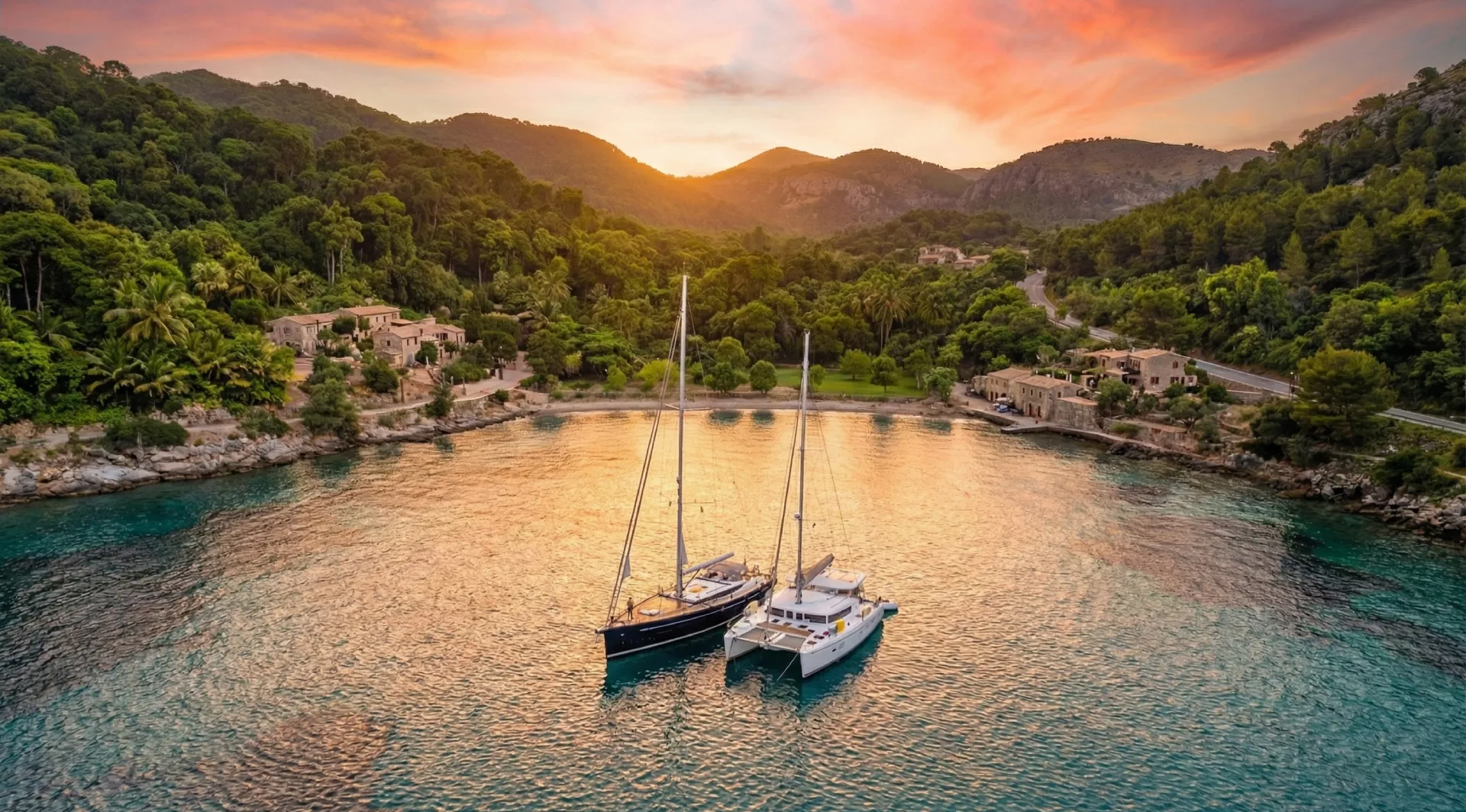
The Mediterranean Sea has long been a sailor's dream, offering a perfect blend of historical richness, cultural diversity, and pristine maritime conditions. This comprehensive guide will walk you through everything you need to know about sailing these legendary waters, from essential planning to safety considerations, ensuring your Mediterranean adventure is nothing short of spectacular.
Mediterranean Sailing: Your Complete Guide to Paradise
The Mediterranean basin spans approximately 2.5 million square kilometres, encompassing 21 countries and some of the world's most sought-after sailing destinations. With its crystal-clear waters, ancient harbours, and picturesque coastlines, it provides an unparalleled sailing experience that combines leisure, adventure, and cultural exploration.
This vast playground offers sailors a unique combination of reliable winds, minimal tides, and generally calm seas, making it an ideal destination for both novice and experienced sailors. The region's maritime heritage stretches back millennia, with countless hidden coves, historic ports, and charming coastal villages waiting to be discovered.
Essential Planning: When and Where to Set Your Course
The optimal sailing season in the Mediterranean typically runs from April to October, with July and August being the peak months. During this period, you can expect steady winds, warm temperatures, and minimal rainfall. However, shoulder seasons (spring and autumn) often provide more comfortable conditions with fewer crowds and more competitive prices.
Your choice of sailing region should align with your experience level and interests. The Western Mediterranean, including destinations like the French Riviera and Balearic Islands, offers more developed infrastructure and easier navigation. The Eastern Mediterranean, encompassing Greece and Turkey, provides more challenging conditions but rewards sailors with unspoiled landscapes and authentic cultural experiences.
Choosing Your Vessel: From Bareboat to Luxury Charter
Selecting the right vessel is crucial for your Mediterranean adventure. Bareboat charters offer complete independence and are ideal for experienced sailors who possess the necessary certifications. These vessels range from modest 30-foot monohulls to larger catamarans, allowing you to match the boat to your group size and comfort requirements.
For those seeking a more luxurious experience, crewed charters provide professional crew members who handle navigation, maintenance, and often catering. These options range from skippered yachts to fully-staffed luxury vessels, complete with amenities like air conditioning, water toys, and gourmet galleys.
Navigation Skills and Weather Patterns You Must Know
Understanding Mediterranean weather patterns is essential for safe sailing. The region experiences predictable daily wind patterns, including the Meltemi in the Aegean and the Mistral in the Gulf of Lion. These winds typically strengthen in the afternoon and calm by evening, making morning departures advisable.
Navigation in the Mediterranean requires familiarity with both traditional and modern techniques. While GPS and electronic charts are invaluable, knowledge of traditional navigation methods serves as an important backup. Sailors should also be aware of local regulations, traffic patterns in busy harbours, and the location of marine protected areas.
Top Mediterranean Destinations for Unforgettable Voyages
The Greek Islands stand out as a premier sailing destination, with the Cyclades, Ionian, and Dodecanese archipelagos offering distinct experiences. Croatia's Dalmatian Coast presents a perfect blend of historic cities and secluded islands, while Turkey's Turquoise Coast boasts ancient ruins and protected bays.
The Western Mediterranean offers equally compelling options, from the glamorous French Riviera to the rugged beauty of Corsica and Sardinia. The Balearic Islands provide excellent sailing conditions and vibrant nightlife, whilst Sicily and the Aeolian Islands combine volcanic landscapes with Italian charm.
Safety, Regulations, and Must-Have Documentation
Proper documentation is essential for Mediterranean sailing. Required papers include boat registration, insurance certificates, crew lists, and appropriate sailing qualifications. Different countries may have specific requirements, so research your intended destinations thoroughly before departure.
Safety equipment must comply with international standards and local regulations. This includes life rafts, flares, fire extinguishers, and personal flotation devices. Additionally, maintaining reliable communication equipment and having access to weather forecasts is crucial for safe passage.
Mediterranean sailing offers an extraordinary combination of natural beauty, cultural richness, and maritime adventure. With proper planning, the right vessel, and attention to safety requirements, you can experience one of the world's most rewarding sailing destinations. Whether you're island-hopping in Greece or exploring the French Riviera, the Mediterranean promises memories that will last a lifetime.
Mediterranean sailing FAQs
When is the best time to sail in the Mediterranean?
April to October for most coasts. May, June and September usually balance wind, warmth and harbour space. July and August are peak season with hotter days and fuller quays.
Which Mediterranean area suits a first charter?
The Ionian and parts of Croatia or the Saronic Gulf are the usual first weeks: shorter hops and denser shelter. The Cyclades, Sicily crossings and windy Balearic shoulders ask more of the forecast.
Do I need a sailing licence in the Mediterranean?
Most bareboat bases want an ICC, RYA Day Skipper Practical or a national equivalent, plus a VHF certificate where required. Rules vary by country, so check the base before you book flights.
How much does a Mediterranean yacht charter cost?
Weekly rates move with country, boat type and season. A mid-size monohull in shoulder season is often a few thousand euro before extras; peak weeks and catamarans cost more. Fuel, mooring and end cleaning sit on top.
Bareboat, skippered or crewed?
Bareboat if you already hold a recognised ticket and can Med-moor. Skippered if the group wants swimming and harbours without docking stress. Crewed weeks suit larger parties and luxury boats.
What winds should I know about?
Local names matter: Meltemi in the Aegean, maestral on the Croatian coast, tramontana and mistral in the west. Afternoon sea breezes are common in summer. Always plan a lee option.
Can I sail between countries in one week?
Sometimes, with a one-way fee and the right papers. Most first weeks stay inside one country or one island group. Cross-border hops need customs time built into the plan.
Where should I start researching a Mediterranean week?
Pick the coast first, then the boat type. Use the country and region guides on this site for wind and harbours, then a commercial charter page for boats, bases and weekly rates.
Charter a Yacht
Compare crewed & bareboat charters, learn the best months to sail, and get a custom shortlist from 500+ providers.