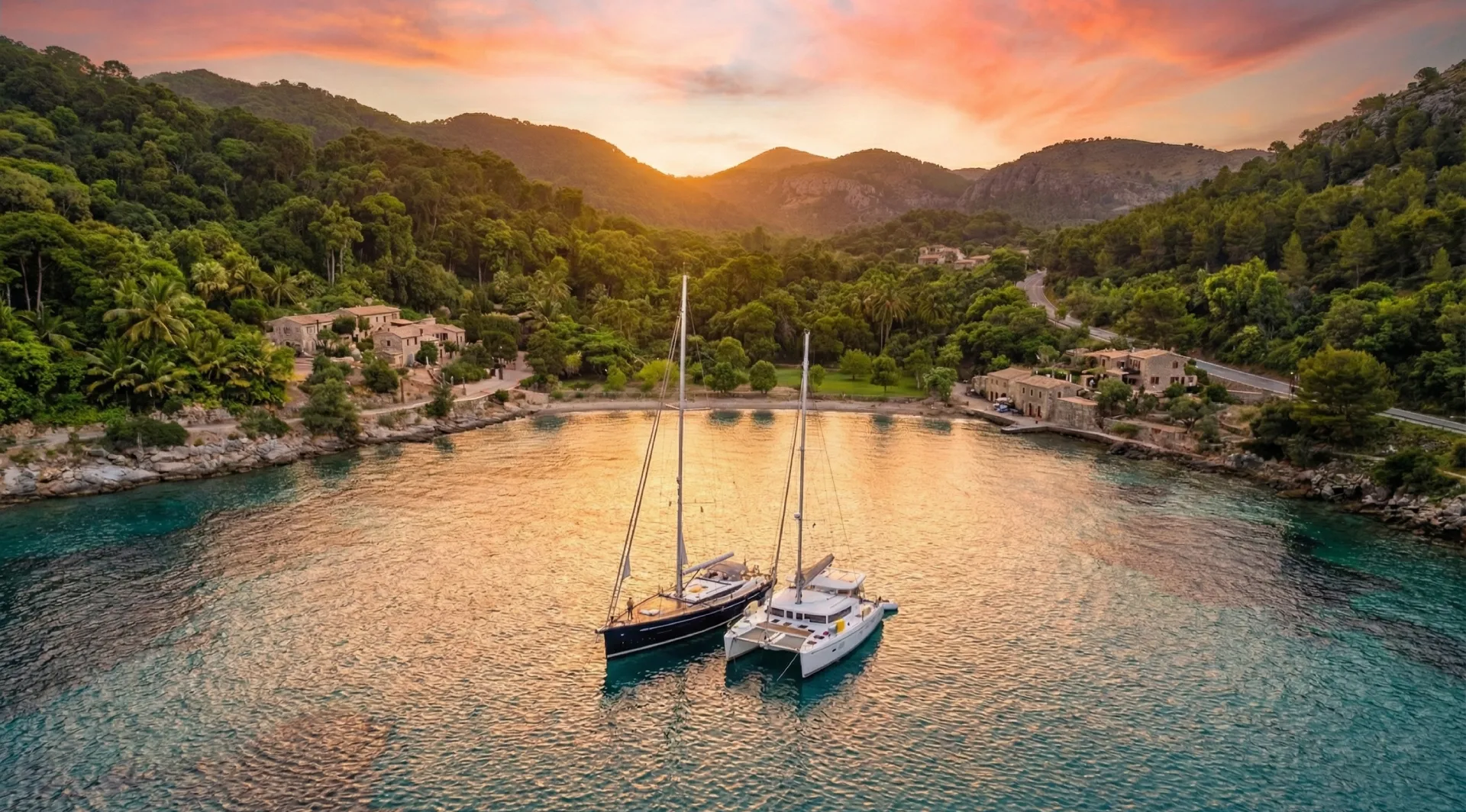
Sailing in Kornati & Šibenik Archipelago
Sailing Kornati & Šibenik Archipelago (Croatia): routes, winds and essential harbour intel
Thread your way through a stone labyrinth of islets, pocket anchorages and parkland channels. The Kornati National Park and the Šibenik Archipelago sit at the heart of mid-Dalmatia, offering short, line-of-sight hops, reliable summer breezes and a choice of mooring buoys, seasonal marinas and waterfront konobas. Add a river run to Skradin and the Krka waterfalls, UNESCO heritage in Šibenik and crystal-clear swimming in sheltered bays, and you have a compact cruising ground that rewards both first-timers and repeat visitors. This guide sets out the key areas, prevailing winds, seasonal patterns, practical harbour notes and curated itineraries to help you plan a safe, memorable week under sail.
Quick links
- Why Sail in Kornati & Šibenik Archipelago?
- Itineraries
- When to go
- Winds and weather
- Getting there
- Chartering
- Licences and formalities
- Anchorages and marinas
- FAQs
- References
Why Sail in Kornati & Šibenik Archipelago?
A navigational playground in miniature, this region combines the sculpted limestone of the Kornati with the green, low-lying islands off Šibenik. Distances are modest, sightlines are excellent and there is nearly always a nearby bolt-hole if the weather shifts. It is rare to find such variety in so small an area: river gorge, national park wilderness and island villages all within a day's sail of each other.
Summer brings dependable afternoon north-westerlies for relaxed passages between buoys, taverns and seasonal ACI marinas on Žut and Piškera. When you want culture, sail through the narrow Sveti Ante channel to Šibenik's cathedral and fortresses; when you want nature, anchor in Telašćica's fjord-like bay or swim over white sand in Lojena on Levrnaka.
Provisioning and repair support are strong around Murter, Vodice and Šibenik, while the parks retain a pleasantly off-grid feel. For families, flotillas and mile-building skippers alike, it is a rare mix of accessibility and adventure.
Itineraries
Two compact one-week routes showcase the best of the Šibenik islands, Kornati National Park and Telašćica Nature Park. Expect short, confidence-building legs with plenty of time for swimming stops, plus easy access to culture and nature highlights. Always adapt the direction to suit the week's winds and make use of mooring buoys and seasonal marinas to simplify evenings.
7 days Šibenik loop: Šibenik Islands, Kornati highlights and Krka Waterfalls
A 7-day route. Adjust legs to forecast, moorings and crew preferences.
A well-balanced circuit for first-time visitors. Start and finish in Šibenik, hop through the low-lying islands for warm-up nights, then thread into Kornati's inner channels before turning back towards Murter and the Krka river. Distances are modest; arrive early to popular buoys in peak season.
Day 1: Šibenik to Zlarin (8-12 NM)
Cast off from D-Marin Mandalina and transit the scenic Sveti Ante channel, keeping to the buoyed fairway and speed limits. Pick up a mooring or berth in Zlarin for a gentle first night, swimming over clear sand and dining on the waterfront. Depths are generous close to the main quay, but watch for cross-winds in late afternoon and keep wash down for local water taxis.
Day 2: Zlarin to Kaprije via Prvić or Tijat (12-16 NM)
Hop to Prvić Luka for coffee, then continue to a lunch stop in Tijašnica on Tijat if settled. Overnight at Kaprije on buoys or quay; provisions and a few konobas ashore. Approach Tijašnica from the north-west and avoid the southern corner in any swell from S-SE; at Kaprije, call the mooring attendants on arrival and allow for wind shifts overnight.
Day 3: Kaprije to Kakan or Žirje (10-18 NM)
Make for the clear, weed-sand anchorages on Kakan (Potkučina or Tratica) for lunch and swimming. If you want a quieter night, continue to Stupica Vela on Žirje for excellent shelter on buoys. Eyeball in with the sun overhead to spot pale sand patches; set well and avoid posidonia. Stupica's buoys offer good holding in Bora, with simple konobas ashore in season.
Day 4: Into Kornati - Vrulje or ACI Piškera (12-20 NM)
Enter the Kornati National Park (buy tickets in advance or on approach). Lunch at Ravni Žakan or Lojena on Levrnaka in settled weather. Overnight at konoba quays in Vrulje or take a berth at the seasonal ACI Piškera for services. Expect katabatic puffs off the hills at dusk; rig long stern lines and springs, and book ahead for Piškera in July-August.
Day 5: Kornati to Murter (18-25 NM)
Sail the scenic Kornati channels south-east then exit towards Murter. Choose ACI Jezera or Marina Hramina for full facilities, chandlery and easy provisioning. The passages between islets are well-marked but narrow - avoid cutting corners and give reefs a wide berth. If energy allows, a late swim stop on the Murter side makes a fine end to the day.
Day 6: Murter to Skradin via Šibenik Channel (22-28 NM, mostly motoring upriver)
Follow the buoyed fairway through Šibenik and into the Krka River. Berth at ACI Skradin, then take a park boat to Skradinski Buk waterfalls for the afternoon. Mind the speed limits and light river current when manoeuvring; evening breezes often ease, making for a calm night among the hills.
Day 7: Skradin to Šibenik (10-12 NM)
Return downriver with the current, pausing at the Sv. Nikola fortress on exit if time and conditions allow. Re-fuel and hand back at Mandalina. Factor in queue time at the fuel dock on Fridays; fenders and long lines make life easier alongside.
7 days Murter-Kornati-Telašćica explorer
A 7-day route. Adjust legs to forecast, moorings and crew preferences.
A park-forward route that lingers among Kornati's inner channels and the long, land-locked shelter of Telašćica on Dugi Otok. Best in settled summer patterns when you can enjoy lunch stops at sandy coves and easy evenings on buoys or at seasonal marinas.
Day 1: Murter to Prvić/Vodice (10-15 NM)
Shake down from Marina Hramina and reach across to Prvić Luka or ACI Vodice. Both offer sheltered berths and easy dining. If arriving late, Vodice has more space and services; Prvić is quieter and picturesque, with good holding outside in settled weather.
Day 2: Prvić/Vodice to Kaprije/Kakan (12-16 NM)
Sail south-west into the Šibenik island chain. Anchor for lunch in Tijašnica (Tijat) if settled, then continue to Kaprije or Kakan buoys for the night. Aim to arrive before mid-afternoon to secure a spot; in Jugo conditions seek the best lee and allow for swell wrapping into open bays.
Day 3: Kakan to Žirje (10-12 NM)
Short hop to Žirje's Stupica Vela or Stupica Mala for dependable shelter and a simple konoba ashore. The mooring fields are well-maintained; use a stern line to the buoy and keep a fender ready for pick-up boats in peak weeks.
Day 4: Žirje to southern Kornati (Piškera/Opat) (14-18 NM)
Enter the park via the south-east passes. Stop at Ravni Žakan or Strižnja for lunch. Overnight at ACI Piškera for services or alongside at Opat's konoba in settled conditions. Watch for accelerated gusts near saddles between hills, and favour the centre of channels where reefs pinch the edges.
Day 5: Piškera/Opat to Telašćica Nature Park (12-16 NM)
Sail north through Kornati channels and into Telašćica's long, enclosed bay on Dugi Otok. Pick up a buoy or anchor in permitted zones and visit the Mir salt lake and cliffs. Ticket checks are routine; evenings are serene with excellent protection from most directions.
Day 6: Telašćica to ACI Žut (10-12 NM)
A short reach to ACI Marina Žut for water, electricity and dinner. Numerous coves on Žut offer lunch stops if you prefer to anchor first. Water can be rationed in high season - top up early and confirm your berth by radio as you approach.
Day 7: Žut to Murter (18-24 NM)
Downwind or reachy return via Levrnaka's Lojena for a last swim if settled, then on to Murter for hand-back at Hramina or Jezera. Keep an eye out for traffic funnels near the island passes and allow extra time for refuelling.
When to go
Peak sailing runs from May to late September. June to early September offers settled weather, warm seas (23-26 °C) and reliable afternoon sea breezes, but also the busiest moorings; book marinas and arrive early to popular buoys in Kornati. May and October provide quieter anchorages, cooler nights and more variable winds with occasional frontal rain and thunderstorms, especially with a southerly Jugo. April and November can be rewarding for experienced crews seeking solitude, though facilities in the parks and some restaurants may be closed.
Water temperatures lag air by a few weeks; swimming is comfortable from late May to late September. National park seasonal marinas (Žut, Piškera) typically operate April/May to October; outside these months plan to be self-sufficient. In school-holiday weeks, expect higher demand and consider reversing loops to avoid the crowd pattern.
Winds and weather
Summer brings a dependable diurnal pattern: light mornings, then a NW sea breeze (Maestral) arriving late morning and building to 10-18 knots mid-afternoon, easing around sunset. Nights are calm or see gentle land breezes (Burin). This suits short, line-of-sight passages between islands and coves.
Three synoptic winds shape planning. The Bora (Bura) can blow from NE with hard, gusty squalls funnelled between the islands; while less extreme here than further north, it still demands secure shelter and conservative sail plans. The Jugo (SE/S) arrives with pressure falls, cloud and longer-period swell that can make southern and western-open anchorages rolly. The Tramontana/N tram flows behind fronts and brings cooler, clearer conditions. Thunderstorms are most likely in late summer afternoons; monitor forecasts and keep clear of headlands during gust fronts.
Tides are small (typically 0.3 m), and currents are weak outside constrictions, but allow for local acceleration in the Sveti Ante channel and along the Krka river. Visibility is generally excellent; poor-visibility fog is uncommon. Use updated charts: the Kornati are shot through with reefs and off-lying rocks, most well-marked but easy to misjudge in strong sun or low light. A daily routine of morning swims, lunchtime anchorages and mid-afternoon hops works well with the breeze cycle.
Getting there
Airports and transfers
Zadar (ZAD) to the north and Split (SPU) to the south are the primary gateways. Transfer times are typically 60-90 minutes by road to Šibenik, Vodice and Murter charter bases. The A1 motorway makes self-drive straightforward; private shuttles are widely arranged by charter operators.
Bases and embarkation
Major bases include D-Marin Mandalina (Šibenik), ACI Vodice, Tribunj Marina, ACI Jezera and Marina Hramina on Murter, with additional fleets in Biograd and Kremik (slightly outside the core area). Saturday embarkation is standard; formal handovers often begin mid-afternoon with departures permitted after the technical check. If possible, complete provisioning before handover to maximise your first evening window.
Provisioning
Large supermarkets are near Šibenik and Vodice marinas; Murter has good choice around Betina/Hramina. Skradin has smaller markets for mid-week top-ups. In the parks, assume cash-only or card with weak connectivity and limited stocks. Fresh bread and vegetables sell out quickly on smaller islands - shop early.
Fuel, water and repairs
Fuel docks are in Šibenik, Vodice and Murter; outside the parks, options are plentiful. Inside Kornati, plan as though there is no fuel; seasonal marinas on Žut and Piškera offer water and shore power but can be capacity-limited. Carry lines for Mediterranean mooring and expect lazy lines in marinas and paid buoys in many bays. For technical help, Šibenik and Murter have the best concentration of chandleries and engineers.
Chartering
Fleets and options
The area is one of Croatia's busiest charter hubs, with broad fleets of modern monohulls and catamarans, plus crewed yachts and skippered options. Murter and Šibenik provide a perfect launch point for either a park-focused itinerary or a culture-and-coast loop via Krka. Flotillas run family-friendly routes among the Šibenik islands and into the fringes of Kornati in settled weather.
Booking patterns and pricing
High season (late June-August) sells out early; shoulder months provide better value and easier mooring. One-way charters between Zadar-Šibenik-Split are sometimes offered pre/post-season. Expect Saturday-Saturday weeks, with brief check-sails after technical handover. Park entry and buoy fees are usually not included in charter quotes; budget separately and pre-purchase where possible for savings.
On-the-water support
Most operators provide 24/7 duty numbers, local routing advice and weather links. Spare parts and technicians are concentrated in Šibenik and Murter. If new to the area, consider a day with a local skipper to learn the wind lanes, buoy fields and park rules. Many bases can arrange early check-in or late check-out for a fee - useful in shoulder seasons.
Licences and formalities
Skipper certification
Croatia requires the skipper to hold an acceptable certificate of competence for the size and type of vessel (e.g., ICC with coastal and power/sail endorsements, or a recognised national equivalent such as RYA Day Skipper with ICC). In addition, at least one person on board must hold a VHF/SRC operator's licence.
Papers and fees
You will submit a crew list, pay the tourist sojourn tax and lodge a security deposit (or purchase a damage waiver). Always carry original licences and passports; authorities and marinas may inspect them. Keep digital copies and photos of key documents as a backup.
National parks
Kornati National Park and Telašćica Nature Park require paid tickets; buying in advance or outside the park boundaries is cheaper than paying a ranger boat in situ. Overnighting is allowed on designated moorings or anchorages; respect no-anchoring zones and seagrass protection areas. Rangers commonly check tickets in the early evening.
Local rules
Observe speed limits in the Šibenik channel and Krka river. Use holding tanks in enclosed waters and discharge only offshore. Drones, fishing and spearfishing require specific permits; check current regulations before departure. Music curfews and quiet hours apply in many bays - be considerate of neighbours.

Anchorages and marinas
Šibenik Channel and Krka River
- Šibenik (D-Marin Mandalina): A secure base with all facilities. Keep to the buoyed fairway and speed limits; expect cross-winds in the narrow Sv. Ante channel. The old town quays are handy for a short stop in fair weather.
- Skradin (ACI Marina): Deep, very sheltered and scenic. Excellent base for visiting Krka waterfalls by park boat. Watch for river current when manoeuvring; holding is generally good mud.
Traffic ebbs and flows with charter turnover; plan fuel stops early in the day and keep a listening watch for ferries and tour boats, especially at weekends.
Šibenik Islands (Zlarin, Prvić, Tijat, Kaprije, Kakan, Žirje)
- Zlarin and Prvić Luka: Picture-book harbours with mooring buoys/quays, partially sheltered from NW. Limited space in peak season; arrive before mid-afternoon.
- Tijašnica (Tijat): Beautiful lunch stop in settled weather; open to S-SE. Sand/weed patches; set well and avoid posidonia.
- Kaprije: Village buoys and a simple quay; modest supplies and water tanker visits. Good all-round shelter except strong SE.
- Kakan: Clear, sandy pockets at Potkučina and Tratica; buoys common in season. Exposure increases with Jugo swell.
- Žirje (Stupica Vela/Mala): Large, well-protected bays with buoys and basic konoba jetties. A dependable refuge in Bora.
Most village quays are run by local concessionaires - card acceptance is improving but cash remains useful. Expect afternoon arrivals from nearby bases; earlier starts secure the best spots.
Kornati and Žut
- ACI Piškera and ACI Žut: Seasonal marinas with lazy lines, water and shore power (capacity and water sometimes restricted). Book ahead in July-August.
- Vrulje (Kornat): Park village with several konoba quays and buoys; lively in season. Gusts can descend the slopes in Bora - double up lines.
- Levrnaka (Lojena): Turquoise, sandy-bottom shallows; best as a lunch stop in calm or light NW. Exposed to SE.
- Ravni Žakan, Strižnja, Opat: Classic Kornati bays with moorings and friendly konobas. Depths vary; favour the centre and follow local guidance when approaching.
Navigation is visual and rewarding: keep the sun high for reading water colour, avoid late, low-light entries and respect buoyed seagrass protection zones.
Telašćica Nature Park (Dugi Otok)
- A vast, land-locked anchorage with assigned mooring fields and permitted anchoring areas. Excellent shelter from most directions; occasional gusts in strong Bora. Highlights include the Mir salt lake and dramatic outer-coast cliffs. Park rangers collect or validate tickets.
Choose your cove based on wind and crowding: the northern arms are quieter, while central fields give quicker access to walking trails and viewpoints.
General tips
- Charts and pilotage: The maze of islets hides reefs and shoals; keep a sharp lookout and avoid cutting corners. Use up-to-date charts and plotter plus eyeball navigation in clear light.
- Ground tackle: Many bays have seagrass; seek sand patches, use adequate scope and consider a trip line where marked hazards exist. Respect buoy fields - free anchoring may be restricted inside park limits.
- Services: Outside the towns and seasonal marinas, assume limited water, power and waste facilities. Carry extra lines and fenders for Med-mooring and gusty katabatics.
Build generous margins into your day: depart early, enjoy long swims at lunchtime and aim to be settled well before sunset when winds ease and katabatic puffs begin.
FAQs
Is this area suitable for a first charter in Croatia?
Yes. Short legs, plentiful shelter and reliable summer breezes make it beginner-friendly. Just plan conservatively for Bora or Jugo events and arrive early to popular moorings.
Do I need a special permit to sail in the Kornati?
Yes. Kornati National Park and Telašćica Nature Park require tickets. Prices vary by boat length and are cheaper when bought in advance or outside the park.
What licences do I need to charter?
A recognised skipper's certificate of competence (e.g., ICC or national equivalent) and a VHF/SRC operator's licence for at least one crew member are mandatory.
Where can I fuel and take on water?
Fuel docks are in Šibenik, Vodice and Murter. Inside the parks, plan as though there is no fuel; seasonal marinas at Žut and Piškera offer water and shore power but may ration in peak periods.
How crowded does it get in summer?
July-August are busy. Buoy fields in Zlarin, Kaprije, Kakan and Kornati can fill by mid-afternoon. Book marinas, and consider early starts with lunchtime swims to secure space.
Can I anchor freely in the parks?
Anchoring is allowed only in designated areas and away from protected seagrass. Many bays provide paid mooring buoys; rangers enforce rules and collect fees.
What are the main wind hazards?
Gusty Bora from the NE and swell-bringing Jugo from the SE. Choose anchorages with protection from the day's wind and be cautious near passes where gusts funnel.
Is mobile coverage reliable?
Generally good around Šibenik, Vodice and Murter; patchier in the heart of the Kornati. Do not rely on card payments in remote konobas - carry some cash.
References
- https://www.cruiserswiki.org/wiki/Kornati
- https://www.cruiserswiki.org/wiki/Šibenik
- https://aci-marinas.com/marinas/aci-marina-jezera/
- https://aci-marinas.com/marinas/aci-marina-vodice/
- https://aci-marinas.com/marinas/aci-marina-skradin/
- https://aci-marinas.com/marinas/aci-marina-zut/
- https://aci-marinas.com/marinas/aci-marina-piskera/
- https://www.d-marin.com/en/marinas/croatia/mandalina/
- https://www.np-kornati.hr/en/
- https://pp-telascica.hr/en/
- https://meteo.hr
- https://meteo.hr/more_e.php?section=prognoza¶m=adriatic
- https://mmpi.gov.hr/sea/nautical/pleasure-craft/19986
- https://www.rya.org.uk/knowledge/skills/icc
Charter a Yacht
Compare crewed & bareboat charters, learn the best months to sail, and get a custom shortlist from 500+ providers.