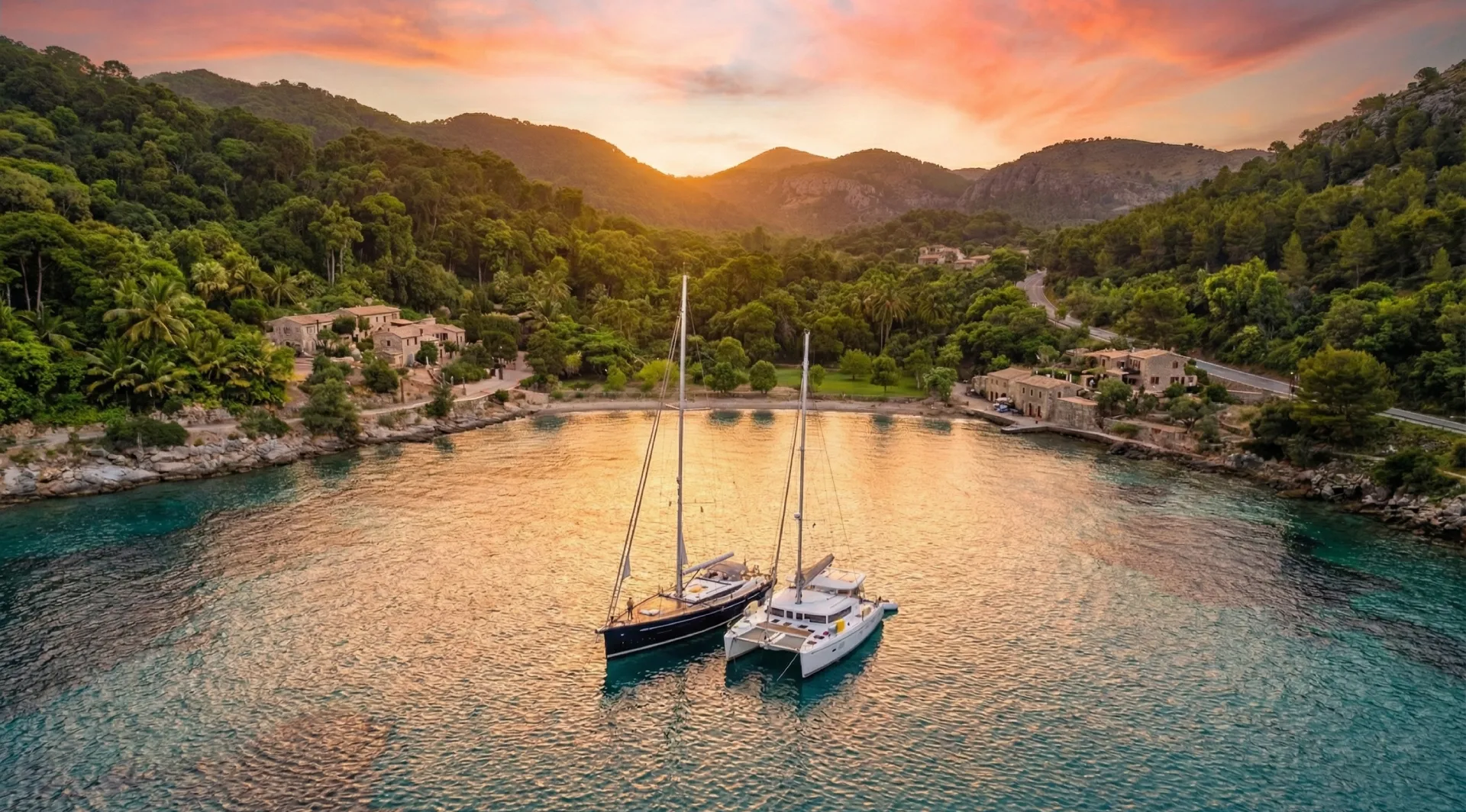
For boats, weekly rates and a shortlist, see our Portugal yacht charter page.
Choosing a start harbour? See the Portugal charter bases guide for Saturday logistics and which marina fits your week.
For Cascais and the Tagus coast, see Yacht Charter Lisbon. For the wider country, stay on Yacht Charter Portugal.
Sailing in Portugal: routes, winds, seasons and practicalities
Portugal is Atlantic sailing with options. The west coast serves brisk northerlies, long ocean swells and granite headlands; the Algarve mellows to sandy anchorages, fair-weather sea breezes and well-run marinas. Offshore, the Azores and Madeira offer blue-water passages framed by the Azores High and trade-wind lanes.
Historic ports, modern facilities and straightforward formalities make it accessible, while capes, bars and acceleration zones keep it engaging. This guide sets out where to go, when to go, what to expect from the wind and sea, and how to charter with confidence.
Quick links
- Sailing in Portugal: routes, winds, seasons and practicalities
- Why Sail in Portugal?
- Portugal Sailing Itineraries
- When to Go
- Wind and Weather
- Getting There
- Chartering
- Licences and Formalities
- Anchorages and Marinas
- FAQs
- References
Why Sail in Portugal?
Portugal rewards good seamanship with variety. In a single country you can move from the powerful nortada that funnels down the west coast to the gentler rhythms of the Algarve's dune-backed anchorages. The sailing is purposeful and scenic, with stone-walled towns, working fishing harbours and clear, well-marked approaches.
There is depth for every level. Newer skippers can build miles between well-spaced marinas on the Algarve or inside the Lisbon and Setúbal estuaries. More experienced crews can plan tide-aware hops past the capes, or stretch out to the mid-Atlantic islands. The Azores and Madeira add genuine ocean-sailing credentials within well-supported networks of ports.
Ashore, it is easy to reset. Good value marinas, reliable repair yards and warm hospitality are consistent themes. Fresh seafood and simple, excellent produce are abundant, and transport links make crew changes painless. All this sits within straightforward formalities and a pragmatic safety culture, so you can focus on the passage rather than the paperwork.
Portugal Sailing Itineraries
Below are three contrasting itineraries in Portugal, from the sheltered Algarve to tide-aware city sailing around Lisbon and a blue-water flavour in the Azores. Adjust distances to suit your crew, and always time bar and cape roundings for daylight and settled seas.
Algarve 7-day easy coasts and estuaries (Lagos-VRSA loop)
A 7-day route. Adjust legs to forecast, moorings and crew preferences.
A gentle circuit along Portugal's south coast with short legs, sand-bottom anchorages and plentiful marinas. Expect afternoon sea breezes, easy pilotage in fair conditions and rewarding stops for swims and shore time. Ideal for newer skippers and mixed-experience crews.
Day 1 - Lagos
Join in Lagos Marina and complete safety checks, including tide times for local bars and inlets. Provision in the town and take a short shakedown outside the harbour if time allows, keeping clear of tour boats at Ponta da Piedade. Lagos is an excellent base with fuel, engineers and chandlery on site.
Day 2 - Lagos to Alvor
Slip west-facing Lagos for a gentle 5-8 NM hop to the Alvor lagoon. Enter on a rising tide with settled swell and good visibility; follow the buoyed channel carefully. Anchor inside on sand with excellent holding and dinghy ashore for a walk through the boardwalks and village.
Day 3 - Alvor to Portimão/Ferragudo
Time the tide for an easy exit, then a short run to Portimão. Berth in the marina for shore power and facilities, or anchor off Ferragudo in settled weather. Keep an eye out for trip boats and harbour traffic; evenings here are particularly sheltered and pleasant.
Day 4 - Portimão to Albufeira or Vilamoura
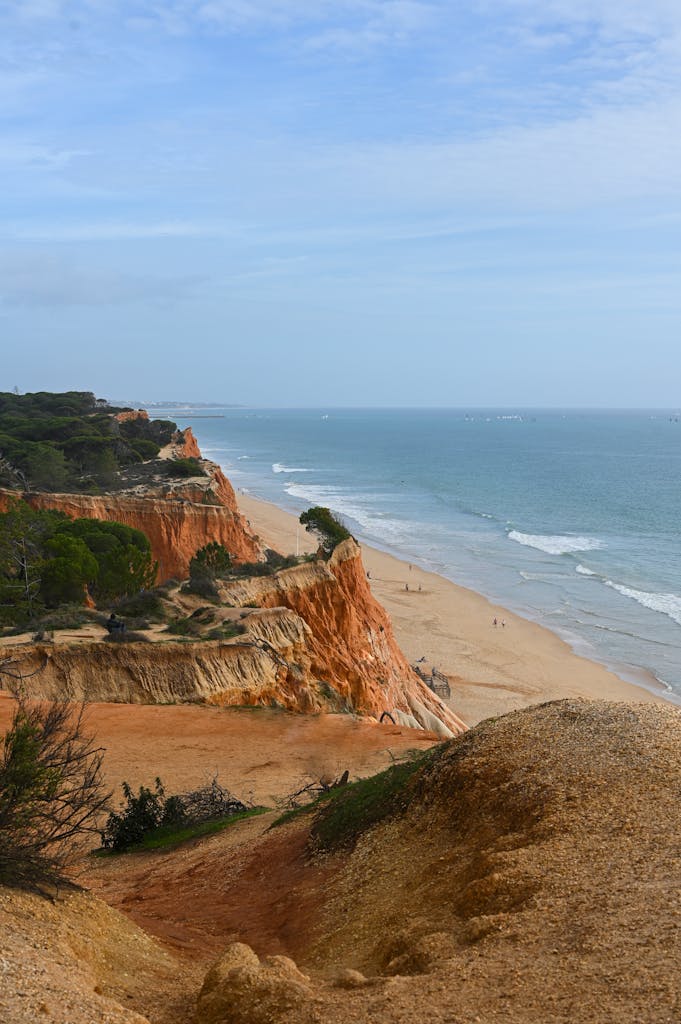
Run east with the afternoon sea breeze for 12-25 NM. Pass striking sandstone cliffs and the Benagil area (give caves a wide berth). Choose compact Albufeira Marina for convenience, or continue to Vilamoura's large, full-service marina if you prefer broader dining and servicing options.
Day 5 - Vilamoura to Culatra (Ria Formosa)
Enter the Ria Formosa in fair conditions and near slack water via the Faro-Olhão entrance. Anchor behind Ilha da Culatra on sand; protection from westerlies is excellent. The island village has simple cafés and a small shop; expect strong tidal streams in the channels.
Day 6 - Culatra to Tavira or VRSA
Explore east: in settled weather, dip into Tavira's entrance (Barra Nova) for a lunch stop, or continue to the Guadiana border at Vila Real de Santo António for marina berths, fuel and an easy stroll into town. Mind cross-currents on approach and keep a listening watch on VHF.
Day 7 - Return west (stopping as weather dictates)
Retrace towards Lagos with flexible stops at Vilamoura or Portimão. When heading west, depart early to avoid fresher afternoon headwinds. Keep clear of inshore fish farms marked on charts, and arrive with daylight for comfortable pilotage.
Lisbon, Setúbal and the Arrábida coast (7 days, tide-aware city and cape sailing)
A 7-day route. Adjust legs to forecast, moorings and crew preferences.
An engaging week that blends city moorings on the Tejo (Tagus) with cliff-lined day sails and two cape roundings. Expect ferry traffic, afternoon wind acceleration near capes and rewarding wildlife in the Sado estuary. Tides and timing matter; plan conservative reefing and daylight approaches.
Day 1 - Cascais
Join in Cascais Marina. Review the Tejo traffic scheme, bridge clearances and the afternoon wind acceleration off Cabo Raso. Fuel and provision ashore; the old town is an easy walk from the pontoons.
Day 2 - Cascais to Oeiras or Belém
A short leg into the Tejo. Choose Oeiras Marina for a relaxed first hop or continue to Lisbon's docks at Belém/Alcântara for prime city access. Expect ferries and commercial traffic; maintain a sharp lookout and monitor the local working channels.
Day 3 - Lisbon to Seixal anchorage
Ride the flood upstream then drop the hook off Seixal on mud/sand. Shelter is good with easy shore access by dinghy. Mind ferry wash and stay clear of marked channels when laying scope.
Day 4 - Seixal to Sesimbra
Exit the Tejo early to avoid the peak nortada at Cabo Espichel. Sesimbra offers a compact marina, ample shelter and excellent seafood. Reserve ahead in summer weekends.
Day 5 - Sesimbra to Tróia/Setúbal
An easy reach around the Arrábida cliffs into the Sado estuary. Berth at Tróia Marina for beaches and resort facilities or continue to Setúbal's town quays. Keep to buoyed channels across shifting sandbanks and watch for resident dolphins.
Day 6 - Setúbal to Sines
A longer ocean leg. Leave early to round Espichel before the afternoon peak and shape a course for Sines. Approaches are well marked; Sines is an excellent all-weather stop with reliable fuel and repair options.
Day 7 - Sines to Cascais
Return north, expecting acceleration near Cabo Raso. With a fair forecast, aim to arrive with good light; the outer breakwater and buoys are conspicuous but swells can disguise smaller marks.
Azores central triangle (Faial-São Jorge-Pico, 7 days)
A 7-day route. Adjust legs to forecast, moorings and crew preferences.
A mid-Atlantic micro-adventure between Faial, São Jorge and Pico. Summer brings variable winds under the Azores High, channel gusts and long-period swell. Build in a float day, reef early under island lee slopes and choose crossings with a fair wind component.
Day 1 - Horta, Faial
Arrive at Horta Marina, the mid-Atlantic hub. Take a weather briefing focused on fronts and swell windows. Wander to Peter Café Sport, check lines for chafe and plan mural painting for your return.
Day 2 - Horta to Velas, São Jorge
Pick a settled day for the channel crossing. Expect acceleration between islands and counter-currents; keep a conservative sail plan and monitor VHF for ferry movements. Approaches to Velas are straightforward in good light.
Day 3 - Velas to Calheta (São Jorge south coast)
A short coastal hop along fajãs and cliffs. Anchorages are scarce and depths shelve quickly; plan for a marina berth at Calheta and enjoy shore walks with views back to Pico.
Day 4 - Calheta to São Roque do Pico
Cross to Pico. Gusts roll off the high island slopes, so reef early and avoid lee-shore tendencies. São Roque offers provisioning and a friendly harbour team.
Day 5 - São Roque to Madalena, Pico
A brief transit along Pico's north-west. The channel to Faial is busy with ferries; keep clear of routes and maintain a listening watch. Madalena's waterfront is lively on summer evenings.
Day 6 - Madalena to Horta
Hop back to Faial and secure in Horta. Paint your boat's mural on the harbour wall for good luck and swap sea stories with ocean-going crews.
Day 7 - Weather window/whale-watching day
A flexible day for conditions, maintenance or an organised whale-watching trip in season. Spring and early summer see regular sightings; book ashore in advance.
When to Go
Mainland west and Alentejo coast
May to September is the practical season. Expect strong afternoon northerlies (nortada) in June-August, typically 15-25 knots with higher gusts near capes. Outside these months, Atlantic lows bring fronts, rain and heavier swell; passages remain feasible with care and reliable forecasts. Spring and autumn can be particularly rewarding for southbound one-way cruises.
Algarve
April to October is comfortable, with a reliable westerly sea breeze building mid-afternoon to 10-18 knots. Winter brings more easterlies and occasional heavy weather, but sheltered hops remain possible among marinas and the Ria Formosa. Peak marinas fill in July-August; shoulder months offer warm water, space and mellower breezes.
Azores
Best from May to September. Summer is dominated by the Azores High, but conditions remain changeable: calms, brisk trades and passing fronts all occur. Swell periods are long; plan inter-island hops to avoid strong head seas and be flexible with lay days.
Madeira and Porto Santo
Largely year-round. Summer trade winds can accelerate strongly to the east and south of Madeira; winter fronts are less frequent than on the mainland. Porto Santo offers a useful all-weather marina when Madeira's katabatic gusts are lively, making it a practical staging post for passages.
Wind and Weather
The nortada and regional patterns
Portugal's signature summer wind is the nortada: a pressure-driven N-NW flow strengthened by thermal effects. It peaks in the afternoon, particularly June to August, and typically moderates overnight. Expect local acceleration near headlands and capes and plan early starts if heading upwind.
Mainland west coast
- Direction and strength: Predominantly N-NW 12-25 knots in summer; frequent afternoon surges to 25-30 knots near Cabo Carvoeiro, Cabo Raso and Cabo de São Vicente. Spring and autumn bring more W-SW shifts with passing fronts.
- Sea state: Ocean swells from the NW are common. Offshore heights of 2-3 m are routine in summer; bars and harbour entrances can become dangerous when ebb tide meets swell.
- Fog: Sea fog is possible in late spring/early summer north of Figueira da Foz, especially mornings.
Choose conservative sail plans near capes and avoid committing to bar entrances on an ebb with swell running. When in doubt, wait for a rising tide and better light.
Algarve
- Winds: Lighter and more variable. Expect W-SW sea breezes 8-18 knots in summer; occasional easterly "Levante/Leste" episodes funnel from Spain, creating steeper seas east of Faro.
- Sea state: Generally moderate. Sheltered anchorages behind barrier islands offer flat water in westerlies.
- Tides: Ranges of 2-3 m at springs. Strong currents in the inlets of Ria Formosa; plan entries near slack water.
Afternoons are ideal for easy reaches east-west. Use mornings for upwind returns and plan Ria Formosa moves around slack to minimise stress.
Estuaries (Tejo/Tagus and Sado)
- Winds: Channelled by valley topography; strong afternoon headwinds when returning west towards Cascais.
- Considerations: Dense ferry and commercial traffic. Overfalls possible where winds oppose ebb.
Keep to marked channels, maintain a listening watch and time transits for fair tide and lower traffic when possible.
Azores
- Winds: Influenced by the Azores High and passing disturbances. Summer averages F3-5 but can swing quickly; gusts in channels and katabatic blasts off high islands are routine.
- Sea state: Long-period swell wraps around islands; some marinas surge. Choose inter-island crossings with a fair wind component.
Reef early under island lees and allow margin for changes. Surge can make berthing lively; favour finger berths and longer springs where available.
Madeira and Porto Santo
- Winds: NE trades with pronounced acceleration zones downwind of the island. Strong katabatic gusts roll off high terrain, particularly afternoons and evenings.
- Sea state: Short, steep seas in acceleration zones; Porto Santo is notably calmer.
Approach with well-reefed sails and secure thoroughly in marinas. Porto Santo is an excellent bolt-hole if conditions pipe up around Madeira.
Forecasting and data
- Use national bulletins from IPMA and the Portuguese Hydrographic Institute for coastal and bar conditions. Port Captains will close bars in heavy swell; signals are displayed at harbour entrances.
- GRIB models are reliable for the synoptic picture but can under-read cape accelerations; reef early and plan arrivals with daylight.
Combine model data with local notices and visual signals at harbour mouths. In exposed areas, add a safety margin to any wind forecast near prominent capes.
Getting There
Gateways by air
- Lisbon (LIS): Best for Cascais, Oeiras and Setúbal/Tróia (30-60 minutes by road).
- Faro (FAO): For Algarve bases at Lagos, Portimão, Albufeira and Vilamoura (30-75 minutes).
- Porto (OPO): For the north coast (Viana do Castelo, Póvoa de Varzim, Leixões/Porto) in 20-60 minutes.
- Ponta Delgada (PDL): For São Miguel and inter-island flights to Horta (HOR) and Terceira (TER) in the Azores.
- Funchal, Madeira (FNC): For Madeira and Porto Santo.
Major hubs are well served by European carriers and low-cost airlines. Most marina bases can arrange transfers and timed provisioning for late arrivals.
Internal transfers
Motorways connect the coast efficiently; rail links are good between Lisbon, Cascais and the Algarve. Marinas can pre-arrange taxis and provisioning. For the islands, SATA/Azores Airlines and ferries link the groups seasonally.
Car hire is widely available and useful for one-way crew shuttles or inland day trips when a blow keeps you in port.
Chartering
Where you can charter
Bareboat and skippered fleets are concentrated in the Algarve (Lagos, Portimão, Vilamoura), around Lisbon (Cascais, Oeiras) and, increasingly, in the Azores (Horta, Ponta Delgada) and Madeira (Funchal/Quinta do Lorde). Monohulls dominate, with a growing number of cruising catamarans well suited to families and mixed-experience crews.
Seasonality and pricing
High season runs July-August on the mainland, with excellent shoulder-season value in May-June and September-October when winds are reliable but marinas less crowded. The Azores and Madeira peak June-September. Expect a refundable security deposit and standard end-clean/transit log fees; optional damage waivers are common and can reduce the deposit size.
What to expect afloat
- The Algarve suits relaxed day-sailing with short legs and plenty of shelter.
- Lisbon/Arrábida offers varied conditions, from protected estuaries to lively cape roundings.
- The Azores and Madeira are rewarding but more weather dependent; inter-island distances and surge can restrict berthing. Build in float days.
Brief your crew for lines and springs in surge-prone marinas, agree clear roles for bar/estuary entries and keep fuel topped up before longer legs around capes.
Skipper qualifications (brief)
For bareboat charters the skipper is typically required to hold an ICC (Coastal) or RYA Day Skipper Practical (or national equivalent), plus a VHF/SRC radio operator certificate. Some operators on the west coast, Azores or Madeira may ask for evidence of tidal and night experience, or RYA Coastal Skipper. A competent co-skipper is often requested. If in doubt, opt for a local skipper; you'll still log the miles and learn the water.
Licences and Formalities
Entry, customs and immigration
Portugal is in the EU and Schengen Area. Yachts arriving from outside Schengen should report to the first Port Captain/Maritime Police and complete immigration. Have passports, vessel registration, proof of insurance and a crew list ready. EU VAT status should be documented for EU-flagged boats.
Domestic movement and paperwork
Between Portuguese ports, routine check-ins are handled via the marina office. Keep the ship's radio licence and operator's certificate onboard; authorities may ask to see safety equipment and insurance.
Safety equipment and inspections
Visiting yachts are expected to meet their flag-state requirements. Spot checks by the Maritime Police are professional and pragmatic. Carry lifejackets for all crew, flares, fire-fighting equipment and functioning navigation lights.
Environmental rules
- Bars and inlets: Many entrances (e.g., Aveiro, Figueira da Foz, some Ria Formosa channels) are restricted or closed in heavy swell. Observe signals and local notices.
- Anchorages: Respect seagrass meadows, especially in the Algarve and marine parks (e.g., Arrábida). Local no-anchoring zones are charted.
- Speed and wake: Strict limits inside estuaries and Ria Formosa.
Check daily bar status and avoid prop wash near seagrass zones. Slow speeds protect the shoreline and reduce conflict with small craft.
Radio and AIS
A fixed VHF set and a qualified operator are expected. AIS is not mandatory for small pleasure craft but is strongly recommended on the west coast and in the islands for situational awareness around traffic and in reduced visibility.
Anchorages and Marinas
North and central west coast (Viana do Castelo to Peniche)
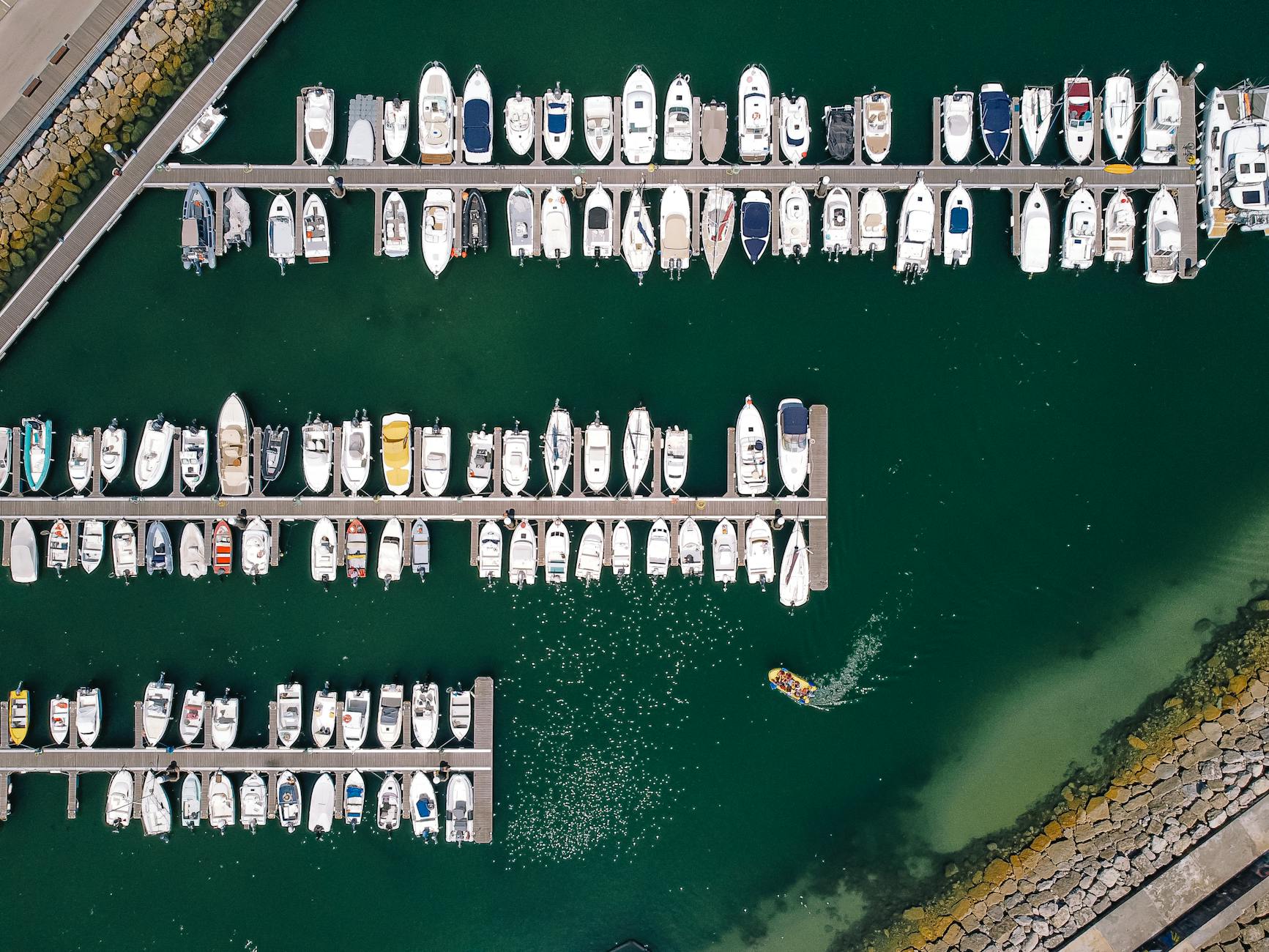
Deep ocean swells limit truly open anchorages. Plan for marinas and fishing harbours: Viana do Castelo (tidal river berths), Póvoa de Varzim (good staging point), Leixões and Douro/Porto (Douro Marina), Aveiro (bar entrance), Figueira da Foz, Nazaré and Peniche. Bars can be hazardous on an ebb with swell; Port Captains may close entrances at short notice.
Lisbon, Cascais and the Tejo
Cascais is a well-sheltered base with easy access to the Tejo. Oeiras is handy for quick turnarounds. Inside Lisbon, marinas at Belém, Alcântara and Santo Amaro place you in the city; anchoring off Seixal offers good holding in mud with ferry wash to consider. Expect strong afternoon headwinds near Cabo Raso/Cabo da Roca when returning west.
Alentejo and Sines
Sines is the stand-out all-weather harbour between Lisbon and the Algarve. It is a natural stop when rounding Cabo de São Vicente in either direction, with dependable facilities, fuel and a welcoming town.
Algarve (Lagos to Vila Real de Santo António)
The Algarve offers numerous safe refuges: Lagos Marina; Portimão with anchoring inside off Ferragudo; Albufeira and Vilamoura marinas; Ria Formosa anchorages behind Ilha da Culatra and off Ilha de Tavira; VRSA and the Guadiana River (mind the bridge air draft upriver). Enter Ria Formosa on a rising tide with settled swell; currents run hard at springs.
Azores highlights
Horta (Faial) is the classic mid-Atlantic hub with repair capacity and fuel. Angra do Heroísmo (Terceira), Ponta Delgada (São Miguel) and Velas/Calheta (São Jorge) provide inter-island stepping stones. Some small marinas surge in swell or fill early in high season; reserve where possible and rig long springs.
Madeira and Porto Santo
Funchal and Quinta do Lorde (Madeira) offer marina berths but can be gusty in trades. Porto Santo's marina is calmer and a frequent first/last stop when routing to/from the mainland. Acceleration zones and katabatic gusts warrant conservative sail plans and extra fendering.
FAQs
.faq-accordion details{border:1px #cccccc solid;border-radius:4px;margin:8px 0;}.faq-accordion summary{padding:10px 15px;cursor:pointer;display:flex;align-items:center;gap:8px;list-style:none;}.faq-accordion summary::-webkit-details-marker{display:none;}.faq-accordion summary::before{content:'▸';color:#12305c;font-weight:700;display:inline-block;transform:rotate(0deg);transition:transform .2s ease;}.faq-accordion details[open] summary::before{transform:rotate(90deg);}.faq-accordion p{padding:10px 15px;margin:0;}
Is Portugal suitable for a first bareboat charter?
Yes, particularly the Algarve and the Lisbon/Setúbal estuaries where legs are short and shelter is frequent. The exposed west coast, Azores and Madeira demand more experience with swell, tidal gates and acceleration zones.
What is the nortada and how does it affect passage planning?
The nortada is a strong N-NW summer wind that peaks in the afternoon, especially near capes. Plan north-south legs to ride it and time arrivals to avoid beating into peak gusts. Early departures and conservative reefing pay dividends.
Are there dangerous bar entrances in Portugal?
Several entrances, especially on the west coast and some Algarve inlets, can be hazardous when swell meets ebb tide. Port Captains display closure signals. Enter on a rising tide with settled seas and good visibility.
Can I anchor freely along the coast?
Anchoring is permitted where not expressly restricted, but open-coast anchorages are scarce on the west due to swell. The Algarve and estuaries offer reliable sand-bottom anchorages; respect marine protected areas and seagrass zones.
What qualifications do I need to charter?
Most operators accept an ICC (Coastal) or RYA Day Skipper Practical plus a VHF/SRC certificate. For Atlantic passages, the west coast, Azores or Madeira, some request RYA Coastal Skipper or demonstrable tidal/night experience.
When is the best time to sail the Azores?
May to September. Even then, expect variability with calms, trade-wind days and occasional fronts. Build in a buffer day for weather and swell.
How significant are tides and currents?
Expect 2-3 m spring ranges on much of the coast. Currents run strongly in bars and estuary mouths (e.g., Ria Formosa). Offshore, the Portugal Current sets generally southward; local effects dominate near capes and in island channels.
Are repair and provisioning facilities good?
Yes. Major marinas (Lagos, Portimão, Vilamoura, Cascais, Lisbon, Sines) have lift-out, engineers and chandlery. The Azores' Horta and Ponta Delgada provide solid services for ocean-going yachts.
References
- https://www.cruiserswiki.org/wiki/Portugal
- https://www.noonsite.com/place/portugal/
- https://www.hidrografico.pt/
- https://www.ipma.pt/en/
- Atlantic Spain and Portugal (RCCPF/Imray, latest edition)
- https://www.amn.pt/ (Autoridade Marítima Nacional)
- https://www.marinadelagos.pt/
- https://www.cascaismarina.pt/
- https://www.marinasdeportugal.com/
- https://www.portosdosacores.pt/en/marinas/horta-marina
Charter a Yacht
Compare crewed & bareboat charters, learn the best months to sail, and get a custom shortlist from 500+ providers.