Sailing in Catalonia: routes, winds and practicalities
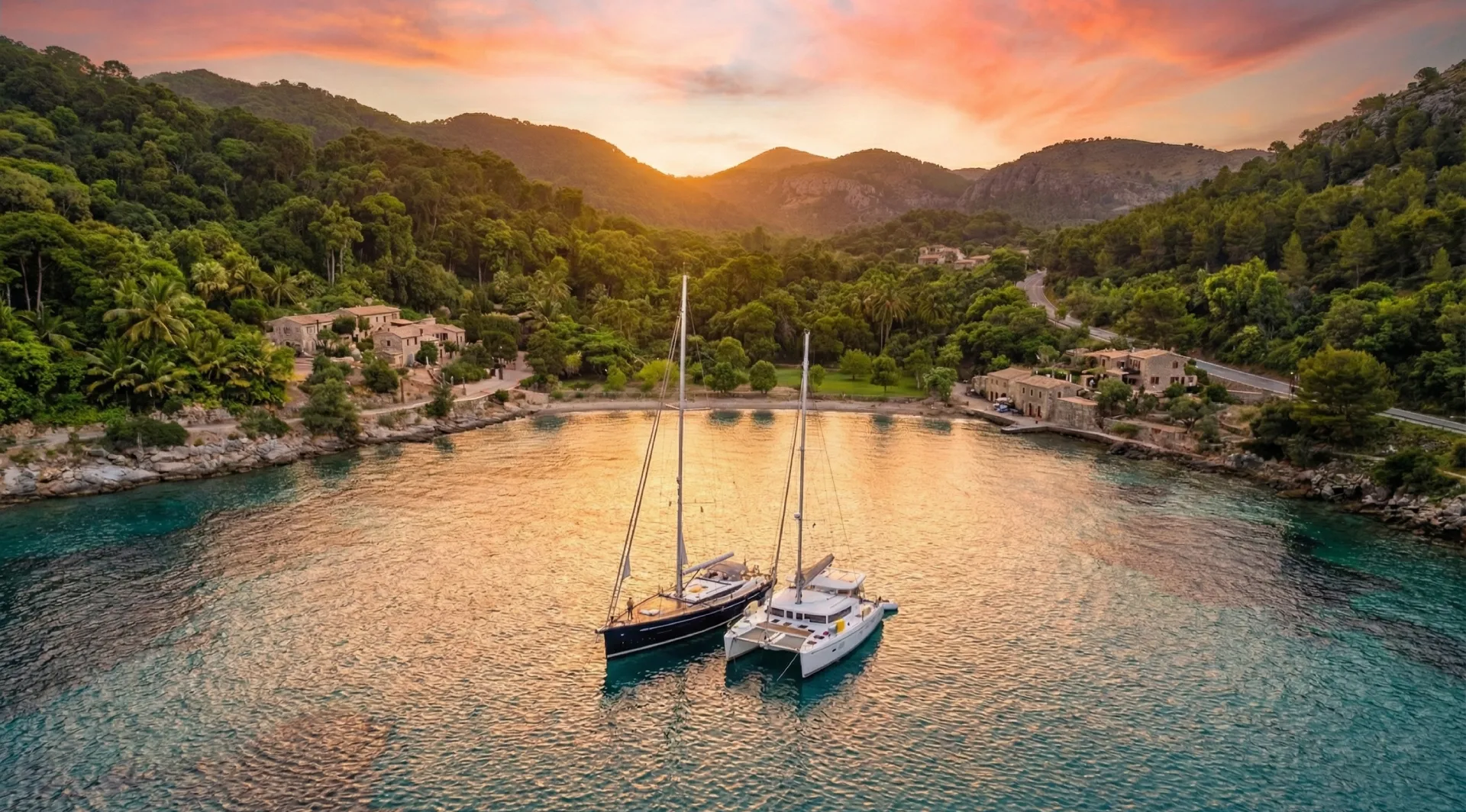
Catalonia, located on the north-east cost of Spain in the Balearic Sea, offers a concentrated slice of Mediterranean sailing: wild granite headlands at Cap de Creus, indented Costa Brava coves with translucent water, world-class urban marinas in Barcelona, and the long, tawny beaches and shallow lagoons of the Ebro Delta. Conditions vary markedly over short distances, so well-planned routes let you balance breeze and shelter. Expect light mornings, reliable summer sea breezes, and occasional powerful northerlies or north-westerlies that reward early starts and prudent anchoring choices. Facilities are excellent, distances are manageable, and provisioning is effortless. For skippers seeking clear water calas one day and a cultured city stop the next, Catalonia makes an assured, high-value alternative to the Balearics.
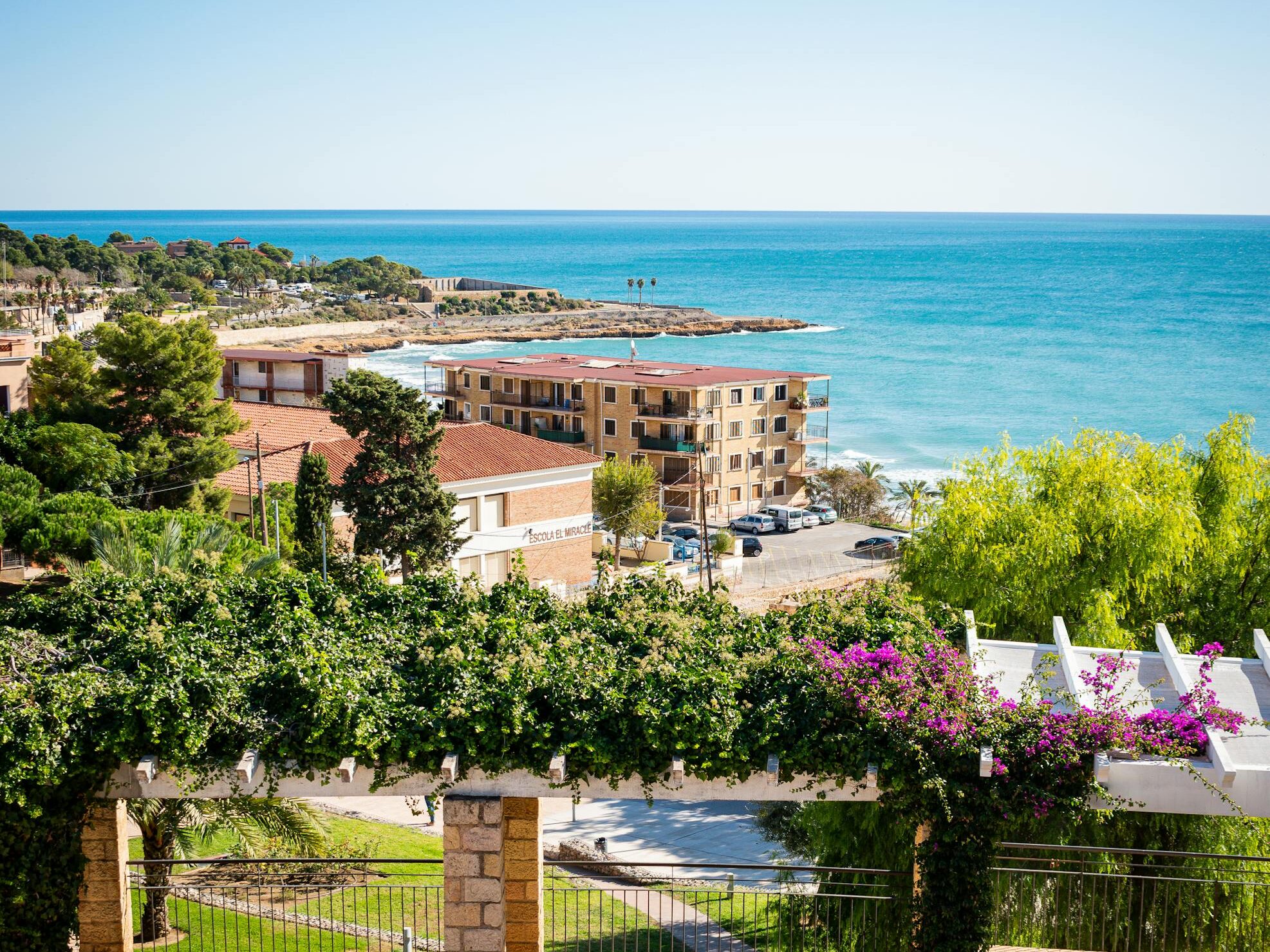
Within a single coastline you can mix adventurous, line-of-sight hops among rocky calas with relaxed reaches between long sandy strands. Infrastructure is modern, fuel and water are easy to find, and historic towns ashore provide rewarding lay-day diversions. With micro-tidal waters and a dense network of marinas, navigation is approachable for newer skippers, while the occasional Tramuntana or Mestral offers satisfying challenges for experienced crews.
Quick links
- Sailing in Catalonia: routes, winds and practicalities
- Why Sail in Catalonia?
- Itineraries
- When to go
- Wind and weather
- Getting there
- Chartering
- Licences and formalities
- Anchorages and marinas
- FAQs
- References
Why Sail in Catalonia?
Catalonia compresses several sailing "micro-regions" into a single, navigable coastline. The Costa Brava's serrated bays provide memorable swims and line-of-sight passages; Barcelona contributes iconic city sailing with dense marina infrastructure; the Costa Daurada and Ebro Delta add big-sky anchorages and forgiving depths ideal for relaxed days on the hook. This variety means you can tailor a week to your crew: exploratory and adventurous up north, urbane mid-coast, unhurried and family-friendly to the south.
Wind and topography make for genuinely engaging seamanship. Local sea breezes build most afternoons, yet the Tramuntana near Cap de Creus and the Mestral spilling from the Ebro valley can deliver bracing stretches for confident crews. With micro-tidal ranges and widely spaced harbours, navigation remains straightforward, while marine parks and mooring fields protect prized environments and simplify stops on exposed coasts.
Practicalities are first-rate. Airports at Barcelona, Girona and Reus streamline arrivals, port services are efficient, and charter fleets are based sensibly across the coast. Add Catalan cuisine, compact historic towns, and a long season from late spring to early autumn, and the result is a destination that rewards both first-timers to Spain and seasoned Mediterranean sailors. In short, Catalonia offers the clear-water calas of a classic Med cruise, the cultural pull of a European capital, and sheltered southern waters for the easiest of family weeks.
Itineraries
Below are two seven-day routes that showcase Catalonia's contrasts. The first explores the dramatic Costa Brava from Empuriabrava or Roses, threading granite headlands and postcard calas. The second runs from Barcelona to the Ebro Delta and back, blending city marinas, long sandy reaches and sheltered lagoon sailing. Adjust daily legs to suit conditions and crew energy.
7-day Costa Brava loop (Empuriabrava/Roses)
A 7-day route. Adjust legs to forecast, moorings and crew preferences.
A compact circuit that captures the essence of the Costa Brava: whitewashed Cadaqués, the raw beauty of Cap de Creus, handsome harbour towns and swim-friendly coves. Expect mostly short hops with one longer return leg. Total distance typically 140-170 NM, with options to shorten or lengthen based on breeze.
Day 1: Empuriabrava or Roses to Cadaqués (12-18 NM)
Ease into the week with a short reach along the Gulf of Roses. Keep an eye on afternoon sea breezes and any residual swell from northerlies. Anchor in the broad bay off Cadaqués or tuck into Port Lligat or Cala Guillola for added protection. Arrive early in high season to secure space and enjoy a shoreside stroll through Dalí country.
- Empuriabrava Marina - 42.256, 3.11
- Roses Bay - 42.262, 3.176
- Cadaqués - 42.288, 3.277
- Cala Guillola (Cap de Creus) - 42.304, 3.238
Day 2: Cap de Creus calas to Port de la Selva (10-15 NM)
Explore Cap de Creus in settled weather. Granite coves are clear but exposed to easterlies; moor and swim, then round to the lee for the night. Port de la Selva offers reliable shelter and services. Watch for gust acceleration near the headland and give room to dive boats entering and exiting small inlets.
- Cala Culip - 42.329, 3.287
- Cap de Creus Headland - 42.32, 3.317
- Port de la Selva - 42.338, 3.2
Day 3: Port de la Selva to L'Estartit via L'Escala (25-30 NM)
Slide back across the Gulf of Roses. In a Tramuntana, plan an early departure or stay tucked in; in calmer spells, stop at L'Escala for lunch before continuing to L'Estartit. Moorings near the Medes Islands are regulated. Book ahead in peak months and avoid Posidonia meadows by favouring sand patches when anchoring.
- L'Escala - 42.118, 3.133
- L'Estartit - 42.053, 3.204
- Illes Medes Moorings - 42.04, 3.22
Day 4: L'Estartit to Palamós via Begur coves (18-22 NM)
Work the headlands and calas of Begur. Aiguablava and Sa Tuna tempt in light winds; in easterlies keep moving to find shelter. Palamós provides a safe, full-service berth. The scenery is superbly photogenic - arrive to calas before midday for best chances of space and gentler swell.
- Aiguablava (Begur) - 41.937, 3.208
- Palamós - 41.848, 3.129
Day 5: Palamós to Sant Feliu de Guíxols (10-12 NM)
Short coastal sail, with time to pause at small pocket bays such as Cala Canyet. Sant Feliu is compact and sociable with good dining ashore. If the Garbí freshens, plan an early exit to enjoy smoother seas along the rockier stretches.
- Cala Canyet - 41.778, 3.045
- Sant Feliu de Guíxols - 41.78, 3.031
Day 6: Sant Feliu to Blanes via Tossa de Mar (18-22 NM)
Rugged scenery and castle-topped Tossa de Mar mark the day. Blanes offers a practical marina at the southern gate of the Costa Brava. The open coast can be bouncy in easterly swell - reef early and keep a comfortable margin off the cliffs.
- Tossa de Mar - 41.72, 2.933
- Blanes - 41.673, 2.794
Day 7: Blanes to Roses/Empuriabrava (45-55 NM)
A longer return leg. Leave early to take advantage of lighter airs before the Garbí builds. Options to stop at Palamós or L'Estartit if needed. Fuel and water are simple at the finish, and canal berthing in Empuriabrava is fun for first-timers.
- Blanes - 41.673, 2.794
- Palamós - 41.848, 3.129
- Empuriabrava Marina - 42.256, 3.11
7-day Barcelona to Ebro Delta and back
A 7-day route. Adjust legs to forecast, moorings and crew preferences.
A city-to-lagoon loop suited to mixed-ability or family crews. Enjoy the spectacle of departing Barcelona, relaxed runs along long beaches, characterful ports, and the flat-water refuge of Alfacs Bay. Anticipate 130-160 NM over the week with plenty of swim stops and short days.
Day 1: Barcelona Port Vell to Sitges (20-22 NM)
Cast off from the city with an easy run along the Garraf coast. Sitges' Port d'Aiguadolç is lively and well-served; nearby coves are pleasant in light northerlies. Time your departure to dodge peak afternoon sea breezes if you prefer gentler conditions close to shore.
- Barcelona Port Vell - 41.375, 2.183
- Port Olímpic (optional stop) - 41.389, 2.198
- Sitges - Port d'Aiguadolç - 41.235, 1.825
Day 2: Sitges to Tarragona (25-30 NM)
Follow the long beaches south. Vilanova i la Geltrú makes a good lunch halt; Tarragona's marina sits beneath Roman ramparts and offers all facilities. The approach is straightforward with good night lighting, though swell can wrap in during easterlies.
- Vilanova i la Geltrú - 41.214, 1.734
- Tarragona - Marina Port Tarraco - 41.116, 1.257
Day 3: Tarragona to Cambrils (15-18 NM)
A relaxed day with abundant swimming opportunities around Cap Salou. Cambrils is family-friendly with excellent restaurants. Consider a late-afternoon arrival to slip in after day-trip traffic has eased.
- Cap Salou - 41.076, 1.14
- Cambrils - 41.067, 1.06
Day 4: Cambrils to L'Ametlla de Mar (18-22 NM)
The coast becomes rockier with attractive sand-bottomed calas. Cala Forn and Cala Llobeta are inviting in settled weather; L'Ametlla is a characterful fishing town. Holding is generally good in sand, but avoid weed patches and give room to local fishing craft.
- Cala Forn - 40.907, 0.806
- Cala Llobeta - 40.893, 0.811
- L'Ametlla de Mar - 40.887, 0.8
Day 5: L'Ametlla to Sant Carles de la Ràpita (Port dels Alfacs) (22-26 NM)
Enter the broad, shallow Alfacs Bay for lagoon-style sailing and all-round protection from the Mestral. Sant Carles provides modern berths and an easy stroll into town. Follow buoyed channels, keep a bow lookout for pot markers, and avoid night entries if unfamiliar.
- L'Ampolla (entrance option) - 40.814, 0.708
- Sant Carles de la Ràpita - Port dels Alfacs - 40.618, 0.598
Day 6: Explore Ebro Delta; hop north to Torredembarra or Vilanova (35-45 NM)
Morning in the delta, then begin the return with a purposeful leg. Choose Torredembarra for a quiet night or Vilanova for more bustle. If a fresh northerly sets in, tuck in early and enjoy a calm berth behind substantial breakwaters.
- Ebro Delta (mouth) - 40.733, 0.86
- Torredembarra Marina - 41.145, 1.4
- Vilanova i la Geltrú - 41.214, 1.734
Day 7: Vilanova/Torredembarra to Barcelona (20-35 NM)
Time arrivals to avoid peak afternoon sea breeze if heading east. Consider a last swim stop off the Garraf coves or a lunch pause at Port Ginesta. A celebratory final night in Port Vell or Marina Vela rounds off the trip with easy access to Barcelona's old town.
- Cala Morisca (Garraf) - 41.248, 1.86
- Port Ginesta (lunch stop) - 41.265, 1.917
- Barcelona Port Vell - 41.375, 2.183
When to go
The main season runs from May to October. June and September typically deliver warm, settled weather with moderate sea breezes and fewer crowds ashore. July and August are sun-sure, with water temperatures often 23-26 °C and afternoon Garbí sea breezes building to the mid-teens (kn), but anchorages and berths are busier and priced accordingly. May and October can be delightful shoulder months with cooler nights, occasional fronts, and a higher chance of Tramuntana (north to north-west) or Levante (easterly) episodes; these are manageable with flexible routing. Winter sailing is feasible for experienced crews, though water temperatures drop to around 13-15 °C and strong northern outbursts are more frequent.
Daylight runs from about 9-10 hours in April and October to 14-15 hours in high summer, giving ample time for relaxed mornings and exploratory stops. Shoreside life peaks in late June through August with festivals and extended dining hours; book berths ahead during this window. For quieter calas and easier mooring availability, target early June or mid-late September.
Wind and weather
Expect a classic Mediterranean day cycle in summer: light or calm mornings, then a reliable S-SW sea breeze (the Garbí) from late morning, peaking mid-afternoon around 10-18 kn and easing by evening. The Costa Brava, especially around Cap de Creus, is exposed to the Tramuntana, a dry, often strong N-NW wind spilling from the Gulf of Lion, most common in winter and shoulder seasons but possible at any time after frontal passages; gusts accelerate around headlands and chop can be steep. South of Tarragona, the Mestral (NW) can funnel down the Ebro valley, delivering brisk, clear conditions in the Gulf of Sant Jordi; Alfacs Bay offers refuge when it blows. Easterly Levante/Llevant systems bring swell and rain, making exposed east-facing calas uncomfortable; choose harbours or western-facing bays. Thunderstorms occasionally bubble up on hot late-summer afternoons inland and drift seaward by evening. Tides are micro-tidal (typically under 0.3 m), though set and drift from wind-driven currents and coastal sea states matter near headlands and in the Ebro Delta shallows. Visibility is generally good; summer haze and fishing-gear fields warrant a sharp lookout. Sea temperatures range from about 13-15 °C in winter to 22-26 °C in high summer.
Practical tips: start longer passages early to stay ahead of the sea breeze, reef before headlands where acceleration is likely, and keep an eye on easterly swell forecasts if planning nights in open roadsteads. In the north, a solid Tramuntana is best waited out in Port de la Selva, Roses or Empuriabrava; in the south, head for the shelter of Alfacs Bay or well-protected marinas.
Getting there
Barcelona-El Prat (BCN) is the principal gateway with excellent global connections and straightforward transfers to city marinas (20-30 minutes by road). Girona-Costa Brava (GRO) serves the northern coast - handy for Empuriabrava, Roses, L'Estartit and Palamós - with coach and motorway links via the AP-7. Reus (REU) is closest for Tarragona, Cambrils and the Ebro Delta. High-speed rail (AVE/Avlo) connects Madrid and the French border to Barcelona Sants; regional trains reach coastal towns. Motorways (AP-7, C-32) shadow much of the shoreline; traffic is seasonal around weekends and August. Most charter bases can arrange private transfers and provisioning in advance.
Allow extra time on Saturdays in peak season for marina access and check-in. If driving, many bases have paid parking on-site or nearby. Larger supermarkets will deliver directly to your pontoon; pre-ordering heavy goods and water saves time and effort on turnaround day.
Chartering
Charter fleets are distributed sensibly across the coast. In the north, bases at Empuriabrava, Roses, L'Estartit and Palamós suit Costa Brava exploration. Barcelona offers multiple marinas (Port Vell, Marina Vela, Port Fòrum) with ample choice, while Sitges and Vilanova provide lower-key alternatives within an hour of the city. To the south, Cambrils, L'Ametlla de Mar and Sant Carles de la Ràpita are convenient for the Costa Daurada and Ebro Delta.
Monohulls from 34-45 ft dominate, with growing catamaran availability for family groups. Peak season runs mid-June to early September; booking early secures the best coveside berths and mooring fields. Shoulder seasons are excellent value with kinder marina rates. Many companies accept qualified skippers plus a mate of 'competent crew' level; some offer skippered options if you prefer stress-free city approaches or to venture confidently around Cap de Creus.
Typical boarding is Saturday afternoon with return Friday and disembark Saturday morning; increasingly, flexible starts are available outside peak months. One-way itineraries are occasionally offered between Barcelona and the southern bases, and experienced crews sometimes plan a weather-window crossing to the Balearics; always coordinate with your operator for approvals and safety kit. Expect a refundable security deposit, optional damage waivers, and extras such as outboard engines, early check-in and paddleboards.

Licences and formalities
For bareboat charters in Spain, visiting skippers are usually required to hold an ICC (International Certificate for Operators of Pleasure Craft) with sail endorsement, or a recognised national equivalent such as RYA Day Skipper Practical. A Short Range Certificate (SRC) or equivalent VHF licence is commonly required by operators and Spanish authorities. Bring original certificates and photo ID; the charter company will register a crew list and vessel papers.
Local regulations to note: anchoring over seagrass (Posidonia) is restricted or prohibited in designated areas; use moorings where provided, notably around the Medes Islands and within parts of Cap de Creus Natural Park. Keep at least 200 m off bathing beaches (or 50 m in marked channels) and observe 3-5 kn limits near harbour entrances and in mooring fields. Carry standard ship's documents, proof of insurance (charters include this), and a courtesy Spanish flag. Spain is in Schengen; routine customs formalities are minimal for EU arrivals. Harbour practice is Mediterranean-style stern-to with lazy lines. VHF 16 is monitored; working channels are posted at marina entrances. Fuel, water and repair facilities are widespread; pre-book in high summer.
Environmental etiquette is taken seriously: separate waste on board where possible, avoid grey-water discharge in enclosed bays, and use shore facilities when available. Drones may be restricted near protected areas and urban beaches - check local notices before flying.
Anchorages and marinas
Costa Brava - Cap de Creus and Gulf of Roses
The northern tip is exhilarating but exposed. In northerlies, choose the inner coves such as Cala Guillola or Port Lligat for shelter; in easterlies, prefer Port de la Selva or Roses' ample bay. Cap de Creus calas are rugged with variable holding; settle only in settled weather and watch for katabatic gusts. Empuriabrava's canal marina and Roses' port provide comprehensive services and a dependable fallback when winds freshen.
Central Costa Brava - L'Escala to Palamós
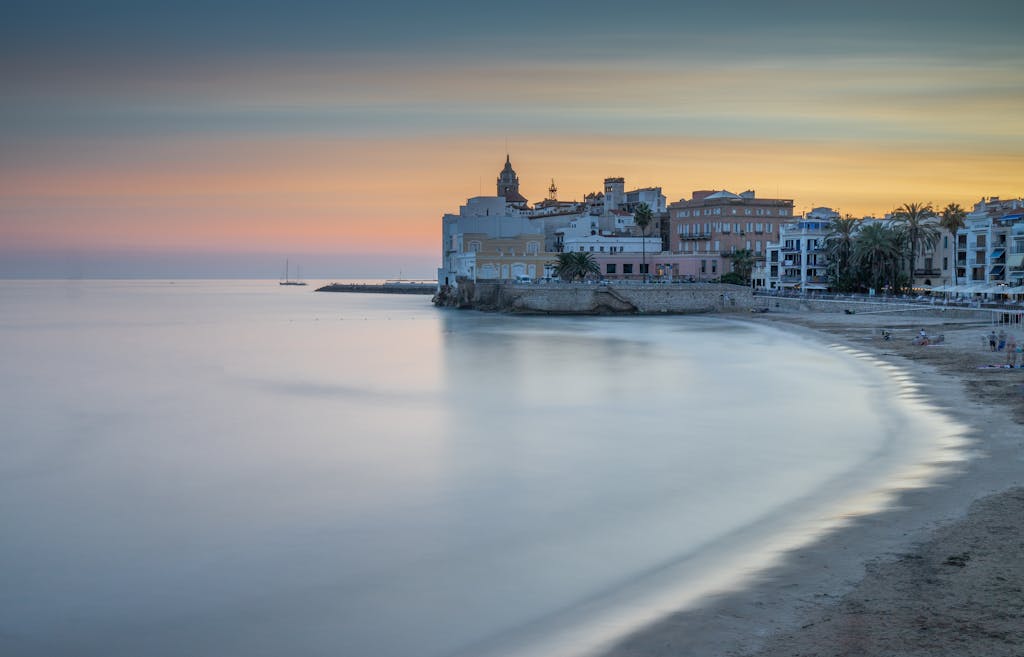
The Montgrí coast and Medes Islands form a protected marine area. Anchoring is restricted near the islands - pick up authorised moorings when available and avoid seagrass. L'Escala, L'Estartit and Palamós are the principal harbours. Between them lie photogenic calas - Aiguablava, Sa Tuna, Tamariu - best in light winds with sand patches for secure holding; exposure to easterly swell is the main limiter. Reserve marina berths in July-August and arrive early to popular lunch spots.
Southern Costa Brava - Sant Feliu to Blanes
Granite headlands soften into broader bays. Sant Feliu de Guíxols and Blanes book-end reliable marinas; pocket anchorages around Tossa de Mar and Cala Canyet offer rewarding lunch stops. With an easterly running, plan to berth by mid-afternoon before short-period swell builds on the open coast. Fuel and provisions are easy at both ends.
Barcelona and Maresme
The metropolitan stretch is marina-rich - Port Vell (city-centre), Marina Vela (by the W breakwater) and Port Fòrum (north-east) are the main hubs. North from the city, El Masnou, Mataró and Arenys de Mar offer convenient staging posts. Anchoring off Barcelona's beaches is constrained by swimming zones and exposure to chop; treat it as a lunch stop in calm conditions rather than an overnight plan. City berths allow straightforward sightseeing with secure access and quality facilities.
Costa Daurada - Garraf to Tarragona and Cambrils
Long sandy strands with frequent, straightforward harbours - Port Ginesta, Sitges (Aiguadolç), Vilanova, Torredembarra, Tarragona and Cambrils. Anchorage opportunities are more open-roadstead in character; pick settled days and sand bottoms. Cap Salou has attractive pauses but poor shelter in easterlies. Marina tariffs are generally gentler than on the Costa Brava, making this a good area for value-conscious weeks.
Ebro Delta - L'Ametlla to Sant Carles de la Ràpita
The character shifts to low-lying wetlands and shallow bays. Around L'Ametlla de Mar, calas such as Forn and Llobeta provide clear-water stops with good sand. Inside Alfacs Bay (Sant Carles de la Ràpita) you'll find extensive, flat water and all-round protection - a useful refuge in a Mestral. Depths shoal towards the delta; follow buoyed channels, watch for fish farms and pot markers, and avoid night entries to unfamiliar inlets. The lagoon setting is superb for paddleboards and kid-friendly swimming.
FAQs
.faq-accordion details{border:1px #cccccc solid;border-radius:4px;margin:8px 0;}.faq-accordion summary{padding:10px 15px;cursor:pointer;display:flex;align-items:center;gap:8px;list-style:none;}.faq-accordion summary::-webkit-details-marker{display:none;}.faq-accordion summary::before{content:'▸';color:#12305c;font-weight:700;display:inline-block;transform:rotate(0deg);transition:transform .2s ease;}.faq-accordion details[open] summary::before{transform:rotate(90deg);}.faq-accordion p{padding:10px 15px;margin:0;}
When is the best time to sail in Catalonia?
June and September balance warmth, reliable sea breezes and manageable crowds. July-August are hottest and busiest with afternoon Garbí winds. May and October are quieter with a higher chance of northerly spells (Tramuntana/Mestral) and occasional easterly swell.
How strong are typical winds?
Summer sea breezes often build to 10-18 kn by mid-afternoon. Tramuntana and Mestral events can bring 20-30 kn or more near Cap de Creus and the Gulf of Sant Jordi - plan early departures, choose lee shores, or wait them out in harbour.
Is anchoring allowed near the Medes Islands and Cap de Creus?
Both areas have protected zones with anchoring restrictions to safeguard Posidonia. Use designated mooring buoys when available and avoid marked no-anchor areas. Outside protected zones, favour sand patches and check local charts and notices.
Can I anchor off Barcelona?
Short lunch stops are feasible in calm conditions outside bathing zones, but overnighting is generally uncomfortable due to exposure, traffic and swell. Most crews use the city's marinas for reliable shelter and easy shore access.
What qualifications do I need to charter?
An ICC with sail endorsement or a recognised equivalent - such as RYA Day Skipper Practical - plus a VHF/SRC certificate is typically required. Bring originals; operators may also ask for a sailing résumé and a second crew member with basic competence.
Are there tidal concerns?
Tides are micro-tidal - usually less than 0.3 m - so they seldom drive planning. Wind-driven chop, headland acceleration zones and shallow areas around the Ebro Delta are more consequential for comfort and safety.
Are jellyfish common?
Blooms can occur in hot, calm periods, especially after onshore winds. They are patchy and transient; choose coves with clear water movement, wear light protection if sensitive, and carry vinegar or approved sting treatments as a precaution.
Is a Balearics crossover realistic from Catalonia?
Experienced crews sometimes make a weather-window passage - Barcelona to Palma is roughly 110-120 NM, Roses to Ciutadella around 110 NM. Obtain the charter company's approval, check safety gear and forecasts, and plan conservatively around wind and swell.
References
- https://www.cruiserswiki.org/wiki/Catalonia
- https://ports.gencat.cat
- https://parcsnaturals.gencat.cat/ca/xarxa-de-parcs/parcs/cap_creus/inici/
- https://parcsnaturals.gencat.cat/ca/xarxa-de-parcs/parcs/illes_medes/
- https://www.aemet.es/en/serviciosclimaticos/datosclimatologicos
- https://www.marinavela.com
- https://www.portvellbarcelona.com
- https://www.porttarraco.com
- https://www.portdaiguadolc.com
- https://www.mdlmarinas.co.uk/marinas/sant-carles-marina/
- https://www.mitma.gob.es/marina-mercante/nautica-de-recreo/titulaciones
- https://www.rya.org.uk/knowledge/abroad/icc
Charter a Yacht
Compare crewed & bareboat charters, learn the best months to sail, and get a custom shortlist from 500+ providers.