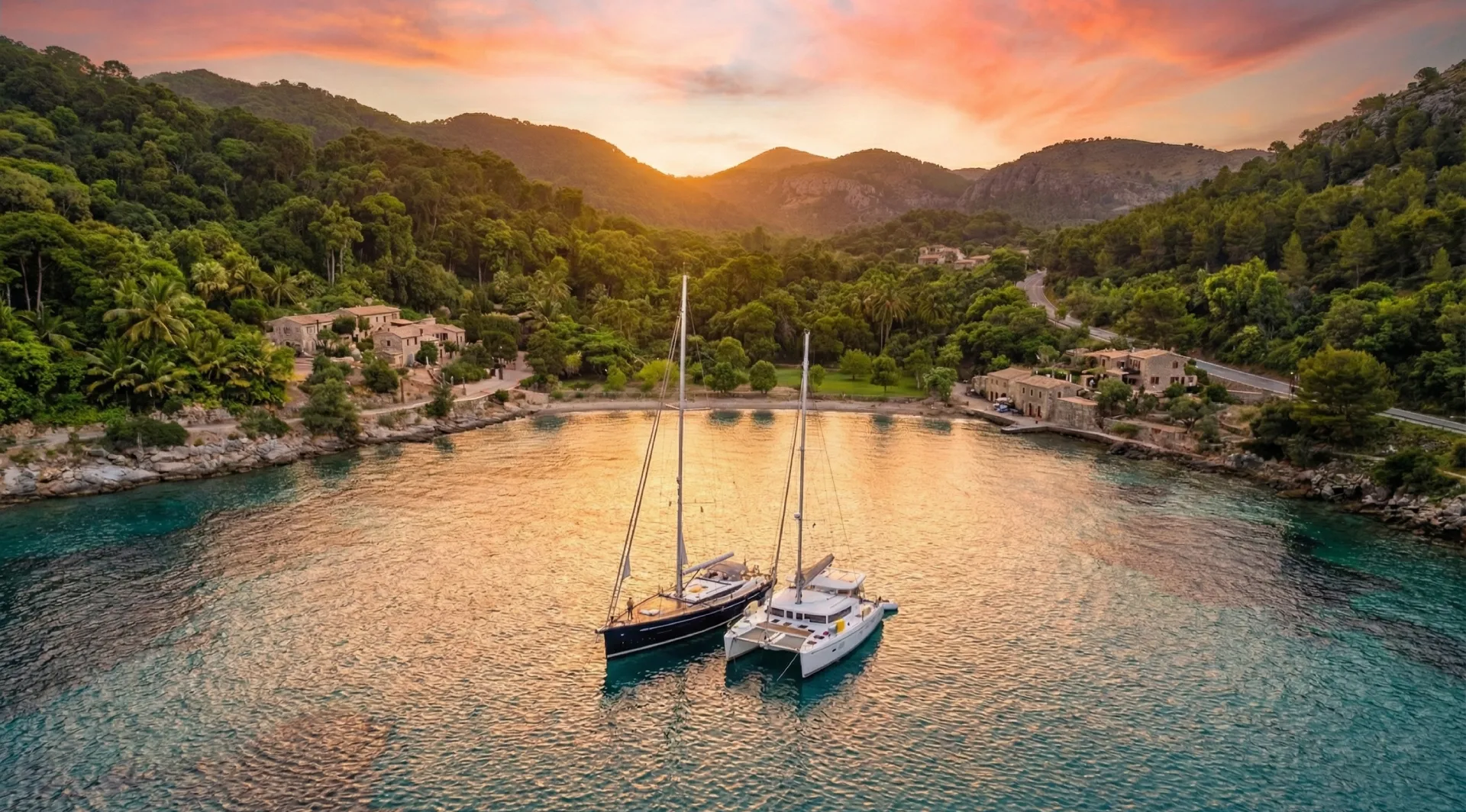
Sailing in Ko Chang: routes, winds and anchorages in Thailand's far east
Ko Chang and its out-islands offer a quieter, greener alternative to Thailand's headline sailing grounds. Expect jungle-clad peaks, coral-fringed islets and a compact cruising circuit that rewards careful pilotage and relaxed passages. Conditions are dictated by the monsoons: December to March brings settled north-easterlies and clear water, while May to October favours the archipelago's east-facing bays under the south-west monsoon.
There are no big marinas here; instead, you'll find well-protected bays, park moorings and characterful fishing piers at Bang Bao, Salak Phet, Koh Mak and Koh Kood. The distances are short, navigation is mostly line-of-sight, and there's a satisfying variety of overnight stops - from the reefy snorkel sites around Koh Rang to the mangrove-backed havens of Salak Kok.
If you value unhurried passages, warm seas and night skies undimmed by city glow, Ko Chang will suit you. Bring good eyes on the bow for coral heads, plan conservatively around squalls, and you'll be rewarded with some of Thailand's most unspoilt cruising.
Quick links
- Why Sail in Ko Chang?
- Itineraries
- When to go
- Wind and weather
- Getting there
- Chartering
- Licences and formalities
- Anchorages and marinas
- FAQs
Why Sail in Ko Chang?
Ko Chang's draw is its balance of adventure and accessibility. The islands sit within a compact cruising ground where each leg is typically 5-25 nautical miles, yet the scenery changes markedly day to day - from the high, cloud-catching ridge of Ko Chang itself to the low, sandy profiles of Koh Mak and the forested plateaus of Koh Kood. This makes the area well-suited to mixed-experience crews who want easy navigation without sacrificing a feeling of exploration.
The seasonal pattern is intuitive: when the north-easterlies blow, west- and south-facing anchorages shine; when the south-westerlies arrive, the east coasts come into their own. This natural 'two-sided' cruising ground means you can usually find a comfortable lee somewhere in the archipelago. Water clarity peaks in the dry season, especially around Koh Rang's marine park moorings, where snorkelling is superb on settled days.
On shore, life is practical and low-key rather than glam. There are working fishing villages, wooden piers, and a spread of simple resorts where you can land for a meal or top up supplies. With minimal light pollution and little commercial traffic after dusk, nights at anchor can be remarkably calm - provided you choose your bay to suit the wind direction and keep a sensible anchor watch routine.
Ko Chang Itineraries
Below are two tried-and-tested itineraries that showcase Ko Chang's variety. They are planned for daylight, line-of-sight passages with time ashore and plenty of swim stops. Adjust the anchorages to suit the active monsoon and your crew's pace, and always enter reef-fringed bays in good light with a bow lookout.
7-day Ko Chang Archipelago Loop
A 7-day route. Adjust legs to forecast, moorings and crew preferences.
A classic week that links Bang Bao with Koh Wai, Koh Mak, Koh Rang and Koh Kood before returning via Ko Chang's sheltered south-east. Best in the NE monsoon for calm west-coast nights, though it can be adapted in the SW season by favouring east-facing bays. Distances are short, so you can linger for snorkelling and shore walks.
Day 1: Bang Bao (Ko Chang) to Koh Wai
Ease into the week with a short hop past Ko Chang's south-west corner. Arrive early to pick a sandy patch in the lee of Koh Wai's north bays; snorkel the fringing reef in settled conditions. Keep your approach slow with the sun overhead to read the coral line clearly.
Day 2: Koh Wai to Koh Mak (Ao Suan Yai) via Koh Rayang
A gentle reach to Koh Mak. Pause at Koh Rayang Nok for a swim, then continue to Ao Suan Yai's broad anchorage off the long beach and jetty. Mind the reef shelves around the islets and leave room for local boats using the pier.
Day 3: Koh Mak to Koh Rang National Park moorings
Short passage to the clear-water moorings around Koh Rang. Pick up a park buoy in settled weather and enjoy snorkelling; avoid anchoring on coral and heed park rangers' guidance. Expect fees to be collected afloat and modest wrap-around swell in fresh winds.
Day 4: Koh Rang to Koh Kood (Klong Chao/Ao Tapao)
Reach or run towards Koh Kood's west coast. Anchor off Klong Chao or Ao Tapao in settled NE conditions for beach landings and waterfall walks ashore. If a low swell sets in, lay out generous scope and choose the most enclosed corner of the bay.
Day 5: Explore east Koh Kood (Ao Salad/Ao Yai), then Koh Mak (Ao Nid)
Round Koh Kood's south in fair weather to the sheltered fishing harbours of Ao Yai or Ao Salad. Later, shape course back to Koh Mak for a quiet night off Ao Nid's pier. Enter the harbours at moderate speed, watching for fish traps and small-boat traffic.
Day 6: Koh Mak to Salak Phet Bay or Koh Ngam
Sail back towards Ko Chang's south-east. In the SW monsoon, Salak Phet's deep, enclosed bay offers excellent protection; in the NE monsoon, the lagoon-like notch at Koh Ngam can be idyllic in settled weather. Space is limited at Koh Ngam; arrive early and keep clear of shallows on the sill.
Day 7: Salak Phet/Ao Salak Kok to Bang Bao via Koh Lao Ya
Thread the mangrove channels of Ao Salak Kok at high water, then enjoy a final lunch stop at the Lao Ya islands before returning to Bang Bao for handover. Allow extra time for headwinds and photo stops - it's a picturesque final leg.
5-day Highlights: Rang, Mak and Kood
A 5-day route. Adjust legs to forecast, moorings and crew preferences.
A punchy long-weekend loop focused on the clearest water and best beaches. Works well in the NE monsoon; in the SW season, swap west-coast stops for the more protected east-side anchorages to keep nights comfortable.
Day 1: Bang Bao to Koh Rang
A first-day sail to crystal-clear park waters. Pick up a mooring and snorkel the reefs in settled weather. Secure the dinghy to a designated tie-off and avoid standing on coral.
Day 2: Koh Rang to Koh Mak
Short reach to Koh Mak. Depending on wind, choose Ao Suan Yai (NW) in NE monsoon or Ao Kao (SW) in SW monsoon. Both offer easy shore access and sandy holding; allow for afternoon sea-breeze gusts.
Day 3: Koh Mak to Koh Kood (Klong Chao)
A longer leg to Koh Kood's west coast beaches. Good swimming and sunset from the hook. Approach with the sun high to spot coral patches and position in clean sand.
Day 4: Koh Kood to Salak Phet via Koh Wai
Work back via Koh Wai for lunch, then tuck into the sheltered arms of Salak Phet for a calm night. Expect fish farms and stakes - follow the obvious channels in good light.
Day 5: Salak Phet to Bang Bao via Koh Lao Ya
A final coastal sail with a swim stop at the Lao Ya sandbar before returning to base. Time your arrival at Bang Bao to avoid peak tour-boat movements around the pier.
When to go
Season at a glance
The best time to sail Ko Chang is during the north-east monsoon from December to March. Expect predominantly NE-E winds, lower humidity, reduced rainfall and the clearest water of the year. November and April are shoulder months: November can still see residual showers; April is hot and often lighter, with afternoon sea breezes filling in.
From May to October, the south-west monsoon brings more frequent rain bands and a livelier sea state on west-facing coasts. Cruising remains feasible with prudent routing, favouring the east sides of Ko Chang, Koh Mak and Koh Kood for shelter. The wettest, windiest weeks are typically August-September.
Sea state and visibility
In the dry season, seas are generally slight to moderate within the archipelago, with excellent snorkelling around Koh Rang and the fringing reefs of Koh Mak and Koh Kood. In the wet season, swell can wrap into west-facing bays; select more enclosed anchorages and allow for squalls. Sea temperatures are comfortably warm year-round, often around the high twenties Celsius, which supports long swims and easy in-water hull checks.
Tides and currents
Tidal range is modest (roughly 0.5-1.5 m on neaps and 1.5-2.5 m on springs). Expect localised tidal streams and wind-driven set around headlands and between islands, particularly near Koh Rang and the channels around Salak Phet. Time mangrove channel transits for mid-to-high water. A simple tide app and visual transits are usually sufficient for planning within the islands.
Wind and weather
Monsoon pattern
- North-east monsoon (Nov/Dec-Mar): NE-E 8-20 knots are common, with stronger pulses during frontal surges. Conditions are typically dry and settled; katabatic night breezes can drain off Ko Chang's high ridge, so allow for veering gusts near steep terrain.
- South-west monsoon (May-Oct): SW-W 10-20+ knots, humid and showery. Squall lines can briefly push 25-35 knots; they are often fast-moving and preceded by a dark shelf cloud. Plan conservative sail plans and reef early.
Even in the dry season, brief showers can pass with localised gusts. Keep canvas conservative and sail within easy reach of your next bolt-hole, especially when the horizon looks active.
Diurnal effects
Sea breezes reinforce the gradient most afternoons, particularly in the dry season. Mornings are often calmer, ideal for short inter-island hops and reef-spotting. Use the quieter early hours for eyeball navigation into tighter bays.
Thunderstorms and visibility
Convective activity peaks late afternoon and overnight in the wet season, with rapid changes in visibility. Radar or a reliable nowcasting app is valuable; otherwise, monitor the horizon and reduce sail in good time. Lightning is infrequent but possible; unplug sensitive electronics if a storm is imminent.
Practical notes
Night passages are discouraged due to unlit fishing gear and FADs. Keep a sharp lookout for bamboo fish traps, low stakes and small-boat traffic, especially off the east coast villages and within Salak Phet. Carry a polarised look-out on the bow when entering reef-fringed bays in sunlit conditions.
Getting there
Gateways
Most crews route via Bangkok (Suvarnabhumi or Don Mueang). From there, connect to Trat Airport (TDX) by domestic flight, then transfer by road to the ferry piers (Ao Thammachat or Centrepoint) for Ko Chang. The ferry crossing takes roughly 30-45 minutes. Charter bases and meeting points are typically at Bang Bao (south-west Ko Chang) or within Salak Phet (south-east).
Allow roughly 45-60 minutes by road from Trat Airport to the ferry, 30-45 minutes on the ferry, and a further 45-90 minutes to reach bases at the south of the island, depending on traffic and weather.
Alternatives
Overland buses and private transfers from Bangkok to Trat/Laem Ngop are frequent and cost-effective. High-speed boats connect Ko Chang with Koh Mak and Koh Kood for crew changes. International travellers coming from Cambodia can cross at Hat Lek/Koh Kong and continue by road to Trat, but verify visa requirements.
Provisions and spares
Larger supermarkets are on Ko Chang's west coast (White Sand, Klong Prao, Kai Bae). Bang Bao and Salak Phet have smaller minimarkets, fresh fish, water by jerry can and limited fuel. Specialist yacht spares are scarce; bring critical consumables and verify with your operator what is available locally. If you rely on specific gas canister types, confirm compatibility in advance or pack adaptors.
Chartering
Charter scene in brief
Ko Chang has a small but growing charter offering compared with Phuket or Samui. Expect a bias towards catamarans (38-50 ft) with a mix of bareboat and skippered options, plus crewed dayboats for snorkelling trips. Bases and pick-ups are commonly arranged at Bang Bao or Salak Phet, with moorings or alongside at wooden piers.
What to expect at handover
Check-ins are typically in the late morning or early afternoon, with a detailed briefing on local hazards (reefs, fish traps, park moorings) and a daylight-arrival policy for all anchorages. Fuel and water are usually topped up before boarding; additional fuel may be supplied in drums. Outboard and dinghy are standard; paddleboards and snorkel sets may be optional.
Provisioning and support
Operators can pre-provision on request. On-the-water support is via mobile and VHF; coverage is good around Ko Chang, Koh Mak and the west of Koh Kood, with weaker spots in deep bays and mangrove channels. Minor mechanical assistance is available, but complex repairs often require a return to base or transfer to facilities on the mainland.
Cruising limits
Charter companies generally define a cruising area within Trat waters (Ko Chang to Koh Kood). Cross-border passages to Cambodia are not permitted on standard charters. Night sailing is typically prohibited. Peak demand coincides with December-March; book early for those months and plan itineraries conservatively over festive periods when piers are busier.
Licences and formalities
Skipper qualifications
Thailand does not impose a universal national leisure-skipper licence for bareboat charterers on Thai-flagged vessels. However, reputable operators in Ko Chang will require evidence of competence such as an ICC, RYA Day Skipper (Practical) or ASA 104 (or higher), plus a logbook demonstrating recent, relevant experience. For larger multihulls, prior catamaran handling is expected.
Radio and crew documentation
A VHF/SRC certificate is advisable and sometimes requested. Bring passports for all crew; the charter company will prepare a crew list. Keep digital copies of certificates and travel insurance.
Local regulations
- No anchoring on coral; use sand patches or designated park moorings where provided.
- Observe Mu Ko Chang National Park regulations, including waste management and fishing restrictions.
- Drones and spearfishing are regulated; check current rules before use.
- Remain within the agreed cruising area and respect the no-night-sailing policy.
National Park rules are actively enforced, especially around Koh Rang. Be ready to show tickets/receipts to rangers, separate waste on board and avoid any discharge in protected zones.
National Park fees
Fees are collected for entry to Mu Ko Chang National Park and for certain moorings (especially around Koh Rang). Your operator can advise current rates and whether they are prepaid or paid to rangers afloat.
Insurance and deposits
A refundable security deposit is standard. Third-party and hull insurance are carried by the owner; verify excesses, groundings policy and coverage limitations for park areas and uncharted hazards.
Anchorages and marinas
Overview
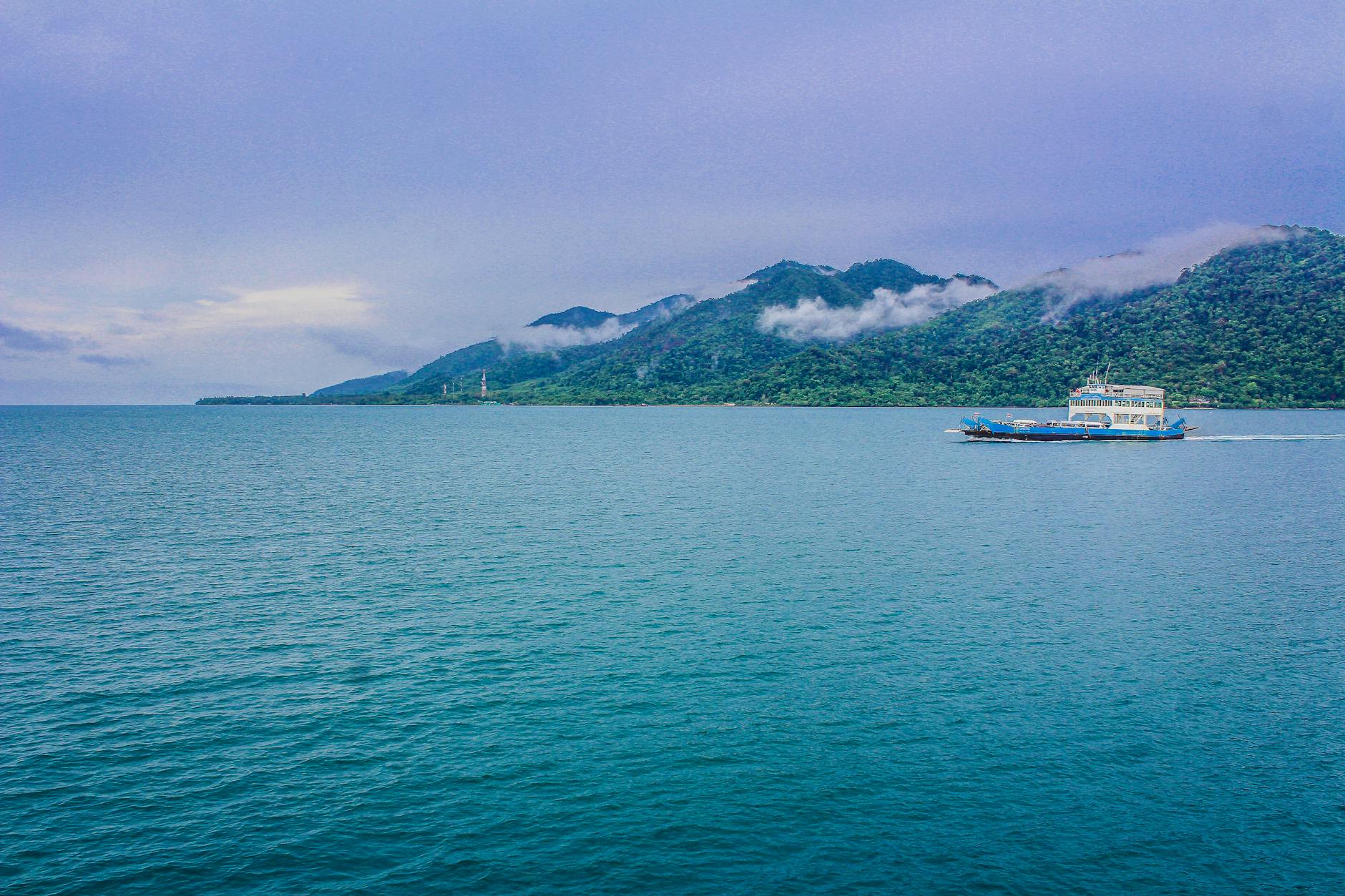
There are no full-service marinas within the Ko Chang archipelago. Yachts anchor in sand, pick up moorings in the marine park, or go alongside at wooden piers by prior arrangement. Fuel and water are available in limited quantities at Bang Bao and Salak Phet; technical support is basic.
Ko Chang - west coast (NE monsoon-favoured)
White Sand, Klong Prao and Kai Bae offer fair-weather roadsteads in the dry season, open to the west but usually calm under NE-E winds. Depths shelve gently over sand with fringing coral off headlands; stand off in swell. Bang Bao Bay, at the south-west tip, is a popular staging post with shops, eateries and tour boats - anchor clear of the main pier approach and mooring fields.
Ko Chang - south and east (SW monsoon-favoured)
Salak Phet is the main all-weather harbour: a spacious, deep bay with several arms offering good holding in mud/sand. Expect fish farms and stakes - enter in good light and follow obvious channels. Ao Salak Kok, to the north, is a serene mangrove anchorage suited to high-water entry; mind shallows and local traffic. Koh Ngam's twin-lagoon notch provides an exquisite, but space-limited, fair-weather stop.
Koh Wai
Multiple sandy coves on the north side give pleasant stops with easy snorkelling. Reefs fringe close to the beach; come in with the sun overhead and buoy a stern line if necessary to control swing in tight spaces.
Koh Mak
Ao Suan Yai (north-west) is broad, sandy and convenient in the NE monsoon. Ao Kao (south-west) is attractive but exposed to swell under SW winds. Ao Nid (east) offers lee in the wet season with pier access and good holding.
Koh Rang National Park
The clearest water in the area, with park-installed moorings around Koh Rang and neighbouring islets. Overnighting is feasible in settled weather; in fresh conditions there can be wrap-around swell. Do not anchor on coral.
Koh Kood
West-coast bays such as Klong Chao and Ao Tapao are delightful in the NE monsoon with clean sand and easy landings. For stronger SW conditions, the fishing harbours of Ao Salad and Ao Yai on the east and south-east offer excellent protection and local colour; depths increase quickly off the piers and holding is good in mud/sand.
Facilities and repairs
- Fuel: drums/jerry cans at Bang Bao and Salak Phet; limited availability on Koh Mak and Koh Kood piers.
- Water: jerry-can top-ups at main piers; plan water management.
- Repairs: basic engine/electrical help may be sourced locally. Haul-out and full-service yards are on the mainland near Pattaya/Rayong; plan preventative maintenance and carry spares.
Self-sufficiency pays off here. Carry spares for belts, impellers, filters and outboard parts, and conserve water by rinsing in seawater before a quick fresh-water wash. If in doubt about fuel quality from drums, use a filter funnel.
FAQs
.faq-accordion details{border:1px #cccccc solid;border-radius:4px;margin:8px 0;}.faq-accordion summary{padding:10px 15px;cursor:pointer;display:flex;align-items:center;gap:8px;list-style:none;}.faq-accordion summary::-webkit-details-marker{display:none;}.faq-accordion summary::before{content:'▸';color:#12305c;font-weight:700;display:inline-block;transform:rotate(0deg);transition:transform .2s ease;}.faq-accordion details[open] summary::before{transform:rotate(90deg);}.faq-accordion p{padding:10px 15px;margin:0;}
Is Ko Chang suitable for first-time bareboat skippers in Thailand?
Yes, if you already hold an ICC/RYA Day Skipper (or equivalent) and are comfortable with reef navigation. Passages are short and mostly line-of-sight, but you must identify sand patches, avoid coral and manage squalls. Otherwise, consider a skippered charter.
Can I sail year-round?
Yes, but the character changes. December-March is dry, settled and clear; May-October is wetter and windier with the best shelter on east-facing coasts. August-September can be boisterous. Choose anchorages to suit the monsoon.
Are there marinas on Ko Chang?
No. Expect anchoring, park moorings and simple piers. Full-service marinas are on the mainland near Pattaya; plan fuel, water and spares accordingly.
Is night sailing allowed?
Most operators prohibit it due to unlit fishing gear, stakes and fish farms. Plan passages for daylight arrivals with the sun high for eyeball navigation.
What are the main hazards?
Fringing coral reefs, unlit fish traps and FADs, squalls in the wet season, and shallow mangrove channels at low water. Enter new anchorages in good light with a bow lookout.
Can I visit Cambodia from Ko Chang on a charter?
Not on standard bareboat or skippered charters. Cross-border cruising requires formal clearance and is outside most operators' permitted area.
Are moorings available?
Yes, especially in Koh Rang National Park. Elsewhere you'll mainly anchor in sand. Always avoid coral and heed any local signage or ranger instructions.
How is mobile coverage and weather information?
Mobile data is generally reliable around Ko Chang, Koh Mak and much of Koh Kood, with occasional weak spots. Use Thai Meteorological Department bulletins and reputable apps for forecasts and squall nowcasting.
References
- https://www.cruiserswiki.org/wiki/Ko_Chang
- https://www.tmd.go.th/en/marine_forecast
- https://www.thainationalparks.com/mu-ko-chang-national-park
- https://www.tourismthailand.org/Articles/Koh-Chang-Travel-Guide
- https://www.noonsite.com/country/thailand/
- https://www.bangkokair.com/route/bangkok-trat
- https://www.cruiserswiki.org/wiki/Thailand
Charter a Yacht
Compare crewed & bareboat charters, learn the best months to sail, and get a custom shortlist from 500+ providers.