Sailing in Thailand: routes, monsoon seasons, winds and practicalities
For boats, weekly rates and a shortlist, see our Thailand yacht charter page.
Choosing a start harbour? See the Thailand charter bases guide for Saturday logistics and which marina fits your week.
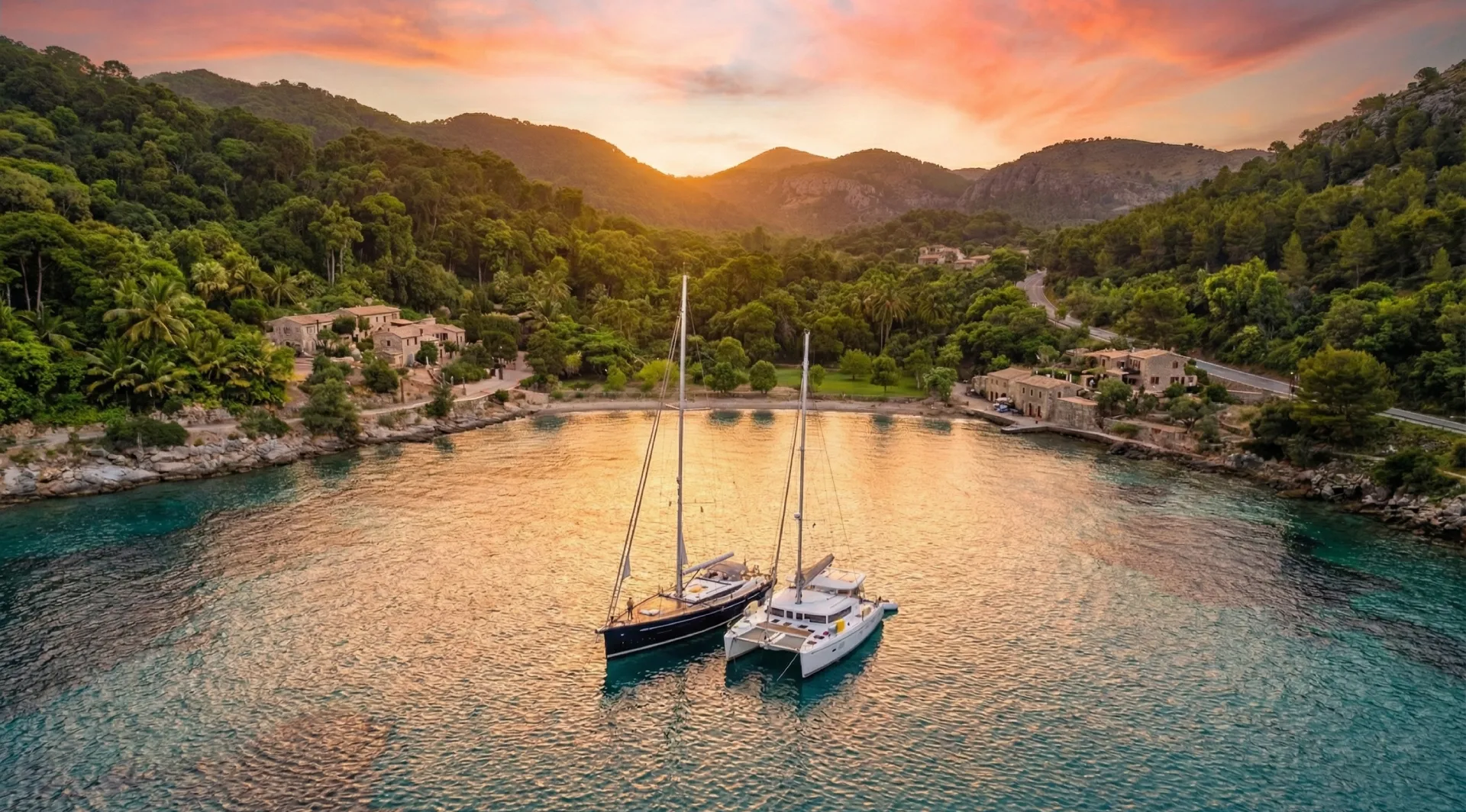
Thailand rewards sailors with dramatic limestone karsts, warm seas and a patchwork of island groups that feel made for passage planning. The Andaman Sea around Phuket offers protected cruising in Phang Nga Bay and open-water hops to Krabi, Phi Phi and the Similan and Surin archipelagos. On the Gulf of Thailand side, Koh Samui, Ang Thong, Koh Phangan and Koh Tao provide a distinct season, a different wind pattern and a relaxed, palm-fringed aesthetic.
Most visitors plan their voyage around the two monsoons. In short, the Andaman coast is best from November to April (northeast monsoon), while the Gulf has attractive windows from February to September. Marinas, repair yards and charter bases are concentrated around Phuket and Pattaya, with simpler, mooring-based operations at Samui and Koh Chang. With simple formalities, clear water, marine parks and a strong charter scene, Thailand is an approachable and memorable place to sail.
Quick links
- Why Sail in Thailand?
- Itineraries
- When to Go
- Wind and Weather
- Getting There
- Chartering
- Licences and Formalities
- Anchorages and Marinas
- FAQs
- References
Why Sail in Thailand?
Thailand's coasts are complementary. The Andaman Sea is a world-class cruising ground where short legs thread through karst spires, mangrove channels and turquoise lagoons, yet you can lengthen your stride to reach the Similan and Surin Islands for some of Asia's finest snorkelling and diving. Anchorages range from perfectly sheltered nooks in Phang Nga to open, sandy bays on Koh Lanta and the Racha Islands.
Across the peninsula, the Gulf of Thailand trades soaring cliffs for low, coconut-studded silhouettes. Koh Samui offers access to Ang Thong Marine Park's amphitheatres and emerald lakes, while Koh Tao's bays provide clear-water swims and laid-back evenings. Sailors can pick a coast to suit the season and still find warm seas, approachable passages and ample shore-side comforts.
Infrastructure is reassuring. Phuket hosts several full-service marinas, chandleries and yards alongside an efficient one-stop clearance at Chalong. In the Gulf, Ocean Marina (Pattaya) supports coastal and delivery cruising, while Samui and Koh Chang offer reliable moorings, fuel from shore and straightforward provisioning. It is an inviting setting for a first Asian cruise and engaging enough for repeat visits.
Nature is centre stage. National parks protect coral reefs and wildlife; moorings are widespread and water is warm year-round. Plan with the monsoon in mind, respect park rules and you will find Thailand both simple to operate in and rich in variety.
Thailand Itineraries
Below are two compact, week-long routes showcasing the best of each coast in its preferred season. Use them as frameworks: adjust for wind, tide and park rules, and take extra time for swims, hikes and shore evenings when conditions allow.
Andaman Coast Classic: Phuket-Phang Nga-Krabi-Phi Phi (7 days)
A 7-day route. Adjust legs to forecast, moorings and crew preferences.
This relaxed circuit takes in mirror-flat karst scenery, Krabi's cliffs, the bustle of Phi Phi and the clear-water anchorages of the Racha Islands before looping back through the lee of Koh Yao. Plan your days around the tide inside Phang Nga, arrive early to popular bays, and use park moorings where provided.
Day 1: Ao Po Grand Marina to Koh Phanak and Koh Hong (Phang Nga)
Cast off from Ao Po and enter Phang Nga Bay. Work the tides through the channels and explore caves and hongs by dinghy at Koh Phanak before a short hop to Koh Hong's sandy lagoon anchorage. Expect flat water and spectacular karsts. Arrive on a rising tide for easier access to shallow inlets and keep an eye on katabatic gusts near the cliffs at dusk.
Day 2: Koh Hong to Railay (Krabi)
Sail along Krabi's coast to Railay. Anchor off the west beach for sunset cliffs and shore facilities. Good holding in sand; exposed to strong afternoon sea breezes funnelling around headlands. If swell wraps in, shift a little north or south to reduce roll and land the dinghy well clear of swimmers.
Day 3: Railay to Phi Phi Don
A straightforward 25 NM passage to Phi Phi. Arrive early for space and pick sand patches clear of coral. Expect traffic from ferries and longtails; keep anchor lights prominent overnight. Away from the main pier, calmer corners can be found with a little patience and a bow watch.
Day 4: Phi Phi Leh (day stop) to Koh Racha Yai
Make a morning stop at Pileh Lagoon for swimming and photographs (no anchoring in protected areas; use day moorings when available). Then reach south to Koh Racha Yai for clear-water snorkelling and a quiet night in Siam Bay. Depths shelve quickly here - set ample scope and consider a stern line if you want to hold off the reef.
Day 5: Koh Racha Yai to Nai Harn or Cape Panwa
Short reach back towards Phuket. Choose Nai Harn for a broad sandy anchorage and beach restaurants, or tuck behind Cape Panwa for calmer conditions if there is a southerly swell. Both offer easy shore access; Nai Harn can be lively at weekends, while Panwa is a restful alternative.
Day 6: Phuket east coast to Koh Yao Yai / Koh Kudu
Transit inside the islands to the lee of Koh Yao Yai. Continue to the small, well-sheltered bights around Koh Kudu for a last night among karsts. Watch for shallow patches and fish traps; the mangrove-lined channels reward slow, attentive helming.
Day 7: Return to Ao Po via Phang Nga channels
Time your return for favourable tide. Keep a sharp lookout for unlit fishing gear and fast-moving longtails. Refuel and berth back at Ao Po Grand Marina. Allow extra time for check-in and any fuel dock queues at weekend changeovers.
Gulf Highlights: Samui-Phangan-Tao-Ang Thong (7 days)
A 7-day route. Adjust legs to forecast, moorings and crew preferences.
An easy-going Gulf loop focused on mooring-based cruising, clear-water swims and park scenery. Expect mostly short hops with plentiful daylight stops. Use designated moorings around Koh Tao and within Ang Thong, and keep an eye on local forecasts during the NE monsoon.
Day 1: Bo Phut (Samui) to Thong Nai Pan (Phangan)
Join the boat on a mooring off Bo Phut's Fisherman's Village, then reach north to Thong Nai Pan's twin bays. Good sand holding and clear water. The twin crescents offer options for breeze angle; if swell sneaks in, shift across the bay for a calmer night.
Day 2: Thong Nai Pan to Koh Tao (Mae Haad)
A pleasant 35 NM day. Arrive to pick up a mooring off Mae Haad. Snorkel from the stern and go ashore for supplies. Evening brings a gentle shore buzz; if it's lively, move to a quieter mooring at sunset.
Day 3: Koh Tao day-hops
Spend a day moving between bays on day moorings. Visit Koh Nang Yuan in the morning, then shift to Aow Leuk for afternoon shelter. Avoid coral by using moorings where available. Light airs are common midday - perfect for swims, kayaks and an easy lunch stop.
Day 4: Koh Tao to Ang Thong Marine Park (Koh Wua Talap)
Reach southwest to Ang Thong. Pick up a mooring near Koh Wua Talap for the classic viewpoint hike and calm waters. Park fees apply; overnighting is often restricted to designated moorings. Plan hikes early or late to avoid the heat and bring plenty of water.
Day 5: Explore Ang Thong; overnight near Koh Phaluai
Short inter-island hops to Emerald Lake at Koh Mae Koh before a quiet anchorage off Koh Phaluai's south bays. Expect excellent shelter in settled conditions. The southern coves offer sandy patches and good holding; evenings are serene with wide-open skies.
Day 6: Koh Phaluai to Taling Ngam (Samui)
A relaxed return towards Samui's southwest. Anchor off Taling Ngam in sand, with views back to Ang Thong's skyline. Ashore, a few resorts and small restaurants make for a mellow night.
Day 7: Taling Ngam to Bo Phut
Complete the circuit along Samui's north coast. Return the yacht to her mooring and disembark at Fisherman's Village. Allow time for fuel/water runs by service boat if required by your operator.
Sailing in Thailand: When to Go
Understanding the Two Coasts
Thailand's sailing calendar is defined by the northeast (dry) and southwest (wet) monsoons. The Andaman Sea (Phuket, Krabi, Phi Phi, Similan/Surin) is at its best from November to April under the northeast monsoon. The Gulf of Thailand (Samui/Phangan/Tao; Koh Chang/Mak/Kood; Pattaya) has its most settled windows from about February to September, with local variations. Choose the coast that best aligns with your dates to enjoy settled conditions and simpler anchoring choices.
Andaman Coast (Phuket and south)
- Peak season: November-April. Dry, sunny, and predominantly light to moderate NE-E winds. Seas are flat inside Phang Nga Bay; more open around Phi Phi and the Racha Islands.
- Shoulder: Late April-early May and late October. Transitional weather; lighter, more variable winds, occasional squalls.
- Off-peak: May-October. Southwest monsoon brings W-SW winds, heavier rain and ocean swell onto west-facing anchorages. Cruising continues, but choose lee shores and be flexible. Some marine parks (e.g., Similan and Surin) usually close mid-May to mid-October.
High season brings benign trades and clear visibility - ideal for first-time visitors. In the wet season the east sides of islands offer workable lees, but swell often makes west-facing beaches untenable for overnighting.
Gulf of Thailand
- Samui/Phangan/Tao: Best generally February-September. The NE monsoon (roughly November-January) can bring stronger NE winds and heavy showers; March-April are calmer but hot; July-September often have pleasant SE-SW breezes with intermittent rain.
- Koh Chang/Mak/Kood: Best November-April under the NE monsoon; May-October is wetter with SW winds and a livelier sea state.
Gulf seasons are slightly offset from the Andaman. Plan for moorings and short hops around Samui/Tao in settled months, and use the NE monsoon to explore the Koh Chang archipelago with plenty of daylight and fair winds.
Temperatures and Water
- Air temperatures sit around 28-33 °C year-round.
- Sea temperatures are typically 27-30 °C.
- UV levels are high; shade and water management are important on longer passages.
Hydrate, rotate deck duties and rig shade early each day. Warm water invites long swims - carry a lightweight stinger suit if jellyfish are reported locally.
Wind and Weather in Thailand
Thailand's monsoons are reliable enough to plan around yet variable enough to reward daily checks. Expect sea breezes to build after lunch, gusts near headlands and squalls in transitional periods.
Monsoon Patterns
- Northeast monsoon (Nov-Apr): Dominant on the Andaman side. Expect NE-E winds around 8-18 knots, with local sea breezes adding afternoon puffs. Inside Phang Nga Bay winds can be lighter and shifty due to topography. Skies are mostly clear, humidity lower, and rainfall minimal.
- Southwest monsoon (May-Oct): W-SW winds 12-22 knots are common, with squalls that can briefly exceed 25-30 knots. Ocean swell affects west-facing anchorages around Phuket and the Phi Phi group; lee shores on the east coasts of islands offer shelter. Rainfall increases, particularly in May-June and September-October.
Use the NE monsoon for easy beam reaches and broad anchor choices. In the SW monsoon, shorten hops, favour lees and be ready to reset the hook after squalls swing the wind.
Gulf Specifics
- Samui sector: NE monsoon (Nov-Jan) can deliver 15-25 knot NE winds with short, steep seas; conditions moderate from February. Through July-September expect 8-15 knot SE-SW breezes interspersed with showers. Tropical depressions are uncommon but possible, mainly October-December.
- Koh Chang sector: Most settled from November-April with 10-15 knot NE-E trades. The SW monsoon (May-Oct) brings variable 10-20 knot SW winds and more persistent rain.
Forecasts can vary by coast and even by bay. Check multiple sources daily and watch the water: whitecaps and cloud build-ups tell their own story.
Tides, Currents and Visibility
- Tides: Andaman springs often reach 2.5-3.5 m around Phuket; neaps are more modest. In the Gulf, ranges are generally 1-2 m, with localised larger ranges near estuaries.
- Currents: 0.5-2 knots offshore, stronger in channels and river bars (e.g., around Krabi). Plan narrow passes with tide.
- Visibility: Excellent in dry season; reduced under heavy squalls. Lightning is a feature of wet-season convection - monitor radar and avoid towering cumulonimbus.
Time your moves through confined channels for fair tide and enter coral-fringed bays in good light with a bow watch. If visibility drops, slow down, clear the deck and use radar or AIS if fitted.
Practical Notes
- Afternoon sea breezes can funnel and gust near headlands and karst cliffs; anchor with adequate scope in firm sand.
- Unlit fishing gear, FADs and local traffic make night sailing inadvisable except for well-travelled approaches.
As a rule of thumb, plan to be anchored by 16:00, set an anchor watch alarm and display lights early - especially in busier bays.
Getting There
Gateways to the Andaman Sea
- Phuket International Airport (HKT): Primary hub for Andaman cruising with short transfers to Ao Po Grand Marina, Yacht Haven, Royal Phuket Marina and Boat Lagoon.
- Krabi (KBV) and Trang (TST): Useful for Krabi/Trang anchorages; transfers are longer to major marinas.
Gateways to the Gulf of Thailand
- Bangkok Suvarnabhumi (BKK) and Don Mueang (DMK): International arrivals for Pattaya (Ocean Marina is about 1.5-2.5 hours by road).
- U-Tapao-Rayong-Pattaya (UTP): Close to Ocean Marina for east coast cruising.
- Koh Samui (USM): Direct access to Samui/Phangan/Tao charter moorings.
- Trat (TDX): Best for Koh Chang/Mak/Kood; short road-and-ferry transfers.
Transfers and Provisioning
- Private minivans are efficient for marina transfers and large provisioning runs. Phuket, Pattaya and Samui have modern supermarkets and chandleries.
- Outside hubs, assume limited yachting spares and plan fuel and water top-ups at marinas or arranged via service boats.
Share arrival details with your base ahead of time to arrange transfers and pre-provisioning. For Gulf mooring bases, confirm how fuel, water and gas will be delivered to your yacht.
Chartering in Thailand
Charter Hubs and Fleet
Phuket is Thailand's charter epicentre, with bases at Ao Po Grand Marina, Yacht Haven, Boat Lagoon and Royal Phuket Marina. Fleets are dominated by modern catamarans, with monohulls and crewed options widely available. In the Gulf, Samui and Koh Chang run mooring-based operations, while Ocean Marina (Pattaya) supports coastal cruising and deliveries.
Bareboat, Skippered and Crewed
- Bareboat: Widely available from Phuket; more limited but growing around Samui and Koh Chang. Pre-charter briefings cover monsoon planning, park rules and local hazards (fishing gear, moorings, squalls).
- Skippered/crewed: Common for first-time visitors or shoulder-season trips. Crews are familiar with park permits and mooring availability.
Seasons, Pricing and Booking
- High season on the Andaman side (Dec-Mar) commands peak rates and early booking. Shoulder months (Nov, Apr) offer value with benign weather.
- Wet-season discounts (May-Oct) can be substantial; choose itineraries with sheltered lees. In the Gulf, pricing peaks around local holidays and July-Aug windows.
Practicalities Afloat
- Fuel, water, gas: Readily available at Phuket marinas; arranged by launch in Samui and Koh Chang. Plan range carefully for Similan/Surin and outer Gulf islands.
- Park permits: Charter companies can arrange marine park entry for Similan/Surin, Phi Phi, Ang Thong and others. Expect per-person and per-vessel daily fees, checked by rangers.
- Equipment: Ensure a robust bimini, working windlass, ample ground tackle for sand, snorkel gear and a reliable dinghy/outboard. A working AIS receiver is helpful in areas of dense traffic.
- Night passages: Generally discouraged due to unlit hazards and fishing activity.
Clarify security deposits, damage waivers and outboard/fuel policies before arrival, and photograph inventory items at check-out to speed your return.
Licences and Formalities
Skipper Certifications for Charter
Thailand does not mandate a specific national leisure licence for visiting skippers, but reputable operators typically require an ICC (International Certificate of Competence) or an equivalent such as RYA Day Skipper Practical, ASA 104/106, plus evidence of recent skippering experience. A VHF/SRC certificate is strongly recommended and often requested. If your experience is borderline, book a local skipper for the first day or the whole charter.
Ports of Entry and Clearance
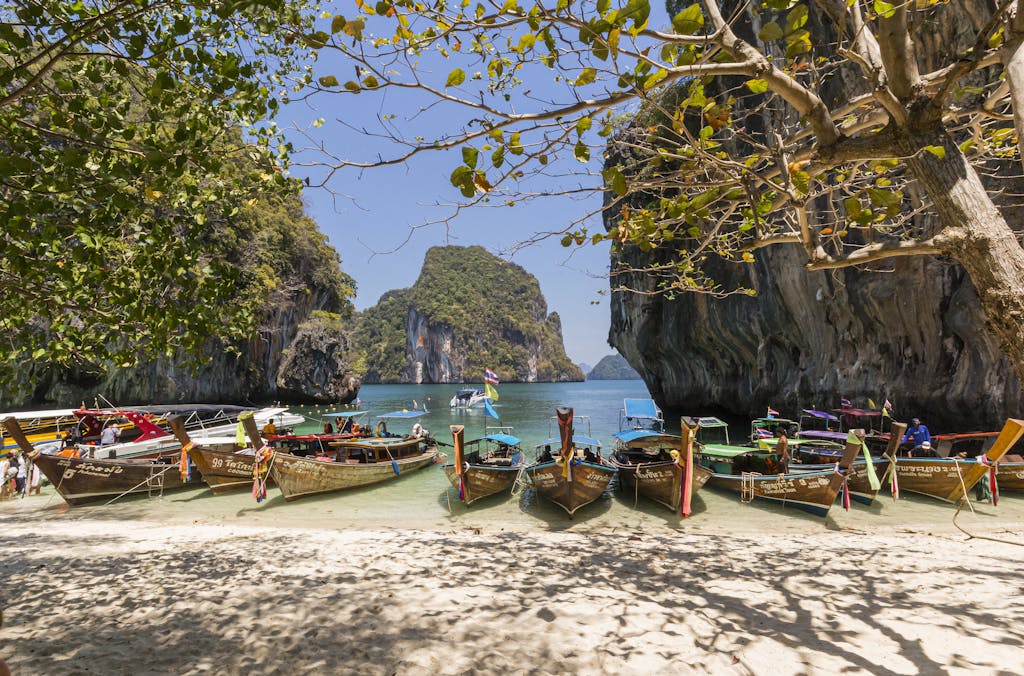
Primary ports of entry on the Andaman side include Phuket (Chalong Bay One-Stop Service), Krabi, Ranong and Satun. In the Gulf, Pattaya (Ocean Marina vicinity), Bangkok/Laem Chabang, Koh Samui and Koh Chang are typical. On first arrival, fly the Q flag and proceed to Immigration, Customs and the Marine Department. Keep originals of passports (6+ months validity), vessel registration, crew list, insurance and radio licence.
Visas and Stays
Many nationalities receive 30-45 days visa-exempt entry (check current rules). Longer stays require a tourist visa in advance or an in-country extension. Foreign yachts typically receive a Temporary Import Permit (TIP) for the vessel, commonly six months initially, extendable - ensure you understand your TIP conditions if storing or refitting in Thailand.
Domestic Cruising and Reporting
Once cleared in, domestic movement between Thai ports is straightforward. Some areas use electronic reporting systems or require brief notifications when moving province-to-province; your marina or agent will advise current practice. If cruising cross-border (e.g., Phuket-Langkawi), you must clear out of Thailand and into the next country - charter contracts may restrict international movements.
Marine Parks and Environmental Rules
National parks often require the use of moorings where provided and may restrict overnight anchoring in specific bays. Fees are levied per person per day and per vessel. Do not anchor on coral; use sand patches in daylight. Waste disposal and pump-out facilities are limited - plan to retain black water and minimise grey-water discharge in sensitive areas.
When in doubt, ask the rangers: they are helpful and will point you to suitable moorings and permitted overnight spots.
Thailand Anchorages and Marinas
Phuket and the Andaman Coast
- Ao Po Grand Marina (NE Phuket): 24/7 access in most tides, deepwater fuel, water and extensive charter operations. Ideal gateway to Phang Nga Bay.
- Yacht Haven Marina (N Phuket): All-tide access, large berths and haul-out. Convenient for long-term berthing; tidal streams in approaches.
- Royal Phuket Marina & Phuket Boat Lagoon (Koh Kaew): Adjacent, via a buoyed, tidal channel (time entry near HW). Full-service yards, chandleries and restaurants.
- Chalong Bay: Large anchorage with moorings; home to the One-Stop Service Centre for clearance. Can be rolly in southerlies.
- Krabi Boat Lagoon and Port Takola: Riverine access with good shelter and growing service options.
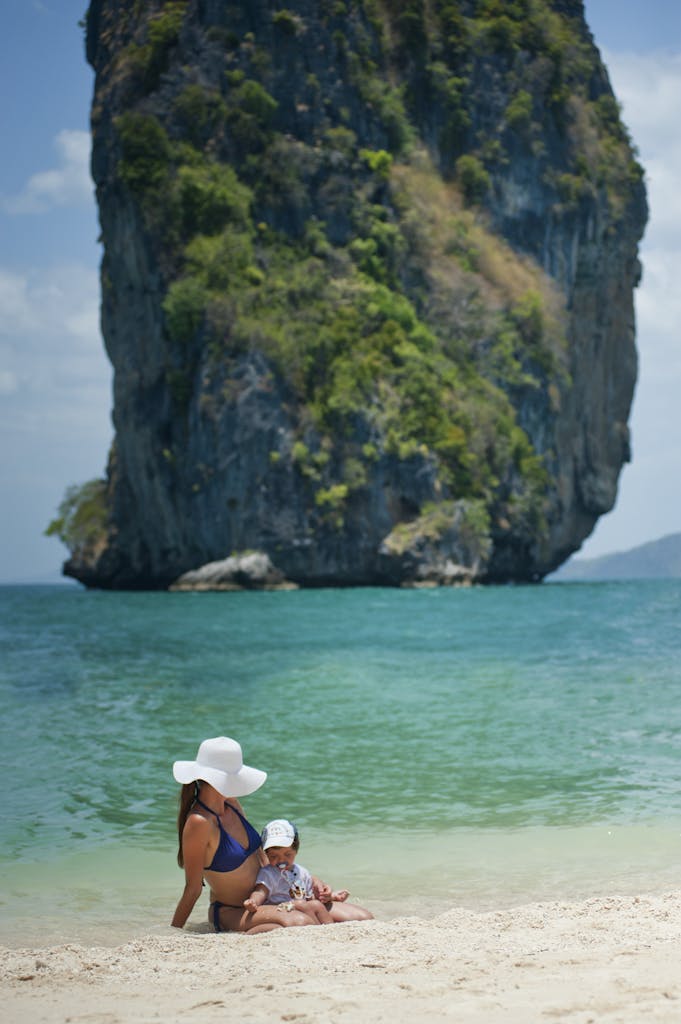
- Outer islands: Phi Phi, the Racha Islands, Koh Lanta and Trang islands have plentiful sand anchorages; exposure varies with monsoon. Similan and Surin provide park moorings in season (typically mid-Oct/Nov to mid-May) and superb snorkelling.
Gulf of Thailand
- Ocean Marina (Pattaya/Jomtien): Thailand's largest marina on the Gulf, with haul-out, fuel and services. Useful for coastal cruising and deliveries.
- Koh Samui: No full-service marina; reliable moorings at Bo Phut/Bangrak and other bays. Fuel and water are arranged by shore.
- Koh Chang: Small-scale marina and berths within the lagoon at Blue Haven (Siam Royal View), Klong Son. Elsewhere, anchorages at Bang Bao, Salak Phet and around Koh Mak/Koh Kood offer good sand holding.
Anchoring Tips
- Good sand holding is common, but coral heads fringe many bays - enter in daylight and post a bow watch.
- Longtail traffic creates wake near villages and popular beaches; set snubbers to reduce snatch loads.
- In wet season on the Andaman side, choose lees on the east coasts of islands to avoid swell.
Carry a snorkel to check your set, use a bridle on cats to reduce yaw, and avoid dropping chain over coral - rangers actively patrol and will ask you to re-anchor if you are on sensitive ground.
FAQs
.faq-accordion details{border:1px #cccccc solid;border-radius:4px;margin:8px 0;}.faq-accordion summary{padding:10px 15px;cursor:pointer;display:flex;align-items:center;gap:8px;list-style:none;}.faq-accordion summary::-webkit-details-marker{display:none;}.faq-accordion summary::before{content:'▸';color:#12305c;font-weight:700;display:inline-block;transform:rotate(0deg);transition:transform .2s ease;}.faq-accordion details[open] summary::before{transform:rotate(90deg);}.faq-accordion p{padding:10px 15px;margin:0;}
Which coast is best, and when?
Sail the Andaman (Phuket, Krabi, Phi Phi) from November to April under the northeast monsoon. Choose the Gulf (Samui/Phangan/Tao; Pattaya; Koh Chang/Mak/Kood) from roughly February to September, noting local variations.
Do I need a licence to charter in Thailand?
There is no single national leisure licence requirement for visiting skippers, but most operators ask for an ICC or equivalent (e.g., RYA Day Skipper, ASA 104/106) plus a VHF/SRC certificate and a sailing CV. Insufficient experience? Hire a skipper.
Are there marine park fees and anchoring restrictions?
Yes. Parks such as Similan, Surin, Phi Phi and Ang Thong levy per-person and per-vessel daily fees. Use park moorings where provided and avoid anchoring on coral. Some bays restrict overnighting.
Is night sailing advisable?
Generally no. Expect unlit fishing gear, FADs and small-boat traffic. Plan passages in daylight and display anchor lights early.
What about weather risks?
Squalls and short-lived strong gusts occur in both monsoons, more often in the wet season. Tropical storms are uncommon but possible, particularly in the Gulf late in the year. Monitor forecasts from the Thai Meteorological Department and use radar for convective cells if available.
How easy is provisioning and refuelling?
Very easy around Phuket, Pattaya and Samui, with supermarkets and marina fuel docks or fuel deliveries. In remote islands, plan ahead - there may be no fuel or water available.
Are jellyfish a concern?
They can be seasonal, particularly in parts of the Gulf. Wear stinger suits when advised locally, avoid swimming after heavy rain or in murky water, and carry vinegar in the first-aid kit.
References
- https://www.cruiserswiki.org/wiki/Thailand
- https://www.tmd.go.th/en
- https://www.tourismthailand.org/Articles/climate-of-thailand
- https://www.aopograndmarina.com
- https://www.yachthavenphuket.com
- https://www.oceanmarinayachtclub.com
- https://www.thainationalparks.com/ang-thong-national-marine-park
- https://www.thainationalparks.com/mu-ko-similan-national-park
- https://www.thainationalparks.com/hat-noppharat-thara-mu-ko-phi-phi-national-park
- https://www.hydro.navy.mi.th/en
Charter a Yacht
Compare crewed & bareboat charters, learn the best months to sail, and get a custom shortlist from 500+ providers.