Sailing in Madeira: routes, conditions and practicalities
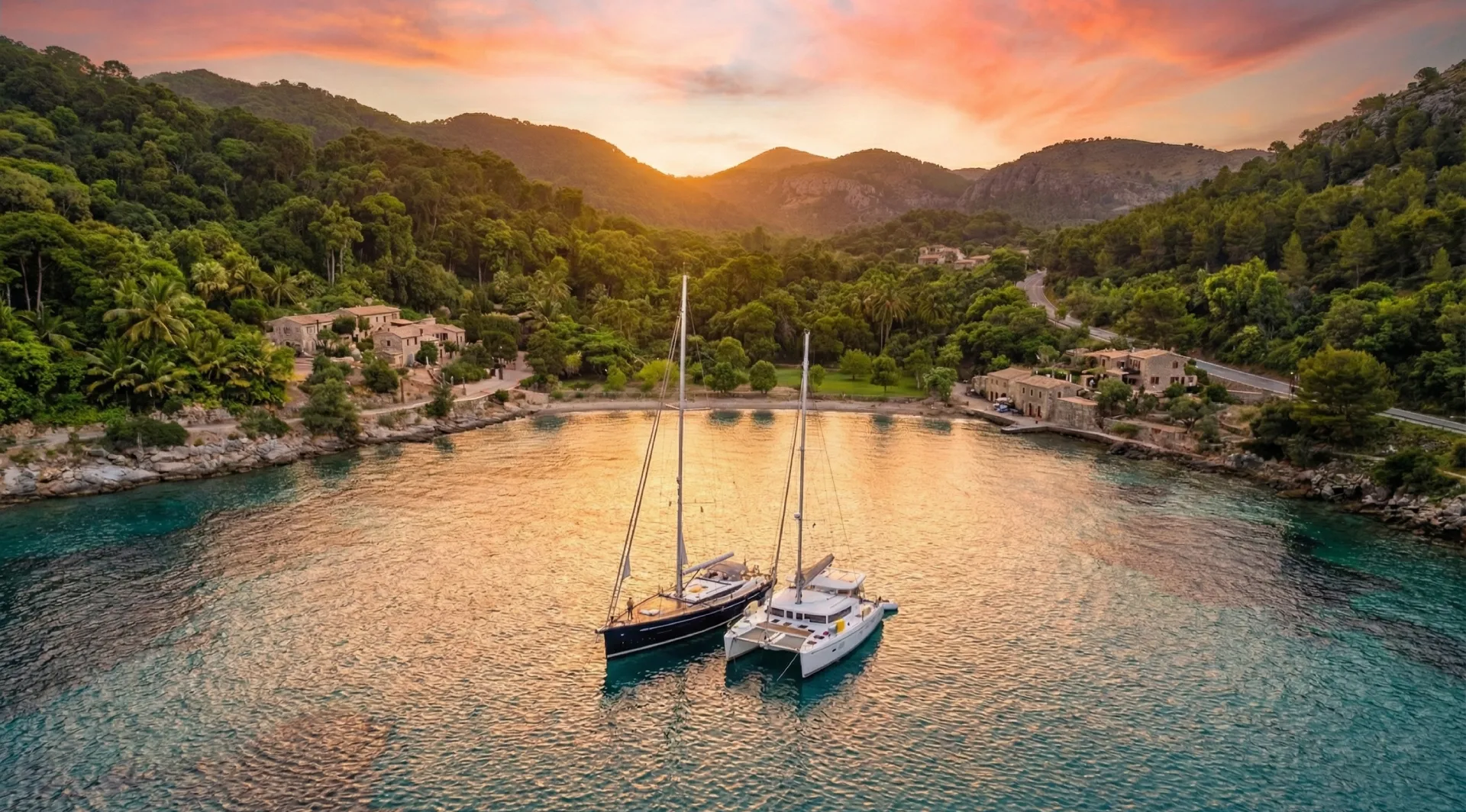
Madeira offers serious Atlantic sailing within a compact, approachable cruising ground. Expect reliable trade winds, bold volcanic scenery, and a handful of well-run marinas that turn the island's dramatic coastline into a rewarding, weather-savvy voyage. While anchorage options are limited, planning around wind acceleration zones and swell pays dividends with quiet bays, clear water, and wildlife encounters few European destinations can match.
Most visiting crews stitch together Madeira, the smaller island of Porto Santo, and (with permission) the Desertas Nature Reserve. Between them you'll find sheltered berths, straightforward passages of 20-45 nautical miles, and conditions that sharpen seamanship without demanding ocean-crossing experience. Fly into Funchal, cast off the same day, and be in open Atlantic within minutes - Madeira is that close to the action.
This guide explains the seasonal winds, microclimates, key harbours, and realistic itineraries. It also clarifies charter options and certifications, so you arrive with the right paperwork and a plan that respects local reserves and weather.
Quick links
- Why Sail in Madeira?
- Itineraries
- When to Go
- Wind and Weather
- Getting There
- Chartering
- Licences and Formalities
- Anchorages and Marinas
- FAQs
- References
Use these shortcuts to jump to key planning sections, or read from top to bottom for a complete picture of conditions and options.
Why Sail in Madeira?
Madeira sits on the edge of the Northeast Trades, so sailing here is purposeful rather than perfunctory: predictable winds most of the year, layered with island-induced microclimates that keep passages engaging. High cliffs carve wind shadows and gust zones; headlands accelerate the breeze; and the south coast often offers comfortable lees even when the trades are friskier offshore. It is a classroom in real-world wind strategy - without the logistics of a transoceanic leg.
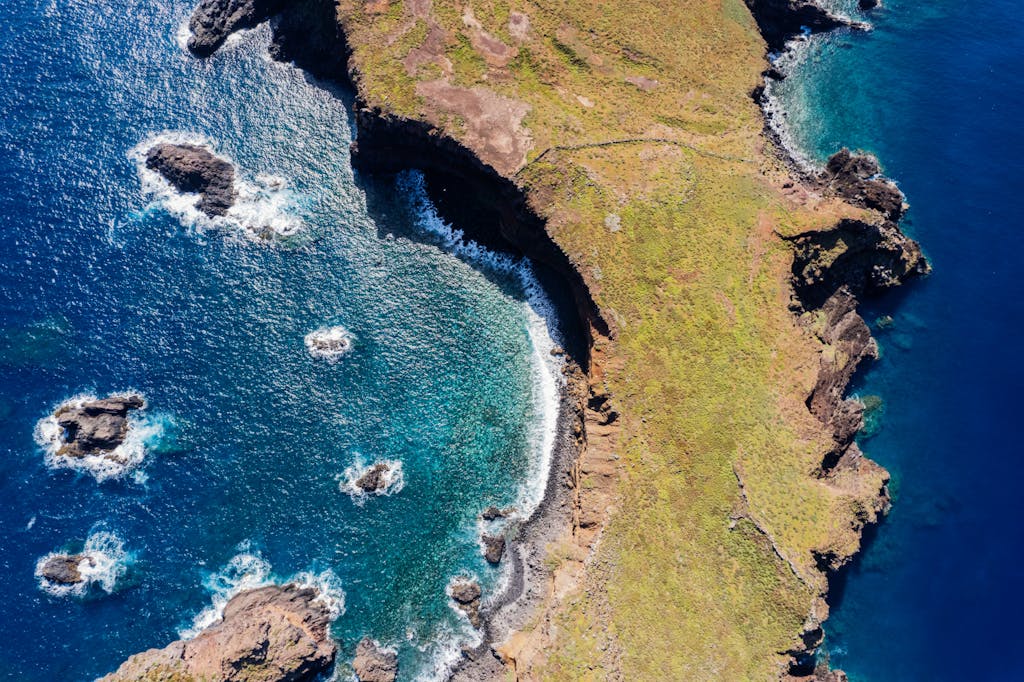
Geography is the star. Sheer basalt, laurisilva-clad slopes, and scarlet headlands fall straight into deep blue water. The sailing is largely line-of-sight yet unmistakably Atlantic. Swell, when present, is often long-period and manageable, and the best marinas are thoughtfully sited on the south and east for shelter. Porto Santo, a low, sandy contrast to mountainous Madeira, adds a gentle landfall and a golden beach daysail away.
Wildlife elevates the experience. Pilot whales and dolphins are common; turtles and seabirds patrol the channels; and the Desertas Islands - visited only with authorisation - offer a glimpse of a protected Atlantic reserve within easy reach in settled weather. Even provisioning and dining are a pleasure, with vineyards and markets close to the main marinas.
For skippers used to the Mediterranean, Madeira offers familiar comforts with Atlantic nuance: reliable berths, modest tidal ranges, and helpful harbour staff - plus the satisfaction of plotting around gust zones, planning for swell, and timing headland roundings. It is a step up in seamanship wrapped in a friendly, well-connected destination.
Itineraries
Below are suggested Madeira sailing itineraries designed for prevailing trade-wind patterns and the island's microclimates. They balance achievable mileages with rewarding stops and build in options for days when swell or acceleration zones suggest a change of plan.
7-day Madeira and Porto Santo loop (weather-aware, moderate challenge)
A 7-day route. Adjust legs to forecast, moorings and crew preferences.
A compact Atlantic circuit combining Madeira's sheltered south and east coasts with a rewarding bluewater hop to Porto Santo. Expect acceleration near capes, long-period swell at times, and excellent marina support throughout.
Day 1 - Funchal arrival and shakedown
Arrive at Funchal Marina, provision in town, and complete harbour formalities. Slip for a short afternoon sail to get the feel of local gust patterns under the cliffs, then return to berth. Book ahead if arriving in high season. Keep it light - an hour or two under sail and a few miles along the south coast are enough to calibrate reefing, instruments, and crew roles.
Day 2 - Funchal to Quinta do Lorde (Ponta de São Lourenço)
Round the south coast eastwards, hugging the lee for flatter seas. Expect acceleration near Ponta de São Lourenço. Secure in the sheltered Marina Quinta do Lorde for an early start toward Porto Santo. Plan 18-22 NM depending on your tacking angles and sea state; have a reef tied in before clearing the final headland if the trades are fresh.
Day 3 - Quinta do Lorde to Porto Santo
A bluewater hop of roughly 25-35 NM depending on your departure angle. Trades are typically NE-E; leave early for a reaching passage. Enter Porto Santo Marina and explore Vila Baleira. Aim for a daylight arrival and keep a lookout for ferries; the approach is straightforward but can be gusty near Ilhéu de Cima in stronger trades.
Day 4 - Porto Santo lay day
A day ashore to enjoy the long sandy beach and gentle hikes. Check forecasts for your return window to Madeira; aim for settled swell if planning a Desertas stop later in the week. The marina is a pleasant base for bike hire, snorkelling near the breakwater, and an unrushed lunch in town.
Day 5 - Porto Santo to Baía d'Abra (anchor) or back to Quinta do Lorde
Sail back toward Madeira. In calm to moderate conditions with manageable swell, anchor in Baía d'Abra for a wild, arid backdrop. If swell is up, continue into the marina at Quinta do Lorde. Expect 28-35 NM; Baía d'Abra offers fair-weather shelter with good holding in sand over patches - arrive early to assess swell wrap and set a snubber.
Day 6 - Optional Desertas (permit) or south-coast hop to Calheta
With prior authorisation and settled weather, make a day trip to Deserta Grande's permitted anchorage at Doca for an unforgettable reserve visit. Otherwise, enjoy a south-coast passage to Calheta Marina for a calm night. If routing south, allow 20-28 NM depending on your start point and work the lee under the cliffs for flatter water.
Day 7 - Calheta to Funchal
A short, scenic return to Funchal. Watch for gusts under Cabo Girão and local fishing traffic near Câmara de Lobos. Refuel and hand back the boat. Keep fenders and lines ready for cruise-liner wash as you re-enter the harbour.
4-day Madeira south and east (reserve-aware, sheltered focus)
A 4-day route. Adjust legs to forecast, moorings and crew preferences.
A relaxed loop designed to maximise time in Madeira's lees, with short passages, marina nights, and optional fair-weather anchorages. Ideal for mixed-experience crews or shoulder-season windows.
Day 1 - Funchal to Calheta
Ease into local patterns along Madeira's south coast with frequent lees and flatter seas. Calheta's modern marina offers reliable shelter and services. Plan a 12-16 NM run with photo-worthy views of Cabo Girão; call ahead for a visitor berth if arriving late.
Day 2 - Calheta to Funchal (lunch stop Câmara de Lobos, weather permitting)
Short hops and scenic cliffs. If the cove is calm, pause off Câmara de Lobos for lunch before berthing back in Funchal for supplies and dinner ashore. Keep clear of local fishing gear and mind the gust lines rolling off the cliffs in the afternoon.
Day 3 - Funchal to Quinta do Lorde via Machico
Work the lee eastward. If sea state allows, anchor in Machico Bay for a swim before continuing to the secure haven of Quinta do Lorde. Expect 18-22 NM total; set an early start to transit Ponta de São Lourenço before the trades peak.
Day 4 - Baía d'Abra morning swim, then back to Funchal
Nip across to Baía d'Abra for a protected morning stop in settled weather. Time your exit around the headland acceleration to make a comfortable return to Funchal. Top off fuel on arrival and allow time for checkout formalities.
When to Go
The prime season runs May to September, when NE-E trades are established, the south coast is reliably in the lee, and rainfall is minimal. Expect daytime highs of 22-26 °C at sea level, cool nights, and sea temperatures around 20-24 °C. The trades typically build through late morning and ease overnight.
April and October are shoulder months with excellent windows: slightly more frontal activity, but thinner crowds and comfortable temperatures. Winter (November-March) is perfectly possible for competent crews but sees more Atlantic lows, occasional S-W winds, heavier showers on north-facing slopes, and longer-period swell that can close marginal anchorages. If you plan reserve visits (Desertas or the remote Selvagens), target stable summer patterns and low swell. Note that major events such as Funchal's New Year fireworks can make berths scarce - book early if visiting around holidays.
Wind and Weather
Madeira sits squarely in the Northeast Trades, most often NE-E 12-20 knots in summer, with frequent 20-25-knot periods and higher gusts near capes. The island's topography creates three consistent effects: acceleration zones off headlands (notably Ponta de São Lourenço and the extreme west), wind shadows and calms close under high cliffs (often along the south coast), and katabatic gusts at night tumbling off the slopes into bays. It is common to see 10-15 knots in the lee quickly build to 25-30 knots when you clear a point.
Swell is often a long-period N-NE set, modest in summer but capable of wrapping into exposed bays. Surge can enter marinas during heavy northerly or easterly swell; visitor berths move accordingly. In winter, passing lows bring W-SW winds and larger swell - choose marinas over anchorages and avoid night entries to unfamiliar ports.
Tides are micro- to mesotidal (roughly 1-2 m range) and streams are generally weak, though a background Canary Current (set to the S-SW) and local eddies can add 0.3-0.8 knots in places. Sea breezes overlay the trades on sunny days. Fog is rare. Keep a listening watch on VHF for cruise-liner traffic near Funchal and be proactive with reefing before cape roundings to maintain comfort and control.
Getting There
Cristiano Ronaldo Madeira International Airport (FNC) sits on the east coast with frequent flights from mainland Portugal and other European hubs. A short taxi or transfer reaches Funchal and the east-coast marinas; allow 20-30 minutes to Funchal and 15-20 minutes to Quinta do Lorde in light traffic. Porto Santo has its own airport with inter-island flights from Funchal.
By sea, Madeira is a natural waypoint: roughly 520-600 NM from mainland Portugal, about 270-300 NM from the Canaries, and 480-550 NM from the Azores. The inter-island ferry (Porto Santo Line) connects Funchal with Porto Santo for crew changes. There is no reliable year-round car ferry to mainland Portugal at the time of writing.
On approach, allow for headland gust zones and keep an extra reef ready when clearing capes. Night entries are discouraged except for the main marinas in settled weather. Expect commercial traffic off the south coast and at Funchal; make early contact with marinas by VHF or phone for berth allocation.
Chartering
Madeira has a smaller, more specialist charter scene than the Mediterranean. Expect a mix of skippered sailing yachts, RIBs and day-cruisers based mainly in Funchal, Calheta, and Quinta do Lorde. Bareboat monohulls and the occasional catamaran are available but must be booked well in advance, especially for summer or event weeks.
Typical charter patterns include a Madeira-Porto Santo return with an optional Desertas stop (permit-dependent), or a south-coast focus for crews prioritising comfort. Given the island's acceleration zones and limited all-weather anchorages, many first-time visitors choose a local skipper for the first day or two, then continue independently once familiar with conditions.
Marinas provide fuel, water, electricity and shore support. Provisioning is easy in Funchal and Calheta. Technical support exists but is not as dense as in the Balearics or Canaries - pre-departure checks and spares are wise. Expect standard Mediterranean-style check-in/out, security deposits, and optional damage waivers; confirm fuel dock hours outside peak season and ask for local notes on gust zones and fair-weather anchorages during the handover briefing.
Licences and Formalities
Portugal recognises internationally accepted certificates for bareboat charter. The skipper will typically need an ICC (International Certificate for Operators of Pleasure Craft) with coastal endorsement or an RYA Day Skipper Practical (or higher). A VHF Short Range Certificate (SRC) is usually required, and the charter company may ask for a sailing CV evidencing recent, relevant experience in similar conditions. Minimum skipper age is commonly 18-21; check your operator's policy.
Madeira is part of Portugal and the EU/Schengen area. EU-flagged private vessels arrive freely; non-EU yachts should make first landfall at a port of entry (Funchal or Porto Santo) to clear with Immigration and, if applicable, Customs. Carry passports, vessel registration, proof of insurance, crew list, and radio licence. Notify movements between islands with the marina or Port Captain as directed.
The Desertas and Selvagens are protected reserves. Visits require prior authorisation from the Madeira Nature Park; anchoring and landing are restricted to designated areas and may be suspended in poor weather or for environmental reasons. Night entries are not advised, and drones are regulated - check local rules before flying. Keep all permits and passports to hand for spot checks.
Anchorages and Marinas
Shelter is concentrated on the south and east coasts, with a small but capable network of marinas and a handful of fair-weather anchorages. Expect laid lines and Med-style berthing, good shore power and water, and friendly staff. In northerly or easterly swell, some surge can enter harbours - double up springs and rig generous fendering. Call ahead on VHF or by phone for arrivals; marinas typically monitor Ch 9/16.
Funchal Marina (32°38.7'N 16°54.6'W) - The beating heart of visiting yachts. Space can be tight in high season and during events. Subject to surge in northerly/easterly swell; lines are laid and staff are helpful. Fuel, water, power, repairs, and access to immigration/Port Authority. Anchoring off Funchal is sometimes restricted and uncomfortable due to traffic and wash.
Marina Quinta do Lorde (Ponta de São Lourenço) - A well-sheltered base for east-coast and Porto Santo passages. Expect strong gusts just outside in acceleration zones; inside is calm. Good services, fuel and provisioning links. Handy for Baía d'Abra and reserve trips (with permits).
Calheta Marina - Modern, sheltered, and a favourite for families. Restaurants and supermarkets are steps away; fuel and shore power are reliable. A good refuge when swell troubles other spots.
Porto Santo Marina - The natural stepping stone northeast of Madeira. The breakwater gives good protection, though northerly swell can induce a roll. Clear entry, fuel, and friendly reception. The long beach and low relief make for an easier microclimate than Madeira's main island.
Fair-weather anchorages: Baía d'Abra (east Madeira) is the pick in light to moderate conditions with low swell; Machico Bay can be usable in settled weather with attention to depth, cables, and local traffic. Deserta Grande's Doca anchorage is strictly permit-limited and weather-dependent. The north coast of Madeira offers dramatic scenery but scarce, exposed shelter; most yachts avoid it except in exceptional summer calms.
| Marina | Location | Shelter | Facilities and notes |
|---|---|---|---|
| Funchal Marina | South coast, capital | Good in trades; surge in N/NE swell | Fuel, water, power, repairs; busy with cruise ships - book ahead in season |
| Quinta do Lorde | Ponta de São Lourenço (east) | Excellent inside; gusty just outside | Fuel, water, power; ideal staging point for Porto Santo and Baía d'Abra |
| Calheta Marina | SW Madeira | Very good | Fuel, water, power, supermarkets and restaurants close by; family-friendly |
| Porto Santo Marina | Porto Santo Island | Good; some roll with N swell | Fuel, water, power; easy access to town and long beach |
FAQs
Is Madeira suitable for beginner skippers?
Yes, with caveats. The passages are short and marinas are well run, but acceleration zones, katabatic gusts and occasional swell demand prudent reefing and timing. Many first-time visitors book a skipper for a day to get local insight.
When is the most comfortable month to sail?
June to September generally offer the most settled trade-wind patterns, warm water, and the lowest rainfall. Shoulder months (May, October) can be excellent with fewer crowds.
Can I visit the Desertas or Selvagens islands?
Yes, but only with prior authorisation from the Madeira Nature Park. Anchoring and landing are restricted to designated areas and are weather-dependent. Overnighting is usually not allowed in bad weather and night entries are discouraged.
Are there many anchorages?
Anchorages are limited. Most visitors use marinas and pick a few fair-weather bays (such as Baía d'Abra). Plan itineraries around marinas, with anchorages as bonus stops when swell and wind align.
What wind conditions should I expect?
Predominantly NE-E trades at 12-20 knots in summer, stronger near headlands (25-30+ knots in gusts). The south coast often has lees and calmer seas, but strong gusts can descend from the cliffs.
Is swell an issue in marinas?
It can be during strong northerly or easterly swell, especially at Funchal and Porto Santo. Harbours manage berth allocation accordingly; lines and springs should be well set with fenders ready.
What paperwork do I need to charter?
Typically an ICC (coastal) or RYA Day Skipper Practical and a VHF SRC. Bring passports, proof of insurance, and a crew list. Non-EU vessels should make first landfall at a port of entry for SEF/Customs as required.
How is provisioning and fuel?
Excellent at Funchal and Calheta, good at Porto Santo and Quinta do Lorde. All main marinas have fuel; check opening hours outside peak season.
References
- https://www.cruiserswiki.org/wiki/Madeira
- https://www.madeira-web.com/PagesUK/transport/funchal-marina.html
- https://www.marinaquintadolorde.pt/
- https://portosanto-line.pt/en/
- https://www.ipma.pt/en/
- https://www.noaa.gov/
- https://www.rya.org.uk/knowledge/skills/icc
- https://naturalmente.madeira.gov.pt/en/areas-protegidas/ilhas-desertas/
- https://www.madeiramarina.com/
- https://www.cm-calheta.pt/servicos/portos-e-marinas/marina-da-calheta
- https://www.portosdamadeira.pt/en/marinas-and-ports/porto-santo-marina/
- https://www.gov.pt/pt/entidades/anf
Charter a Yacht
Compare crewed & bareboat charters, learn the best months to sail, and get a custom shortlist from 500+ providers.