Sailing in Italy: routes, winds, weather and harbour know-how
For boats, weekly rates and a shortlist, see our Italy yacht charter page.
Choosing a start harbour? See the Italy charter bases guide for Saturday logistics and which marina fits your week.
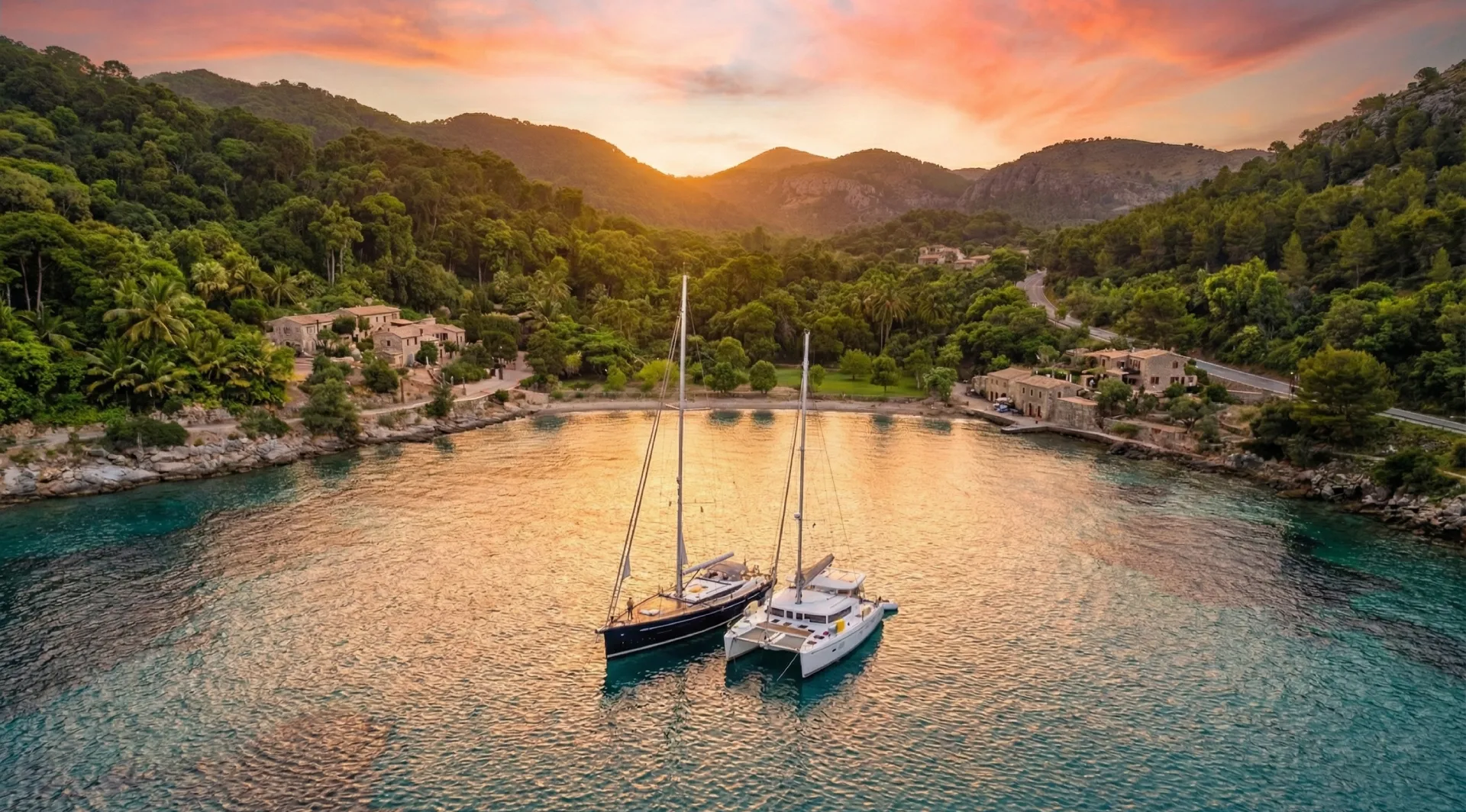
Italy offers sailors a rare blend of navigational variety, concentrated culture, and clear-water cruising. From the granite islets of La Maddalena to the steaming crater-silhouette of Stromboli, routes are short yet compelling, harbours are characterful, and the seasonal winds reward good seamanship without demanding heroics. This guide distils the country into practical sailing areas, explains the weather patterns that define them, and signposts where to anchor, when to book, and how to charter with confidence.
Quick links
- Why Sail in Italy?
- Sample Itineraries
- When to Go
- Wind and Weather
- Getting There
- Chartering in Italy
- Licences and Formalities
- Anchorages and Marinas
- FAQs
- References
Why Sail in Italy?
Italy rewards purposeful passage-making with dense pay-off. Distances between highlights are modest, so you spend more time sailing and swimming than on long slogs. The coast bends from Liguria to Sicily via the Tyrrhenian, then sweeps back up the Adriatic; each basin has distinct wind regimes, allowing you to pick conditions that match your appetite and experience.
Harbours are atmospheric rather than anonymous. Medieval cathedrals loom over stern-to quays, volcanic cones shape anchorages, and fishermen still share space with yachts. Culinary stops are integral to the route planning as much as tidal gates or park permits. You will learn to read local breezes, settle into the Mediterranean mooring rhythm, and time arrivals before the evening rush.
Protected areas such as La Maddalena, the Egadi, Tavolara and Regno di Nettuno elevate the water clarity and wildlife. They also encourage disciplined anchoring, buoy use, and respect for Posidonia. For many crews, this blend of seamanship, scenery and civilisation is what makes an Italian cruise feel both polished and adventurous.
Sample Itineraries
Below are four tried-and-tested seven-day routes, each with short legs, reliable shelter options and memorable stopovers. Adjust daily runs to suit your crew, the forecast and park regulations; arrive early to secure the best berths and buoys in high season.
NE Sardinia and La Maddalena (7 days, Portisco loop)
A 7-day route. Adjust legs to forecast, moorings and crew preferences.
Day 1 - Portisco check-in and shake-down
Arrive, provision and complete safety brief. Slip lines for a short afternoon sail to settle the crew and practise Med mooring. Cala di Volpe makes an easy first anchorage in sand with good lee in prevailing seabreezes; plan 1-2 hours under sail and a swim before sunset.
Day 2 - Caprera's granite coves
Work the thermals up the Costa Smeralda and into La Maddalena Archipelago. Expect clear water, sandy patches and organised mooring fields - avoid Posidonia and secure your La Maddalena permit in advance. Porto Palma offers reliable shelter for lunch and a night if the mistral freshens.
Day 3 - La Maddalena town and Budelli
Make a morning hop to La Maddalena town for water, fresh bread and a stroll. Then weave to Porto della Madonna between Budelli, Razzoli and Santa Maria. Arrive by late morning to catch a buoy and enjoy snorkelling in luminous shallows; crowds thin towards late afternoon.
Day 4 - Spargi and Santa Teresa
Shelter on Spargi's lee depending on the mistral. If settled, cross to Santa Teresa Gallura on the mainland for supplies and a dinner ashore. Expect acceleration near the Bonifacio Strait; reef early and keep an eye out for ferry traffic on approach.
Day 5 - Tavolara Marine Reserve
Reach southeast past Porto Cervo to Tavolara. Pick up authorised moorings beneath the limestone cliffs; snorkelling is excellent in settled conditions. Afternoon gusts roll off the massif, so rig a snubber and check bridle leads before dark.
Day 6 - Cala Brandinchi and San Teodoro
Enjoy short legs and swimming stops, riding the fresh seabreeze before an early anchor set. Cala Brandinchi's pale sand is ideal for a relaxed lunch; continue to San Teodoro for fuel, a protected berth and an easy stroll ashore.
Day 7 - Return to Portisco
Fuel at Olbia or Portisco as instructed and return by mid-afternoon for debrief and check-out. Allow time for head-to-wind sail drops as afternoon thermals can persist close to the coast.
Aeolian Islands from Capo d'Orlando (7 days)
A 7-day route. Adjust legs to forecast, moorings and crew preferences.
Day 1 - Capo d'Orlando arrival
Provision, complete the brief and, if time allows, make a short shakedown along the coast. Otherwise enjoy the marina facilities and plan for park regulations, buoy fields and fuel/water logistics across the islands.
Day 2 - Vulcano
Reach to Vulcano and anchor off Porto di Levante in settled weather or take a mooring. Hike the crater for superb views and, where permitted, sample the hot springs. Anchor with care - sulphurous mud can glaze the chain, and holding varies.
Day 3 - Lipari town
A short sail to Lipari for fuel, water and old-town wanderings. Ferries throw persistent wash, so set extra scope or choose a marina pontoon. The archaeological museum and gelaterie make a rewarding afternoon ashore.
Day 4 - Salina
Beat or reach to Santa Marina Salina. The island's twin cones generate night katabatics; test holding and consider a stern line if close to shore. Ashore, sample Malvasia wine and caper specialities.
Day 5 - Panarea and Stromboli by night
Pause for lunch in Panarea's south, then a late-afternoon passage to Stromboli. Drift or take a buoy off Sciara del Fuoco to watch eruptions outside any exclusion zones. Keep a sharp lookout for local fishing gear and night gusts off the cone.
Day 6 - Filicudi or Alicudi (weather-dependent)
Make a longer leg west. Pecorini a Mare on Filicudi is the classic stop but can surge; Alicudi is wilder with limited services and excellent clarity. Choose based on wind angle, swell and crew energy.
Day 7 - Return to Capo d'Orlando
Leave early for the reach back. Expect currents and acceleration zones near NE Sicily and the approach to the Strait of Messina. Fuel, clean down and hand over by mid-afternoon.
Bay of Naples and Amalfi Coast (7 days, Procida loop)
A 7-day route. Adjust legs to forecast, moorings and crew preferences.
Day 1 - Procida check-in
Board at Marina di Procida or Chiaiolella. Stroll pastel-coloured Corricella and plan short hops to start. If a seabreeze lingers, enjoy a quick reach off the south shore and practise lazy-line stern-to on return.
Day 2 - Ischia
Sail to Ischia. Forio gives shelter from westerlies and easy access ashore; Sant'Angelo is scenic but exposed to swell. Time arrivals early as tripper boats increase afternoon chop around headlands.
Day 3 - Capri
Arrive early at Marina Grande or choose fair-weather anchorages on the south side. Expect wake from tripper boats until evening. A shuttle or taxi to Anacapri and the Phoenician Steps fills a satisfying shore day.
Day 4 - Amalfi
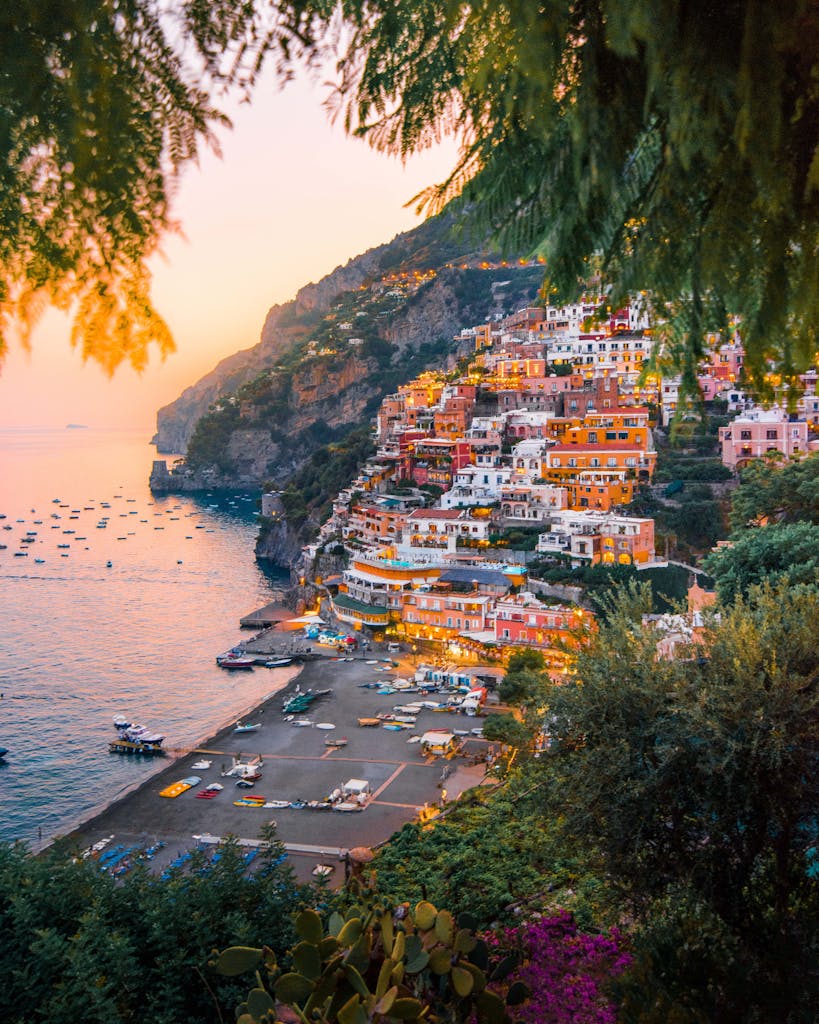
Reach along the cliffs via Positano's roadstead. Book a berth or buoy as space is limited in high season. The cathedral and paper museum make worthwhile visits; set chafe protection for overnight ferry wash.
Day 5 - Sorrento or Nerano
Keep it short with swimming stops. Nerano offers good holding and dinghy access to renowned seafood trattorie; Sorrento provides a livelier scene and convenient provisioning.
Day 6 - Naples waterfront or Pozzuoli
Use the morning breeze to slip back into the bay. Pozzuoli is convenient for fuel and markets; Naples offers a city fix and culture in spades. Expect confused chop near the main ferry fairways - rig springs on arrival.
Day 7 - Return to Procida
A short hop to base. Refuel and complete checkout by early afternoon, leaving time for a final gelato in Corricella.
Tuscan Archipelago (7 days, Scarlino loop)
A 7-day route. Adjust legs to forecast, moorings and crew preferences.
Day 1 - Marina di Scarlino
Arrive via Pisa or Florence. After the safety brief, take a short sail to a nearby anchorage if time and light allow. Evening thermals fade near sunset, easing first-night anchoring.
Day 2 - Elba (Portoferraio)
A rewarding first crossing with frequent dolphin sightings. Portoferraio's amphitheatre harbour is historic and well-sheltered; arrive by early afternoon to secure a berth and explore Medici fortifications.
Day 3 - Elba north coast
Work along to Marciana Marina or anchor under Monte Capanne in sand patches. Afternoon sea breezes are reliable; mornings are calmer and ideal for swimming and shore walks.
Day 4 - Capraia
Enjoy a blue-water feel on the hop to Capraia, with clear depths and a good chance of pelagic birdlife. The tiny port is atmospheric; arrive early on weekends as berths are limited.
Day 5 - Giglio
Reach south to Giglio Porto, or anchor at Cannelle/Campese if settled. Water clarity is excellent and snorkelling is top-notch. Watch for residual swell wrapping into open anchorages after a libeccio.
Day 6 - Argentario and Talamone
Hop to Porto Santo Stefano for bustle and supplies, or round to Talamone for a medieval hilltown and dependable anchoring. Westerly thermals help progress; katabatics can stir after sunset - check scope.
Day 7 - Return to Scarlino
Make an early start for the fetch back across the Gulf of Follonica. Fuel and handover by mid-afternoon, leaving time for a final dip off the beach.
When to Go
May to October is the practical window nationwide. July and August bring the longest daylight and most reliable sea-breezes, but also peak pricing, crowded marinas and hotter, lazier afternoons. Shoulder seasons (late May-June and September-early October) deliver warm seas, steadier sleep at anchor, easier restaurant bookings and more available berths.
Regional nuances matter. In Sardinia and the Tuscan Archipelago, late June to early September is prime, with crystal water and brisk afternoon thermals; outside that you may see stronger tramontana or libeccio episodes. Around Naples, the Bay settles into a pleasant W-SW seabreeze cycle from June to September, with October proving exceptionally good for quieter cruising. The Aeolian Islands are best June to September; expect katabatics from the volcanic terrain and the occasional scirocco surge. In the Adriatic, June brings settled patterns; July-August can see heat-driven maestrale by day, but bora and scirocco remain possible spring and autumn.
Sea temperatures range roughly 18-22°C in May-June, 24-27°C in late July-August, and 21-23°C in September. Water and fuel availability tighten in the smaller islands during high season, so plan top-ups mid-week.
For quieter nights and easier moorings, start early, enjoy long lunches at anchor and aim to be settled by mid-afternoon. Public holidays (Ferragosto around 15 August) intensify demand; pre-book key stops or choose anchorage-led days away from hotspots.
Wind and Weather
Ligurian and Tuscan coasts (NW Tyrrhenian)
Summer days see a predictable sea-breeze building late morning from W-NW at 8-15 knots, easing overnight. Passing lows can drive a punchy libeccio (SW) at 20-35 knots with short, steep seas, while tramontana (N) episodes bring cooler, dry air and strong gusts off headlands. Plan to reef early and break longer legs into morning hops when gradients rise.
Central Tyrrhenian (Pontine, Bay of Naples, Amalfi)
Diurnal cycles dominate from June to September, often W-SW 8-14 knots. A scirocco (SE) brings haze, humidity and a long swell that can make Capri and Amalfi rolly. Thunderstorms are most common in late-summer afternoons and during October transitions; secure extra scope and chafe gear when convection is forecast.
Sardinia and the Strait of Bonifacio
The mistral (NW) is headline - channelled between Corsica and Sardinia it accelerates, sometimes to gale force. Keep lee-side options (Caprera, Spargi, NE Sardinia coves) in your pocket and avoid committing to long windward legs on mistral days. Moderate easterlies can still send a swell onto the east coast, affecting open anchorages.
Sicily and the Aeolian
Expect mixed summer sea-breezes W-NW with occasional scirocco spells. Night katabatics tumble off volcanic cones and sudden gusts lurk near headlands. Currents strengthen towards the Strait of Messina, where 2-5 knots and whirlpools are reported - time transits carefully.
Adriatic and Apulia
The bora (NE) can descend abruptly and violently, especially from Trieste to Ancona, with clear skies and cold air - fetch management and reliable holding are essential. The scirocco (SE) builds a long, sometimes uncomfortable sea and often carries rain. The maestrale (NW) becomes a fair-weather summer breeze in the north.
Tides are micro-tidal (commonly 0.2-0.4 m) across most coasts, but the northern Adriatic can see larger ranges and seasonal "acqua alta" in the Venetian lagoon. Local accelerations occur at straits and capes. Forecasts are reliable and widely disseminated by national and regional services, with Coast Guard VHF bulletins at set times. For harbour comfort, plan stern-to mooring in crosswinds with plenty of fenders, use a bow bridle on lazy lines and rig springs to tame ferry wash.
Getting There
Tyrrhenian hubs
Rome Fiumicino (FCO) and Ciampino (CIA) feed the Lazio coast and Bay of Naples via rail and motorway. Naples (NAP) sits close to Procida and Pozzuoli bases. Pisa (PSA) and Florence (FLR) are gateways for the Tuscan Archipelago (Scarlino, Punta Ala), while Genoa (GOA) and Nice (NCE, France) serve Liguria.
Sardinia
Olbia (OLB) is ideal for Portisco, Cannigione and La Maddalena departures; Alghero (AHO) covers the north-west; Cagliari (CAG) the south. Summer schedules are frequent and often paired with overnight ferries from the mainland.
Sicily
Palermo (PMO) serves the north-west (Palermo, Trapani, Egadi), while Catania (CTA) and Comiso (CIY) cover the east (Taormina, Siracusa). Capo d'Orlando and Portorosa are reachable from Palermo or Catania by road transfer.
Adriatic and Apulia
Venice (VCE) is best for the lagoon, Trieste (TRS) for the Gulf of Trieste, Bologna (BLQ) for Emilia-Romagna, and Bari (BRI) or Brindisi (BDS) for Puglia and the Ionian.
Ferry links are extensive: overnight car ferries connect mainland Italy with Sardinia, Sicily and the Tuscan islands, which can simplify one-way logistics or late arrivals. Trains are frequent between airports and coastal towns; for bulky kit, pre-book taxis or private transfers direct to the marina and confirm pickup points with your base.
Chartering in Italy
Italy supports all charter styles. Bareboat is widely available in Sardinia, the Tuscan Archipelago, Bay of Naples, Sicily (Egadi/Aeolian) and the Adriatic. Skippered and crewed options unlock more ambitious routes or simplify park permits and moorings in high season.
Seasonality dictates both price and availability. Saturday start/finish remains standard, though mid-week starts are expanding in the shoulder season. A typical 38-42 ft monohull may range from roughly €2,000 - €4,000 per week in May/June and September, to €4,500 - €9,000 in late July-August in hotspots. Catamarans command a premium. Budget separately for cleaning, outboard, linens, park permits (e.g., La Maddalena, Egadi, Tavolara, Regno di Nettuno), fuel, and security deposit or damage waiver.
- Book marinas or buoy fields early on fair-weather weekends, especially Capri, Amalfi, La Maddalena and popular Aeolian towns.
- Practise the Mediterranean stern-to with lazy lines; keep fenders low, rig a bow bridle and use springs to stay centred in crosswinds.
- In MPAs, prefer authorised buoys over anchoring and avoid Posidonia meadows. Rangers do check permits.
- Water and fuel can be scarce on smaller islands - top up when you can, not when you must.
- Expect evening katabatics in volcanic archipelagos and ferry wake in major ports; add chafe protection to snubbers and shorelines.
Skippered charters are excellent value for tight itineraries or mixed-experience crews; many skippers are bilingual and know the harbourmasters, which helps during bruising libeccio or mistral events. Ask your base about provisioning services, transfer options and any cash-only local fees so you board with the right currency and groceries.
Licences and Formalities
Documentation for bareboat charter is straightforward but enforced. The skipper must show evidence of competence recognised by Italian authorities and the charter company, typically an ICC (International Certificate for Operators of Pleasure Craft) with coastal privileges, or a national certificate of equivalent level (e.g., RYA Day Skipper Practical or higher; ASA 104 with appropriate endorsements). At least one person on board must hold a VHF Short Range Certificate (SRC). Bring originals; photos are rarely accepted.
Italy is in the EU and Schengen. If arriving from outside Schengen by private yacht, fly the Q flag and clear at a designated port of entry before cruising domestically. For charter crews arriving by air, normal Schengen entry rules apply (visa-free stays for many nationals up to 90/180 days; check current requirements). A crew list, passports, and the charter contract should be kept accessible for harbour police.
Environmental and local rules include: no discharge of black water in harbours or MPAs; observe speed and distance-off rules near beaches (commonly 200 m); use authorised buoy fields in protected areas; respect closures such as parts of Montecristo (Tuscan Archipelago) and restrictions around sensitive zones in the Aeolian and Campania MPAs. Tenders and SUPs are classed as small craft and must comply with swim-zone demarcations.
Some operators set limits on night passages and require prior approval for sailing beyond their stated cruising area. Drones face restrictions near MPAs and populated areas; check local bylaws if you plan aerial photography.
Anchorages and Marinas
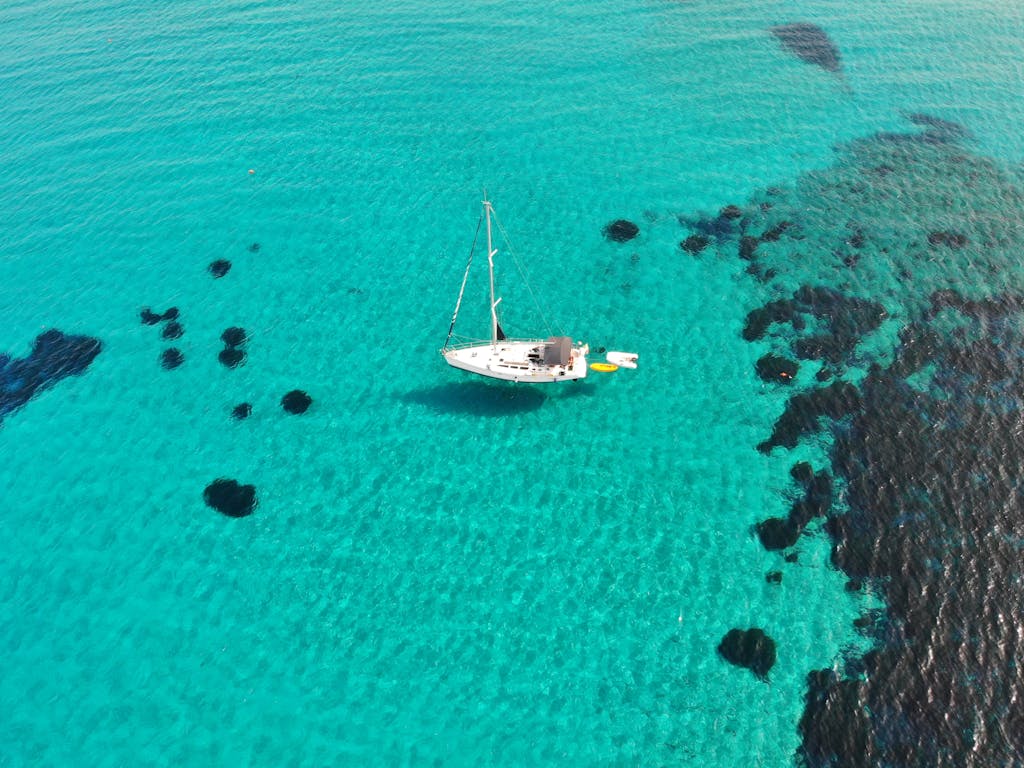
Italy's coasts offer almost continuous shelter, but the character changes by region. Bottoms are largely sand interspersed with Posidonia and rock. In clear water, aim for pale sand patches and avoid anchoring on seagrass. Scope of 4-5:1 works in fair weather; increase for katabatic nights or surge. In steep-to volcanic islands (Aeolian), rig long lines ashore for snug coves.
Marinas vary from boutique to mega-yacht. Expect lazy lines and stern-to berthing; an ormeggiatore will often guide you by RIB. High-season fees for a 12 m yacht commonly range from €120 - €220 per night in popular Tyrrhenian marinas, with iconic spots (Capri, Portofino, Porto Cervo) higher. Shoulder-season rates can halve. Fuel docks keep conventional hours and close for lunch; arrive early afternoon for the best choice of berths.
Protected areas shape anchoring strategy. La Maddalena National Park requires a permit and encourages use of moorings; Tavolara-Punta Coda Cavallo, Egadi, Regno di Nettuno (Ischia/Procida/Capri), Ustica and Tremiti have zoned restrictions with buoy fields replacing anchoring in sensitive sites. The Portofino MPA limits anchoring near the promontory. Around Venice and the upper Adriatic, tidal range and channels require careful pilotage and adherence to speed limits.
NE Sardinia and La Maddalena
Abundant moorings and superb sand holding define this area, with violent gusts in mistral conditions. Choose well-protected lees like Caprera's Porto Palma, and always check park maps for permitted zones.
Bay of Naples and Amalfi
Space is limited and ferry surge is a constant. Buoy fields off Amalfi and Positano work well in settled weather; arrive early in Capri to secure a berth. Rig generous fenders and springs to ride out wash comfortably.
Aeolian Islands
Expect a mix of town pontoons and buoy fields with variable holding. Night katabatics are common; test the set, lay chafe gear and consider two anchors or a stern line in tighter coves.
Tuscan Archipelago
Reliable sand patches and well-run harbours like Portoferraio and Marciana Marina set a relaxed tone. Capraia fills quickly on weekends - aim to arrive before lunch for the best chance of a berth.
Adriatic
Marina availability is generally higher, but be bora-alert. Cross-berth gusts call for all-round fendering, bow springs and careful speed control on approach.
FAQs
.faq-accordion details{border:1px #cccccc solid;border-radius:4px;margin:8px 0;}.faq-accordion summary{padding:10px 15px;cursor:pointer;display:flex;align-items:center;gap:8px;list-style:none;}.faq-accordion summary::-webkit-details-marker{display:none;}.faq-accordion summary::before{content:'▸';color:#12305c;font-weight:700;display:inline-block;transform:rotate(0deg);transition:transform .2s ease;}.faq-accordion details[open] summary::before{transform:rotate(90deg);}.faq-accordion p{padding:10px 15px;margin:0;}
Which Italian sailing area is best for first-timers?
The Tuscan Archipelago and the Bay of Naples suit newcomers. Distances are short, shelter options are frequent, and summer sea-breezes are moderate. NE Sardinia is superb but demands mistral-aware planning.
Do I need an ICC to charter in Italy?
Most operators require an ICC with coastal scope or an equivalent national certificate (e.g., RYA Day Skipper Practical). A VHF Short Range Certificate is also expected for at least one crew member.
How strong is the mistral in Sardinia?
A mistral can exceed 30 knots and accelerates in the Bonifacio Strait. It often arrives with clear skies and steep seas. Choose lee-side anchorages, reef early, and avoid committing to long windward legs on those days.
Are there tides to worry about?
Tidal ranges are small on most coasts (around 0.2-0.4 m), but the northern Adriatic - including Venice - experiences larger ranges and seasonal acqua alta. Currents can be strong in straits, especially Messina.
Can I anchor anywhere?
No. Many MPAs restrict anchoring to protect Posidonia; buoy fields are provided. Keep 200 m off bathing beaches, observe local bylaws, and avoid anchoring on seagrass or near marine cables.
What about medicanes and autumn storms?
Autumn lows can be vigorous in the central Mediterranean. Monitor forecasts closely in October-November; seek secure marinas ahead of frontal passages and be conservative with anchor scope and fetch.
Is one-way charter possible?
Yes on select routes - e.g., Portorosa to Capo d'Orlando in Sicily, or Olbia to Cagliari in Sardinia - subject to availability and repositioning fees. Book early to secure a match.
Are there jellyfish or hazards when swimming?
Jellyfish blooms occur episodically, especially after onshore winds. Rinse stings with seawater, not fresh water, and use vinegar for some species. Wear light rash guards when in doubt.
Will marinas accept cards?
Most marinas accept cards, but small buoy operators and fuel docks may prefer cash. Keep some euros aboard for moorings and local fees.
Can I take pets on a charter?
Many operators allow pets with prior notice and a cleaning surcharge. Ensure up-to-date vaccinations, an EU pet passport or equivalent, and respect MPA beach restrictions.
References
- https://www.cruiserswiki.org/wiki/Italy
- https://www.cruiserswiki.org/wiki/Strait_of_Messina
- https://www.guardiacostiera.gov.it/
- https://www.meteoam.it/
- https://www.lamma.rete.toscana.it/meteo
- https://www.lamaddalenapark.it/
- https://www.amptavolara.it/
- https://www.ampisoleegadi.it/
- http://www.areamarinaprotettaregnodinettuno.it/
- https://www.ampustica.it/
- https://www.portofinoamp.it/en/
- https://www.ampisoletramiti.it/
- https://www.rya.org.uk/knowledge/skills/icc
Charter a Yacht
Compare crewed & bareboat charters, learn the best months to sail, and get a custom shortlist from 500+ providers.