Sailing the Abaco Islands: routes, winds and safe harbours
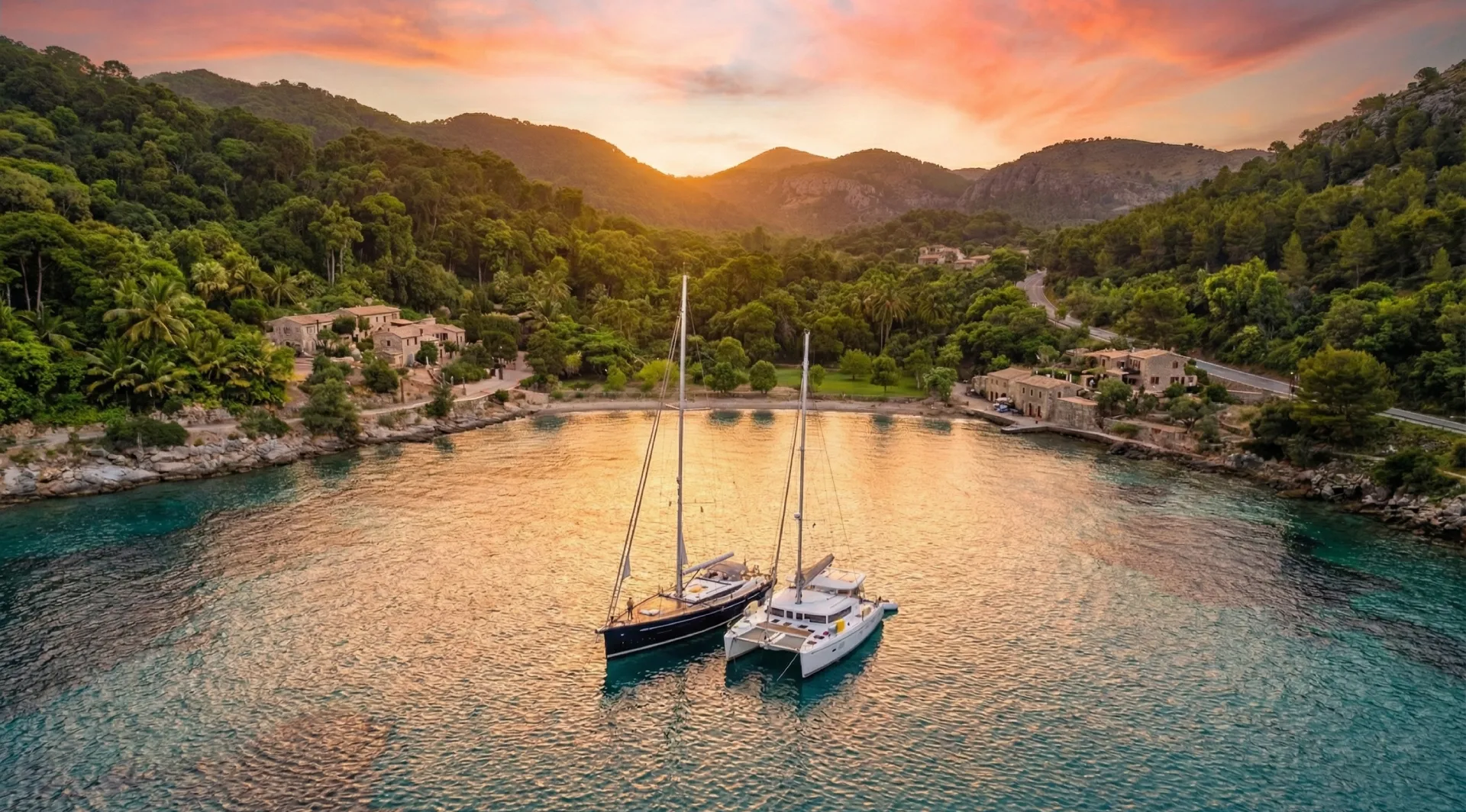
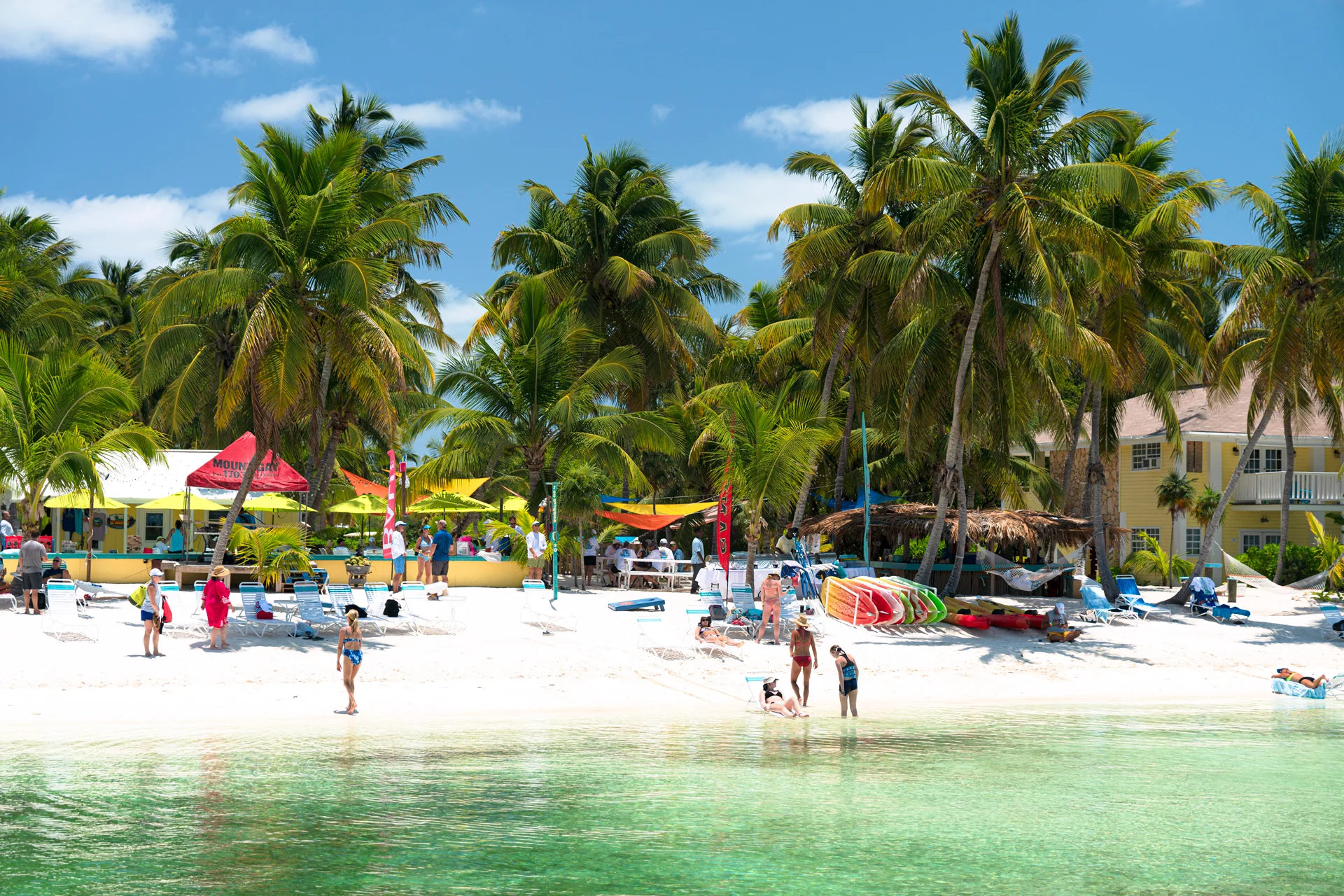
The Abaco Islands deliver quintessential Bahamian cruising: luminous shallows, short line-of-sight passages and characterful settlements strung along the sheltered Sea of Abaco. For sailors, this is a compact playground with enough variety to fill a week or two, yet forgiving enough for families and first-time Caribbean charterers. Harbours such as Hope Town and Green Turtle Cay sit a few easy miles apart, while reef-cut ocean passes tempt more adventurous crews on settled days.
Expect warm tradewinds, sandy-bottom anchorages and coral gardens within a snorkel's reach. Navigation rewards a careful eye and daylight arrivals, but the well-charted inside route lets you pick your weather windows for the more exposed cuts like Whale Cay Passage. Bases in Marsh Harbour keep logistics straightforward, with strong provisioning, repair support and a lively cruiser network to ease you in.
If you want turquoise water without long open-sea slogs, Abaco is hard to beat. The ingredients are simple: protected sailing, reliable breeze and harbours with real personality.
Quick links
- Sailing the Abaco Islands: routes, winds and safe harbours
- Quick links
- Why Sail in Abaco Islands?
- Itineraries
- When to go
- Wind and weather
- Getting there
- Chartering
- Licences and formalities
- Anchorages and marinas
- FAQs
- References
Use the quick links above to jump to each section. Each itinerary includes an overview map and day-by-day guidance, followed by practical sections covering climate, winds, logistics, charter operations and formalities.
Why Sail in Abaco Islands?
A protected inland sea. The Sea of Abaco runs between Great Abaco Island and its outer cays, forming a natural lagoon dotted with reefs and sandbars. It creates an island-hopping track of 5-20 nautical-mile legs that suit mixed-experience crews and let you flex plans around the forecast. You can comfortably build itineraries where no day feels rushed.
Distinctive settlements and craftsmanship. Hope Town's candy-striped lighthouse, Man-O-War's boatbuilding heritage and Green Turtle's Loyalist history give each stop a sense of place. Ashore you will find pastel clapboard, conch shacks and easy-going bars, but also good chandleries and yard skills should you need them.
Clear-water snorkelling and reef reserves. The Fowl Cays and Pelican Cays reserves offer accessible snorkelling over living coral, while sandy-bottom anchorages make for simple, secure nights. On calm days, ocean-side passes deliver blue-water fishing and a change of scene; on breezier spells, you can keep to the inside route.
Logistics that work. Fly into Marsh Harbour and be on your yacht within minutes. Provisioning is strong by island standards, fuel and water are available across the central cays, and an active cruiser's VHF net and local ferries add a safety net for moving people and spares when plans change.
Together, these ingredients make Abaco ideal for first-time Bahamas charterers and relaxed family crews who want variety without long passages, while still giving experienced sailors options to stretch their legs through reef cuts when the weather settles.
Itineraries
Below are two tried-and-tested Abaco sailing itineraries that balance short, protected legs with time to explore ashore and in the water. Adjust the pace to suit your crew and always time reef-cut transits for settled seas and fair tide.
7-day Sea of Abaco classic loop (Marsh Harbour return)
Day 1 - Marsh Harbour to Hope Town (Elbow Cay)
A gentle shakedown across the Sea of Abaco. Enter Hope Town Harbour in daylight and pick up a mooring beneath the iconic lighthouse. Stroll the settlement's narrow lanes and plan a lighthouse visit. Check the leading marks on approach and keep speeds low in the harbour; if time allows, walk to the Atlantic beach for a first swim.
Day 2 - Hope Town to Man-O-War Cay via Tahiti Beach
A short hop south for a swim at Tahiti Beach, then round to Man-O-War. The narrow harbour is mostly moorings with excellent shelter and a window into the island's boatbuilding past. Time your stop at Tahiti Beach for mid to low tide to enjoy the sandbar; in Man-O-War, visit the small museums and canvas shops for a taste of local craftsmanship.
Day 3 - Man-O-War Cay to Great Guana Cay (Fisher's Bay)
Weave north inside the reef for lunch at Fowl Cays snorkel spots in settled weather, then anchor at Fisher's Bay. Dinghy ashore for beaches and the ridge-top views across the Sea of Abaco. Observe reserve boundaries, anchor only on sand outside sensitive areas, and keep a bow watch where colours change.
Day 4 - Great Guana Cay to Green Turtle Cay (White Sound) via Whale Cay Passage
Time Whale Cay Passage for settled seas and fair tide. Enter White Sound for marina berths or moorings; explore New Plymouth's Loyalist history by dinghy or ferry. If the Whale is in "rage" conditions, wait it out in Great Guana or Treasure Cay rather than attempting the cut.
Day 5 - Green Turtle Cay lay day
Snorkel the reefs off the ocean side when calm, or take a gentle walk around New Plymouth. Black Sound offers deeper, quieter moorings if you prefer a change of scene. Consider hiring a golf cart to explore beaches and historic cemeteries, and keep an eye out for turtles in the bays.
Day 6 - Green Turtle Cay to Treasure Cay
Re-transit Whale Cay Passage in a good window, then slip into the horseshoe-shaped lagoon at Treasure Cay for a beach day and resort facilities. The approach channel is well marked - mind cross-winds when turning into a slip - and the sweeping beach is ideal for a late-afternoon stroll.
Day 7 - Treasure Cay to Marsh Harbour
A relaxed final leg back to base, with time to pause for a lunchtime swim on a lee-shore sandbar along the way in settled conditions. Refuel and refill water on return, leaving time for a farewell conch salad in town.
This loop keeps daily runs short and sheltered, building in flexibility for Whale Cay timing. It suits mixed-experience crews and families who want equal measures of sailing, snorkelling and shore time.
10-day Abaco explorer: reserves, cays and northern outposts
Day 1 - Marsh Harbour to Hope Town
Short crossing; settle in on a mooring and explore the lighthouse and settlement. Stock up on any last-minute items and enjoy a sunset dinghy cruise around the harbour.
Day 2 - Hope Town to Little Harbour via Tahiti Beach
Swim at Tahiti Beach then continue south. Enter Little Harbour with good light and minimal swell; pick up a mooring and visit the foundry and beach bar. The entrance is shallow over a bar - arrive near mid-tide with the sun overhead for best visibility.
Day 3 - Little Harbour to Sandy Cay (Pelican Cays Reserve), then Lubbers Quarters
Snorkel Sandy Cay's coral gardens in calm weather. Overnight on the sand patches off Lubbers Quarters for a quiet, protected anchorage. Anchor outside the reserve in clean sand and avoid standing on coral when snorkelling.
Day 4 - Lubbers Quarters to Man-O-War Cay
Short, scenic run. Secure a mooring inside Man-O-War's narrow harbour and walk the settlement. Visit the small boatyards and learn about the island's renowned wooden skiff tradition.
Day 5 - Man-O-War to Great Guana Cay
Hop north for beaches and reef snorkelling. Anchor at Fisher's Bay or take a berth if available. In fair weather, dinghy to the ocean side for a drift-snorkel along the reef edge.
Day 6 - Great Guana to Green Turtle Cay (White Sound) via Whale
Choose a calm window for Whale Cay Passage. Enter White Sound for marinas or moorings; explore New Plymouth by golf cart. If conditions deteriorate, pause in Treasure Cay and reassess the next tide window.
Day 7 - Green Turtle to No Name Cay and Manjack Cay
Short day among North Abaco's prettiest anchorages. Swim with turtles at Manjack in settled weather and anchor in sand with good protection from easterlies. Respect wildlife - observe from a distance and do not feed animals.
Day 8 - Manjack Cay to Spanish Cay
A tidy marina stop for fuel, water and a walk on the ocean side. Good staging for a return south. Enjoy a shoreside dinner and a longer freshwater rinse before the downwind leg back.
Day 9 - Spanish Cay to Treasure Cay
Reach back along the inside route and relax in Treasure Cay's lagoon. Spend the afternoon beachcombing or paddleboarding in flat, turquoise water.
Day 10 - Treasure Cay to Marsh Harbour
Final sail to base with time to pause for a last swim on a sandbar en route in settled conditions. Plan fuel, water and check-out with your base to streamline hand-back.
This extended route layers in the Pelican Cays and North Abaco outposts while keeping transits manageable. It balances marina nights for services with pristine anchorages for quiet evenings under the stars.
When to go
Peak season runs from December to April, when humidity is lower, visibility is superb and the tradewinds are most reliable. Expect daytime highs of 24-27 °C, cool nights and water temperatures around 22-24 °C. Cold fronts ("northers") periodically sweep through in winter, shifting winds into the N-NE and bringing brisker conditions for 24-72 hours.
May and June are transitional and often idyllic, with slightly lighter easterlies, fewer fronts and sea temperatures rising to 26-28 °C. July to October is hotter (air 29-32 °C, water 28-30 °C) with more variable winds, afternoon squalls and the Atlantic hurricane season. Many crews still sail through summer by keeping passages short, starting early, and building in lay-day flexibility.
The practical window for most charterers is November to June, with the shoulder months offering warm water and longer, settled spells. If visiting in peak hurricane months (August-October), ensure robust cancellation and storm policies and watch forecasts closely. Whatever the month, plan entries in good light and allow extra time during frontal passages.
Wind and weather
Prevailing winds are easterly trades. In settled patterns, expect E-SE 10-18 knots across the Sea of Abaco, with a gentle sea-breeze build in the afternoons. Summer can be lighter and more variable; winter sees periodic cold fronts that clock the wind NW-N-NE 15-25+ knots, sometimes with squalls and a sharp temperature drop for a day or two.
Swell is largely kept outside by the barrier reef, so the inside route remains comfortable unless strong winds align with local fetch. Ocean passes (for example Whale Cay Passage, Man-O-War/Tilloo cuts, North Bar Channel) can develop "rage" conditions when ocean swell opposes the tide, sending dangerous standing breakers through the cuts. Time transits for settled seas and slack to fair tides only.
Tidal range is modest (roughly 0.6-1.0 m), but currents in the cuts can run 2-4 knots and significantly more during northerly swells. Navigation is visual: travel with overhead sun if possible, wear polarised sunglasses, and avoid night entries. Coral heads and sand bores are common; favour known routes on up-to-date Explorer/NV charts and keep someone on the bow in skinny water.
Build conservative margins into your plan, particularly if crossing the Whale or exiting through North Bar. A patient approach typically yields a comfortable weather window within a day or two.
Getting there
Most charters start in Marsh Harbour on Great Abaco Island. Leonard M. Thompson International Airport (MHH) has frequent connections via Nassau and regular services from Florida hubs. Treasure Cay Airport (TCB) also serves North Abaco with intermittent schedules; Spanish Cay has a private strip for resort traffic. From Nassau you can reach the cays by domestic flights or fast ferries.
On arrival by air, transfer times to Marsh Harbour marinas are typically 10-15 minutes. Provisioning is straightforward: Maxwell's Supermarket in Marsh Harbour is the main full-service option, supported by liquor stores, bakeries and smaller groceries around the settlement. There are reliable fuel docks and water at Marsh Harbour, Hope Town, Man-O-War, Treasure Cay, Green Turtle and Spanish Cay.
Local ferries connect Marsh Harbour with Hope Town and Man-O-War, and Green Turtle with the mainland. These are handy for moving crew before/after a passage or if weather delays a boat transfer. Taxis are easy to arrange through bases or hotels, and most marinas can help coordinate ferry timings on change-over days.
Chartering
Abaco is a mature bareboat and skippered-charter destination with fleets based in Marsh Harbour. The inside waters favour catamarans for their shallow draft and generous living space, though monohulls are popular and perfectly viable with prudent route planning and tide awareness.
Fleet and base services
You can expect modern catamarans in the 38-50 ft range and monohulls around 35-50 ft, with a smaller selection of power catamarans. Check-in briefings focus on shallow-water navigation, tide timing for reef cuts and local no-go areas. Technical support and chase-boat assistance are typically available during business hours, with after-hours numbers for urgent issues.
Provisioning and water
Pre-order groceries for dockside delivery or shop on arrival at Maxwell's. Ice, water and fuel are widely available, though water is a paid commodity - top up when convenient, carry ample and encourage crew to conserve. Many boats carry watermakers; confirm operation and maintenance expectations during the handover.
Moorings and anchoring
Moorings predominate in Hope Town, Man-O-War and parts of Green Turtle. Many are privately maintained: inspect visually and back down to test, and always rig a chafe-protected bridle. In open anchorages choose sand, lay adequate scope and set a snubber. Avoid seagrass and never anchor on coral within reserves.
Draft and route planning
Drafts up to roughly 1.8-2.0 m (6-6.5 ft) can cruise the core route with care; catamarans with 1.1-1.3 m (3.5-4.5 ft) draft enjoy wider options and extra tide margin. Avoid transiting unmarked shallows, stick to established routes and time tighter sections for mid to high tide with the sun overhead.
Seamanship and safety
Cross Whale Cay Passage and other reef cuts only in settled conditions with fair tide; build in lay-day flexibility to wait out "rage" conditions. Travel by daylight and keep a bow watch whenever colour changes suggest shoaling or coral heads. Maintain VHF watch on 16 and note the daily Abaco Cruiser's Net for local updates.
Licences and formalities
Skipper requirements
The Bahamas does not mandate a specific skipper's licence for visiting charterers, but operators will require a competent skipper with recent experience on a similar-sized yacht. Qualifications such as RYA Day Skipper (or higher), ICC, or ASA 104/106 (or equivalent) are commonly accepted as evidence, alongside a sailing CV. Catamaran experience is expected if chartering a twin-engine cat.
Customs and immigration
If you fly in to join a charter, the yacht is already licensed by the operator. If you arrive on your own vessel, clear at an official port of entry (for example Marsh Harbour, Treasure Cay, Spanish Cay, Walker's Cay when open) and purchase a cruising permit, which includes fishing permits for the crew. Carry passports and boat papers; immigration typically grants up to 90 days initially.
Local rules and etiquette
Monitor VHF 16; the Abaco Cruiser's Net broadcasts morning updates on a working channel. Observe no-discharge rules in harbours and marinas, use pump-outs where available, and anchor only on sand - never on coral or seagrass within reserves. Spearfishing on scuba is prohibited in The Bahamas and several areas are designated no-take; check current boundaries before fishing or collecting. Slow to no-wake in narrow channels and harbour approaches.
Carry proof of insurance, respect private moorings and docks, and dispose of rubbish responsibly - most marinas provide bins and recycling points for aluminium.
Anchorages and marinas
Marsh Harbour (Great Abaco)
Principal charter base with multiple marinas and repair support. Straightforward approach in settled weather; good holding in sand/mud outside marinas. Excellent provisioning at Maxwell's; fuel and water widely available.
Hope Town (Elbow Cay)
Enter the narrow, well-marked channel in daylight. The harbour is almost entirely moorings with strong all-round protection; dinghy access to the historic lighthouse and settlement. Limited anchoring outside in settled weather only.
Man-O-War Cay
A long, narrow harbour largely given over to moorings and docks. Excellent shelter - mind traffic and keep speed low. Handy small groceries, chandlery and reputable yard skills.
Great Guana Cay (Fisher's Bay and Settlement Harbour)
Sand-bottom anchoring with good holding in easterlies; some swell can wrap in after strong winds. Basic provisioning and lively beach bars; snorkelling on the ocean side in calm weather.
Treasure Cay
Deep, well-protected lagoon with marina berths and ample anchor room. Popular for its beach and resort services. Straightforward approach via a marked channel; mind cross-winds when berthing.
Green Turtle Cay (White Sound and Black Sound)
White Sound offers marinas and moorings with all-round shelter; Black Sound is deeper and quieter with moorings. The Whale Cay Passage just south is the critical weather gate - avoid in "rage." New Plymouth has groceries, fuel and repair contacts.
Spanish Cay
Full-service marina and convenient fuel/water stop near the northern end of the Sea of Abaco. Exposure to stronger northerlies on the ocean side; inside basins are protected.
Little Harbour
Picturesque, shallow entrance over a bar - enter with minimal swell and good light. Mostly moorings; popular beach bar and foundry; launch point for trips through North Bar Channel on calm days.
Manjack Cay
Attractive, sandy-bottom anchorage in settled easterlies. Swim with turtles in the lagoon and explore beaches. No services - pack in/out.
General notes
Depths are shallow and variable; keep a bow lookout and avoid night entries. Many moorings are privately maintained - inspect and set a snubber. Use updated Explorer/NV charts and time any reef-cut transits for slack to fair tide.
FAQs
Do I need a formal licence to skipper a bareboat in Abaco?
The Bahamas does not legally require a licence for visiting charterers, but operators will ask for a sailing CV and typically look for qualifications such as RYA Day Skipper/ICC or ASA 104+ plus relevant experience, especially for catamarans.
When is the best time to sail the Abaco Islands?
November to June offers the most reliable mix of wind and benign weather. Winter trades are steady but punctuated by brisk cold fronts; late spring is warm and settled. Summer is hotter with variable winds and a higher chance of squalls and hurricanes.
How challenging is navigation?
Inside the Sea of Abaco it's largely line-of-sight with sandy-bottom anchorages. The main challenges are shallow water, coral heads and timing reef cuts. Travel in daylight with good sun, use up-to-date charts, and keep a bow watch whenever colour changes suggest shoaling.
What is Whale Cay Passage and why does it matter?
It is the exposed connection between the central and northern Sea of Abaco. Ocean swell meeting ebb tide can create dangerous "rage" breakers. Only transit in calm seas with fair tide; otherwise remain south of the Whale until conditions improve.
Can deeper-draft monohulls cruise Abaco?
Yes, with care. Yachts drawing up to about 1.8-2.0 m can follow the marked inside routes and use established anchorages. Choose your tide windows, avoid unmarked shortcuts and consider moorings in tighter harbours.
Are moorings reliable?
Moorings in Hope Town, Man-O-War and Green Turtle are widely used but are often privately maintained. Inspect visually, back down to test, and rig a chafe-protected bridle. In open anchorages, anchor in sand with adequate scope.
Where can I provision and get fuel/water?
Best provisioning is in Marsh Harbour (Maxwell's). Fuel and water are available at Marsh Harbour, Hope Town, Man-O-War, Treasure Cay, Green Turtle and Spanish Cay. Water is a paid commodity - plan to conserve.
Is snorkelling good inside the Sea of Abaco?
Yes. The Fowl Cays and Pelican Cays reserves offer excellent, accessible snorkelling in calm weather. Always anchor in sand outside sensitive areas and avoid touching coral or standing on reefs.
References
- https://www.cruiserswiki.org/wiki/Abaco_Islands
- https://www.bahamas.com/boating
- https://www.bahamas.com/travelupdates/boating-regulations
- https://www.noaa.gov/weather/marine-forecast
- https://explorercharts.com/
- https://bnt.bs/parks/fowl-cays-national-park/
- https://bnt.bs/parks/pelican-cays-land-and-sea-park/
- https://www.abacocruisersnet.com/
- https://www.moorings.com/destinations/caribbean/bahamas/abacos-yacht-charters
- https://www.nassaulpia.com/
Charter a Yacht
Compare crewed & bareboat charters, learn the best months to sail, and get a custom shortlist from 500+ providers.