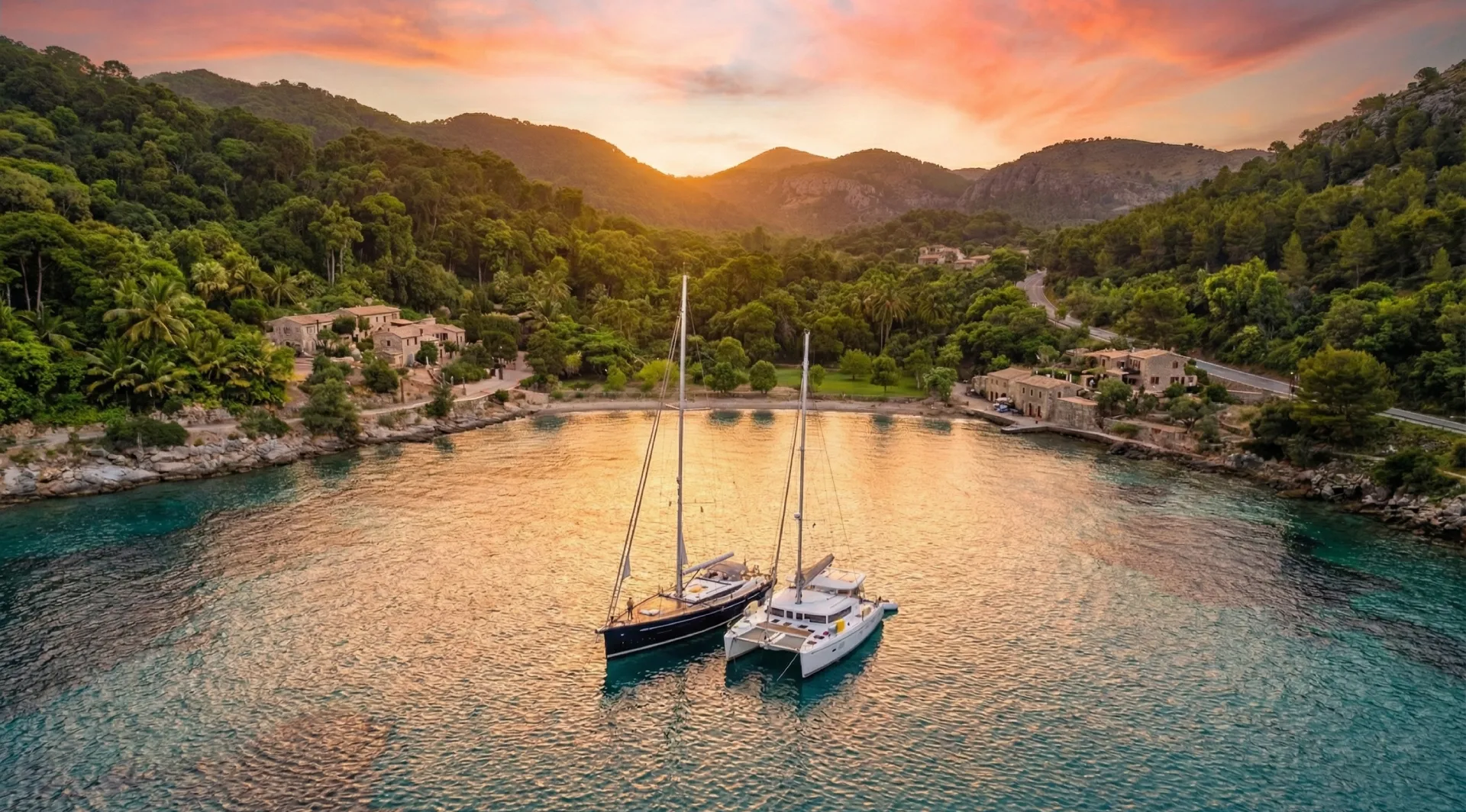
Sailing the Stockholm Archipelago: routes, conditions and practicalities
The Stockholm Archipelago in Sweden strings together more than 30,000 islands, skerries and inlets from the edge of downtown Stockholm to the Baltic horizon. Protected waters, negligible tides and well-marked fairways create an approachable cruising ground for competent skippers, while the granite-fringed anchorages and pine forests deliver a Scandinavian wilderness within easy reach of an international capital. Expect civilised guest harbours with hot showers and saunas one night, then a quiet stern-to berth against a warm rock slab the next. This guide sets out when to go, how the winds behave, where to berth, and what to know before you charter, with two practical itineraries to get you under way.
Quick links
- Sailing the Stockholm Archipelago: routes, conditions and practicalities
- Why Sail in Sweden's Stockholm Archipelago?
- Itineraries
- When to go
- Wind and weather
- Getting there
- Chartering
- Licences and formalities
- Anchorages and marinas
- FAQs
- References
Why Sail the Stockholm Archipelago?
The Stockholm archipelago offers variety in compact distances. Inner channels thread past wooden boathouses and ferry routes; the mid-skerries provide sheltered reaches for reliable day-sailing; the outer rim faces the open Baltic with a sense of expedition, yet still within navigational comfort for a well-prepared crew. You can shape a week to suit your ambitions: hop between guest harbours with restaurants, or anchor in nature reserves where mooring rings are set into granite.
Conditions are forgiving by ocean standards. Tidal range is negligible, currents are weak, and charts are excellent. Summer days are long, often with a helpful afternoon sea breeze. When a front passes, you can retreat into the skerries and still make steady, scenic progress. And if you crave a city fix, you can finish at a quay beside the Vasa Museum and be at a Michelin-starred table by nightfall.
Logistics are simple. Stockholm's airports, trains and ferries bring you close to several major charter bases. Provisioning is straightforward, with dependable island shops at hubs like Sandhamn, Möja and Utö. Add in Sweden's strong marine infrastructure - fuel docks, pump-out stations, saunas and family-friendly facilities - and you have a cruising ground that is both adventurous and reassuring.
Finally, the culture of the skärgård is a draw in itself. Quiet respect for nature governs behaviour afloat and ashore. You will learn the Scandinavian art of taking lines ashore, reading cardinal marks, and savouring late-evening light on warm rock. It is a distinct style of sailing that many visitors return to master.
Stockholm Archipelago Itineraries
Below are two tried-and-tested routes to suit different schedules and appetites for exploration. Each itinerary blends guest harbour comforts with classic nature harbours, keeps legs comfortably within day-sailing range, and stays inside charted, well-marked fairways. Use them as a framework and adjust for weather, crew energy and what catches your eye along the way.
For those seeking a more comprehensive itinerary full of things to do and insider tips, check out our Stockholm Archipelago: 7-day sailing itinerary from Saltsjöbaden.
Classic Central-Outer Loop (7 days from Bullandö)
A 7-day route. Adjust legs to forecast, moorings and crew preferences.
A well-balanced loop sampling inner fairways, the yachting hub of Sandhamn and the evocative outer skerries at Huvudskär. Designed for first-time archipelago crews who want variety without long passages.
Day 1: Bullandö to Napoleonviken (Ägnö)
Collect your yacht, check systems and charts, then ease into archipelago pilotage with a short hop of roughly 10-14 NM. Napoleonviken is a textbook granite-lined natural harbour for your first Scandinavian stern-to with shorelines. Approach slowly with a bow lookout; test holding with the stern anchor and run long floating lines to rings or sturdy pines.
Day 2: Napoleonviken to Sandhamn (Sandön)
Work east through well-marked fairways to the archipelago's yachting hub, a pleasant 12-18 NM depending on route. Sandhamn offers guest berths, fuel, bakeries and walks over wind-swept dunes. In high season, arrive mid-afternoon for the best choice of berths and consider booking restaurants ahead.
Day 3: Sandhamn to Huvudskär
Pick a settled day for this outer-skerries leg of around 18-25 NM. Granite islets, low scrub and a true Baltic horizon make Huvudskär feel remote, yet it remains charted and achievable in fair weather. Expect short, steep chop if the wind is up; stay inside marked sectors and favour leading lines when entering the harbour.
Day 4: Huvudskär to Nämdö
Return to the mid-archipelago via protected routes, typically 12-20 NM. Nämdö's coves and guest jetties provide shelter and a slower pace. Solvik/Lugnet offers a friendly guest harbour; alternatively, pick a nature cove and enjoy a quiet evening swim from smooth rock slabs.
Day 5: Nämdö to Finnhamn
Thread north via Lådna's pretty channels and into Finnhamn's wooded anchorages, about 12-16 NM. The approach uses well-marked leads; keep speeds conservative and post a lookout. Ashore, short trails reach viewpoints across the skerries and there's often a small café in season.
Day 6: Finnhamn to Vaxholm
A pleasant reach brings you to Vaxholm, 14-20 NM depending on your route. This colourful gateway town to the inner archipelago has castle views, ice-cream kiosks and good connections if crew are joining or leaving. Watch for ferries and respect local speed limits near settlements and bathing areas.
Day 7: Vaxholm to Bullandö via Gällnö/Svartsö
Complete the loop on sheltered inner routes, roughly 12-22 NM. Pause for a swim at Gällnö or lunch stop at Svartsö before returning the yacht at Bullandö. Refuel, pump out and allow time for an unrushed handover.
Northern Skerries Explorer (10 days from Gåshaga, Lidingö)
A 10-day route. Adjust legs to forecast, moorings and crew preferences.
A slightly longer adventure that pushes further into the austere beauty of the northern outer skerries. Expect a rewarding mix of guest harbours, small island shops and classic nature nights with shorelines to warm granite.
Day 1: Gåshaga to Vaxholm
A short shakedown through busy inner fairways, 8-12 NM. Practise ferry awareness and leading-line navigation before entering Vaxholm's guest harbour. Use this stop to fine-tune stowage and routines.
Day 2: Vaxholm to Grinda
Slip out to mid-archipelago waters on an easy 10-14 NM hop. Grinda combines sandy beaches, a well-run guest harbour and nature trails. It's a family-friendly stop with good swimming in settled weather.
Day 3: Grinda to Möja
Navigate north-east via Husarö or Träskö Storö, then on to Möja's Kyrkviken or Berg, 16-22 NM. Shops and fuel operate in season; top up water and fresh food. Expect ferries on set tracks - maintain a predictable course and speed.
Day 4: Möja to Norrpada
Short hop, often 8-12 NM, to the low, outer skerries of Norrpada. Choose a granite cove and take shorelines for a classic nature night. Arrive early to scout depths and pick a spot with shelter from the forecast wind shift.
Day 5: Norrpada to Rödlöga
Keep to charted channels among islets and reefs on this 8-12 NM leg. Rödlöga has a small summer store and beautiful, austere scenery. Enjoy evening walks over lichen-covered rock and long northern light.
Day 6: Rödlöga to Fejan
Turn north-west 12-18 NM to Fejan for guest jetties and a relaxed hostel atmosphere. It's a good staging point if a front is passing, with snug berths and short walks among pines.
Day 7: Fejan to Arholma
Optional northern apex, 8-14 NM. Arholma provides historic pilot-station interest and guest facilities before you bend south again. In stronger winds, consider an extra night at Fejan or a sheltered alternative.
Day 8: Arholma to Husarö
Return along the deep fairway and re-enter the mid-skerries, 16-22 NM. Husarö is a quiet, well-protected stop in settled or breezy weather, with simple facilities and calm, wooded surroundings.
Day 9: Husarö to Svartsö or Gällnö
A flexible penultimate day among wooded channels, 8-14 NM. Both islands offer swimming rocks, short walks and mooring options - choose based on wind angle and how lively you want your final evening to be.
Day 10: Svartsö/Gällnö to Gåshaga via Vaxholm
Slip back into the inner archipelago with care around ferry fairways, typically 14-20 NM depending on detours. Refuel and hand back at Gåshaga, leaving time for pump-out and checkout.
When to go
Mid-June to late August is the prime season. Days are long, island facilities are open, and sea temperatures reach 16-20 °C. Expect many reliable, warm, dry spells interspersed with brief frontal passages. May and September are quieter and often beautiful, but nights are cooler, some services reduce hours, and water temperatures are lower. Outside these months, conditions become progressively cold and unsettled and ice can form in winter; most charter fleets and guest harbours close.
For peak ambience with manageable crowds, late June after Midsummer and the last two weeks of August are particularly pleasant. July is vibrant and festive but berths in hubs such as Sandhamn, Grinda and Utö fill quickly - arrive earlier in the afternoon or plan for nature nights nearby.
Wind and weather in Stockholm
Summer winds are typically south-westerly to westerly with a regular afternoon sea-breeze component. Expect 8-15 knots most days in June-August, with fresher spells during and after fronts. Inside the skerries the sea state is generally slight; outside, the Baltic develops a short, steep chop when the wind is up. Fog can occur in late spring and early summer, usually clearing with the sun. Thunderstorms are sporadic in high summer; plan arrivals at tight fairways accordingly. Tides are negligible, but wind and barometric pressure can shift water levels by 0.2-0.5 m at times. Currents are weak. Daylight is generous: in late June you may have usable light well past 22:00, which supports conservative passage planning and unhurried pilotage.
Local effects matter. Narrow sounds can funnel gusts, and sun-warmed rock often strengthens the afternoon breeze. Check marine forecasts daily and note any strong wind warnings; if the outer rim looks boisterous, excellent sheltered alternatives criss-cross the mid-skerries.
Getting there
Stockholm Arlanda (ARN) is the main international airport; Bromma (BMA) serves European routes. Both connect by train, bus and taxi to central Stockholm. Typical surface times to major charter bases are 45-70 minutes by road: Bullandö Marina (Värmdö), Saltsjöbaden, Gåshaga (Lidingö) and Vaxholm. Public transport is effective: commuter rail plus the Saltsjöbanan light railway reach Saltsjöbaden; buses run to Värmdö marinas. Baltic ferries from Finland, Estonia and Latvia arrive near the city, offering an alternative for crews driving from continental Europe.
| Base | Area | By car/taxi from ARN | Public transport (typical) |
|---|---|---|---|
| Bullandö Marina | Värmdö | 60-75 min | Bus via Slussen to Värmdö hubs, 70-90 min |
| Saltsjöbaden | Nacka | 40-50 min | Commuter rail + Saltsjöbanan, ~50-60 min |
| Gåshaga | Lidingö | 40-55 min | Metro to Ropsten + Lidingöbanan/bus, 40-60 min |
| Vaxholm | Inner archipelago | 45-60 min | Bus from city or ferry, 50-75 min |
| Nynäshamn | Southern gateway | 60-75 min | Pendeltåg (commuter train), 60-75 min |
If you plan a city finish, Wasahamnen (beside the Vasa Museum) provides a memorable last night with straightforward taxi access to stations and airports.
Chartering in the Stockholm Archipelago
Bareboat and skippered yachts are available from several bases including Bullandö (one of the Nordics' largest marinas), Saltsjöbaden, Gåshaga on Lidingö and, to the south, Nynäshamn. Fleets are predominantly 30-50 ft monohulls; a handful of catamarans operate, though beam can limit choice of nature berths. One-way trips within the archipelago may be possible by arrangement.
Provisioning is simple. Large supermarkets near Stockholm and at Värmdö cover the main shop; island stores at Sandhamn, Möja, Lådna, Grinda and Utö top up fresh items in season. Fuel and water are available at major guest harbours (check opening hours early and late season). Pump-out stations are widespread and should be used routinely.
Expect Scandinavian standards in briefings and equipment. Ground tackle is sized for rocky coves; many yachts carry stern anchors and long floating shorelines. Dinghies are common but you will often step ashore directly onto rock. Ask your operator about recommended fairways, any exclusion zones (such as bird sanctuaries), and whether passages to the outer rim or to Åland are permitted under your contract and weather policy.
Boat choice tips: a moderate draft (1.6-2.1 m) and a reliable bow thruster ease close-quarters work. Cockpit-enclosure panels and heating extend comfort on cooler evenings. Mosquito screens and long shorelines (60-100 m total) are genuinely useful.
Licences and formalities
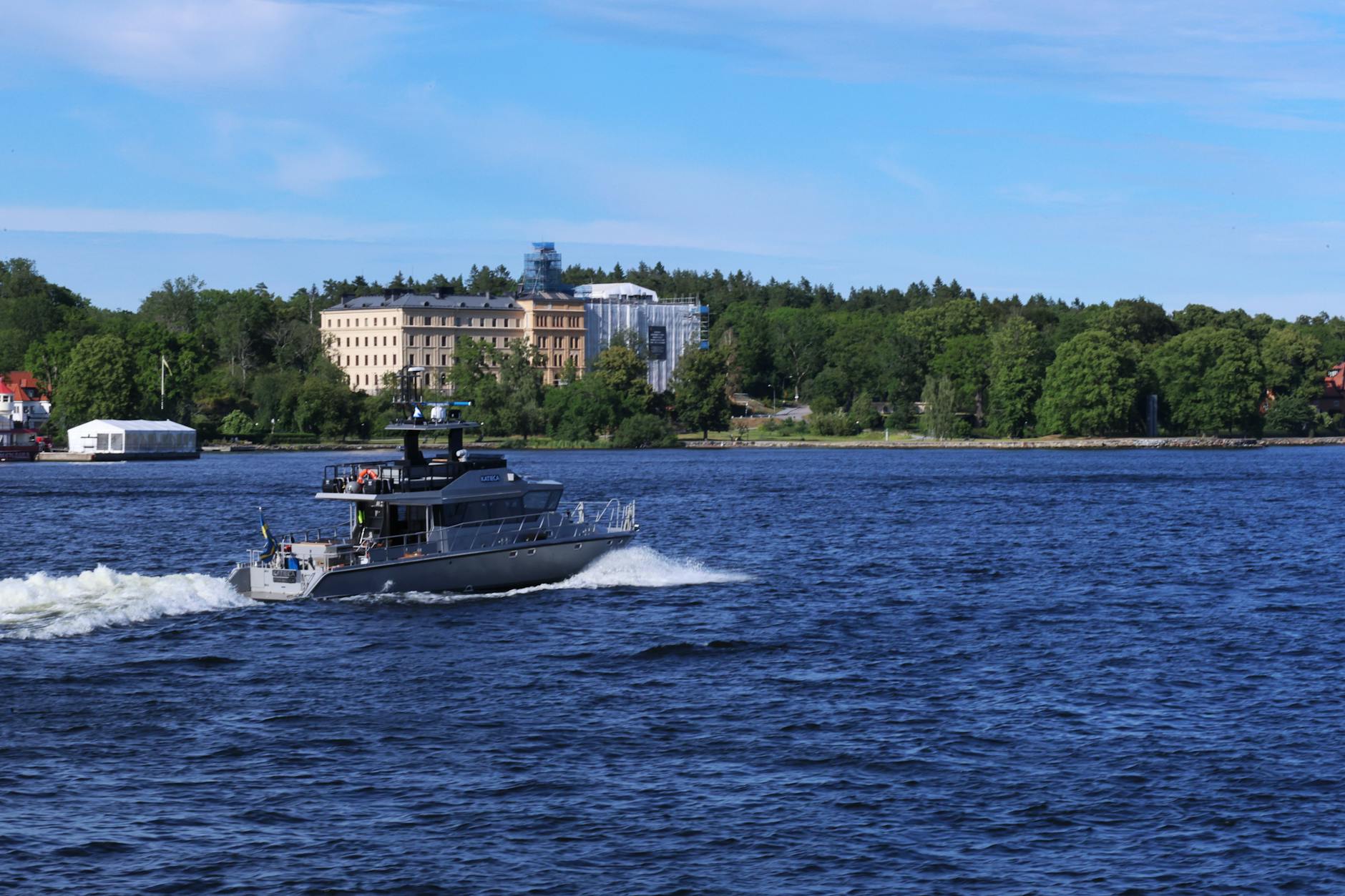
For bareboat charter most operators require an International Certificate for Operators of Pleasure Craft (ICC) with a coastal endorsement, or a national equivalent such as RYA Day Skipper practical supported by an ICC. A VHF Short Range Certificate (SRC) is commonly requested if you will operate the radio. Minimum skipper age is often 18-21 years. Carry photo ID for all crew.
Sweden has negligible formalities for visiting EU yachts. The Baltic is a No-Discharge area for sewage; use pump-out facilities and holding tanks at all times. Respect local speed limits (often 5-8 knots near harbours, bathing areas and ferry routes) and observe seasonal restrictions in nature reserves and bird or seal sanctuaries. The archipelago uses IALA Region A buoyage; cardinal marks and leading lines are widely employed. Paper charts at large scale are recommended to complement electronic navigation in rock-strewn areas.
Monitor standard calling and safety channels and keep an ear on routine weather updates. Notices to mariners and local advisories for fairway works are worth checking before any longer outer-rim legs.
Anchorages and marinas
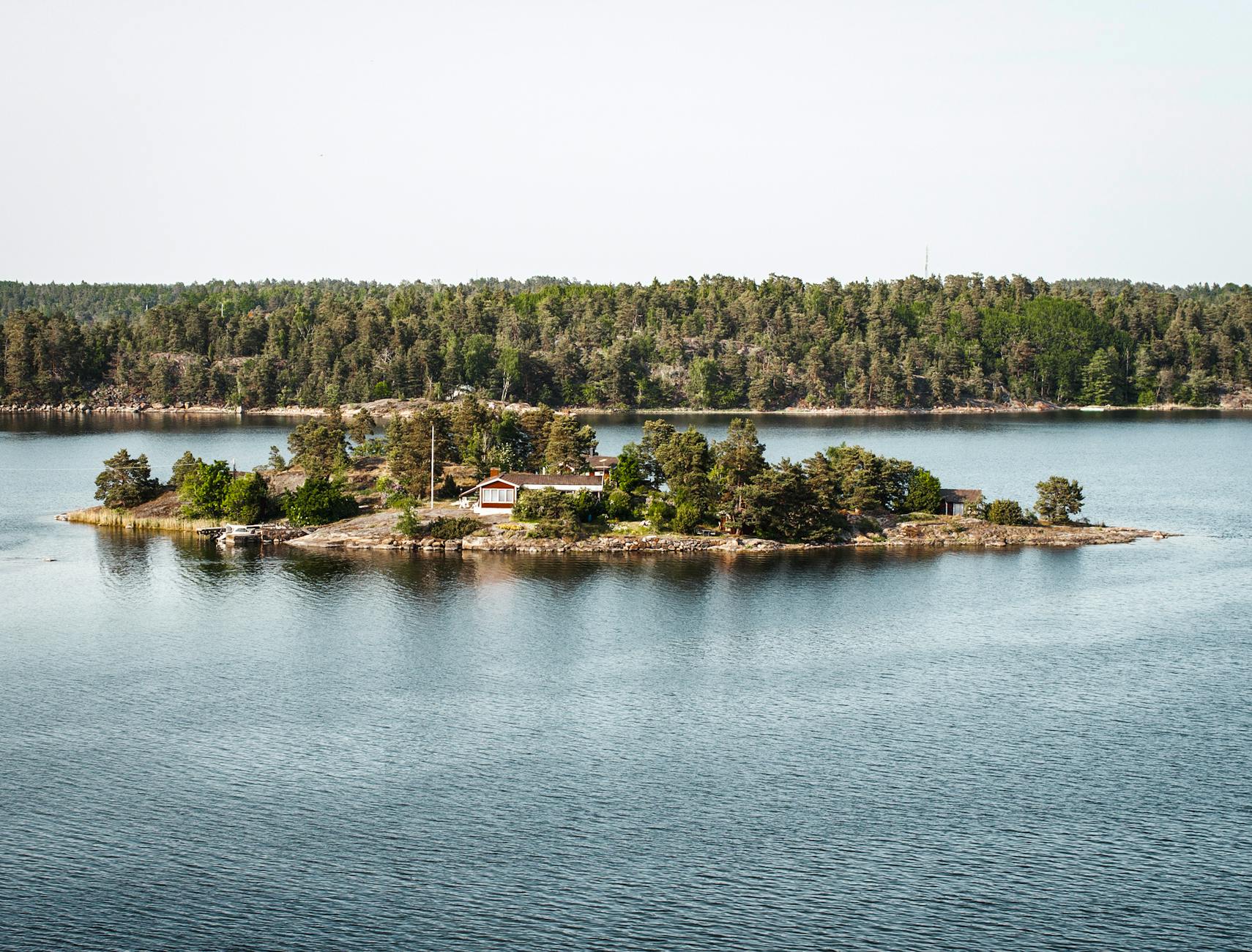
You will use two main styles of stop. Guest harbours (gästhamn) provide alongside or finger-berth moorings, showers, laundry, fuel and often a sauna or restaurant. Nature harbours are quiet coves or rock notches where you go bow- or stern-to and run one or two long lines ashore to rings set in the granite or to sturdy trees. Depths can shelve quickly; approach slowly and post a bow lookout in clear water.
Notable bases and stops include Wasahamnen (central Stockholm, for a city finish), Saltsjöbaden (close-in base with services), Bullandö (large marina with multiple chandlers), Vaxholm (colourful town, good for crew changes), Grinda (family-friendly guest harbour), Finnhamn (wooded anchorages and walks), Möja (Kyrkviken and Berg for shops and fuel), Sandhamn (yachting hub at the outer edge), Utö (historic mining village and large guest harbour), and Nynäshamn (southern gateway with frequent trains to Stockholm). Outer-island favourites include Huvudskär, Rödlöga, Norrpada, Träskö Storö, Lådna and Napoleonviken. Many are nature reserves - check access rules and fire restrictions before lighting any grill.
Facilities are seasonal, typically mid-May to early September, peaking in July. Overnight fees for a 10-12 m yacht commonly sit in the 300-600 SEK range in the mid-archipelago, higher in central Stockholm. Electricity and showers may be charged separately. Freshwater is usually available at guest harbours but rarely at nature berths.
Stern-to technique refresher: prepare fenders and a stern anchor; send a crewmember forward with a long floating shoreline. Nudge in dead slow, gently set the stern anchor, then secure one or two lines ashore to rings or trees before fine-tuning tension on both the anchor and shorelines. Leave space for neighbours and avoid trampling sensitive vegetation.
FAQs
How challenging is navigation in the Stockholm Archipelago?
Pilotage is intricate but fair. Rocks, skerries and narrow fairways demand large-scale charts, a bow lookout in clear water, and conservative speeds. Cardinal marks and leading lines are common and well maintained. Choose outer-rim passages only in settled weather.
Are tides significant?
Tidal range is negligible. However, wind and pressure can raise or lower water levels by a few decimetres. Allow for this when approaching shallow nature berths.
Can I anchor freely under Allemansrätten?
You can anchor in many places, but nature reserves have specific rules and seasonal exclusions. Keep clear of bird and seal sanctuaries, observe local signage, and avoid damaging vegetation when taking shorelines.
What clothing should I pack in summer?
Bring layers: a breathable base, warm mid-layer, and a proper waterproof. Evenings can be cool on the water. Footwear with good grip for smooth granite is useful, and insect repellent helps at dusk in sheltered bays.
Is mobile coverage reliable?
Coverage is generally good across the inner and mid-archipelago and adequate at many outer anchorages. Download charts for offline use and monitor SMHI marine forecasts by VHF or data when available.
Are there hazards unique to this area?
Glacially smoothed rock shelves are the main hazard. Many are awash or just submerged. Stay within marked fairways when under way at speed, and approach any unmarked cove dead slow with a lookout.
Do charter companies allow passages to Åland or Gotland?
Possibly, but only with prior approval and suitable weather windows. Many contracts limit cruising to the Stockholm Archipelago and adjacent coastal waters. Confirm your permitted area during booking.
References
- https://www.cruiserswiki.org/wiki/Sweden%E2%80%99s_Stockholm_Archipelago
- https://www.transportstyrelsen.se/en/road/Maritime/Leisure-boats/Environmental-regulations-for-pleasure-boats/
- https://www.smhi.se/en/weather/sweden-weather/marine-forecast
- https://www.sjofartsverket.se/en/Maritime-services/Hydrographic-Information/
- https://www.skargardsstiftelsen.se/in-english/
- https://www.visitstockholm.com/see-do/areas/stockholm-archipelago/
- https://www.rya.org.uk/knowledge/abroad/icc
Charter a Yacht
Compare crewed & bareboat charters, learn the best months to sail, and get a custom shortlist from 500+ providers.