Sailing in Galicia's Rías Baixas & Cíes Islands: routes, conditions and practicalities
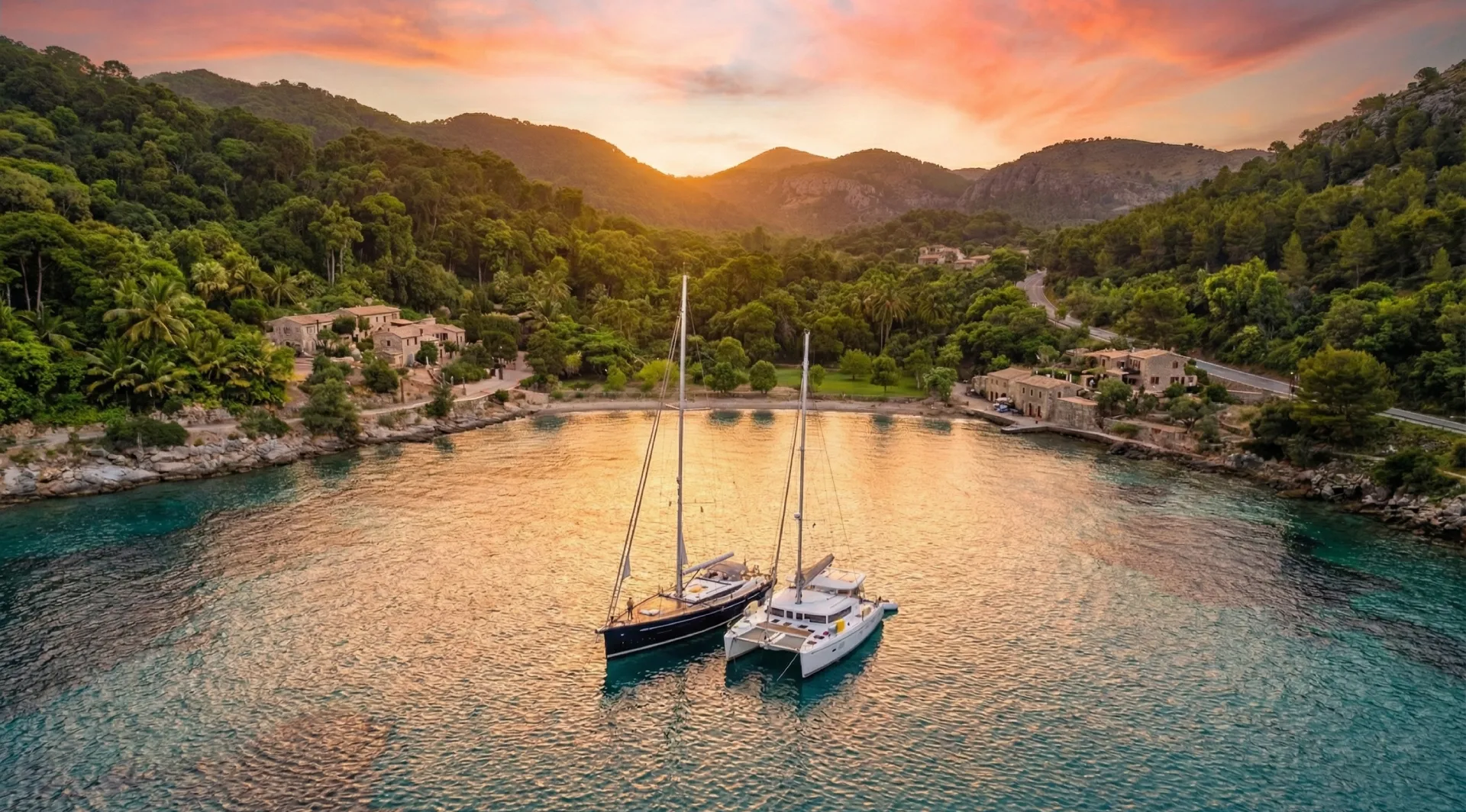
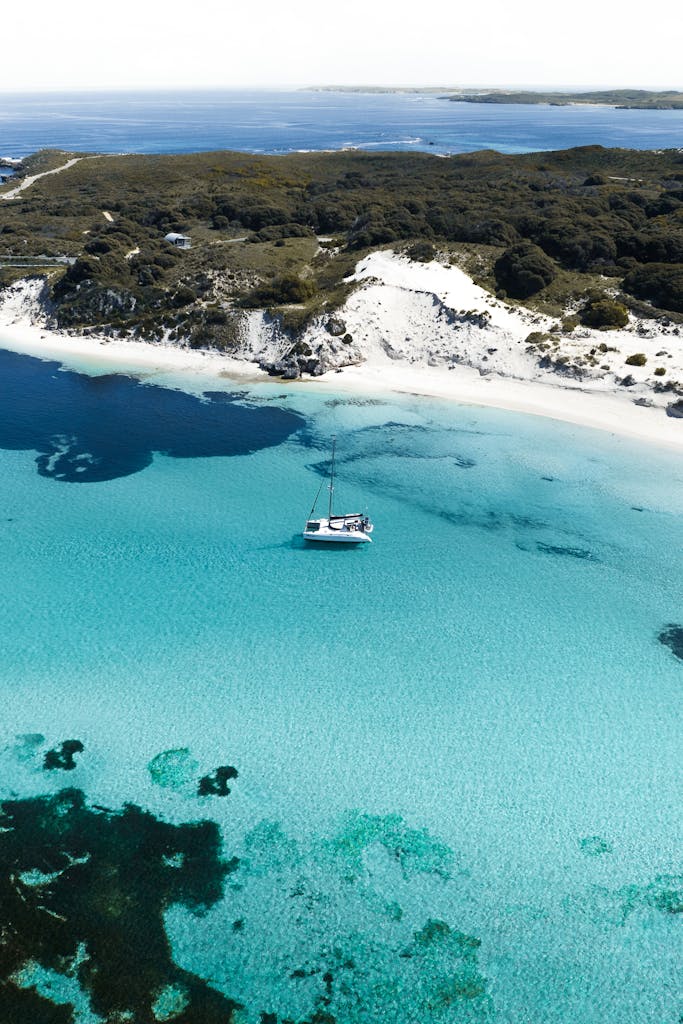
The Rías Baixas are a series of four estuarine inlets located on the southwestern coast of Galicia, Spain. This sailing paradise offers a rare blend of ocean drama and ria tranquillity. A necklace of deep, fjord-like inlets, screened from the Atlantic by protective islands, creates day-sailing passages with character and choice: open-water reaches outside; flat-water pilotage, anchorages and charming towns inside. The Cíes Islands - the turquoise heart of a national park - add pristine anchorages and white-sand crescents that feel a world away, yet lie less than 10 nautical miles from Vigo and Baiona. Summer brings a dependable northerly 'Nortada' and clean sea breezes, while the rías soften swell and shorten fetch, making this one of Europe's most rewarding summer cruising grounds for competent crews. Expect proper pilotage with tides, marks and mussel rafts to thread; expect seafood suppers and stone harbours at day's end.
Quick links
- Why Sail in Galicia's Rías Baixas & Cíes Islands?
- Itineraries
- When to Go
- Wind and Weather
- Getting There
- Chartering
- Licences and Formalities
- Anchorages and Marinas
- FAQs
- References
Why Sail in Galicia's Rías Baixas & Cíes Islands?
A compact cruising ground with big-water options, the Rías Baixas deliver variety without long slogs. You can shape each day to the forecast: slip outside to play in the Atlantic, or slide inside the rías for calmer water and close-hauled tacks under a lively sea breeze. The geography is on the sailor's side; the islands of the Atlantic Islands National Park blunt the swell and gift scores of anchorages that still feel secluded in high season.
Culture and cuisine are part of the passage plan. Granite quays, hórreos on the waterfront at Combarro, and old harbours like Muros reward short hops with memorable landfalls. Mussel farms and cool, upwelled waters underpin Galicia's renowned seafood, and many marinas sit within easy strolling distance of outstanding pulperías and marisquerías. Add modern facilities in Vigo, Baiona, Sanxenxo and Vilagarcía and you have a region that is wonderfully accessible yet unmistakably Atlantic.
For nature-led cruising, the Cíes, Ons and Sálvora islands are standouts. Their translucent anchorages and hiking trails come with clear rules that preserve the sense of place: simple, sustainable, and special. With consistent summer winds, modest tidal streams and plentiful all-weather refuges, the area suits confident skippers looking to stretch beyond the Mediterranean while keeping logistics straightforward.
Itineraries
Below are two seven-day routes that balance Atlantic passages with sheltered ría sailing. Adjust daily runs to tide, swell and crew energy, and always carry the required national park permits before planning overnight stops at the Cíes, Ons or Sálvora islands.
7-day Vigo, Cíes and Ría de Pontevedra circuit
A 7-day route. Adjust legs to forecast, moorings and crew preferences.
A southern Rías Baixas classic, this loop uses Vigo as a flexible hub. It takes in the famed Rodas anchorage, a mainland hideaway beneath Cabo Home, and the cultured shores of the Ría de Pontevedra before a satisfying outside leg to Baiona. Expect 10-30 nautical miles per day, mostly downwind or reaching in the prevailing Nortada, with short, scenic in-ría pilots to break up the week.
Day 1: Vigo to Cíes (Rodas Anchorage)
Cast off from Vigo and shape a short passage across the mouth of the ría to the Cíes. Arrive early to secure space and enjoy a first swim in clear, cool water. Permits are required for both anchoring and going ashore. It is an easy 7-10 nm hop; anchor in sand with excellent holding and allow for the tidal range. Rangers routinely check documentation in peak season.
Day 2: Cíes exploration, then Ensenada de Barra
Walk the island trails in the morning, then make a short hop to Ensenada de Barra on the mainland side of the Vigo entrance. Settle behind Cabo Home for a calm night in northerlies. Expect light wrap-around swell if the Atlantic is lively; in those conditions, tuck well in or consider the inner ría instead. The bay is sandy, with good holding and a famously broad beach.
Day 3: Barra to Sanxenxo (Ría de Pontevedra)
Round Cabo Home and run east into the Ría de Pontevedra. Choose a lunch stop off Bueu if settled, then continue to the modern marina at Sanxenxo for shore power and a smart paseo. Watch for acceleration near the headland and give fishing gear a wide berth; keep to the marked channels past Marín's naval zone. Call ahead in high summer, as berths are popular.
Day 4: Sanxenxo to Combarro
A short, scenic in-ría leg rewards unhurried pilotage. Berth or anchor off Combarro to explore its waterfront hórreos and cobbled lanes. Depths shoal near the village; arrive near mid-tide or higher for easier manoeuvring, and mind wash from passing craft. The evening light on the granite waterfront is a highlight.
Day 5: Combarro to Ons Island
Exit via the marked fairways, watching for mussel rafts and pot markers. Anchor off the village on the east side of Ons or under Melide in settled northerlies. Permits apply for the national park. Ferries run frequently in summer; lie outside their tracks and set plenty of scope in the sandy patches for a quiet night.
Day 6: Ons to Baiona
A satisfying coastal leg outside the rías in the prevailing Nortada. Round Cabo Silleiro with a courteous offing and enter Baiona, home to the Monte Real Club de Yates. Plan arrival for a comfortable tide at the harbour entrance if swell is running. Fuel, water and excellent shoreside dining make this a great penultimate stop.
Day 7: Baiona to Vigo
A relaxed final reach back into the Ría de Vigo. If time and tide allow, detour under the Rande Bridge towards San Simón for a quiet lunch stop before returning to base. Keep clear of shipping lanes and mussel farms, and leave time for checkout and refuelling.
7-day Ría de Arousa and Muros e Noia loop (from Vilagarcía)
A 7-day route. Adjust legs to forecast, moorings and crew preferences.
This itinerary focuses on the expansive Ría de Arousa before stepping north to the atmospheric Ría de Muros e Noia. Distances are modest, but navigation is engaging, with weaving between bateas, attention to pot markers and careful cape roundings when you head out to Sálvora or up past Corrubedo.
Day 1: Vilagarcía to Illa de Arousa
Slip lines in Vilagarcía and make a short hop north inside the ría. Weave between mussel rafts and anchor off Area Secada for a beachy first night. Expect flat water, sandy holding and lively sea-breeze sailing in the afternoon; early arrivals secure the best spots.
Day 2: Illa de Arousa to A Pobra do Caramiñal
Continue to the north shore for a marina berth or anchorage off A Pobra. Enjoy tapas and a gentle evening paseo. Depths are generous, but be methodical threading the raft fields; nights here are peaceful with good provisioning options close by.
Day 3: A Pobra to Sálvora Island (weather- and permit-dependent)
Pick a settled day to venture to Sálvora on the ría's western edge. Clear water and wild scenery reward the extra care on approach. Permits are required and landing may be restricted. If there's any swell running, rig a snubber and consider a stern line to keep the bow into the roll; otherwise plan a lunch stop and return inshore.
Day 4: Sálvora to Muros
Round Cabo Corrubedo with a fair margin and head north to the beautifully preserved town of Muros for a sheltered marina and handsome arcades. Overfalls can set up off the cape with wind-against-tide; a wider offing keeps things comfortable. Muros' old quarter is one of Galicia's finest strolls.
Day 5: Muros to Portosín
A short leg across the Ría de Muros e Noia to the well-equipped marina at Portosín. Use the afternoon for provisioning, maintenance or a hike inland. Expect funnelled breeze mid-afternoon; reefs in early if you plan a relaxed crossing.
Day 6: Portosín to Ribeira or A Pobra (Ría de Arousa)
Re-enter Ría de Arousa, keeping a keen eye for fishing traffic and pot markers. Choose Ribeira or return to A Pobra depending on wind and plans. Both offer secure berths and access to services; call ahead in August to guarantee a spot.
Day 7: Return to Vilagarcía
A final in-ría sail back to base. Arrive with time to refuel and debrief over a last plate of pulpo á feira. Allow for checkout formalities and a leisurely tidy-down before travel.
When to Go
Late May to late September is the sweet spot. July and August bring the most reliable sunshine and the strongest, most regular Nortada; expect daytime highs of 22-27 °C on the coast, cooler at sea, and sea temperatures around 15-19 °C. The rías often enjoy calmer water than the open coast, so even breezy days remain comfortable for crews who prefer flat water.
April, May and October can be delightful shoulder months with quieter anchorages and cooler nights, but they are more unsettled and noticeably wetter. Outside these months the region reverts to a true Atlantic climate: frequent lows, a bigger, longer-period swell and occasional storms. Whenever you sail, pack layers, a proper spray top and a warm sleeping bag; nights can be fresh even in high summer. Daylight runs long in June and July, giving relaxed windows for passages and shore time, while August sees the highest marina demand and tighter national park permit availability.
Wind and Weather
Summer is defined by the Nortada, a pressure- and thermally-driven N to NW regime established between the Azores High and the Iberian heat trough. Expect morning lulls that build to 12-22 knots by early afternoon outside the rías, strongest near capes and acceleration zones. Inside the rías the gradient wind is often moderated and bent by topography; a reliable westerly sea breeze can set up most afternoons, giving pleasant flat-water sailing under reefed headsails when the outer coast is in full voice.
Spring and autumn are more variable. Ahead of Atlantic fronts, winds veer southerly and can rise quickly to the mid-20s knots with rain, before swinging W to NW in the post-frontal airstream. Winter delivers the most frequent gales and the heaviest rain. Ocean swell is a constant consideration outside the rías; NW to W swell can wrap around headlands and make some outer anchorages rolly even in light winds, while inner rías remain largely swell-free.
Fog is a known summer companion, especially in late spring and early summer when upwelling chills the sea. Patchy morning fog usually burns off by midday but can linger. Radar, AIS and a disciplined watch are helpful. Tides are moderate by Atlantic standards. Expect a typical range of 2-3.5 metres, with weak streams inside the rías but locally stronger sets around headlands, narrows and at the mouths of the rías. Plan entrances and exits with tide and swell in mind, give capes such as Silleiro, Home and Corrubedo a sensible offing, and use the well-marked channels and cardinal marks to stay clear of rocks and shoals.
Practical tips: reef early before rounding exposed capes, secure loose gear for outside legs, and keep a careful lookout for pot markers, especially near dawn and dusk. A rope cutter is a worthwhile extra in these waters.
Getting There
Vigo (VGO) is the handiest airport for the southern rías and the Cíes, with frequent connections via Madrid and seasonal links to other European hubs. Santiago de Compostela (SCQ) serves the central and northern rías, including Arousa and Muros e Noia, and is about an hour's drive from Vilagarcía or Portosín. A Coruña (LCG) works for those combining a longer Galician cruise. Porto (OPO) in northern Portugal is a useful alternative with extensive routes and an easy motorway drive to Baiona or Vigo in 1.5-2.5 hours.
RENFE rail links connect Vigo, Pontevedra and Vilagarcía with Santiago and Madrid, and the AP-9 motorway runs north-south along the coast. If you prefer to drive from the UK, ferries to Santander or Bilbao followed by a 6-7 hour road transfer get you there with your own kit on board. Local fast ferries serve the Cíes and Ons islands for day visitors, but private yachts must hold permits to anchor and land. Pre-book a taxi or private transfer for late arrivals, and allow time at base for provisioning; most large supermarkets are a short walk or brief cab ride from marinas.
Chartering
Bareboat and skippered charters are well established, with bases clustered around Vigo, Baiona, Sanxenxo and Vilagarcía. You'll find modern monohulls from 32-45 feet and an increasing number of catamarans, typically equipped with heating, full cockpit enclosures and robust ground tackle suited to Atlantic nights at anchor. Provisioning is straightforward: large supermarkets sit close to most marinas, and Galicia's markets excel for fresh fish, shellfish and produce.
The sailing is varied but manageable. Crews can mix short, scenic hops inside the rías with livelier legs outside the islands. The dependable summer wind, sheltered water options and abundant safe harbours make this an excellent choice for competent skippers building experience beyond the Mediterranean. One-way itineraries within Galicia are sometimes available by arrangement; crossing to northern Portugal is feasible but may incur repositioning fees and formalities.
Book early for late June through August, especially if your plan hinges on the Cíes or Ons. Ask charter operators about included extras (outboard, bedding, final cleaning), security deposits and insurance waivers, and confirm fuel, water and pump-out access at your base. A thorough handover should cover national park permits, local hazards, VHF procedures and a recommended weather and tide information routine.
Licences and Formalities
Charter companies in Spain typically require an ICC (International Certificate of Competence) for sailboats (coastal/inshore endorsement) or a recognised national equivalent. For RYA holders, Day Skipper Practical plus an ICC is commonly accepted; many operators will additionally ask for the SRC (Short Range Certificate) for VHF. North American equivalents such as ASA 104/114 are often accepted at the company's discretion. Skippers of larger yachts or those venturing further offshore may be asked to demonstrate relevant experience on similar vessels, especially for catamarans.
Carry the original of your skipper's licence, passports for all crew, and the yacht's registration and insurance documents. Within the Atlantic Islands National Park (Cíes, Ons, Sálvora, Cortegada) you must obtain a vessel anchoring permit and, separately, personal access authorisations for going ashore. Numbers are capped, especially in summer, and checks are routine. Standard Spanish cruising regulations apply elsewhere: monitor VHF 16, respect fishing areas and gear, and follow the well-marked buoyage. Your charter base will brief you on local notices to mariners and any seasonal restrictions.
Permits in practice: apply online well in advance for your intended dates, keep digital and printed copies aboard, and be ready to adjust plans if daily quotas are reached. If weather precludes an island stop, the rías offer ample mainland alternatives with similar protection.
Anchorages and Marinas
Ría de Vigo: A busy, well-serviced ría with excellent protection and varied stops. Vigo itself offers multiple marinas, chandlery and repair. The Monte Real Club de Yates in Baiona is a favourite for an elegant stop before or after an Atlantic leg. At the ría's mouth, the Cíes Islands offer superb anchorages in settled weather; Rodas is the classic choice with quick access to trails. On the mainland side, Ensenada de Barra sits snug under Cabo Home and is comfortable in northerlies. The inner ría towards the Rande Bridge offers quieter pockets, though depths shoal and you must keep clear of shipping lanes.
Ría de Pontevedra: A day-sail playground with smart facilities. Sanxenxo's modern marina provides full services and an easy base for crew changes. Combarro's small marina and anchorage combine convenience with postcard views of granite houses and hórreos. Naval areas around Marín require adherence to marked channels and restrictions; check local notices. Ons Island lies at the ría's entrance and provides atmospheric anchorages on both east and north sides, subject to permits and wind direction.
Ría de Arousa: The largest of the rías and rich in culture and seamanship interest. Mussel rafts (bateas) are ubiquitous; they are well lit but demand attentive pilotage, especially at night. Vilagarcía is the main service hub, with further berths at A Pobra do Caramiñal, Ribeira and Cabo de Cruz. There are numerous beaches and anchorages off Illa de Arousa; the waters are generally flat, with many options to tuck in from breeze or swell. Sálvora Island guards the western approaches and offers a special, if weather-dependent, anchorage with permit.
Ría de Muros e Noia: More tranquil and traditional in feel, with handsome Muros offering a welcoming marina and good shelter. Portosín across the ría is modern and well protected. Outer anchorages near Louro and San Francisco are attractive in settled northerlies but can be lively in swell. Approaches around Cabo Corrubedo to the south and the ría entrance deserve a prudent offing in any swell.
General notes: Navigation is well buoyed but intricate, with many islets and rock patches. Use large-scale charts, keep a bow watch when weaving near shoals, and respect the cardinal marks. Pot markers are numerous and often low-profile; reduce speed in poor light and consider a rope cutter. Holding is generally good in sand or mud, but beware of kelp patches outside. In August, marinas can be busy; calling ahead is sensible, and national park permits should be secured in advance.
| Area | Key base/stop | Facilities | Notes |
|---|---|---|---|
| Ría de Vigo | Vigo | Multiple marinas, fuel, repairs, provisioning | Best-served port for chandlery and logistics |
| Ría de Vigo | Baiona (MRCYB) | Visitor berths, fuel, water, power | Book early in July-August; elegant shore facilities |
| Ría de Pontevedra | Sanxenxo | Modern marina, fuel, full services | Good for crew change and lay days |
| Ría de Pontevedra | Combarro | Small marina, anchorage | Mind depths and traffic; superb old town |
| Ría de Arousa | Vilagarcía | Marina, fuel, provisioning | Central hub for the ría; rail to Santiago |
| Ría de Arousa | A Pobra do Caramiñal | Marina, water, power | Handy for markets and restaurants |
| Ría de Muros e Noia | Muros | Marina, water, power | Excellent shelter; historic arcades ashore |
| Ría de Muros e Noia | Portosín | Modern marina, fuel, services | Well protected in most conditions |
FAQs
.faq-accordion details{border:1px #cccccc solid;border-radius:4px;margin:8px 0;}.faq-accordion summary{padding:10px 15px;cursor:pointer;display:flex;align-items:center;gap:8px;list-style:none;}.faq-accordion summary::-webkit-details-marker{display:none;}.faq-accordion summary::before{content:'▸';color:#12305c;font-weight:700;display:inline-block;transform:rotate(0deg);transition:transform .2s ease;}.faq-accordion details[open] summary::before{transform:rotate(90deg);}.faq-accordion p{padding:10px 15px;margin:0;}
How difficult is the sailing in the Rías Baixas?
For a competent skipper it is very manageable. Inside the rías you'll find flat water and short hops with clear buoyage. Outside, the Atlantic can be friskier with stronger afternoon winds and swell. Good pilotage, tidal awareness and sensible cape roundings are the keys.
Do I need permits for the Cíes or Ons islands?
Yes. The Atlantic Islands National Park requires a vessel anchoring permit and separate personal access authorisations for going ashore. Apply online and carry proof; numbers are limited in peak season.
When is the most reliable wind?
July and August bring the most dependable Nortada, typically building late morning and peaking mid-afternoon. Shoulders months have more variability but can still deliver excellent sailing.
What about tides and currents?
Expect 2-3.5 metres of range. Streams are gentle inside most rías but can freshen near narrows and headlands. Plan entrances and exits with tide and swell in mind, and use the well-marked fairways.
Is fog a concern in summer?
It can be, especially in late spring and early summer due to cold upwelled water. Fog is often patchy and burns off by midday. AIS, radar and a disciplined watch help; slow down and sound signals if visibility drops.
Are there many places to provision?
Yes. Vigo, Baiona, Sanxenxo, Combarro, Vilagarcía, A Pobra and Muros all have supermarkets within walking distance of marinas. Local markets are excellent for fresh seafood and produce.
Can I find all-weather shelter?
The rías offer multiple bolt-holes. In stronger northerlies, anchor behind the eastern shores and under headlands; in southerlies, the northern shores of the rías and marinas such as Muros, Portosín, Sanxenxo and Baiona provide reliable protection.
What water temperatures should I expect?
Typically 15-19°C in summer, cooler than the Mediterranean due to upwelling. Many crews appreciate shorty wetsuits for long swims and dinghy landings.
References
- https://www.cruiserswiki.org/wiki/Galicia%E2%80%99s_R%C3%ADas_Baixas_%26_C%C3%ADes_Islands
- https://www.cruiserswiki.org/wiki/Galicia
- https://www.aemet.es/en/serviciosclimaticos/vigilancia_clima/resumenes
- https://www.xunta.gal/parque-nacional-illas-atlanticas
- https://autorizacionillasatlanticas.xunta.gal/illas
- https://www.noonsite.com/place/spain/galicia/
- https://www.puertos.es/en-us/oceanografia/Paginas/default.aspx
- https://www.mrcyb.es/en/
- https://www.nautasanxenxo.com/en/
- https://www.portosdegalicia.gal/en
Charter a Yacht
Compare crewed & bareboat charters, learn the best months to sail, and get a custom shortlist from 500+ providers.