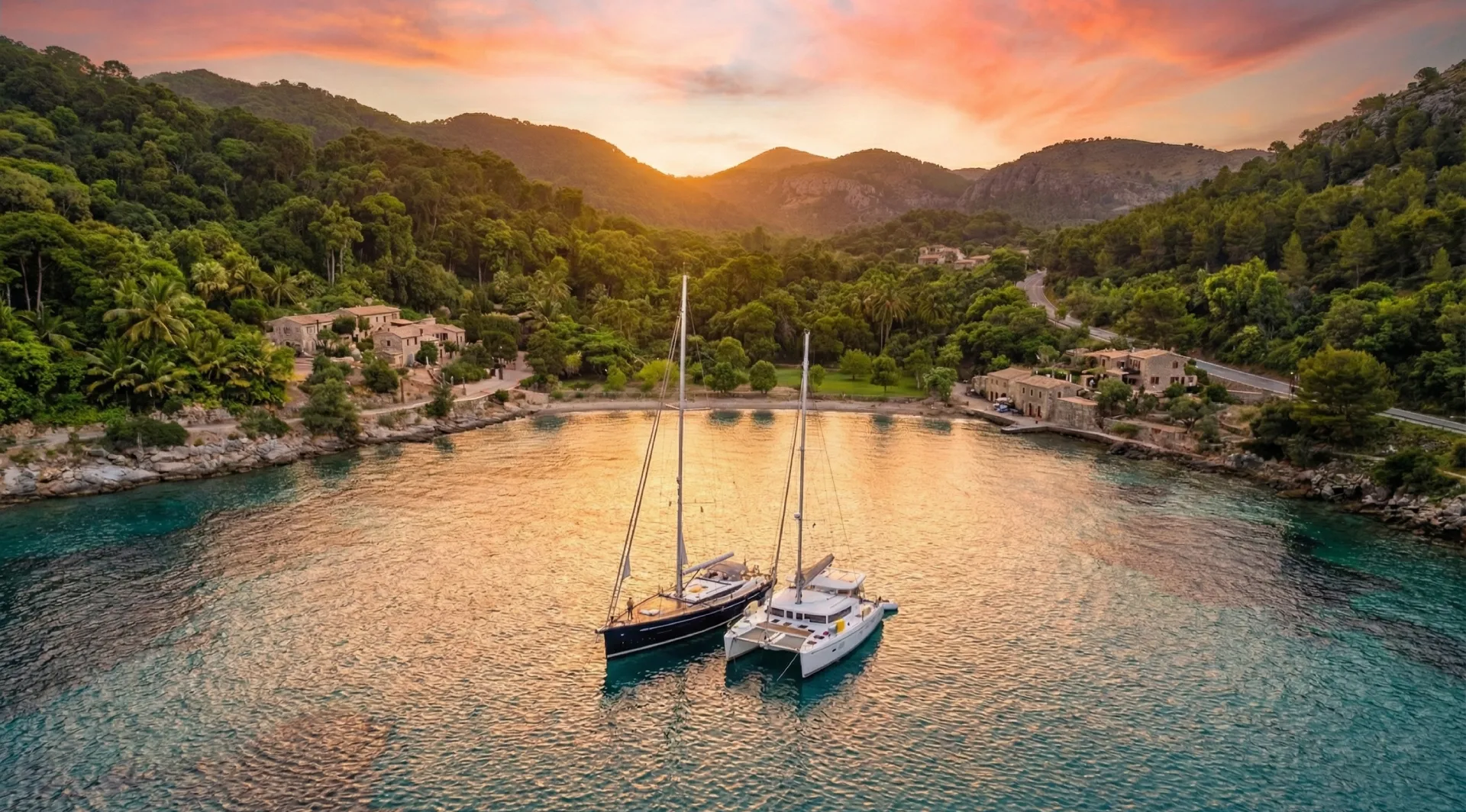
Sailing in Jamaica & the North Coast: routes, conditions and practicalities
For boats, weekly rates and a shortlist, see our Jamaica yacht charter page.
Choosing a start harbour? See the Jamaica charter bases guide for Saturday logistics and which marina fits your week.
Jamaica's north coast offers a compelling mix of deep-water cruising, trade-wind passages and lush mountain backdrops. Sailors are rewarded with a string of bays from Montego Bay to Port Antonio, where reef-fringed coves, colonial harbours and rainforest valleys meet the Caribbean Sea. Conditions tend to be brisk and bluewater in character, with an Atlantic swell in winter and classic easterly trades most of the year. With one world-class marina at Port Antonio and a sociable yacht club in Montego Bay, this coastline suits experienced skippers seeking an authentic passage between well-spaced stopovers.
This guide sets out the seasonal wind patterns, navigational cautions, realistic itineraries and the key formalities. It also explains chartering options and the certifications usually requested. If you're weighing Jamaica against more familiar Caribbean circuits, the following sections will help you plan confidently and sail decisively.
Quick links
- Sailing in Jamaica & the North Coast: routes, conditions and practicalities
- Why Sail in Jamaica & the North Coast?
- Itineraries
- When to go
- Wind and weather
- Getting there
- Chartering
- Licences and formalities
- Anchorages and marinas
- FAQs
- References
Why Sail in Jamaica & the North Coast?
Distinctive trade-wind sailing defines Jamaica's north coast. The coastline runs broadly east-west, so you will often reach or run when heading west and work to windward when making east. The result is purposeful, point-to-point passages rather than short hops between packed anchorages. For many skippers, that sense of movement and the bluewater feel are precisely the attraction.
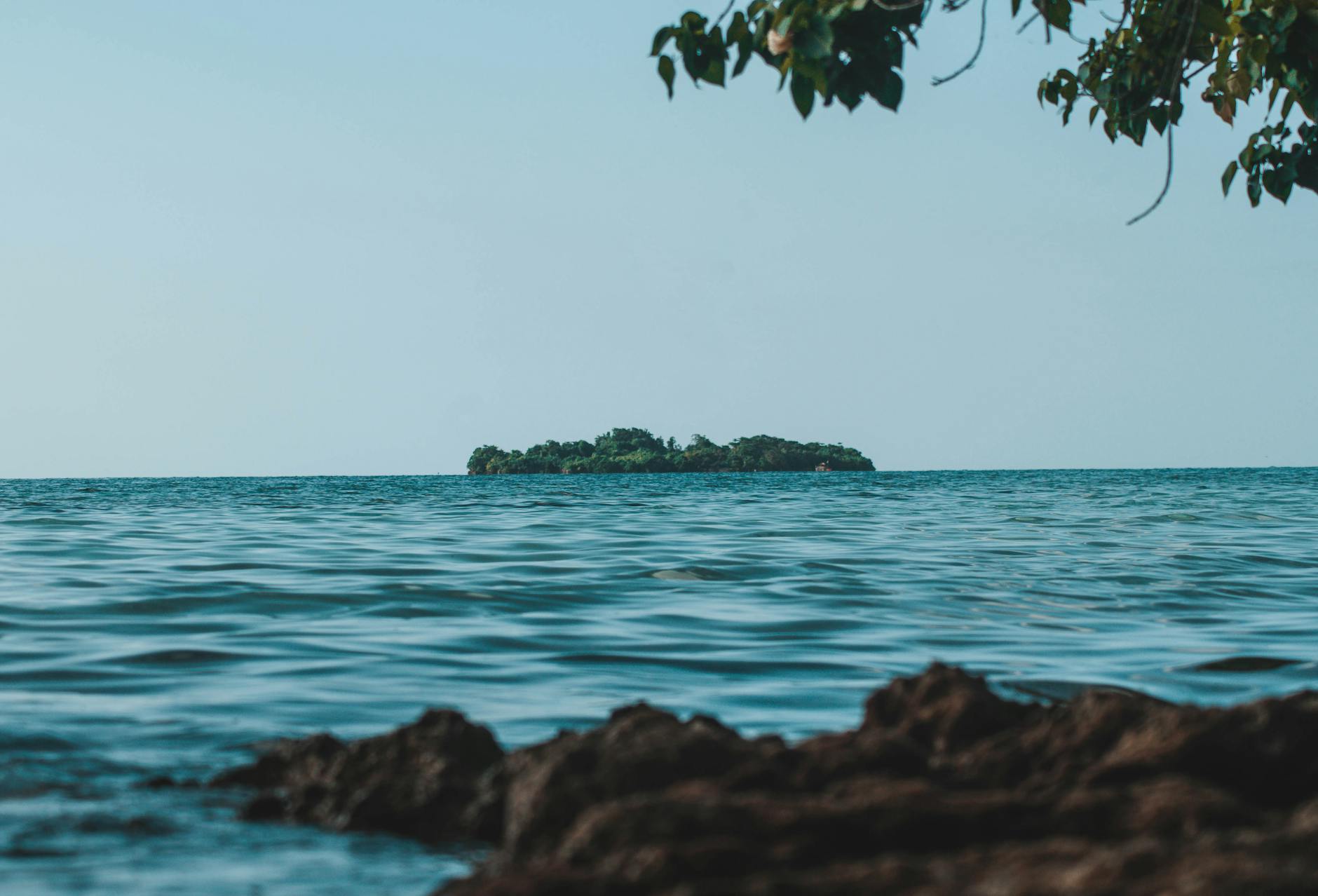
Scenically, few Caribbean routes juxtapose rainforest and reef so closely. The Blue Mountains plunge into the sea around Port Antonio, while the bays of St Ann and Trelawny present pale limestone and calm, clear shallows when the swell is down. On a fair day, arrival into Errol Flynn Marina feels as though you have sailed into a botanical garden framed by mountains.
Culturally, Jamaica's music, food and history are ever-present along this coast. From jerk pits on Boston Bay to Georgian streets in Falmouth and the bustle of Ocho Rios, shore time is rich and varied. Facilities are concentrated rather than ubiquitous, which rewards careful passage planning and lends the voyage a satisfying, expeditionary rhythm.
Finally, this is a coast that still feels like proper passagemaking. You will time your legs for light and sun, pick your gaps in the reefs, factor in the west-setting current, and keep a weather eye for winter swell. When it all comes together, the sailing is memorable and the landfalls are among the Caribbean's most characterful.
Itineraries
Below are realistic routes designed around daylight entries, settled-weather approaches and the prevailing easterly trades. Distances are moderate but legs are purposeful; always factor in north swell during winter and allow conservative margins for reef-fringed approaches. Adjust daily runs to suit your crew, forecast and daylight.
7-day passage: Port Antonio to Montego Bay (prevailing-wind route)
This westbound itinerary makes the most of the trades and the west-setting current, linking Jamaica's most sheltered harbour at Port Antonio with the services of Montego Bay. Expect a bluewater feel between well-spaced stops, with reef awareness and swell timing shaping each arrival. Total distance under sail is roughly 110-120 nautical miles.
Day 1: Port Antonio and Navy Island
Clear formalities and settle into Errol Flynn Marina. If conditions are settled, explore Navy Island and the East Harbour by tender. Use the afternoon for a short shakedown sail outside the harbour mouth to check systems before returning to a secure berth and an early night.
Day 2: Port Antonio to Port Maria (35 NM)
Depart at first light to take advantage of softer morning trades. Expect an easterly to north-easterly breeze building late morning. Anchor off in settled conditions with care, as the roadstead is open to northerly swell and space for comfortable swinging is limited.
Day 3: Port Maria to Ocho Rios (18 NM)
Make a shorter hop along a reefy shoreline. Keep to daylight approaches, maintain a bow watch and mind fish pots near shore. Ocho Rios is an exposed roadstead; aim for a settled window and consider rigging a stern line to a pier if arranged locally to limit roll.
Day 4: Ocho Rios to Discovery Bay (20 NM)
Plan to arrive with good overhead sun for eyeball navigation. Discovery Bay is deep with limited room and patches of sand around the margins. If swell is up, seek the most protected corner or keep moving to the next stop. In calm weather it is a scenic, clear-water anchorage.
Day 5: Discovery Bay to Falmouth (18 NM)
Enjoy a pleasant reach in the trades. Approaches to Falmouth are straightforward in settled weather but can surge with a northerly swell; keep clear of cruise-ship movements and allow extra sea room when large vessels manoeuvre. Ashore, the historic town rewards a stroll.
Day 6: Falmouth to Montego Bay (20 NM)
A classic final leg with a fair wind and a helpful west-setting current. Montego Bay offers anchoring areas and moorings off Montego Bay Yacht Club; choose your spot with regard to forecast swell and set the hook thoroughly on sand, avoiding grass patches for best holding.
Day 7: Montego Bay lay day
Secure the boat and enjoy shore time. Top up fuel and water and debrief at the yacht club. In settled weather, a relaxed day sail towards the beaches west of town makes a fine finale; aim to return with plenty of light for a stress-free pick-up or anchoring.
10-day circuit: Montego Bay to Port Antonio and back (experienced crews)
This figure-of-eight circuit includes committed eastbound legs that are best tackled at dawn in lighter winds, followed by a rewarding westbound return with the trades abaft the beam. It suits confident coastal skippers comfortable with reef-fringed entries and exposed roadsteads. Expect around 220-260 nautical miles depending on your Day 10 option.
Day 1: Montego Bay shakedown
Arrive, provision and complete local formalities if required. Take a short sail inside the bay to check steering, reefing and ground tackle, then plan an early start for the first eastbound leg.
Day 2: Montego Bay to Falmouth (20 NM)
A gentle opener on a reach. Enter in good light and secure early to rest and prepare for the longer, upwind section to follow. Review charts and your reefing plan for tomorrow's departure at first light.
Day 3: Falmouth to Ocho Rios (38 NM)
Leave at dawn to ride the lighter morning winds. Expect the trade to build by late morning, with occasional relief in the inshore land shadow beneath the headlands. Make sure to maintain safe offing where reef lines extend.
Day 4: Ocho Rios to Port Maria or Oracabessa (18-22 NM)
A short coastal leg with two exposed options. Choose the more comfortable roadstead based on swell direction and period. Set a stern line where possible to reduce roll and be ready to move on if conditions change.
Day 5: Port Maria to Port Antonio (35 NM)
Arrive mid-afternoon into the north coast's most secure harbour. Secure in Errol Flynn Marina, enjoy hot showers and plan a relaxed lay day to explore the surrounding bays or head inland.
Day 6: Lay day in Port Antonio
Explore the Blue Lagoon and San San Bay by dayboat in settled weather, or hike into the hills for views across the coast. Port Antonio town makes reprovisioning straightforward before the westbound run.
Day 7: Port Antonio to Annotto Bay or Port Maria (35-40 NM)
Start the return with the trades now aft of the beam and the west-setting current in your favour. Keep a weather eye on swell; both options are open roadsteads best attempted in calm spells with good light.
Day 8: Port Maria to Discovery Bay (38 NM)
A satisfying reach along pale limestone headlands. Arrive in strong overhead sun, as depths shelve quickly and the best sand patches are narrow. Consider a lunch stop if swell reflects across the bay overnight.
Day 9: Discovery Bay to Montego Bay (38 NM)
Run down the last significant stretch with ample offing to clear reefs and fish aggregating devices. Montego Bay offers fuel, water and minor repairs; check marine park rules before anchoring.
Day 10: Optional hop to Negril or Lucea (weather-dependent) and return
In settled conditions, day-sail to Lucea's enclosed harbour via precise reef pilotage, or anchor off Negril's open roadstead for a swim-and-lunch stop. Return to Montego Bay before dusk to complete the circuit.
When to go
Sailing is feasible year-round, but conditions, comfort and risk profile vary markedly by season. The dry, cooler months bring stronger, steadier trades and frequent north swells; summer tends to be lighter but hotter with a higher chance of tropical systems.
Best period
- December to April: Prime season for wind reliability and lower rainfall. Expect 15-25 knots of easterly trades with occasional stronger "Christmas winds" in late December to January. Regular cold fronts in the western Atlantic can send a northerly swell that affects open anchorages.
Shoulder windows
- May to early June: Softer trades, warmer air and sea, and fewer north swells. Afternoon squalls become more common. Good for eastbound legs if you depart early each day.
- Late June to July: Hot and hazy with moderate trades; tropical waves begin to pass.
Higher-risk period
- August to October: Peak hurricane season. Planning and insurance often exclude these months; marinas may not guarantee space. Only consider with robust contingency plans.
- November: A transition month with unsettled patterns; residual swells and changeable winds are possible.
Whichever month you choose, build flexibility into your plan for swell-affected anchorages and aim to time landfalls for the best light. Early starts and conservative daily distances pay dividends.
Wind and weather
Trade-wind regime
Prevailing winds blow from the east to east-north-east at 15-20 knots through most of the year. A west-setting coastal current, commonly around 0.5-1 knot, reinforces the gradient wind - handy when sailing west, noticeable when working to windward.
Diurnal effects
Land-sea breezes and mountain-induced acceleration zones shape the day. Winds are often lighter and more variable at dawn, building steadily late morning and peaking mid- to late afternoon. Close inshore, expect patches of lee and katabatic gusts under high terrain, particularly near Port Antonio.
Swell and sea state
From December to March, cold fronts in the western Atlantic generate a north or north-east swell that can roll into otherwise benign anchorages between Montego Bay and Port Maria. Choose stops with this in mind, have fallbacks ready and consider using stern lines to reduce roll. Eastbound, short and steep chop builds against the current, especially after midday.
Rain and visibility
Two wetter seasons are typical: May-June and September-November. Showers often arrive as brief squalls with sharp gusts and reduced visibility. The dry season from roughly December to April still sees rapid, passing showers - secure hatches and reef early if in doubt.
Tropical systems
The official hurricane season runs 1 June to 30 November, peaking August to October. Even distant systems can disrupt sea state and anchor holding. Monitor forecasts closely and avoid committing to exposed roadsteads when long-period swell is forecast.
Getting there
International access
- Montego Bay (MBJ): The main international gateway on the north coast with frequent flights from North America and Europe. Convenient for Montego Bay Yacht Club and western itinerary starts.
- Kingston (KIN): Larger network overall; overland transfer to the north coast takes 3-4 hours. Useful for crew changes if Port Antonio is your base.
Ports of entry on the north/NE coast
- Port Antonio (Errol Flynn Marina)
- Montego Bay
- Ocho Rios (cruise-ship port; yacht facilities limited)
Arrival by yacht
Approach in good daylight with the sun high for reef spotting. Fish pots and lines are common within a few miles of the coast; maintain a bow watch and avoid night entries. On arrival, fly the Q flag and proceed directly to a port of entry to complete formalities before cruising domestically.
Transfers and logistics are straightforward once in-country, but allow extra time around public holidays and cruise-ship days when roads and formalities can be busier than usual.
Chartering
Charter landscape
Jamaica is not a high-volume bareboat hub. Most visiting sailors make the passage in their own yachts or arrange skippered/crewed charters, day sails and bespoke expeditions from Montego Bay or Port Antonio. Availability fluctuates seasonally - book early for winter.
Boat types and bases
- Skippered/crewed monohulls and catamarans: Typically arranged through brokers or directly with operators in Montego Bay and Port Antonio.
- Day charter powerboats and small sailing craft: Concentrated around Montego Bay and Ocho Rios for coastal excursions rather than liveaboard cruising.
Itinerary realism
Given exposure to swell and the spacing between truly sheltered harbours, plan conservative daily runs and prioritise marina nights when conditions are unsettled. For less experienced crews, a westbound one-way (Port Antonio to Montego Bay) in winter trades is the most comfortable option.
Skipper qualifications at a glance
- Bareboat (where offered): International Certificate of Competence (ICC) or RYA Day Skipper Practical (or ASA 104 Bareboat) is commonly requested, plus a Short Range Certificate (VHF). A sailing résumé demonstrating recent tidal/coastal experience strengthens approval.
- Skippered charters: No formal certification required for guests, though a damage deposit and passport details are standard. Always confirm operator-specific requirements in advance.
Whatever you book, clarify inclusions (fuel, provisioning, park fees) and ask about contingency plans for north swell days when exposed anchorages become untenable.
Licences and formalities
Entry and clearance
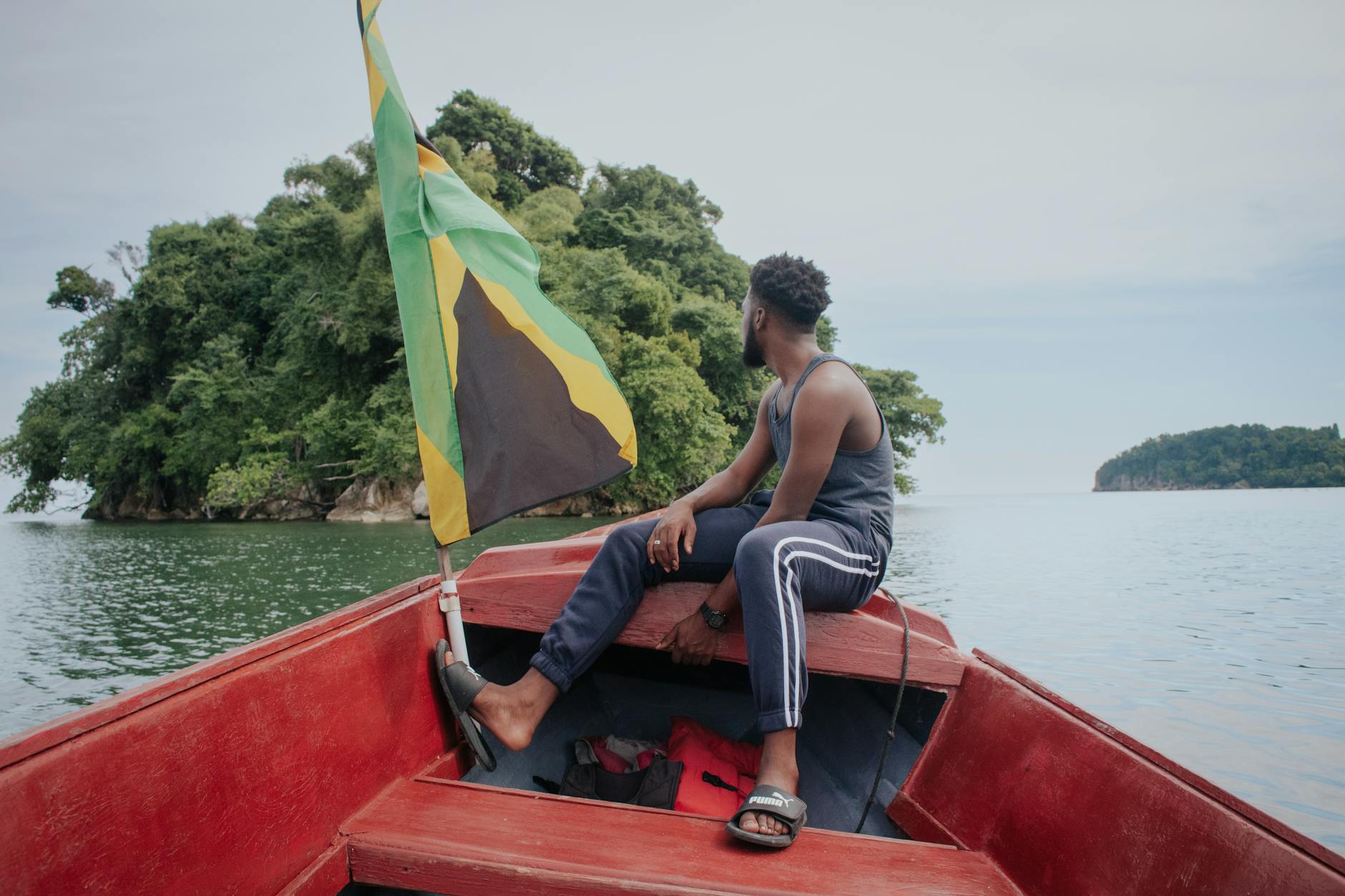
On first arrival, fly the Q flag and proceed to a designated port of entry. The skipper reports to Customs, Immigration and Port Health before anyone goes ashore. You will be issued a cruising permit for domestic movements. Have passports, crew list, ship's papers, proof of insurance and a list of ship's stores to hand. Declare firearms or spearfishing gear; authorities may secure them on board.
Coastwise movements
When moving between Jamaican ports, you may be required to obtain or endorse a coastwise clearance and present your papers at the next port. Procedures can vary by port and over time - confirm the current requirement when you check in.
Stays and fees
Cruising permits and immigration stamps are time-limited but extendable. Expect ordinary and potential overtime fees for clearance outside business hours or on public holidays; carrying local currency helps smooth the process.
Health and biosecurity
Port Health may ask for recent ports of call. Yellow fever vaccination can be required if arriving from an endemic country. Dispose of garbage in approved facilities and be mindful that fresh produce restrictions may apply on arrival.
Fishing and environmental rules
Local regulations restrict spearfishing and the taking of certain species. Marine parks, including areas off Montego Bay, have no-take zones and speed limits - observe signage and buoyage.
Departure
Clear out at a port of entry and obtain outward clearance before departing Jamaican waters. Lower the Q flag and hoist the courtesy flag after formalities are completed.
Documentation standards are professional but personable; patience, tidy paperwork and courteous communication go a long way.
Anchorages and marinas
General navigation
Reefs fringe much of the north coast, with few all-weather bolt-holes between Montego Bay and Port Antonio. Enter only in good light with a bow lookout and prefer midday sun for eyeball navigation. Numerous fish pots and FADs sit within 2-3 nautical miles of shore. The coastal current sets west; build this into your navigation and lee-bow tactics.
Port Antonio (Errol Flynn Marina)
The most secure and comfortable stop on the north/NE coast, offering all-weather berths, on-site clearance, fuel, water and repairs. There is good holding in the West Harbour, and Navy Island offers scenic shelter in settled weather. Katabatic gusts can descend from the hills at night - check lines and chafe protection.
Ocho Rios
Primarily a cruise-ship port with limited facilities for yachts and an exposed roadstead that becomes uncomfortable or untenable with north swell. If stopping, do so in settled conditions, seek local advice for mooring options and maintain heightened security and swell management.
Discovery Bay
Beautiful but deep, with narrow shelves of sand and coral patches. Space is limited and swell can reflect across the bay in winter. Arrive with overhead sun and consider it a fair-weather lunch stop rather than an overnight when swell runs.
Falmouth
A historic town with a large cruise pier. Approaches are straightforward in calm seas, but surge and current can complicate manoeuvring when swell is present. Dedicated yacht facilities are limited; expect to anchor and go ashore by tender where permitted and keep clear of ship movements.
Montego Bay and Montego Bay Yacht Club
A practical staging point with fuel, water, moorings and a sociable club scene. Anchorages lie inside the reef but remain exposed to northerly swell. Observe marine park regulations and speed limits. Holding varies with patches of grass over sand - lay scope generously and back down thoroughly.
Lucea and Negril (west end)
Lucea Harbour offers better shelter than many realise but requires precise pilotage through reef-studded waters - best attempted with local knowledge and strong overhead sun. Negril is an open roadstead: atmospheric in calm spells but untenable in strong northerlies or squally weather.
Hazards and good practice
- Swell: North and north-east swell from winter fronts transforms otherwise serviceable anchorages; have alternatives ready.
- Light: Avoid night entries. Many marks are unlit or missing; rely on eyeball navigation and updated charts.
- Security: Use recognised marinas or well-frequented anchorages where possible. Lock the vessel and dinghy, and avoid leaving valuables unsecured.
- Weather windows: Plan eastbound legs at dawn to exploit lighter winds and reduced chop; keep generous offing around headlands where acceleration zones form.
Prudent seamanship here is about timing and visibility - arrive early, keep clear water under the keel, and never hesitate to move on if conditions deteriorate.
FAQs
.faq-accordion details{border:1px #cccccc solid;border-radius:4px;margin:8px 0;}.faq-accordion summary{padding:10px 15px;cursor:pointer;display:flex;align-items:center;gap:8px;list-style:none;}.faq-accordion summary::-webkit-details-marker{display:none;}.faq-accordion summary::before{content:'▸';color:#12305c;font-weight:700;display:inline-block;transform:rotate(0deg);transition:transform .2s ease;}.faq-accordion details[open] summary::before{transform:rotate(90deg);}.faq-accordion p{padding:10px 15px;margin:0;}
Is Jamaica's north coast suitable for beginners?
It is better suited to confident coastal skippers. Distances are moderate, but exposure to swell, reef-fringed entries and brisk trades reward experience. Novice crews typically opt for a skippered charter or confine sailing to settled periods and the Port Antonio area.
Which direction is easier: eastbound or westbound?
Westbound is generally easier. The prevailing easterly trades and a west-setting current favour passages from Port Antonio towards Montego Bay. Eastbound legs are best started at first light when winds are lighter.
When is the best time to sail here?
December to April offers steady trades and lower rainfall. Be mindful of winter north swells that can affect open anchorages. Avoid August to October unless you have robust hurricane-season contingencies.
Can I bareboat charter on the north coast?
Options are limited and seasonal. Skippered or crewed charters are more readily arranged from Montego Bay and Port Antonio. If bareboat is available, expect to be asked for ICC or RYA Day Skipper (or ASA 104) plus VHF certification.
Do I need coastwise clearance to move between ports?
Jamaica issues a cruising permit at entry and may require coastwise endorsements when moving between ports. Procedures vary by port and over time; confirm the current requirement when you clear in.
Are there reliable marinas?
Errol Flynn Marina in Port Antonio is the standout facility with full services and on-site clearance. Montego Bay Yacht Club offers moorings and services but is more exposed. Elsewhere, facilities are limited.
What about fuel, water and repairs?
Fuel and water are available at Port Antonio and Montego Bay. Routine repairs can be arranged in these hubs; carry critical spares and plan provisioning in major towns.
Is anchoring allowed anywhere along the coast?
Anchoring is restricted in marine parks and near some commercial piers. Holding varies and many bays are exposed to swell. Always check local regulations and use recognised anchorages.
References
- https://www.cruiserswiki.org/wiki/Jamaica
- https://www.cruiserswiki.org/wiki/Port_Antonio
- https://www.cruiserswiki.org/wiki/Montego_Bay
- https://www.portantonio-marina.com/
- https://www.mbycjamaica.com/
- https://www.noonsite.com/country/jamaica/
- https://www.paj.com.jm/port-authority-of-jamaica
- https://www.nhc.noaa.gov/climo/
- https://sailscanner.ai/destinations/mediterranean/sailing-in-spain/sailing-in-the-balearic-islands/
Charter a Yacht
Compare crewed & bareboat charters, learn the best months to sail, and get a custom shortlist from 500+ providers.