Sailing in Panama's Guna Yala (San Blas Islands): routes, winds and practicalities
For boats, weekly rates and a shortlist, see our Panama yacht charter page.
Choosing a start harbour? See the Panama charter bases guide for Saturday logistics and which marina fits your week.
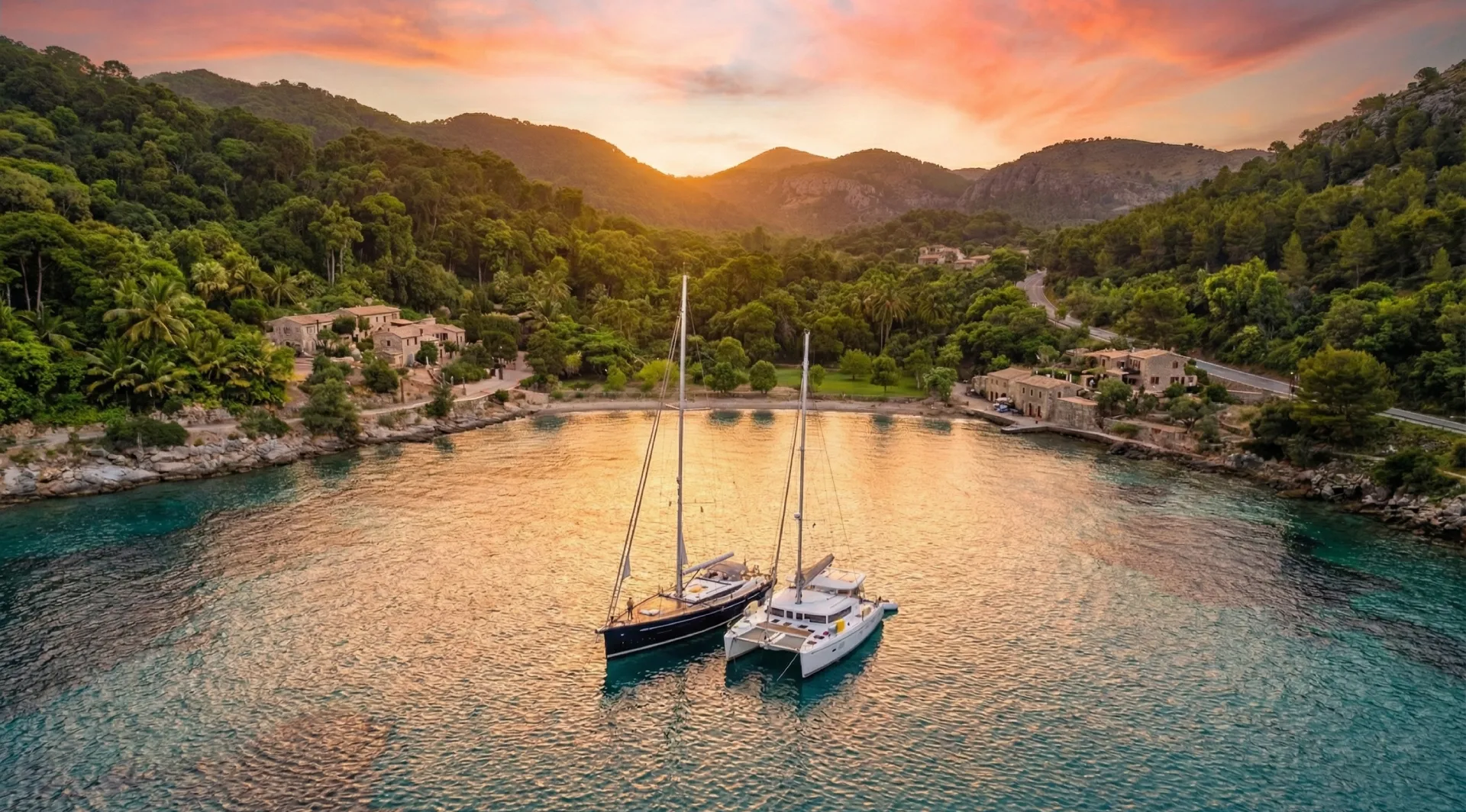
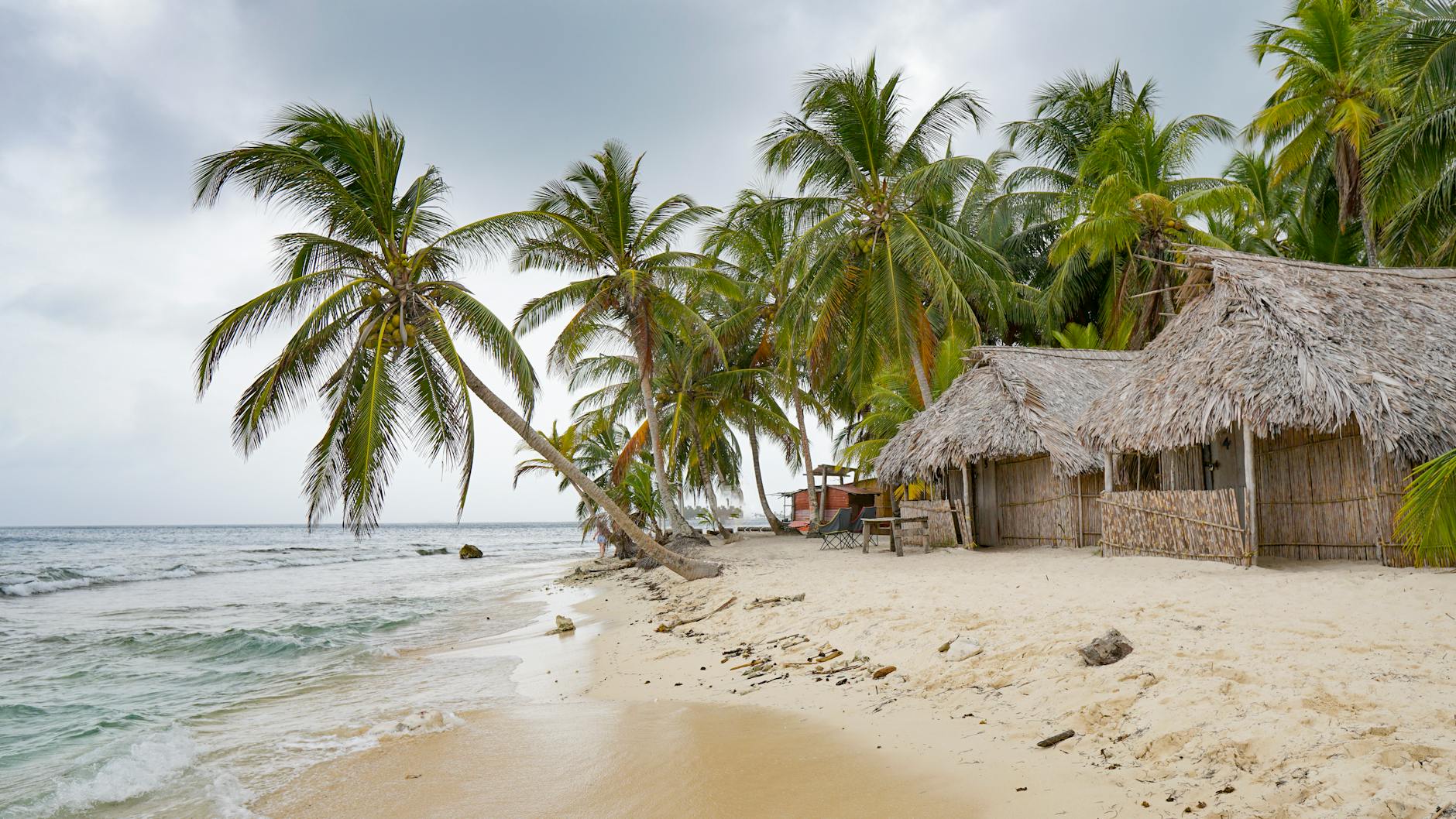
Guna Yala, better known to sailors as the San Blas Islands, is a low-latitude trade-wind cruising ground of palm-scattered cays, reef-fringed lagoons and traditional village life. The sailing is line-of-sight yet exacting: charts are imperfect, eyeball piloting is vital and the rewards are world-class snorkelling, glassy anchorages and a pace defined by the sun overhead and the trades in your rigging. Expect few facilities, limitless beauty and a cruising rhythm that combines seamanship with sensitivity to Guna culture.
If you're seeking a reef-rich alternative to the busier Leewards and Windwards, this is a self-contained wilderness where a week stretches easily to ten days or more. The lack of marinas and fuel docks means you bring your capability with you, and in return the islands offer solitude, clear water and the feeling of genuine exploration within a day's sail of the mainland.
Quick links
Jump to the section you need:
- Why Sail in Panama's Guna Yala (San Blas Islands)?
- Itineraries
- When to go
- Winds and weather
- Getting there
- Chartering
- Licences and formalities
- Anchorages and marinas
- FAQs
- References
Why Sail in Panama's Guna Yala (San Blas Islands)?
The appeal of Guna Yala lies in its combination of sheltered day-sailing and expedition-style self-sufficiency. A typical passage is an hour or two across clear, reef-protected water to a new anchorage beneath coco palms, with snorkel spots and sand spits a dinghy ride away. In settled trades, the lagoons are flat and forgiving; in reinforced blows, there are snug, all-weather holes a short hop apart.
This is also a cultural voyage. The Guna people steward these islands and waters through their autonomous comarca. Visits to villages such as Narganá and Corazón de Jesús reveal mola textiles, dugout ulus and a way of life interwoven with the reef. Your cruising plan is richer for a little Spanish or Guna, a bag of school supplies for a village tienda and time to sit and talk.
Unlike much of the Caribbean, Guna Yala sits well south of the hurricane tracks, extending the practical season. Yet seamanship matters: reef passes, winter "Northers" and squalls ask for daylight moves, a bow watch and respect for local rules. Bring good light, good manners and a flexible itinerary - you'll be rewarded with anchorages that linger in the memory long after the salt has dried.
Itineraries
Below are two suggested sailing routes that balance sheltered hops with classic snorkelling and cultural stops. Distances are modest, but navigation is visual and best attempted with the sun high and a lookout posted. Treat these as frameworks to adapt to weather, sea state and community guidance on the day.
Classic 7-day loop: Central Cays sampler
A 7-day route. Adjust legs to forecast, moorings and crew preferences.
A compact introduction to the heart of Guna Yala. Starting from the mainland, you'll work east through the Lemmons, Chichime, the Holandes and Coco Bandero before circling back via Green Island. Expect short sails, sandy-bottom anchorages and easy access to reef life. In stronger trades, choose the more enclosed anchoring options within each group.
Day 1: Linton Bay to El Porvenir (clear-in and first cay)
Stage from Linton Bay Marina on the mainland and make the 35-45 nm reach along the lee of the coast to El Porvenir. Arrive in good light to pick your way behind the reef. If formalities are required, this is a traditional stopping point; otherwise, enjoy a first sunset beneath the palms and check ground tackle for a gusty first night.
Day 2: El Porvenir to West Lemon Cays
A short hop east into the Lemon Cays. Enter with the sun high to spot coral heads and pick sand patches in 4-8 m. Swim the reefs and visit a nearby mola maker by dinghy, keeping to marked swim zones and asking permission before landing.
Day 3: West Lemon Cays to Chichime
Slide across clear water to the sandy bowl between Uchutupu Dummat and Uchutupu Pipigua (Chichime). It's a crowd-pleaser: good holding, turquoise water and an easy reef snorkel. Northerly swell can creep in - lay extra scope and set a snubber.
Day 4: Chichime to West Holandes (The Swimming Pool)
Thread into the Holandes Cays for one of the region's iconic anchorages. The "Swimming Pool" lives up to its name on a calm day. Move only in strong overhead light - patch reef is plentiful and colours can be deceptive under cloud.
Day 5: West Holandes to Coco Bandero Cays
A short weave east to low, palm-tufted islets on a vivid reef shelf. Flat water inside; ocean surf thunders on the barrier reef outside. Mind the coral, keep your draught conservative and anchor well clear of bommies.
Day 6: Coco Bandero to Green Island (Kanlildup)
Green Island offers reliable sand patches and decent protection in reinforced trades. Barbecue on the beach with permission; keep plastics aboard and take all rubbish with you. Beachcomb at low tide and watch for turtle grass.
Day 7: Green Island to El Porvenir or mainland
Retrace to El Porvenir for an early jump back to the mainland, or continue east if time allows. Move in the late-morning window for best visibility over the reef and allow margin for headwinds on the coastal leg.
Extended 10-day exploration: Culture and cays
A 10-day route. Adjust legs to forecast, moorings and crew preferences.
This longer circuit adds time in both the Holandes and eastern villages. It suits crews keen to blend reef time with cultural encounters and a few more miles under sail. Carry extra fuel and water capacity, and keep the plan flexible to work around any winter fronts.
Day 1: Portobelo to El Porvenir
From the historic bay of Portobelo, reach to the western edge of Guna Yala. Anchor off El Porvenir in settled weather and reset for reef country tomorrow, double-checking navigation sources and daylight windows.
Day 2: El Porvenir to Dog Island and Lemmon Cays
Slip to the Lemmons and snorkel the famous wreck off Isla Perro (Dog Island). Choose a sand patch clear of coral and avoid any makeshift moorings. Expect passing ulus offering fruit and bread - cash only.
Day 3: Lemmon Cays to Chichime
Hop across to Chichime and settle in behind the sandbar. Trade a few dollars for coconuts and fresh bread from a passing ulu and enjoy sheltered swimming in settled trades.
Day 4: Chichime to West Holandes
Ease into the Holandes and spend the afternoon drifting over coral gardens. Keep a strict "no night moves" rule - this is pure eyeball territory and cloud can arrive quickly.
Day 5: West Holandes to East Holandes
In stronger trades, many crews shift to the slightly snugger anchorages further east in the Holandes. Pick your spot with the reef well made out and leave room to swing clear of bommies.
Day 6: East Holandes to Coco Bandero
Short sail to low sand cays and classic reef colours. Watch for bommies; a bow lookout and polarised glasses are non-negotiable. Expect some roll if any northerly swell is running.
Day 7: Coco Bandero to Green Island (Kanlildup)
A reliable stop in blowier spells with good sand and shelter. Swim the patch reefs and beachcomb at low tide, keeping an eye out for rays in the shallows.
Day 8: Green Island to Narganá / Corazón de Jesús
Sail east to the twin islands linked by a bridge. Visit the tiendas for limited provisions and engage respectfully with community life. Photography is welcome with consent; dress modestly ashore.
Day 9: Narganá to Chichime or Lemmon Cays
Begin your return west with a flexible stop depending on conditions. In a Norther, choose the snugger option with less fetch; otherwise enjoy a final reef snorkel before the mainland return.
Day 10: Return to El Porvenir and mainland base
Depart in the late-morning light for El Porvenir, then stage your onward sail to Portobelo or Linton Bay. Allow weather margins - Northers can add swell to reef entrances and make coastal seas steep.
When to go
Seasonality and climate
Guna Yala's climate supports year-round cruising, with a pronounced dry season driven by the trades and a wetter, more variable half of the year. Visibility and sun angle are major planning factors for safe reef navigation.
Dry season (December to April)
Prevailing north-easterly to easterly trade winds typically blow at 15-25 knots and may peak higher in January-February during reinforced spells. Skies are generally clear, water visibility is excellent for eyeball navigation and the lagoons remain flat even when outside seas are up. It is the most popular time to visit.
Rainy season (May to November)
Winds ease to 8-18 knots and become more variable, with regular squalls and afternoon thunderstorms. Expect periods of calm punctuated by 20-35 knot squalls, especially with tropical waves. Humidity is higher and heavy rain can temporarily reduce water clarity.
Hurricanes and Northers
Guna Yala lies south of the main hurricane tracks, so direct hits are very rare. Winter cold fronts pushing out of the Gulf of Mexico, however, can send "Northers" with strong NE-N winds and long-period swell from roughly December to March. These events can make exposed passes and roadstead anchorages uncomfortable or unsafe; shift into inner lagoons with northern protection and defer moves until conditions improve.
Tides and currents
Tidal range is small, around 0.3-0.6 m. Currents inside the reef are usually weak but can accelerate in passes. Plan your day by the sun rather than the tide: between roughly 10:00 and 15:00 the overhead light helps you read colour and spot coral heads.
Overall, the best compromise for most crews is the dry season, with a flexible plan to ride out any short-lived Northers in secure, inner anchorages.
Winds and weather
Trade-wind pattern
December to April brings NE-E trades averaging 15-25 knots, with occasional gusts over 30 knots in reinforced periods. Seas outside the reef often build to 1.5-3 m, while the lagoon areas remain protected. In gaps between islands, expect sharp gusts and bullets - reef early and rig chafe protection.
From May to August winds ease to 8-18 knots, often backing E-SE with a noticeable day-night cycle. Squalls can bring short, intense bursts up to 35 knots with abrupt wind shifts. September to November is the lightest period with extended calms and more frequent thunderstorms; plan short hops and secure ground tackle carefully.
Swell and sea state
Northerly swell during winter fronts can close out exposed passes and make open-roadstead anchorages roll. Choose inner lagoon anchorages with northern land blocks and postpone transits through reef cuts until conditions and light improve. In the rainy season, swell is typically low inside the reef, with short, steep chop in squalls.
Visibility and navigation
Charts are imperfect. Combine multiple sources - recent cruising guides, satellite imagery and, crucially, your eyes. Move only with the sun high and preferably behind you, station a bow watch and wear polarised lenses. Night navigation inside the reef is strongly discouraged.
Lightning and squalls
Thunderstorms are common in the wet season. Have a lightning plan (bonding and unplugging sensitive electronics), reef early and ensure hatches and scuppers are prepared for heavy rain. After squalls, check anchor snubbers and swinging room as wind direction may have shifted.
Getting there
International gateways
Fly into Panama City's Tocumen International Airport (PTY). From the city, most charter operators arrange road transfers to the Caribbean side or to Cartí for onward boat pickups. Allow buffer time for traffic when travelling between city hotels and early-morning 4x4 departures.
Domestic access to Guna Yala
Road and launch: A 4x4-only mountain road connects Panama City to the Cartí area on the Guna Yala coast. From Cartí piers, licensed lanchas transfer guests to yachts at nearby anchorages. Carry passports for checkpoints; both Guna and national authorities collect fees in cash (small USD bills recommended). The road is steep and winding - travel in daylight and expect occasional weather-related delays.
Light aircraft: Several short airstrips exist within the comarca (including El Porvenir and Playón Chico), but services are limited and weather-dependent. Many operators prefer the road-plus-boat combination for reliability.
Sailing arrivals and staging
Most private yachts stage from Linton Bay Marina (Puerto Lindo) or Portobelo, or from Shelter Bay Marina at Colón if combining with a Canal transit. The coastal reach to El Porvenir is a straightforward day sail in settled conditions. Time any approach to the reef for strong daylight and avoid days with onshore swell driven by Northers.
Chartering
Charter options in Guna Yala
The local fleet is predominantly crewed catamarans between 38 and 52 feet that operate from anchorages within the comarca. Bareboat options exist but are limited; many are based on the mainland (e.g., Linton Bay) and reposition into the islands for guest embarkation on request.
How trips typically work
Most crewed charters collect guests by 4x4 in Panama City for a morning transfer to Cartí, followed by a lancha ride to the yacht. Provisioning is pre-arranged in the city; top-ups in the islands are limited to basics from village tiendas and fresh produce from passing ulus. Itineraries remain flexible to respond to weather, community events and guest interests.
Experience and boat choice
A shallow-draught catamaran maximises anchorage options and comfort in tradewind chop. Monohulls are perfectly feasible but require extra care weaving through patch reef. Regardless of platform, plan for daylight-only moves and keep a bow lookout when under way inside the reef.
What certification do you need?
For crewed charters, no certification is required as the professional skipper holds responsibility. For bareboat charters, operators typically ask for evidence of competence (such as RYA Day Skipper/ICC or ASA 104) and, for cats, multihull experience (e.g., ASA 114 or equivalent). A VHF/SRC certificate and a concise sailing CV help approvals. There is no separate Panamanian statutory licence for visiting skippers, but companies set their own standards and may conduct an on-site assessment.
Licences and formalities
Entry and permits
Panama entry: Clear into Panama at an official port such as Colón (Shelter Bay), Portobelo or Puerto Lindo. You will need valid passports, a cruising permit (Permiso de Navegación) issued by the maritime authority and a crew list. Keep payment receipts and obtain a zarpe when moving between major ports or upon departure.
Guna Yala fees: The autonomous Guna Congress collects access fees at road checkpoints and/or by boat. Expect per-person and per-vessel fees on entry, plus modest island-specific charges when going ashore. Carry cash in small denominations.
In the islands
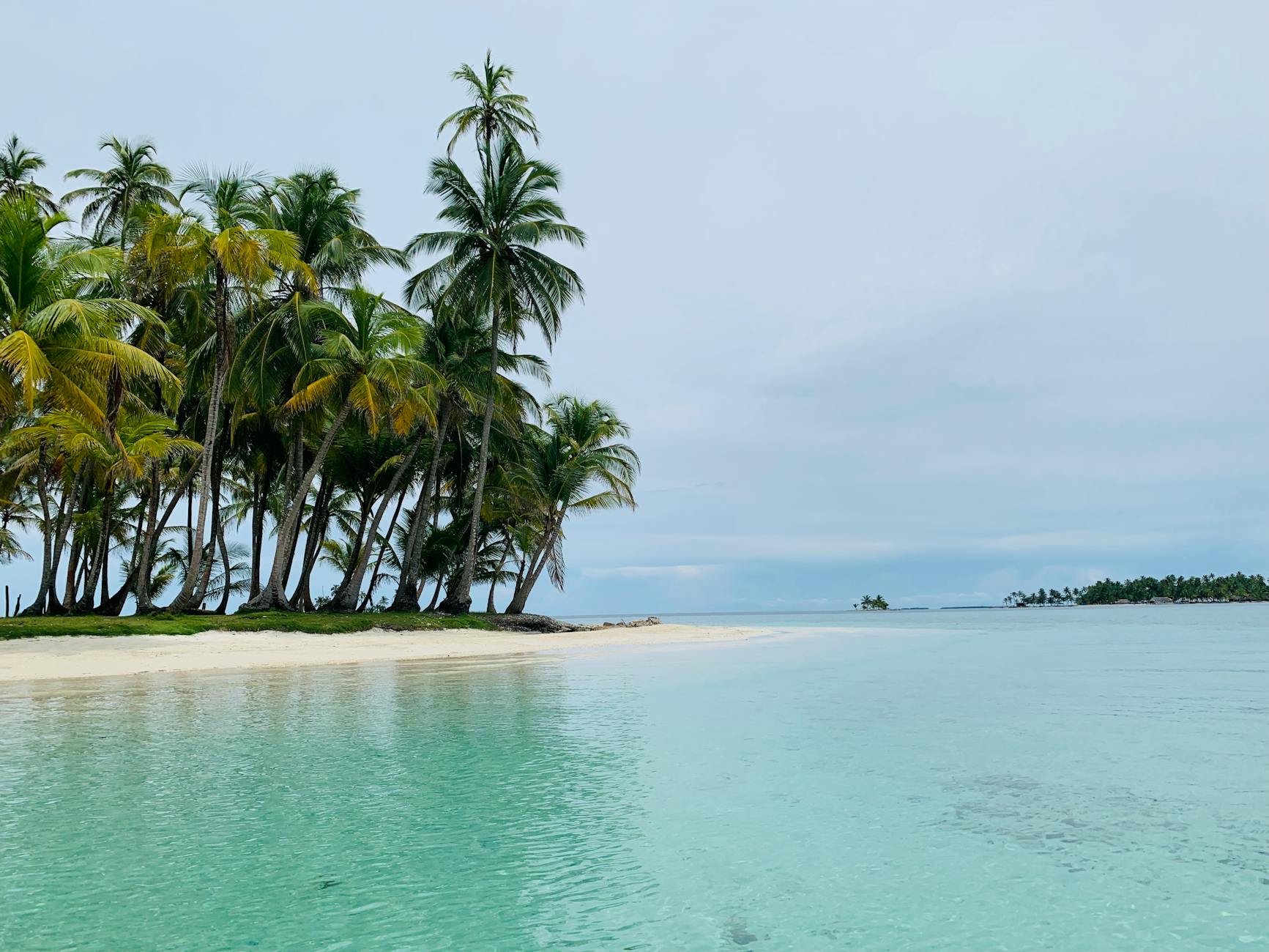
Anchor in sand only and avoid live coral; there are no formal mooring fields. Some islands are private or community-managed - ask before landing and be prepared to pay posted fees. Spearfishing rules are strict and vary by community; many areas prohibit spear guns. Observe lobster closed seasons and local guidance. Coconuts are private property; do not take them without permission. Pack out all rubbish and minimise plastics aboard.
Drones should only be flown with permission from island authorities and never over villages without explicit consent.
Clearance points and practicalities
El Porvenir has at times offered limited clearance services, but availability changes. Many yachts now complete formalities on the mainland before heading into the comarca. Check current procedures with your agent, marina or cruising network immediately before arrival to avoid delays.
Anchorages and marinas
Nature of the cruising ground
This is a pure anchoring destination: there are no marinas within Guna Yala. Expect sand-bottom lagoons broken by coral heads, low-lying cays and protective barrier reefs. Holding is generally good in clean sand at 3-12 m; avoid grass and coral where possible, lay adequate scope and rig a snubber for gusty nights.
Representative anchorages
| Anchorage | Protection | Notes |
|---|---|---|
| El Porvenir | E-SE | Practical gateway near reef entrances; some fetch in trades, rolly in Northers. |
| Lemon Cays (Cayos Limones) | E-SE | Multiple sandy bowls with postcard scenery; busy in season; watch for bommies and swim zones. |
| Chichime | E-SE | Large sand patches and easy snorkelling; exposed to northerly swell in strong Northers. |
| Holandes Cays (West/East) | E-SE | Extensive lagoon with "Swimming Pool" clarity; choose inner spots in reinforced trades; excellent reef exploring. |
| Coco Bandero Cays | E-SE | Stunning palm islets on a bright reef shelf; can be open to northerly swell; anchor clear of coral heads. |
| Green Island (Kanlildup) | E-SE | Reliable protection and good holding; favoured in stronger trades with dinghy-access beaches. |
| Narganá / Corazón de Jesús | All-round (river influence nearby) | Cultural stop with tiendas and river shelter; water clarity can drop after rain. |
Anchor selection is often about swell and fetch rather than mere wind direction. In any northerly component, prioritise inner lagoon positions with land to the north and defer exposed moves until conditions settle.
Mainland marinas and services
Linton Bay Marina (Puerto Lindo) and Shelter Bay Marina (Colón) are the nearest full-service bases for haul-out, fuel, water and spares. Within the islands there are no fuel docks; watermakers, rain-catching and careful waste management are standard practice. Garbage disposal facilities are limited - plan to carry out waste to the mainland.
Navigation and safety
Move only in strong overhead light (roughly 10:00-15:00). Post a bow lookout, verify satellite imagery and follow trusted waypoints from well-regarded cruising guides. Avoid night entries. In Northers, shift to inner, north-protected lagoons and delay any exposed pass transits until swell abates.
FAQs
.faq-accordion details{border:1px #cccccc solid;border-radius:4px;margin:8px 0;}.faq-accordion summary{padding:10px 15px;cursor:pointer;display:flex;align-items:center;gap:8px;list-style:none;}.faq-accordion summary::-webkit-details-marker{display:none;}.faq-accordion summary::before{content:'▸';color:#12305c;font-weight:700;display:inline-block;transform:rotate(0deg);transition:transform .2s ease;}.faq-accordion details[open] summary::before{transform:rotate(90deg);}.faq-accordion p{padding:10px 15px;margin:0;}
Is Guna Yala suitable for first-time bareboat skippers?
It is better suited to skippers with solid reef-pilotage experience. Charts are imperfect, eyeball navigation is essential and conditions can change rapidly. Many visitors opt for a crewed charter or a local pilot for the first few days.
When is the best time to sail the San Blas Islands?
December to April offers the most reliable trade-wind sailing and clear skies, but can be windy and affected by winter 'Northers'. May to August brings lighter winds and more squalls; September to November is calmest but thundery.
Are there marinas or moorings in the islands?
No marinas and only occasional, often unofficial moorings. Plan to anchor in sand and be fully self-sufficient for fuel, water and waste until you return to the mainland.
How do I provision for a cruise here?
Provision comprehensively in Panama City or at a mainland marina. In the islands you can buy basics in villages like Narganá and occasional fresh items from passing ulus, but choice is limited and cash-only.
Is there mobile coverage and internet?
Patchy but improving. Digicel and +Movil have intermittent 3G/4G near some villages; offshore cays often have no signal. Satellite messengers or Starlink (where permitted) improve reliability.
What anchors and ground tackle work best?
A modern scoop or roll-bar anchor sized generously with 60-80 m of chain is ideal. Use a snubber to reduce shock loads in gusty trades and deploy a reef-friendly trip line only if necessary.
Can I fish and spear lobster?
Regulations vary by community and season. Many areas prohibit spearfishing; lobster has closed seasons. Seek local guidance before taking any marine life.
What about health concerns such as mosquitoes?
Mosquitoes and no-see-ums can be present, especially near mangroves and at dusk. Use repellent, screens and long sleeves. Carry a well-stocked medical kit and manage hydration in the heat.
References
- https://www.cruiserswiki.org/wiki/Panama%27s_Guna_Yala_(San_Blas_Islands)
- Eric Bauhaus. The Panama Cruising Guide. 5th/6th ed. (Land & Sea Press).
- https://www.noonsite.com/place/panama/san-blas-islands/
- https://amp.gob.pa/ (Autoridad Marítima de Panamá)
- https://www.pancanal.com/eng/maritime/ (Context for Canal-area formalities and marinas)
- https://www.weather.gov/marine/ (NOAA Caribbean High Seas Forecast)
- https://www.visitpanama.com/ (General travel access and logistics)
Charter a Yacht
Compare crewed & bareboat charters, learn the best months to sail, and get a custom shortlist from 500+ providers.