Australia's Whitsundays & Great Barrier Reef
Sailing in Australia's Whitsundays & Great Barrier Reef: routes, conditions and practicalities
The Whitsundays and Great Barrier Reef sit at the enviable intersection of warm trade winds, protected anchorages and otherworldly coral. For sailors, this is a region where planning and pleasure genuinely align: short, sheltered hops between forested islands by day; starlit, quiet anchorages by night; and the option, in settled weather, to reach outer reef lagoons that feel far from the everyday.
This guide sets out the core sailing areas, the seasonal wind patterns that shape your passages, and the marinas, anchorages and moorings that make logistics straightforward. It also clarifies chartering norms in Queensland, including what paperwork you actually need, and how local marine park rules affect your cruising. If you are weighing up when to go, how to structure a one-week route, or whether an outer reef day is realistic, you will find practical, confidence-building detail here.
Expect an experience that is scenic but not superficial. Eyeball navigation over fringing reef, tide-aware channel transits and properly chosen lee shores are all part of the rhythm. With the right preparation, the Whitsundays reward in full: reliable sailing, calm overnights and a strong sense of adventure within safe, well-supported cruising grounds.
Quick links
- Sailing in Australia's Whitsundays & Great Barrier Reef: routes, conditions and practicalities
- Why Sail in Australia's Whitsundays & Great Barrier Reef?
- Itineraries
- When to go
- Wind and weather
- Getting there
- Chartering
- Licences and formalities
- Anchorages and marinas
- FAQs
- References
Why Sail in Australia's Whitsundays & Great Barrier Reef?
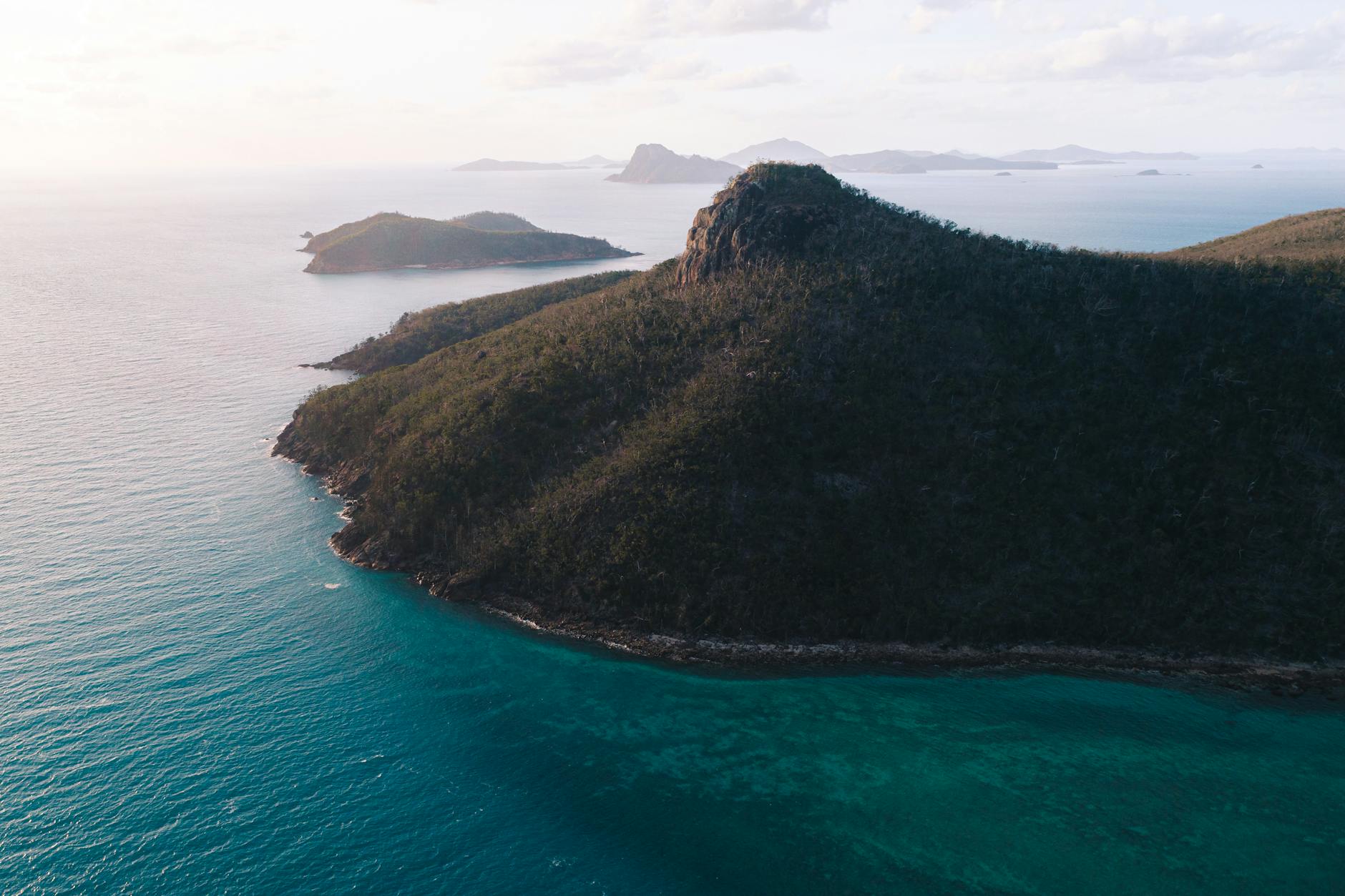
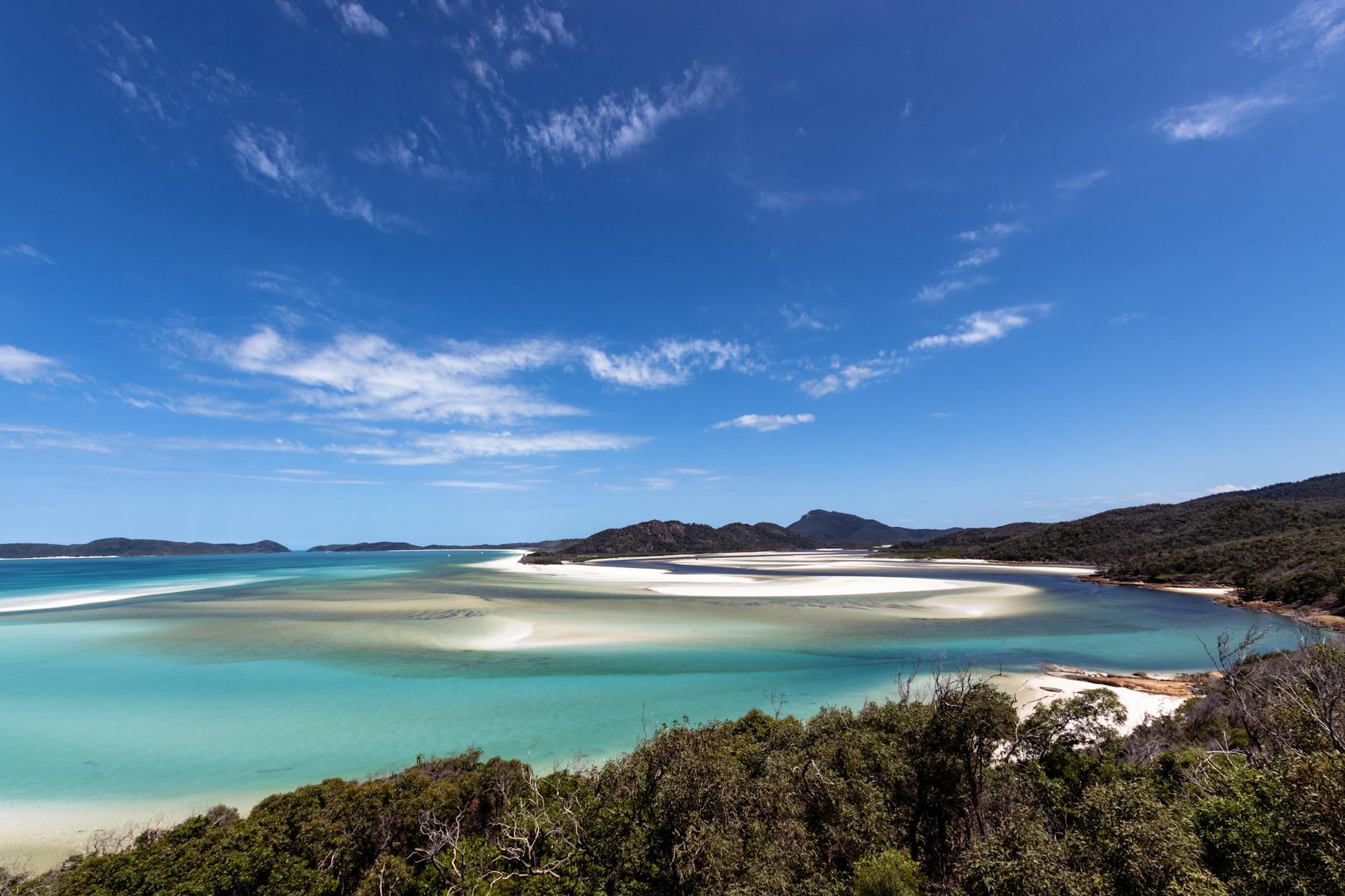
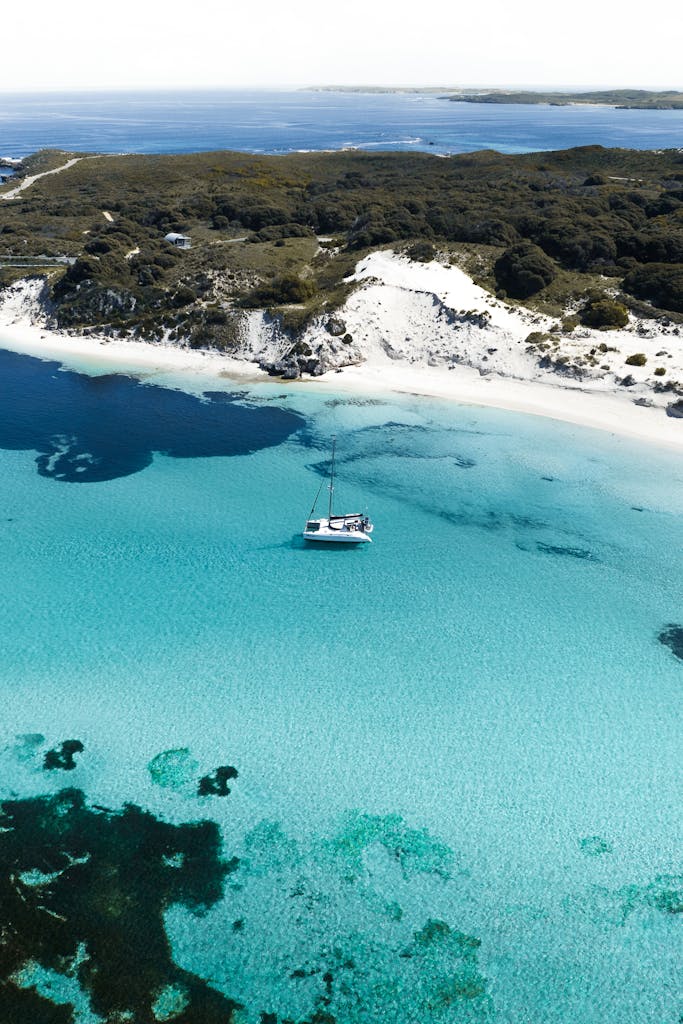
The Whitsundays form the most approachable island cruising circuit on the Great Barrier Reef. Dozens of indentations and inlets break the fetch of the prevailing trades, so you can shape short, purposeful legs between anchorages that still feel wild. Sand flats at Whitehaven and Hill Inlet provide a quintessential landfall, while Hook, Whitsunday and the Lindeman Group offer reliable lees for almost every wind quadrant.
For those seeking more, the outer reef is within reach in the right conditions. Bait and Hardy Reefs, with public moorings in sand lagoons, reward early starts and conservative weather calls with cathedral-clear water and rich coral gardens. The sense of scale - sailing from rainforest headlands to a blue-rimmed atoll in a single day - makes this one of the Southern Hemisphere's signature coastal adventures.
Seasonality adds texture rather than risk when you choose your window well. The dry-season trades bring consistent sailing and cool nights; shoulder months often deliver glassy mornings and gentle sea breezes; humpback whales arrive mid-year and demand unhurried helming. The infrastructure - well-run marinas, volunteer marine rescue coverage and clearly signposted marine park zoning - supports independent skippers without diluting the expedition feel. Pair this with easy provisioning and abundant public moorings, and you have a cruising ground that blends comfort with genuine wilderness moments.
Itineraries
Two sample routes below showcase the essence of Whitsunday cruising. Distances are comfortably short for most crews, yet varied enough to keep each day engaging. Use tides to your advantage, aim for mid-day light over coral, and remain flexible so you can swap bays to suit the breeze.
Classic 7-day Whitsundays loop (Airlie Beach or Hamilton Island)
A 7-day route. Adjust legs to forecast, moorings and crew preferences.
This classic loop strings together the Whitsundays' greatest hits with gentle daily runs and ample time ashore. Start from Airlie Beach or Hamilton Island, work north for reef-fringed bays on Hook and Hayman, then arc south to Whitehaven and Hill Inlet before returning via a calm night in Cid Harbour.
Day 1: Airlie Beach to Nara Inlet (Hook Island)
Arrive, provision and complete your briefing. Slip lines at Coral Sea Marina and shape a conservative first leg across Pioneer Bay and the Whitsunday Passage. Nara Inlet is a deep, fjord-like refuge with excellent holding and shelter from most directions - ideal for first-night settling and a tidy tidal reset. If time allows, take the short walk to the Ngaro cultural site at the head of the inlet.
Day 2: Nara Inlet to Stonehaven via Langford Island
Time your departure for favourable stream around Hook Island. Pause at Langford Island for a sand-spit lunch and snorkel, then continue to Stonehaven's western anchorages for a settled afternoon in the lee with sunset over the mainland ranges. Keep an eye on coral heads when selecting your spot and favour sand patches; public moorings reduce anchoring pressure on the reef.
Day 3: Stonehaven to Blue Pearl Bay and Butterfly Bay
Make a short hop to Blue Pearl Bay on Hayman for bommie snorkelling in good light. In the afternoon, round to Butterfly Bay on Hook Island's north for a well-protected overnight on moorings or in sand patches, mindful of coral heads. Arrive with the sun high for best visibility and use a bow lookout when weaving through patches.
Day 4: Butterfly Bay to Tongue Bay and Whitehaven/Hill Inlet
Sail down the east of Hook and Whitsunday Islands in settled conditions. Anchor at Tongue Bay to walk up to the Hill Inlet lookout, then enjoy Whitehaven's silica sands. Overnight at Tongue Bay or, if breeze allows, in the more southerly lees. Plan your move to coincide with the tide in Solway or Fitzalan to keep sea states kind.
Day 5: Whitehaven to Hamilton Island Marina
Work south along the inside of Whitsunday Island and across Fitzalan Passage with the tide. Berth at Hamilton Island Marina for fuel, water, showers and a shoreside reset before an easy evening ashore. Book your berth ahead in peak season and watch for ferry traffic on approach.
Day 6: Hamilton Island to Cid Harbour (Whitsunday Island)
A short leg positions you in Cid Harbour's amphitheatre-like bay. Sawmill and Dugong anchorages are calm and scenic. Note current local safety advisories on swimming here and plan your tendering accordingly. The Sawmill track to Whitsunday Peak rewards with commanding views if the crew fancies a walk.
Day 7: Cid Harbour to Airlie via Long Island or Shute Harbour
Sail back across the Passage, detouring to Palm Bay on Long Island for a lunch mooring if available. Continue to Shute Harbour or straight to Coral Sea Marina for handover. Allow time for refuelling and pump-out, and arrive with daylight to simplify berthing.
Extended Whitsundays with an outer reef window (8 days)
A 8-day route. Adjust legs to forecast, moorings and crew preferences.
This longer route keeps the relaxed island rhythm but adds an optional day run to the outer reef. In a genuine weather window, Bait Reef delivers blue-lagoon drama; if the forecast is marginal, simply substitute with extra time among Hook, Hayman and Border Islands, then continue south into the quieter Lindeman and Shaw anchorages.
Day 1: Airlie Beach to Macona Inlet
Depart Coral Sea Marina and make a compact first passage to Macona Inlet. This well-protected bight on Hook Island offers space, sand patches and an easy night's routine. It is a good spot to check systems, settle the crew and review the next day's outer reef decision against updated forecasts.
Day 2: Weather window to Bait Reef (outer reef) and return to Hook
If your charter allows and the forecast is settled with low swell, leave at first light for Bait Reef's lagoon moorings. Eyeball carefully in high sun and return to a Hook Island anchorage by mid-afternoon. If conditions are not suitable, substitute with a relaxed day between Langford, Blue Pearl and Stonehaven. Always plan generous daylight margins for the return leg and expect a modest residual swell outside the islands even on calm days.
Day 3: Hook Island to Border Island (Cateran Bay)
Sail SE with the trades to the clear waters of Cateran Bay on Border Island. Arrive with sun overhead to read coral, and choose moorings or sand in fair weather. The bay is a favourite for snorkelling; avoid anchoring on coral and respect mooring time limits.
Day 4: Border Island to Whitehaven's southern lees
Run down the east of Whitsunday Island and tuck into Chance Bay or Turtle Bay depending on breeze. Enjoy walks and a quieter take on Whitehaven's sandscapes. In stronger SE, these bays can be rolly - carry a back-up plan on the west side if comfort is the priority.
Day 5: Lindeman Group (Plantation Bay) to Neck Bay (Shaw Island)
Weave into the southern islands where anchorages feel more remote. Plantation Bay makes a gentle lunch stop; Neck Bay on Shaw is a classic, scenic overnight. Wildlife is common here - keep a respectful distance from turtles and rays in the shallows.
Day 6: Shaw Island to Long Island (Palm Bay)
Reach back north with the trades, stopping to swim at Pentecost or Henning. Pick up a mooring at Palm Bay on Long Island and enjoy a calm night with easy tender access. Call ahead if you plan to dine ashore, and mind the tidal range when leaving your dinghy.
Day 7: Long Island to Double Cone or Woodwark Bay
Choose a last snorkel and quiet night either at the Double Cone Islands or tucked into Woodwark Bay on the mainland, keeping an eye on tide and fetch. Both options put you close to Airlie for an unhurried final morning.
Day 8: Return to Airlie Beach
Time your final approach with the tide for a smooth re-entry to Coral Sea Marina. Refuel, pump-out and debrief. Allow contingency for queuing at the fuel dock during busy turnover days.
When to go
The region is sailable year-round, but the most reliable window for comfortable trade-wind cruising runs from April to October. During these months, humidity drops, rainfall eases and winds are more consistent from the SE-E, typically 10-20 knots with occasional 25-knot pulses. Nights are cooler and anchorages markedly calmer.
November to March is warmer and wetter. Expect lighter and more variable sea breezes (often NE), occasional strong thunderstorm outflows and a higher chance of squalls. This is also the official cyclone season, with peak risk between January and March; reputable charter operators will manage departures conservatively during active systems. Water remains warm throughout the year, commonly 22-27 °C, but marine stinger season generally spans November to May in inshore waters - stinger suits are standard kit in these months.
Shoulder periods (April-May and September-October) often offer the best balance: settled patterns, good visibility for coral navigation and reliably comfortable sea states. Humpback whales migrate through roughly June to September; plan unhurried passages and observe mandated approach distances. School holidays and peak winter months see higher demand - book berths and popular moorings early in the day and consider alternative bays to avoid crowds.
Wind and weather
Prevailing winds are the SE trade winds, strongest and most sustained during the dry season (May to September). Typical strengths are 15-25 knots over open water, easing in island lees and accelerating through constricted passes and around headlands. In summer, expect lighter NE sea breezes, intermittent calms and convective squalls, sometimes with abrupt gust fronts and sharp wind shifts.
Tides and tidal streams matter. Ranges commonly sit around 2-3 metres in the Whitsundays, with currents reaching 2-3 knots in the Whitsunday Passage, Solway and Fitzalan Passages and around prominent points such as Hook and Hayman. Plan inter-island legs to ride the stream and time coral approaches for mid-day sun to read depth and bommies. Swell is usually limited inside the island group; easterly swell can wrap into more exposed east-coast anchorages, so have alternative lees for E-SE conditions.
Forecasts and situational awareness underpin safe decisions. Bureau of Meteorology marine forecasts and tide tables are the primary references, with high-resolution tools complementing synoptic products. Volunteer Marine Rescue services monitor VHF and provide local knowledge. Many charter operators supply stinger suits, updated zoning maps and public mooring locations to help convert forecasts into workable daily plans. In convective conditions, reduce sail early, keep decks tidy and avoid committing to lee shores with squalls in sight.
Getting there
Air access is straightforward. Whitsunday Coast Airport (Proserpine, PPP) lies about 30 minutes by road from Airlie Beach and serves Coral Sea Marina and Port of Airlie. Hamilton Island Airport (HTI) receives direct flights from major Australian hubs and is steps from Hamilton Island Marina. Mackay (MKY) is a viable alternative for southern approaches, with a 2-3 hour road transfer to Airlie.
Ferries link Hamilton Island with Airlie Beach via Shute Harbour and Port of Airlie for crew changes. If you are driving, the Bruce Highway connects Proserpine to the coast; secure marina parking, provisioning and chandleries are clustered at Airlie and Hamilton. Further north, Cairns and Townsville act as gateways to other sections of the Great Barrier Reef but are separate from most Whitsunday bareboat operations. Most supermarkets and bottle shops near the marinas offer timed delivery direct to your berth - use this to streamline embarkation, especially for early-afternoon departures.
Chartering
Bareboat chartering is well established, with fleets of monohulls and catamarans based at Coral Sea Marina (Airlie Beach) and Hamilton Island. Typical charters run 5-10 days, with comprehensive pre-departure briefings covering navigation, tides, moorings, stinger protocols and marine park zoning. Many operators permit day sails to the outer reef only in specific weather windows and after a satisfactory check-out; overnighting on the outer reef is generally not allowed.
Provisioning is simple: large supermarkets, bottle shops and specialist suppliers are close to the marinas and can deliver to your berth. Fuel, water, ice, waste and pump-out facilities are available at both primary bases. Public moorings are widely distributed at popular snorkel sites and high-sensitivity coral areas; time limits apply. Expect to plan days around light for eyeball navigation over fringing reef and the tide for passages such as Solway and Fitzalan.
Crew safety norms are clear. Stinger suits are strongly recommended November-May. Sun protection, dehydration management and conservative dinghy operations in chop pay dividends. Whale season requires reduced speed, diligent lookouts and adherence to approach regulations. Night sailing between anchorages is generally prohibited by charter agreements for good reason: unlit coral, strong tides and poor contrast. Build your plan so that arrivals at new anchorages occur with the sun high and plenty of time to adjust if conditions are not as expected.
Licences and formalities
For bareboat charters in the Whitsundays, most operators do not require a formal skipper's licence. Instead, they assess practical experience through a resume and may conduct a check sail. Recognised certificates - such as the ICC, RYA Day Skipper or higher - are not mandatory but can streamline approvals, especially for first-time charterers in Australia. A Short Range Certificate (VHF) is advisable, and at least one crew member should be competent with tides, anchoring and reef-safe boat handling.
Marine park compliance is essential. The Whitsundays sit within the Great Barrier Reef Marine Park and Queensland national parks: know your zoning (green no-take areas, pink preservation zones and designated no-anchoring areas). Use public moorings where provided, never anchor on coral, and respect time limits. Some beaches and trails are within national parks; day use is generally free, but camping requires a permit. Fishing is regulated by zone and species; check current rules before departure.
If you are arriving on your own yacht from overseas, Australia's biosecurity regime is strict. Pre-arrival reporting, quarantine inspection and disposal of risk goods are mandatory, with designated ports of entry along the Queensland coast. Domestic movements between Queensland ports do not require formal clearance. Waste management is regulated - use pump-out facilities where provided and avoid any discharge in sensitive areas.
Anchorages and marinas
Anchorages are numerous and characterful. On Hook Island, Nara and Macona Inlets offer deep, all-weather shelter; Stonehaven provides easy access to Langford Reef and a classic sunset roadstead; Butterfly Bay's moorings protect sensitive coral. Around Whitsunday Island, Tongue Bay serves Hill Inlet and Whitehaven's northern end, while Chance and Turtle Bays offer quieter options to the south in suitable conditions. The Lindeman Group - Plantation, Burning Point and Neck Bay - feels wilder and rewards a settled forecast. Many sites have reef protection markers and public moorings; arrive early and carry alternatives for the breeze at hand.
Good practice is simple but non-negotiable: enter coral areas with high sun, a bow watch and minimal speed; favour sand patches; lay short scope in tight anchor fields; and avoid night entries. Stronger tidal streams are found in Whitsunday Passage and around Hayman, Hook and the southern passes. During fresh trades, look for west-facing lees on the island's western flanks to avoid wrap-around swell.
- Coral Sea Marina (Airlie Beach): full-service berths, fuel, pump-out, provisioning, chandlery, repair network and charter bases.
- Port of Airlie Marina: additional berths, ferry terminal and town access.
- Hamilton Island Marina: fuel, water, pump-out, showers, restaurants, air links and resort facilities.
- Shute Harbour: ferry and service hub with sheltered waters and limited berthing options.
These hubs make logistics seamless: plan a mid-cruise stop to reset water, fuel and waste, and to enjoy a meal ashore. Beyond the core area, Mackay Marina to the south and Bowen Marina to the north provide deep-water refuges for delivery passages or weather holds.
FAQs
Do I need a skipper's licence to charter in the Whitsundays?
Generally, no. Most operators assess your experience via a sailing resume and a briefing or check sail. Qualifications like ICC or RYA Day Skipper help but are not mandatory. A VHF certificate is recommended.
When is the best time to sail here?
April to October offers the most reliable conditions, with SE trades, lower humidity and calmer anchorages. Summer is warmer with lighter sea breezes but brings higher rainfall, thunderstorms and cyclone risk.
Can I sail a bareboat to the outer reef?
Sometimes, but only in settled weather, by day, and if your charter company permits it after a check-out. Overnighting on the outer reef is typically not allowed, and you must use designated moorings where provided.
How strong are tides and currents?
Expect 2-3 metre ranges and streams up to 2-3 knots in key passages. Plan your legs with the tide and time coral entries for high sun to read depth and bommies.
What about jellyfish and stingers?
From November to May, wear stinger suits when swimming or snorkelling in inshore waters. Charter companies supply suits and current guidance. Vinegar kits in the dinghy and cockpit are standard.
Are there public moorings?
Yes. The marine park maintains colour-coded public moorings at popular reefs and sensitive sites with time limits. They reduce anchoring pressure on coral and are first-come, first-served.
Is fishing allowed?
Fishing is allowed in designated zones and subject to size, bag and gear rules. Many bays and reefs are green zones where no take is permitted. Always check the latest zoning maps.
Where can I refuel and take water?
Fuel, water and pump-out are available at Coral Sea Marina (Airlie Beach) and Hamilton Island Marina. Plan to top up during your mid-cruise marina stop.
References
- https://www.cruiserswiki.org/wiki/Australia%27s_Whitsundays_%26_Great_Barrier_Reef
- https://www.gbrmpa.gov.au/
- https://www.gbrmpa.gov.au/access-and-use/public-moorings-and-anchoring
- https://www.bom.gov.au/marine/
- https://www.msq.qld.gov.au/Tides
- https://www.coralseamarina.com/
- https://www.hamiltonisland.com.au/marina
- https://parks.des.qld.gov.au/parks/whitsunday-islands
- https://vmrwhitsundays.com.au/
- https://www.tourismwhitsundays.com.au/
Charter a Yacht
Compare crewed & bareboat charters, learn the best months to sail, and get a custom shortlist from 500+ providers.