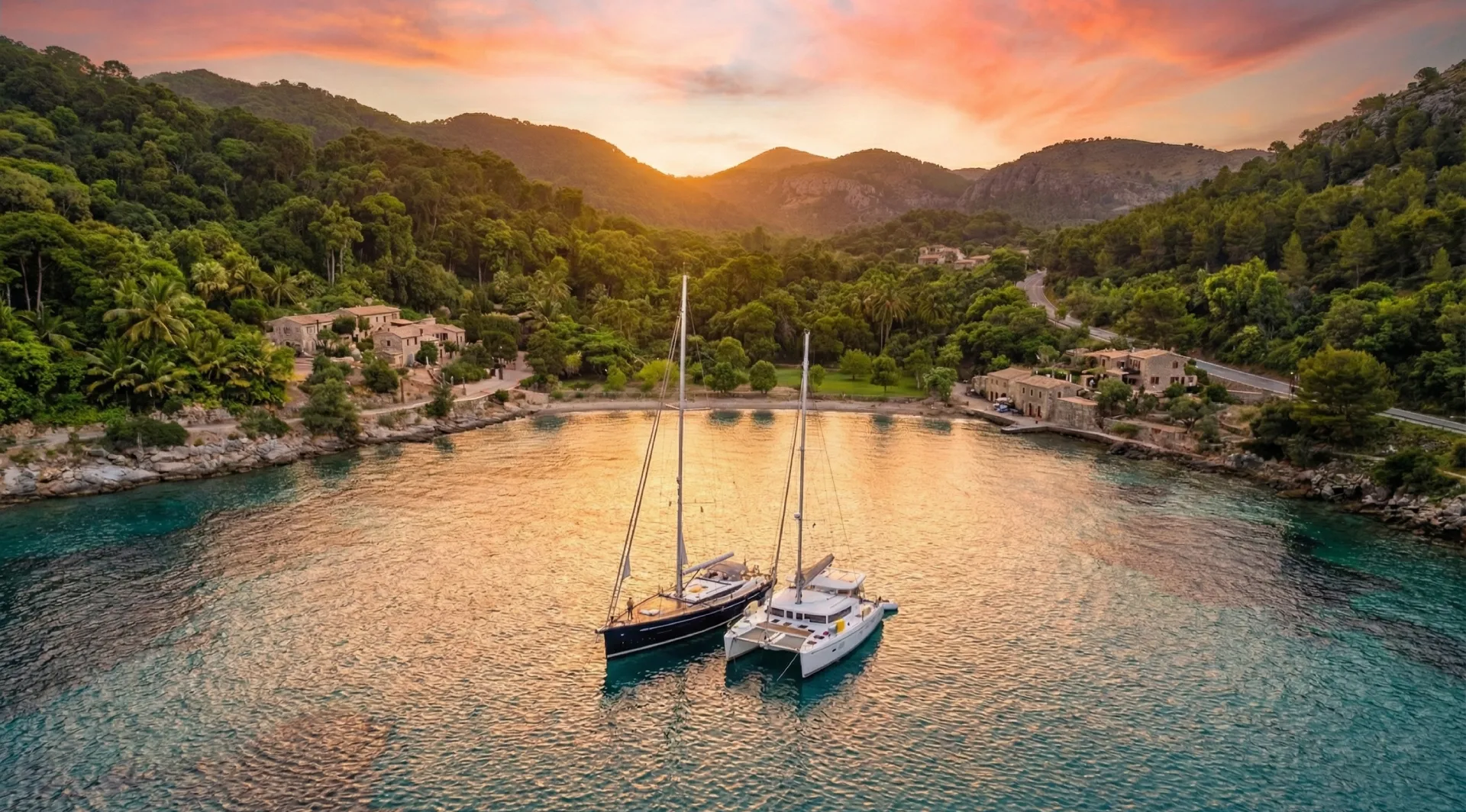
Sailing in the Spanish Virgin Islands
Sailing in Puerto Rico & the Spanish Virgin Islands (Vieques & Culebra): routes, conditions and practicalities
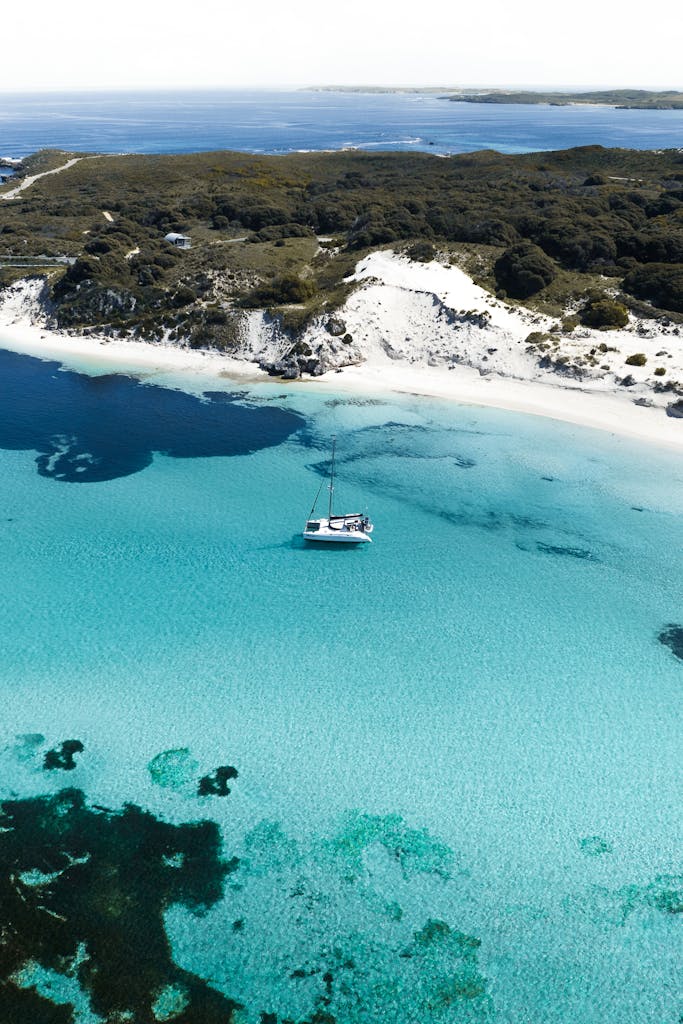
Fringed by reefs and studded with low-lying cays, Puerto Rico's east coast and its Spanish Virgin Islands offer line-of-sight passages, clear water, and reliably trade-wind sailing. From Fajardo's full-service marinas it is a short reach to Culebra's protected Ensenada Honda, the reef-sheltered pools of Dakity, and the powder-white arcs of Culebrita. Veer south to Vieques for luminous night skies, wildlife refuges, and long, sandy anchorages that feel wonderfully remote yet remain within day-sailing range of your base.
The appeal is clinical in its clarity: stable easterly winds, short hops between well-defined anchorages, and a robust support network ashore. Add bioluminescent bays, turtles on the reef, and quiet mooring fields managed to protect coral, and you have a compact cruising ground that rewards good planning with effortless memories.
Quick links
- Sailing in the Spanish Virgin Islands: routes, conditions and practicalities
- Quick links
- Why Sail in Puerto Rico & the Spanish Virgin Islands (Vieques & Culebra)?
- Itineraries
- When to go
- Wind & weather
- Getting there
- Chartering
- Licences & formalities
- Anchorages & marinas
- FAQs
- References
Why Sail in the Spanish Virgin Islands?
This corner of the north-eastern Caribbean concentrates many of the region's best traits into a manageable chart. The trades blow with purpose, the seas moderate behind protective reefs, and the distances are civilised. You can be off the dock by midday and over crystal sand before tea, with time left to snorkel among turtles or hike to a lighthouse for sunset.
Culebra provides reliable shelter in nearly all conditions, and its reef-protected anchorages feel custom-made for first-time Caribbean skippers. Vieques adds drama and diversity: broad crescent beaches on the south coast, mangrove-lined coves, and the celebrated bioluminescence of Mosquito Bay (best enjoyed via licensed tour). You remain firmly within US waters throughout, simplifying formalities while keeping the sense of escape.
For crews stepping up from the BVIs or hopping over from the USVI, this area feels familiar yet quieter. Wildlife refuges and mooring programmes limit pressure on coral, so the snorkelling can be superb. Ashore, provisioning and maintenance are straightforward in Fajardo, giving confidence to bareboat and skippered charters alike. Add in short, line-of-sight passages, abundant moorings, and good mobile coverage, and you have a stress-free setting for families, mixed-ability crews and anyone seeking classic trade-wind sailing without long open-water legs.
Itineraries
Two suggested routes make the most of this compact cruising ground. The 7-day loop is ideal for a first visit, taking in Culebra's protected harbours and Vieques' south-coast beaches. With 10 days you can ease the pace, linger on the reefs and add weather-dependent detours. Always time reef entries for good overhead light and keep itineraries flexible if the trades freshen.
7-day loop: Fajardo, Culebra and Vieques highlights
This compact circuit strings together sandy cays, Culebra's reliable shelter and Vieques' long beaches. Daily hops are mostly 4-20 nm (1-5 hours), keeping plenty of time for swimming and shore time.
Day 1 - Fajardo to Icacos/Palominos (shake-down)
Cast off from Puerto del Rey and make a short reach to the sandy shelves of Cayo Icacos or neighbouring Isla Palominos (4-8 nm; 1-2 hours). Settle the crew, check reef entries in good light, and enjoy an easy swim and snorkel over clear sand and reef edges. Use daylight to practise anchoring and tender ops before a calm first night.
Day 2 - Icacos to Culebra (Ensenada Honda)
A beam reach across Vieques Sound to Culebra (16-20 nm; 3-4 hours). Enter Ensenada Honda via the marked channel and pick up a mooring or anchor in settled sand patches with ample scope. Dinghy into Dewey for dinner and a wander along the waterfront; fuel and water are available if needed.
Day 3 - Culebrita by day, Dakity by night
Sail east to Culebrita for turtles, tide pools and the lighthouse walk (short hop 4-6 nm each way). Pick up a day-use mooring and swim the reefs. Return to the reef-sheltered pool of Dakity for a quiet night with excellent ventilation and minimal swell; arrive with good light to snake through the marks.
Day 4 - West Culebra and Luis Peña Reserve
Work along Culebra's west side, stopping on Cayo Luis Peña's reserve moorings for varied snorkelling (no anchoring on coral). Rotate between moorings to sample different bommies. If conditions are very settled and northerly swell is absent, consider an afternoon look into Flamenco before returning to Ensenada Honda for secure overnight shelter.
Day 5 - Culebra to Vieques (Esperanza/Sun Bay)
Reach south-west across Vieques Sound (22-28 nm; 4-6 hours). The south coast of Vieques offers big, sandy anchorages with room to spread out. Anchor off Sun Bay in sand for good holding and convenient access to Esperanza's waterfront for dinner and tour bookings.
Day 6 - Vieques south coast day hops
Make short day sails between Bahía de la Chiva (Blue Beach) and Playa Caracas (Red Beach), with pauses for snorkelling and shore walks. Respect refuge boundaries and use designated moorings where provided. Either return to Sun Bay or remain in a permitted anchorage overnight, choosing spots with ample lee if trades freshen.
Day 7 - Return to Fajardo via Palominito
Get away early for a comfortable fetch back to the cays off Fajardo (16-22 nm; 3-4 hours). Stop for lunch and a last swim at Palominito, then continue to Puerto del Rey for refuelling, pump-out and hand-back. Allow a cushion for post-charter checks.
10-day explorer: Extra time on the reefs and refuges
An unhurried circuit with extra reef time, a dedicated evening for Mosquito Bay by licensed tour, and a weather-dependent diversion to Isabel Segunda. Expect most legs of 4-20 nm with one or two 20-30 nm days.
Day 1 - Base to Palominos
A gentle first hop (4-6 nm) to shake down the yacht, test systems at anchor and swim the reef edge. Use the afternoon to brief on mooring procedures and reef entry hand signals.
Day 2 - Palominos to Ensenada Honda (Culebra)
Line-of-sight passage across the sound (16-20 nm). Enter with good light and keep to the marks. Choose a mooring or anchor in sand with plenty of scope; Dewey offers easy shoreside dining and basic services.
Day 3 - Culebrita and reef time
Spend a long day on Culebrita. Walk to the lighthouse, bathe in the natural tide pools and drift-snorkel the reef (day-use moorings). Return to Dakity or a mooring in Ensenada Honda for a settled night.
Day 4 - Luis Peña and west Culebra
Rotate between reserve moorings on Cayo Luis Peña for varied snorkel sites and calm lunch stops. If swell is down, peek at Flamenco's dramatic bay late afternoon, then retreat to Ensenada Honda before dusk.
Day 5 - South to Vieques (Esperanza)
Reach across in daylight (22-28 nm), keeping a lookout for lobster pot floats near shore approaches. Anchor off Sun Bay for excellent holding and enjoy Esperanza's relaxed waterfront at sunset.
Day 6 - Mosquito Bay via licensed tour
Keep the yacht anchored off Esperanza and book a licensed evening tour into Mosquito Bay to protect the habitat. Use the day for paddleboarding, beach time and a snorkel on nearby patch reefs in settled conditions.
Day 7 - Blue Beach and Caracas
Short coastal hops between Bahía de la Chiva and Playa Caracas. Observe refuge regulations, favour sand patches and avoid seagrass with your anchor. In brisk trades, tuck in well under the lee for comfort.
Day 8 - North Vieques (Isabel Segunda) if settled
In calm conditions without northerly swell, visit the anchorage off Isabel Segunda for a change of scene and convenient town resupply. If any north-east swell is running, remain on the south coast's broad, comfortable bays.
Day 9 - Return to Fajardo cays
Sail back to the Palominos/Icacos group (16-20 nm) for a final swim in clear water and a relaxed last night aboard. Choose good sand patches and allow room for wind shifts.
Day 10 - Back to base
Refuel, pump out, and hand back at Puerto del Rey. Complete check-out calmly by arriving with time in hand and lines prepared for the berth.
When to go
The sailing year divides neatly. December to April is peak season: reliable easterly trades, lower humidity and excellent visibility. Expect 15-20 knots most days, with occasional trade surges known as the "Christmas winds" in late December and January that can push well into the 20s. Swell from the north-east can affect exposed north-facing anchorages in mid-winter.
May and June bring a gentler pattern with slightly lighter trades and warmer seas - a sweet spot for many crews. July can be hot and squally but often with manageable winds. The Atlantic hurricane season runs June to November, with the highest risk in August to October. If sailing then, take professional weather advice, keep flexible itineraries, and have robust contingency plans.
Water temperatures hover between 26-29°C year-round. The tidal range is micro-tidal (typically 0.3-0.5 m), so currents are modest, but reef passes and channels still demand good light and vigilance. For most crews, late winter to early summer (January-June) offers the best blend of breeze, water clarity and manageable sea state.
Wind & weather
Prevailing winds are easterly trade winds. Typical daily ranges are 10-20 knots from E to ENE, veering ESE in summer. Expect gust acceleration around headlands and in channels, especially between Puerto Rico and Culebra/Vieques. The wind often eases slightly overnight and builds late morning into the afternoon sea breeze.
Sea state is generally moderate. Behind the reefs, lee waters are flat; in the channels, short period chop can develop against the trades. Winter northerly swells refract into open bays on the north of Culebra (e.g., Flamenco) and along Puerto Rico's Atlantic shore - choose south-coast or reef-protected anchorages in these spells.
Squalls move quickly with limited warning, bringing brief heavy rain and gusts. Good light is essential for eyeball navigation over patch reefs; polarised sunglasses and a bow lookout pay dividends. Thunderstorms are less frequent than in continental tropics but do occur in the wet season. Monitor reputable forecasting apps and NWS San Juan marine bulletins, and plan your easting in the morning before the breeze builds.
Getting there
Fly into San Juan (SJU), Puerto Rico's main international gateway, with frequent long-haul connections from North America and Europe. From SJU, it is around 1-1.5 hours by road to the charter bases around Fajardo/Ceiba on the east coast. Private transfers, taxis and rideshare services are readily available; larger crews often find a pre-booked shuttle the simplest option. Car hire is common if you plan to provision en route or explore ashore pre/post charter.
Ceiba's José Aponte de la Torre Airport (RVR) handles domestic flights and is within a short transfer of the marinas. There are also small-plane services direct to Vieques (VQS) and Culebra (CPX), useful for crew changes or staggered arrivals. Public ferries run from Ceiba to both islands; schedules are weather-dependent and best treated as plan B rather than critical path, especially in swell or strong trades.
For those already cruising the USVI, the Spanish Virgins sit just to the west. Passages from St. Thomas to Culebra are short, but plan for wind-against-sea in the Sir Francis Drake/Vieques Sounds when the trades are up. If meeting crew in Fajardo after a USVI cruise, build a weather margin for the return leg and daylight arrivals.
Chartering
Most weeks that visit Vieques and Culebra start as a yacht charter in the US Virgin Islands from St Thomas, or a Fajardo pickup.
Fajardo is the principal charter hub, centred on Puerto del Rey and neighbouring marinas. You will find a mix of monohulls and catamarans, plus crewed options. Provisioning is straightforward with large supermarkets, chandlers and repair facilities close to the docks. Water, fuel, pump-out and technical support are all readily arranged.
The cruising ground suits both new and experienced skippers: passages are short and largely line-of-sight, yet navigation is purposeful with reefs, shoals and marked channels that reward careful pilotage. Many bays in Culebra and Vieques are within wildlife refuges; anchoring is restricted in places to protect coral and seagrass, and day-use or overnight moorings are provided - bring a long dock line and chafe gear for secure bridles, especially on catamarans.
Trip planning is simple: a 7-day loop comfortably takes in Culebra's Ensenada Honda, Dakity and Culebrita plus Vieques' south-coast beaches. With 10 days, add slower days on the reefs and a weather-dependent visit to Isabel Segunda on the north side of Vieques. Avoid tight schedules during winter trade surges and in hurricane season, and time reef entries for good overhead light.
Practical tips: confirm inventory (snorkel sets, dinghy anchor, spare lines, boat hook, chafe protection), check windlass operation and anchor chain markings before departure, and verify VHF, nav lights and instruments. Shore power is US standard; bring the correct adapters for personal devices. Waste management is enforced - use pump-out facilities and avoid grey-water discharge in sensitive areas.
Licences & formalities
Puerto Rico and the Spanish Virgin Islands are US waters. If you start and finish within PR/USVI, formal entry/exit clearance is not required, but recreational vessels are expected to report movements to US Customs and Border Protection using the CBP ROAM app; carry government photo ID. Non-US citizens should check visa/ESTA requirements for entry to the United States.
For bareboat charters there is no federal "licence" mandated, but operators usually ask for evidence of competence. As a rule of thumb, ASA 104 Bareboat Cruising or RYA Day Skipper (or higher) with recent, relevant experience on a yacht comparable in size is accepted. A concise sailing CV helps. An ICC can be useful for international recognition but is not mandatory in US waters.
Environmental rules are actively enforced. Use designated moorings where provided in the Culebra and Vieques refuges; avoid anchoring on coral or in seagrass; observe no-take zones and speed limits in mangrove areas. Mosquito Bay on Vieques is protected - private yachts should not enter at night; enjoy it via licensed tours instead. Carry proof of holding tank functionality and respect no-discharge regulations. Always verify current regulations with your charter company and local authorities before departure.
Anchorages & marinas
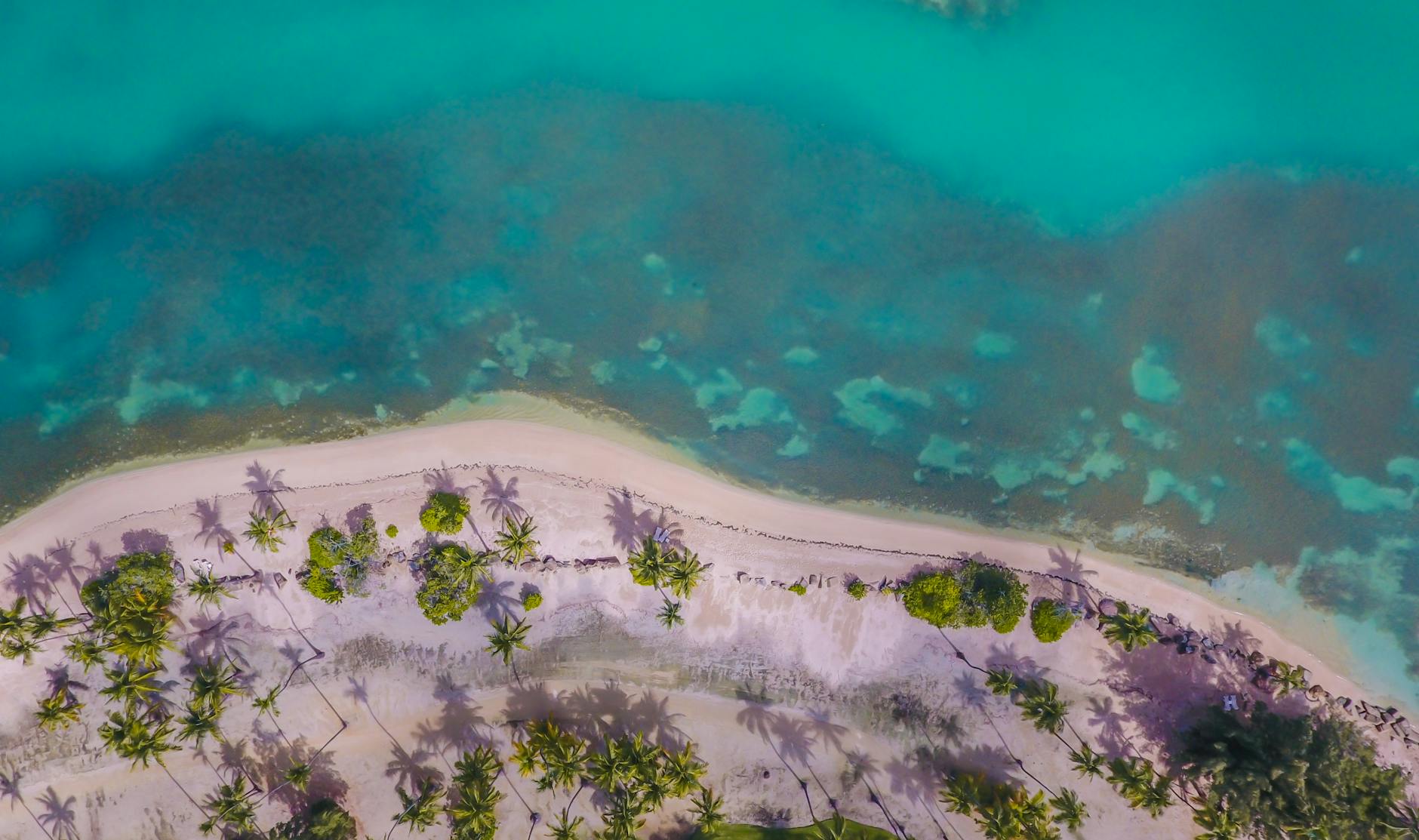
- Fajardo/Ceiba marinas: Puerto del Rey is one of the Caribbean's largest marinas, with comprehensive services, haul-out and 24/7 security. Nearby facilities at Puerto Chico, Sunbay, Villa Marina and Isleta Marina round out berthing, fuel and chandlery options. Palmas del Mar (Humacao) further south-east is another full-service stop.
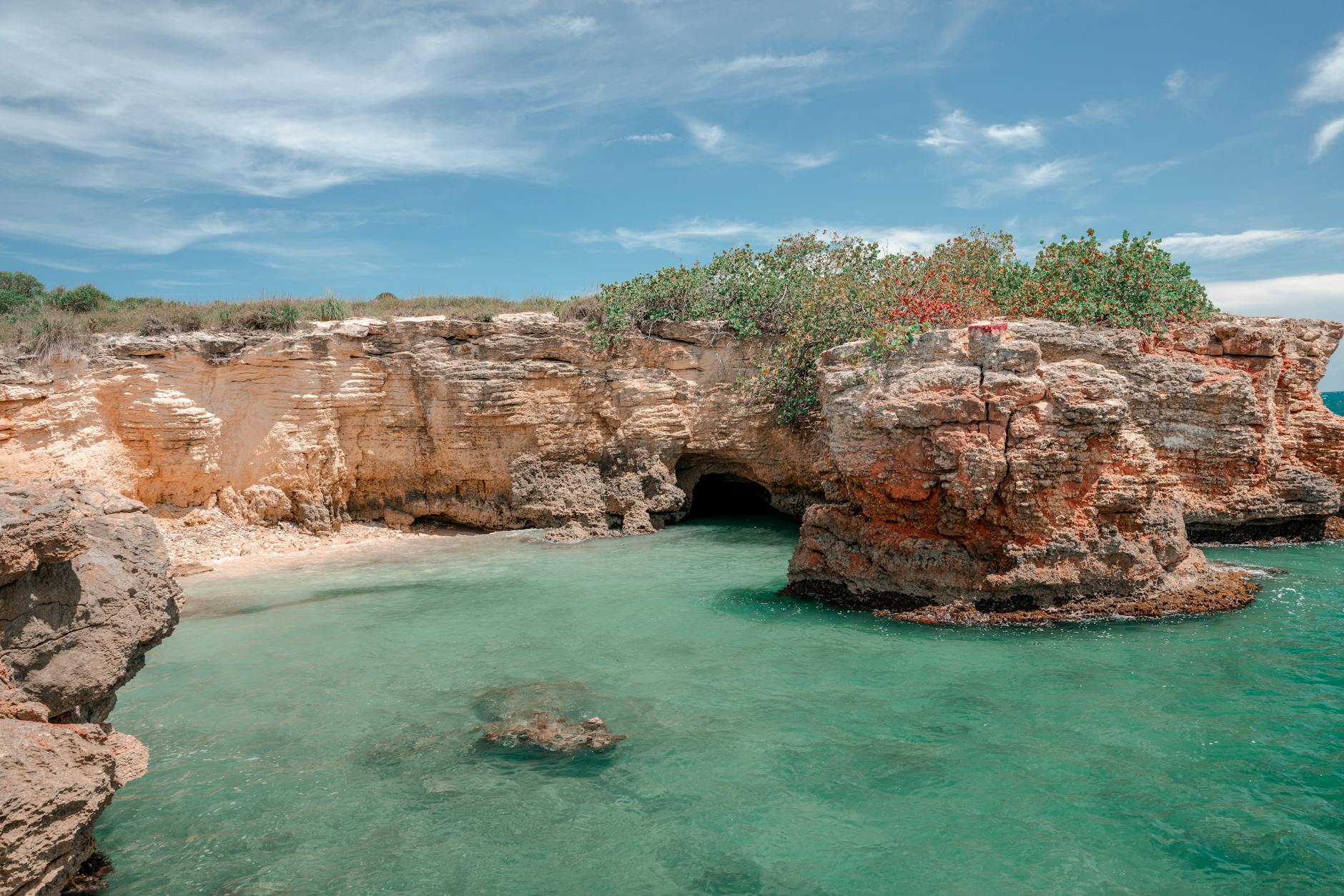
- Culebra: Ensenada Honda is the primary all-weather harbour with ample swinging room, moorings, fuel and shoreside dining in Dewey. Dakity, just inside the reef by the entrance, is a favourite for its breeze and flat water - use moorings. Culebrita offers day-use moorings and excellent swimming; it is more exposed overnight. Luis Peña (west of Culebra) is a natural reserve with moorings and superb snorkelling; anchoring is restricted to protect coral. Flamenco, on the north shore, is beautiful but only tenable without north-easterly swell.
- Vieques: The south coast is the sailing focus. Sun Bay (near Esperanza) provides space, sand and decent lee. Bahía de la Chiva (Blue Beach) and Playa Caracas (Red Beach) are within wildlife refuge boundaries - follow local signage, use moorings where installed and avoid restricted zones. Isabel Segunda on the north coast offers a roadstead anchorage for short, settled-weather visits with convenient town access. Many mangrove coves are environmentally sensitive; check refuge maps before entry.
General notes: charts are good but eyeball navigation remains vital around reefs and shoals. Enter unfamiliar bays with the sun high and behind you. Tidal streams are weak, but wind-against-sea in the sounds can be uncomfortable; plan easting early in the day. Moorings vary - inspect for wear, back down gently and use a bridle on cats. Favour sand patches, avoid seagrass, and leave generous swinging room for neighbours.
FAQs
.faq-accordion details{border:1px #cccccc solid;border-radius:4px;margin:8px 0;}.faq-accordion summary{padding:10px 15px;cursor:pointer;display:flex;align-items:center;gap:8px;list-style:none;}.faq-accordion summary::-webkit-details-marker{display:none;}.faq-accordion summary::before{content:'▸';color:#12305c;font-weight:700;display:inline-block;transform:rotate(0deg);transition:transform .2s ease;}.faq-accordion details[open] summary::before{transform:rotate(90deg);}.faq-accordion p{padding:10px 15px;margin:0;}
Is this area suitable for a first Caribbean bareboat?
Yes, provided the skipper is comfortable with reef navigation and picking up moorings. Distances are short and shelter is excellent, but you must time reef entries for good light and avoid exposed anchorages during winter swells.
What wind strengths should I expect?
Most days bring 10-20 knots from the east. In late December and January, trade surges ("Christmas winds") can push higher. Summer tends to be a little lighter but hotter, with passing squalls.
Do I need a sailing licence to charter here?
There is no universal US licensing requirement, but charter companies typically require proof of competence - ASA 104 or RYA Day Skipper (or higher) with recent experience on similar yachts.
Are there plenty of moorings?
Yes, especially in protected areas like Dakity, Culebrita and the Luis Peña reserve, and at selected Vieques beaches. They protect coral and are often preferred or required. Bring suitable lines and check each mooring before committing overnight.
Can I visit Mosquito Bay on my yacht?
Mosquito Bay is a protected bioluminescent lagoon. Private yachts should not enter at night; the best (and responsible) way to experience it is via licensed tour operators from Esperanza.
Is night sailing recommended?
No. Reefs, unlit marks and fish pots make night movements undesirable. Plan to arrive at new anchorages in daylight with the sun overhead for best visibility.
Can I sail over from the USVI without clearing customs?
Yes, you remain within US waters between the USVI and Puerto Rico. However, recreational vessels are expected to report movements using the CBP ROAM app and carry valid ID.
References
- https://www.cruiserswiki.org/wiki/Puerto_Rico_%26_the_Spanish_Virgin_Islands_(Vieques_%26_Culebra)
- https://www.weather.gov/sju/marine
- https://www.nhc.noaa.gov/climo/
- https://www.cbp.gov/travel/pleasure-boats-private-flyers/pleasure-boat-overview/roam
- https://www.puertodelrey.com/
- https://www.fws.gov/refuge/culebra
- https://www.fws.gov/refuge/vieques-national-wildlife-refuge
- https://www.puertoricoferry.com/
Charter a Yacht
Compare crewed & bareboat charters, learn the best months to sail, and get a custom shortlist from 500+ providers.