Sailing in Comoros & Mayotte: routes, conditions and practicalities
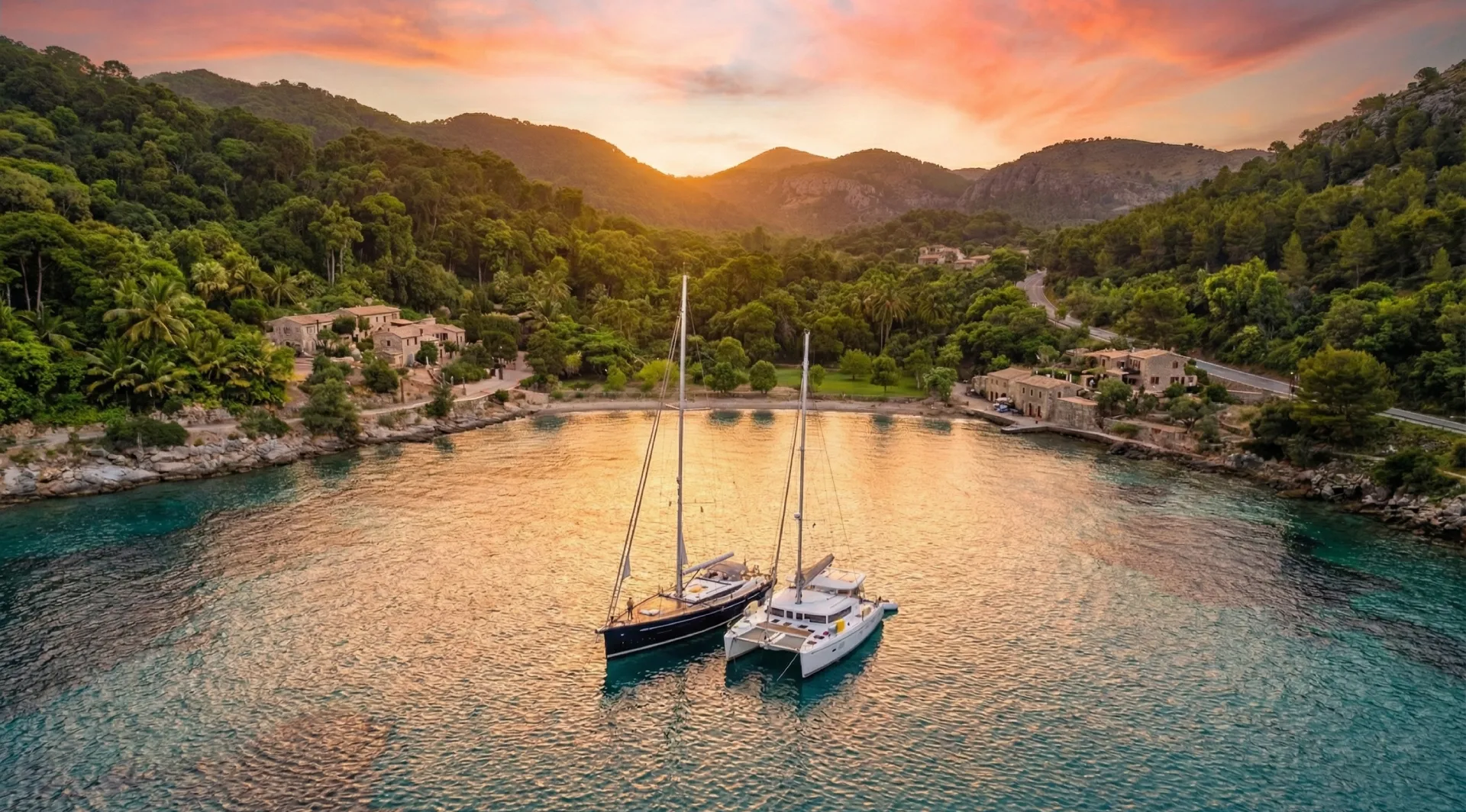
Fringed by coral and polished by the warm Agulhas waters, Comoros and neighbouring Mayotte offer wild, rewarding sailing that still feels off the beaten track. Expect a cinematic lagoon in Mayotte for protected cruising, inter-island hops across the Comoros archipelago for bluewater miles, and abundant marine life from nesting turtles to humpbacks. This guide sets out the winds, seasons, anchorages and entry formalities in a clinically structured way, so you can plan with confidence - whether you are chartering a catamaran in Mayotte's lagoon or arriving on your own keel to explore Moroni, Mutsamudu and Mohéli's marine park.
Quick links
- Itineraries
- When to go
- Wind and weather
- Getting there
- Chartering
- Licences and formalities
- Anchorages and marinas
- FAQs
Use the quick links above to jump to the sections most relevant to your plans. Each section is designed to be concise yet thorough, with practical details you can act on when plotting routes, timing passes and dealing with authorities.
Why Sail in Comoros & Mayotte?
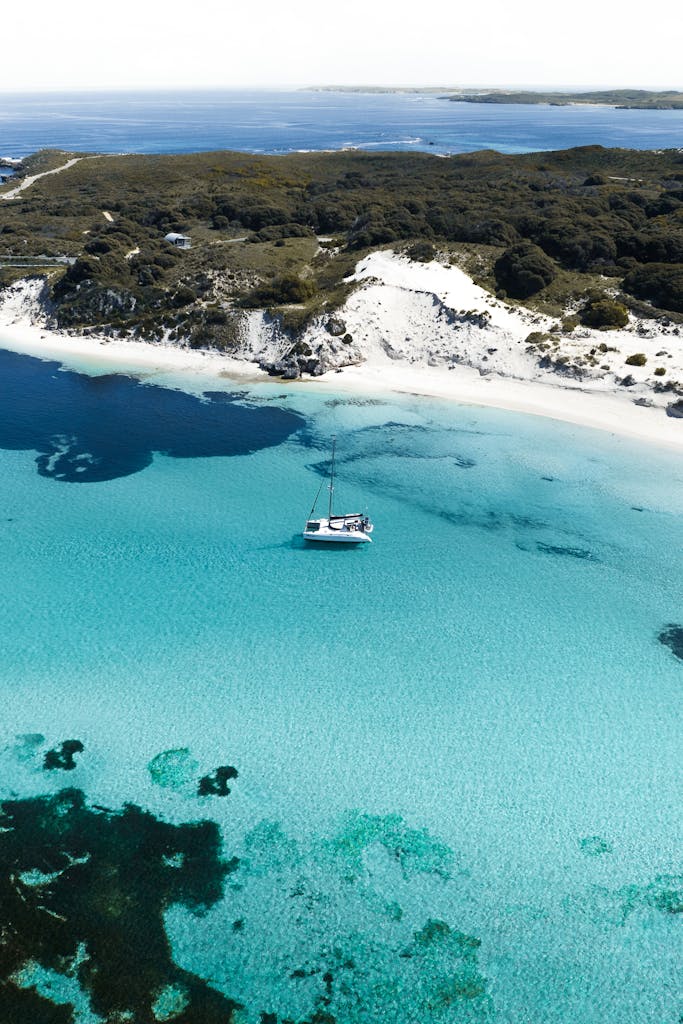
Comoros and Mayotte combine Indian Ocean exotica with genuine seafaring interest. Mayotte's immense double-barrier reef creates one of the world's largest enclosed lagoons, giving line-of-sight sailing over turquoise plateaus with reliable anchorages and snorkelling straight off the stern. In season, turtle encounters are routine and humpback whales cruise past the reef edge.
By contrast, the Union of the Comoros - Grande Comore (Ngazidja), Mohéli (Mwali) and Anjouan (Ndzuwani) - rewards competent passagemakers with characterful towns, volcanic backdrops and sparsely visited roadsteads. Mohéli's protected islets are a highlight for divers and nature lovers, while Mutsamudu and Moroni offer a window into Swahili-Arab trading heritage.
Sailors also prize the area for its meteorological clarity. The austral winter brings brisk, dry south-easterlies for purposeful passages; summer shifts to lighter, more variable north-westerlies with tropical chromatics. With cyclone awareness, tide planning and good light for eyeball navigation, this region delivers adventure without artifice.
Itineraries
Below are two complementary routes: a protected, scenery-rich week inside Mayotte's vast lagoon, and a 10-day inter-island explorer across the Union of the Comoros for crews seeking bluewater miles and culture. Adjust daily runs to suit tides, light and crew energy, and always time reef passes for daylight slack where possible.
7-day Mayotte Lagoon Circuit (protected, scenery-rich)
A clockwise loop of Mayotte's double-barrier lagoon with short, line-of-sight legs, sweeping sandbars and excellent snorkelling. Ideal for families and first-time reef navigators, this circuit stays largely in flat water while still offering reef-edge thrills in settled weather.
Day 1 - Dzaoudzi check-in and shakedown
Arrive to the sheltered roadstead off Dzaoudzi on Petite-Terre. Complete formalities and test systems with a short hop and snorkel around Îlot Mbouzi's reserve. Use the afternoon high sun to familiarise the crew with bommie spotting and buoyage. Overnight in good holding sand-mud.
Day 2 - Cross-lagoon to Bandrélé
Weave across coral plateaus in good light to Bandrélé on the south-east lagoon. Expect 12-18 NM depending on your track. Swim with reef fish and explore the quiet village ashore. Keep a bow lookout through the paler turquoise shallows and favour sand patches when anchoring.
Day 3 - Saziley peninsula and reef edge
Follow the lagoon rim to Saziley. Time the tidal streams near the nearby pass; snorkelling on the outer reef (in settled weather) can be superb with clear water and drop-off walls. Set a shore lead if you plan to spend time exploring the headland by dinghy.
Day 4 - N'Gouja turtles and southwest beaches
Slide along the south coast sandbars to N'Gouja/Kani-Kéli. Green turtles graze the seagrass and often appear right under the boat. Land with care on the sandy sections and avoid trampling seagrass or coral rubble. Sunset often delivers dramatic silhouettes of baobabs and bats.
Day 5 - Long reach to the Choizil islets (north)
A rewarding lagoon passage to the far northwest. Anchor in sand off the Choizil islets for dramatic pinnacles and sunset views to Africa. In the trades this can be a fast reach; arrive early to pick a sand patch amid coral heads and enjoy the clearest water of the week.
Day 6 - Handréma or Longoni
Short repositioning to Handréma for a quiet night, or into the Longoni area for provisioning runs by road. Mind the tidal streams which can reach several knots around constrictions. If fuelling by jerrycan, plan multiple dinghy shuttles with safe, secure dockings.
Day 7 - Return via Passe en S to Dzaoudzi
Plan the pass for slack or favourable stream. Return to Dzaoudzi for departure formalities and a final dinner ashore. Use the crossing to rehearse man-overboard procedures and to debrief the crew on reef entry/exit best practice before handing back the boat.
10-day Comoros Inter-Island Explorer (bluewater and culture)
A culture-forward circuit linking Grande Comore, Mohéli and Anjouan. Expect one to two offshore hops of 40-80 NM, open roadsteads with swell wrap and welcoming towns. Paperwork is part of the rhythm; plan daylight approaches and keep a weather eye on channels where winds accelerate.
Day 1 - Moroni arrival
Anchor off Moroni, Grande Comore. Clear in with authorities and explore medina alleyways and beachfront cafés. Swell can creep in; set plenty of scope and rig a stern line if you need to align to residual seas. Secure the dinghy high and lock it when ashore.
Day 2 - North to Mitsamiouli
Hop up the rugged west coast under the lee of Karthala volcano to the sandy coves near Mitsamiouli. The coast is striking and relatively undeveloped; pick an anchorage with sand patches and a lee from the prevailing trades. Evening katabatics can freshen briefly off the slopes.
Day 3 - Offshore to Mohéli (Nioumachoua islets)
A bluewater leg across the channel. Enter in good light; anchor in sand among the islets of the Mohéli Marine Park. The approach is straightforward in calm seas but avoid night arrivals. The marine life here is exceptional - keep speeds modest to minimise disturbance.
Day 4 - Mohéli Marine Park day
Snorkel, dive and watch for dolphins and, in season, humpbacks. Low-key villages welcome a respectful dinghy landing. Take nothing but photos: follow park guidance on moorings, dropping the hook only in designated sand areas to protect the habitat.
Day 5 - Fomboni town stop
Short relocation to Fomboni for fresh markets, diesel by jerrycan and water if available. Expect basic facilities and friendly assistance. Reconfirm your inter-island clearance intentions with the Port Captain if planning to continue to Anjouan.
Day 6 - Anjouan (Mutsamudu)
Cross to Anjouan and berth or anchor off Mutsamudu. Expect some surge and formalities with the Port Captain. Long warps and fenders are useful if going alongside; otherwise anchor with room to swing and use chafe protection. The old town rewards a stroll.
Day 7 - East to Domoni
Run down the coast for a quieter anchorage off Domoni. Stroll the old town and restock bread and fruit. This coast is more exposed to swell; pick weather windows and avoid tight lee shores in fresh winds. Night sky photography here can be superb in clear conditions.
Day 8 - Back to Mutsamudu for clearance
Return to Mutsamudu to complete inter-island paperwork and prepare for the longer return leg. Top up fuel and water where possible and check the latest forecasts from Météo-France for the channel crossing.
Day 9 - Grande Comore south coast (Iconi)
Overnight or long day sail back to Grande Comore; anchor off Iconi just south of Moroni in settled weather. The roadstead is tenable in light to moderate conditions; otherwise plan to reach Moroni earlier for a more predictable landing.
Day 10 - Moroni departure
Short hop to Moroni for final formalities, fuel and onward routing. Allow time for simultaneous visits to Immigration, Customs and the Harbour Office. Stow for sea if you plan to depart the islands overnight.
When to go
The most reliable window is the austral winter, June to September. Expect predominantly dry weather, good visibility and the south-east trades at 12-22 knots (occasionally higher in the channels). Seas outside the reefs can be steep in wind-against-current conditions but Mayotte's lagoon remains calm.
May and October mark shoulder months with lighter, more variable winds and occasional squalls. November to April brings the north-west monsoon regime: higher humidity, frequent showers and thunderstorms, and lighter, shifting winds punctuated by squalls. Tropical cyclones can affect the Mozambique Channel - most commonly January to March - so voyage planning and refuge options are essential at this time. Water temperatures sit around 26-29 °C year-round; air temperatures 24-31 °C.
Wildlife highlights track the seasons too. Humpback whales typically visit between July and October, while turtle encounters are year-round with nesting peaks varying by beach. Underwater visibility is often best in the drier months, especially along the outer reef edges.
Wind and weather
Seasonal patterns
Seasonality is pronounced. From roughly May to October, the south-east trades (known locally as the alizés) dominate at Force 4-6, particularly funnelled between islands where gusts can exceed 25 knots. These winds drive a general south-westerly set in exposed waters with complex eddies in the Mozambique Channel. Near passes and headlands, accelerated flows are routine and should inform your sail plan.
From November to April, the wind backs to the north-west with a monsoonal pattern: light to moderate breezes, humidity and convective squalls. Thunderstorms can deliver short, violent gust fronts. Tropical systems occasionally track through the Channel; monitor Météo-France and official cyclone bulletins closely in this period.
Currents, tides and visibility
Currents and tides matter. Mayotte's lagoon is cut by narrow passes where tidal streams can run 3-5 knots at springs; plan entries at slack water and avoid night approaches. Outside the reefs, ocean swell from the south to south-west can wrap in and affect open roadsteads in Comoros. Charts may be offset around coral; eyeball navigation in high sun and a bow lookout are strongly advised. Satellite imagery (with caution) helps identify coral bommies and sand patches.
Carry conservative sail plans near passes, and brief the crew on hand signals between bow lookout and helm. Clear polarised sunglasses and a high sun angle make a tangible difference to bommie spotting and sand-patch selection.
Getting there
By air
Mayotte's Dzaoudzi-Pamandzi International Airport (DZA) has regular links via Réunion and mainland France. In Comoros, Prince Said Ibrahim International (HAH) serves Moroni, with domestic flights to Fomboni (Mohéli) and Ouani (Anjouan). Crews joining yachts should factor the inter-island barge between Petite-Terre (Dzaoudzi) and Grande-Terre (Mamoudzou) when planning transfers.
By sea
Common cruising approaches include passages from northern Madagascar (Nosy Be/Hell-Ville to Mayotte ~160 NM), from Mozambique (Pemba to Mayotte ~230 NM) or inter-island from the Seychelles/La Réunion on longer Indian Ocean routes. When arriving by yacht, head to established clearance ports: Dzaoudzi (Mayotte), Moroni (Grande Comore) or Mutsamudu (Anjouan). Time reef passes for daylight and fair tide, call harbour authorities on approach if possible, and be prepared for anchoring rather than marinas outside of Mayotte.
Local transport
Within Mayotte, the barge/ferry link between Dzaoudzi (Petite-Terre) and Mamoudzou (Grande-Terre) is frequent and convenient. In Comoros, inter-island ferries are irregular; yachts should be self-sufficient for inter-island movements and avoid relying on public schedules for critical crew changes.
| Island | Primary clearance port | Notes for yachts |
|---|---|---|
| Mayotte | Dzaoudzi | Efficient French formalities; anchor off the town quay. Strong streams in nearby passes - arrive by day. |
| Grande Comore | Moroni | Open roadstead; use good scope and time dinghy landings through the small harbour entrance. |
| Mohéli | Fomboni | Basic facilities; workable for fuel/water by jerrycan. Check inter-island clearance requirements. |
| Anjouan | Mutsamudu | Main commercial port; some surge alongside. Expect multi-office check-in and modest fees. |
The table above summarises where most yachts officially arrive and what to expect on first contact. Conditions change - seek the latest reports from recent cruisers and official notices before departure.
Chartering
Vessels and operating area
Charter options concentrate in Mayotte, a French overseas department with a robust lagoon ideally suited to catamarans and family crews. Fleets are smaller than in the Seychelles or Mauritius but you will find local operators offering bareboat and skippered monohulls and catamarans, plus RIBs for day hire. Typical one-week itineraries remain inside the lagoon, with explicit prohibitions on taking charter yachts to the Union of the Comoros or outside the reef in fresh trades or poor visibility.
Expect French-standard safety equipment, high tidal-range briefings and conservative ground tackle. Night entries through passes are typically forbidden; daily passage planning around tides and light is a core charter skill here.
Qualifications and experience
Documentation and experience requirements are practical rather than bureaucratic. Most companies accept an ICC (Sail), RYA Day Skipper (Practical) or ASA 104 equivalent, plus a VHF/SRC operator's certificate. A concise skipper's résumé that demonstrates tidal and reef navigation experience will speed approvals.
Provisioning and base services
Provisioning is excellent by regional standards: French supermarkets (notably in Mamoudzou) stock widely, and fresh produce is available in daily markets. Fuel is readily obtained by jerrycan; water is available at public quays and some yacht club facilities. Spares and specialist chandlery are limited - bring critical items, including snorkelling gear, spare shackles and chafe gear.
Licences and formalities
Mayotte (France)
On first arrival, fly the Q flag and proceed to the Dzaoudzi anchorage. Clear in with Police Aux Frontières (immigration) and Customs (Douane). For EU citizens, Schengen immigration rules apply; non-EU nationals should check visa requirements in advance. Mayotte is under French customs but outside the EU VAT area; declare ship's stores if requested. Clearance outbound is required if you intend to sail internationally (e.g., to Comoros, Madagascar or Mozambique). A ship's radio licence and operator's certificate are standard.
Union of the Comoros
Yachts must clear at an official port (commonly Moroni on Grande Comore or Mutsamudu on Anjouan). Visas are typically available on arrival for many nationalities for a fee, though e-visa systems may also operate; always verify current practice. Expect to visit Immigration, Customs and the Port Captain, and to pay light port and cruising fees. Inter-island movements may require additional clearances - ask the Port Captain before departing each island. Carry several copies of documents (passports, registration, crew list, insurance) and dress modestly ashore.
Health, safety and conduct
Malaria and dengue occur; carry repellents and consider prophylaxis per medical advice. A yellow fever certificate is required if arriving from an endemic country. Petty theft can occur in busier harbours; lock dinghies, hoist at night and use robust chain and padlocks. French and Comorian authorities are active in the Mozambique Channel; ensure passports and vessel papers are readily accessible during any inspection. Respect local customs, avoid drones over settlements without permission and minimise light/noise at night near villages.
Anchorages and marinas
Mayotte
Mayotte offers the region's most developed yachting infrastructure. The primary hub is the Dzaoudzi/Mamoudzou roadstead inside the lagoon. Moorings and assistance are often available via the local yacht club at Dzaoudzi; depths are good holding sand-mud. Strong tidal streams run in the passes - plan arrivals for slack water. Longoni is a commercial port to the north; yachts typically anchor outside and run jerrycans if arranging fuel. Around the lagoon, numerous day and overnight anchorages sit on sand behind coral shelves - Bandrélé, Saziley, N'Gouja, Handréma and the Choizil islets are standouts. Always enter in good light with a bow lookout; coral heads are frequent and often unmarked.
Comoros (Grande Comore, Mohéli, Anjouan)
In the Comoros, facilities are basic. Moroni is generally an open roadstead with some protection from the fringing reef; swell can wrap in and the dinghy landing is through a small harbour entrance - time it carefully. Mutsamudu (Anjouan) is the main commercial harbour; yachts may lie alongside or anchor with long warps, but surge and crosswinds are common. Fomboni (Mohéli) and village anchorages such as Nioumachoua are more sheltered in the prevailing trades, with sandy patches amid coral. Depths shoal rapidly near reefs; lay extra scope and use chafe protection. No full-service marinas exist in Comoros; self-sufficiency is key.
Anchoring technique and reef etiquette
Prefer sand over coral wherever possible and avoid dropping chain across living reef. A tripping line can help retrieve anchors from coral shelves. In marine parks, look for moorings first; if none are available, anchor only in designated sand patches and keep swing radii generous to prevent chain scouring.
FAQs
When is the best time to sail in Comoros and Mayotte?
June to September is the prime season, with dry weather and reliable south-east trades. May and October are transitional. November to April brings a humid north-westerly regime with squalls and a cyclone risk peaking January to March.
Can I charter a boat in Comoros?
Organised bareboat charter is extremely limited in the Union of the Comoros. Most charter activity is in Mayotte, typically restricted to the lagoon and nearby reef-edge anchorages. Crossing from Mayotte to Comoros is generally prohibited by charter contracts.
What qualifications do I need to charter in Mayotte?
An ICC (Sail), RYA Day Skipper Practical or ASA 104 (or higher) is commonly requested, plus a Short Range Certificate (VHF). Skippers should be comfortable with tidal planning, coral navigation and day-only pass entries.
Are there marinas?
Mayotte has moorings and limited yachting services centred on Dzaoudzi/Mamoudzou but no large, fully serviced marinas. In Comoros, there are no marinas - expect anchoring or basic commercial quays with surge.
Is it safe to cruise here?
Thousands of safe passages are made annually, but prudent precautions are essential. Use robust dinghy security, avoid isolated dinghy docks at night, track weather and cyclone advisories in season, and follow local guidance on where to anchor.
What are the main navigation hazards?
Unmarked coral heads inside lagoons, strong tidal streams in passes (3-5 knots at springs), occasional fish aggregating devices and nets, and chart offsets near reefs. Enter passes and new anchorages in daylight with the sun high.
Will I see whales or turtles?
Yes. Green turtles are common year-round in Mayotte and Mohéli. Humpback whales visit roughly July to October - maintain a respectful distance and adhere to local marine park rules.
References
- https://www.cruiserswiki.org/wiki/Comoros
- https://www.cruiserswiki.org/wiki/Mayotte
- https://www.noonsite.com/place/comoros/
- https://www.noonsite.com/place/mayotte/
- https://meteofrance.yt/
- https://www.shom.fr/
- Heikell, R. Indian Ocean Cruising Guide. (latest ed.)
- UKHO Sailing Directions: Africa Pilot Vol. III (Mozambique Channel)
- https://www.seeandexploremayotte.yt/
Charter a Yacht
Compare crewed & bareboat charters, learn the best months to sail, and get a custom shortlist from 500+ providers.