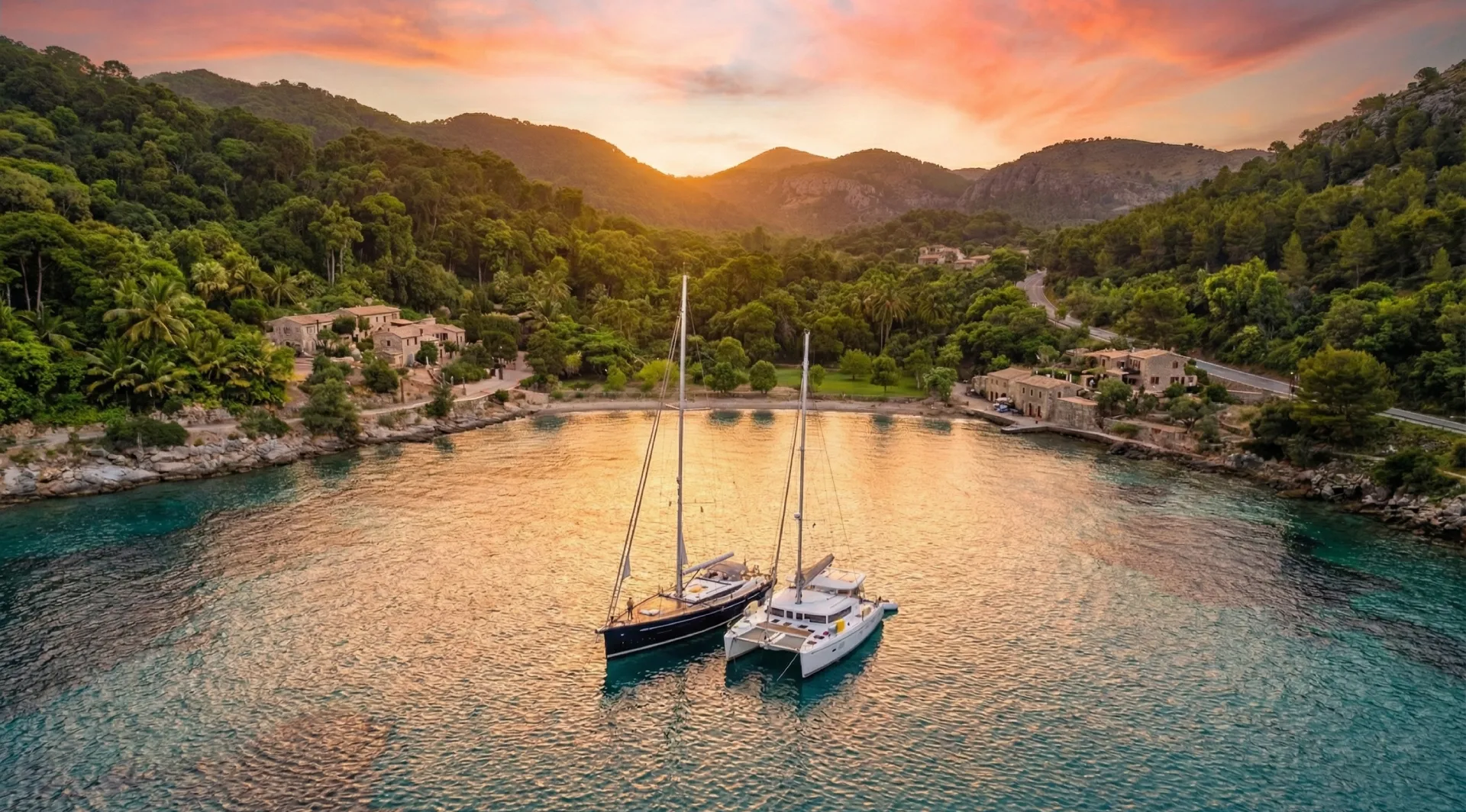
Sailing Japan's Seto Inland Sea & the Ryukyu Islands
Sailing in Japan's Seto Inland Sea & the Ryukyu Islands: routes, conditions and practicalities
Japan offers two distinct cruising theatres in one voyage plan. To the north, the island-dotted Seto Inland Sea rewards patient pilotage with sheltered passages, cultured stopovers and intricate tidal gates. To the south, the Ryukyu archipelago stretches into turquoise tropics, where coral-fringed anchorages, manta cleaning stations and white-sand atolls meet a more oceanic swell and seasonal trade-like monsoon. This guide sets out where to go, when to go, what the winds do, and how to charter with confidence, so you can plot a safe, satisfying route through both regions without missing their very different charms.
Quick links
- Sailing in Japan's Seto Inland Sea & the Ryukyu Islands: routes, conditions and practicalities
- Why Sail in Japan's Seto Inland Sea & the Ryukyu Islands?
- Itineraries
- When to Go
- Wind & Weather
- Getting There
- Chartering
- Licences & Formalities
- Anchorages & Marinas
- FAQs
- References
Use these links to jump to the sections most relevant to your planning, then return to the itineraries to stitch together a route that matches your time, experience and the season.
Why Sail in Japan's Seto Inland Sea & the Ryukyu Islands?
Few destinations deliver the range Japan does in such compact cruising grounds. The Seto Inland Sea (Setonaikai) is effectively a vast natural waterway buffered from Pacific and Sea of Japan swells, interlaced with hundreds of islands and linked by famous bridges. It is a sail of narrows and eddies, temple towns and art islands, with reliable shelter and short hops that suit leisurely gunkholing as well as purposeful mile-building. For navigators, the currents are engaging rather than forbidding if you time the gates; for food lovers, this is Japan's larder afloat - citrus, oysters and udon within easy reach of your berth.
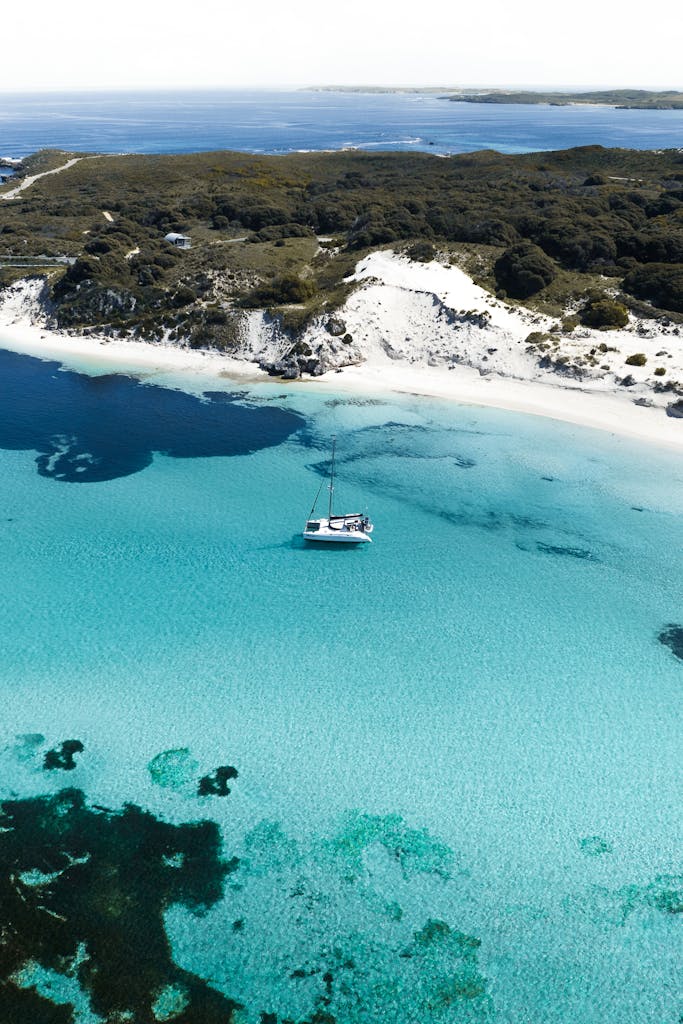
The Ryukyu Islands change the register. Here, the Kuroshio brushes limestone isles from Amami to Okinawa, Miyako and the Yaeyama group. Expect warm water, coral gardens and clear anchorages offset by open-ocean passages between island groups and a typhoon season that rewards seasonal planning. Kerama's moorings bring reef protection and effortless snorkelling; Ishigaki and Iriomote promise big skies, tradewind-style reaches and starfields unmarred by city glare.
Sailing both gives you a "two-climate" cruise without leaving one country. Culture and cuisine are as compelling as the seamanship: from Shinto shrines on Miyajima and Edo-era harbours at Tomonoura to Ryukyuan castles, sanshin music and Okinawan fare. The logistics are straightforward, the welcome is genuine, and - with the right prep - the pilotage is memorable for all the right reasons.
Plan to move at the pace of the place: linger in sheltered Seto anchorages to catch museum openings and market mornings, then open the throttles for longer blue-water day sails between Ryukyu groups when weather windows align.
Itineraries
Two contrasting routes showcase Japan's sheltered inland waterways and its tropical island chain. The first is a loop through the eastern Seto Inland Sea with short, scenic passages and historic ports. The second is a one-way passage from Okinawa down to the Yaeyama group, mixing national-park moorings, open-water hops and coral-fringed day anchorages. Adjust daily legs to tide, swell and crew energy.
Eastern Seto Inland Sea - 7 days from Takamatsu (loop)
Day 1 - Takamatsu to Naoshima (10-15 NM)
Arrive, brief and slip from Takamatsu Yacht Harbour for a short first leg across to Naoshima. Pick up a visitor berth at Miyanoura and explore Benesse's art sites ashore. Tidal flow is modest on this reach, but expect ferry traffic. If time allows, stroll to the Ando-designed Oval or bathe at the iconic I♥湯 sento to reset after travel.
Day 2 - Naoshima to Tonosho, Shodoshima (12-18 NM)
Skirt Teshima and head for Tonosho on Shodoshima's northwest. Berths are usually available; the approach is well-marked with fish-farm buoys to avoid. Sample Sanuki udon ashore. In settled weather, a lunchtime pause off Teshima's lee makes a gentle interlude before the afternoon breeze fills in.
Day 3 - Tonosho to Shiraishi-jima (20-25 NM)
A slightly longer leg westwards through the Kasaoka Islands. Anchor in sand on the south or east side of Shiraishi in settled weather. Expect modest cross-tides; time narrows for fair current where possible. Ashore, follow the hillside trails for views across the islet-speckled Seto.
Day 4 - Shiraishi-jima to Tomonoura (12-15 NM)
Thread between islets to Tomonoura, an Edo-era harbour with limited visitor space (often the outer quay). The approach is straightforward in daylight but avoid low-visibility entries due to fishing gear. The evening light on the old town's timber warehouses is worth an early arrival.
Day 5 - Tomonoura to Mitarai (15-20 NM)
A rewarding pilotage day via the Onomichi Channel (optionally pausing at Onomichi for lunch) before continuing to Mitarai on Osaki-Shimojima, famed for its preserved merchant quarter. Strong cross-sets possible in the channels. Check currents at bridge narrows and keep a sharp lookout for ferries.
Day 6 - Mitarai to Ogijima/Megijima (25-30 NM)
Work back east along the north of Shikoku to anchor off Ogijima (settled weather) or lie alongside at Megijima. Keep a listening watch for commercial traffic and ferries. If breeze fades, the tidal stream will still carry you comfortably along the lanes.
Day 7 - Ogijima/Megijima to Takamatsu (3-6 NM)
A short final hop. Enter Takamatsu with the tide under you and refuel at the harbour before hand-back. Leave time for a last walk in Ritsurin Garden, a few minutes by taxi from the marina.
Notes: Plan strait transits for slack to weak fair streams, and avoid night entries due to unlit gear. Most towns offer convenience stores close to the quay; larger supermarkets are a short taxi ride away.
Okinawa to Yaeyama - 10 days, Naha to Ishigaki (one-way)
Day 1 - Naha (Ginowan Marina)
Arrival, provisioning and safety checks. Review typhoon outlook and local notices to mariners. Short shakedown in the bay if time allows. Use the evening for a full crew briefing on reef etiquette and mooring protocols within Kerama National Park.
Day 2 - Naha to Zamami, Kerama Islands (20-25 NM)
Clear the main channel and reach across to Zamami. Pick up a Kerama National Park mooring; anchoring on coral is prohibited in many bays. Snorkel from the stern in crystalline water and keep watch for turtles grazing on the sea grass.
Day 3 - Kerama to Kumejima (35-40 NM)
An open-water leg west-southwest to Kume. Tie up in the fishing harbour (Kanegusuku/Torishima area) as directed. Expect an ocean swell and a helpful northeast set in winter or contrary in summer. The harbour staff are welcoming; lines fore and aft plus springs tame any surge.
Day 4 - Kumejima lay day or weather window
Use a buffer day to explore Hatenohama by tender in settled conditions, or wait on a front. Confirm a clean overnight run window for the next leg if needed. If the breeze is fresh on the nose, swap the sandbar for island walks and local onsen.
Day 5 - Kumejima to Miyakojima (80-90 NM)
A full-day or overnight passage. Aim for Hirara Port on Miyako's northwest, with good shelter and formal berths. Monitor for fast-moving squalls in summer. Expect the Kuroshio to add or subtract a knot on your layline - plot DR as well as GPS to stay honest.
Day 6 - Miyako-Irabu-Shimojishima (local exploring)
Short hop under the Irabu bridges to Shimojishima's lee in settled weather. Sand patches only; keep clear of coral heads and reserve daylight for eyeball pilotage. With polarised lenses and a bow lookout, this is effortless tropical cruising.
Day 7 - Miyakojima to Tarama-jima (35-40 NM)
A handy staging leg with simple approaches. Shelter on the east side in prevailing summer south-westerlies; check for limited facilities ashore. Clear waters, low relief and a sparkling night sky make this a favourite among passage-makers.
Day 8 - Tarama-jima to Ishigaki (65-70 NM)
Make an early start for Ishigaki. Visitors often lie inside the Southern Gate Bridge basin. Expect strong gusts off the hills in frontal conditions. If late in, contact the harbour on approach and they will direct you to the appropriate berth.
Day 9 - Ishigaki to Taketomi/Iriomote (local exploring)
Sail a short circuit to Taketomi for a lunch stop, then continue to Ohara on Iriomote if conditions permit. Avoid Kabira Bay (no anchoring). Return to Ishigaki or overnight as weather allows. In summer, plan snorkels for mid-morning when the light is high and winds are gentle.
Day 10 - Ishigaki turnaround
Refuel, return gas cylinders and complete hand-back. Build in contingency if a front or swell makes inter-island hops boisterous. A relaxed final morning for laundry and stores helps ensure a smooth checkout.
Notes: Respect all coral protection rules and default to installed moorings where provided. Between island groups, pick conservative weather windows - strong monsoon pulses can make otherwise manageable legs uncomfortable.
When to Go
Seto Inland Sea
The sweet spots are spring (April-June) and autumn (September-November). Spring brings stable high-pressure systems, blossom ashore and a mix of light to moderate breezes. The Baiu rainy season (roughly early June to mid-July) can deliver humid days, reduced visibility and squally showers, but fronts usually pass quickly in the Seto's sheltered waters. Autumn is the standout - clear air, comfortable temperatures and crisp northerlies with warm sea temperatures. Winters are sailable in settled spells but feel colder with north-westerlies; summers are hot, often with light sea breezes and haze.
For tidal gates and comfortable sightseeing, shoulder-season weekdays are quieter at popular art islands and heritage harbours. Summer weekends can be lively with local boats and ferries.
Ryukyu Islands
Aim for late March to June before typhoons build, or October to November after the main season has passed. Winter (December-March) is viable, with frequent NE monsoon pulses that bring brisk upwind legs and a short-period wind sea, but water stays relatively warm. July-September has superb snorkelling and glassy mornings yet carries real typhoon risk; a conservative plan with robust bolt-holes is essential if cruising then.
In any season, keep a moving window on forecasts and plan lay days to enjoy ashore rather than chase marginal sea states between island groups.
Wind & Weather
Seto Inland Sea
Winds are shaped by topography and season rather than open-ocean systems. Expect 5-15 knots much of the year, with sea-breeze-driven southerlies in summer and gradient northerlies in winter and autumn. The inland sea is semi-diurnal to mixed in tide, with complex amphidromic effects; more important than range are the currents in the narrows. The Naruto, Akashi and Kurushima straits can run 4-10 knots at peak - plan bridge transits for slack water. Spring and early summer can see sea fog when warm, moist air moves over cooler water; keep night passages conservative due to fishing traffic and aquaculture gear. Thunderstorms are most likely in the rainy season and high summer.
Ryukyu Islands
The regime is monsoonal. From November to March, a NE to ENE monsoon frequently produces 15-25 knots and short, steep seas on exposed coasts; fronts can push gusts higher. From May to September, winds tend to back S-SW at 10-20 knots between convective lulls, with afternoon sea breezes common in settled spells. The Kuroshio current flows NE along the island chain and can set 1-3 knots in channels, subtly altering laylines on longer hops. Tropical cyclones can occur from June to October, peaking August-September; forecasts from the Japan Meteorological Agency are excellent - use them to select weather windows and identify typhoon refuges. Good eyeball pilotage is essential over coral: use high sun, a bow lookout and polarised lenses.
Across both regions, forecast reliability is high. Combine synoptic products with local observations - flag behaviour in harbours, whitecaps in straits - and keep an ear on VHF for port advisories.
Getting There
Seto Inland Sea gateways include Takamatsu (served by Takamatsu Airport with domestic links), Okayama and Hiroshima (both with shinkansen access from Osaka/Kansai International). Kobe and Kansai International (KIX) provide the main international entries for the eastern Seto; domestic hops take you onto Shikoku, Honshu or Kyushu bases in a couple of hours. Ferries criss-cross the sea - useful for crew swaps.
Ryukyu access is straightforward by air. Naha (OKA) on Okinawa has frequent domestic and regional international flights. Further southwest, Miyako (MMY) and Ishigaki (ISG) connect via multiple daily services from Tokyo, Osaka and Naha. Charter bases typically offer transfers or can arrange taxis; provisioning is easy through convenience stores near most marinas, with larger supermarkets within a short ride.
Allow extra time for rail connections during peak holiday periods (Golden Week, Obon) and consider shipping bulky items like lifejackets or dive gear to the base ahead of arrival via Japan's efficient courier services.
Chartering
Bareboat options in Japan are growing, with the densest fleets around the Seto Inland Sea (Takamatsu, Uno, Hiroshima/Kannon and Onomichi) and in Okinawa (Ginowan Marina near Naha, plus Ishigaki and, to a lesser extent, Miyako). Expect well-kept production monohulls in the 30-45ft range and a smaller selection of catamarans in Okinawa. English-language support varies; many operators offer a thorough local briefing and an accompanied check-out sail, and can provide a skipper or instructor if preferred.
Lead times are important, especially for one-way trips (e.g., Naha-Ishigaki) and peak dates in spring and autumn. In Kerama National Park, reserve moorings through local authorities or via your base; plan to avoid coral anchoring altogether, using sand patches only where clearly permitted. Fuel is available at marinas or via fuel trucks in fishing harbours; water and shore power are generally accessible in Seto marinas and in the main Ryukyu ports (Ginowan, Naha, Hirara, Ishigaki). VHF coverage is good near major ports; many charter companies prefer phone-based contact and AIS tracking.
A practical note on operations: night entries are best avoided due to fishing gear and poorly lit aquaculture; time straits in the Seto for slack; and in the Ryukyus, plan inter-island legs with swell and Kuroshio set in mind. If a typhoon threatens, your base will direct you to approved refuges and handling procedures - build in weather buffers to your schedule.
Expect typical charter inclusions (bedding, galley kit, local pilot notes) and a refundable security deposit; optional extras such as snorkel sets, paddleboards and outboard upgrades are readily available in Okinawa bases.
Licences & Formalities
Certifications for charter
Most Japanese charter companies accept an ICC (International Certificate of Competence) or RYA Day Skipper (Practical) as a baseline, supported by evidence of recent tidal experience. An SRC (VHF) certificate is commonly requested. ASA 104 or higher is often accepted as an equivalent. Expect a local skills check-out before release; some operators require a hired skipper if experience is marginal.
Formalities for foreign yachts cruising Japan
Clear at an official Port of Entry for Immigration, Customs and Quarantine on arrival in-country, then you may cruise domestically without further international clearances. Japan has simplified coastal cruising permissions in recent years, but procedures can vary by port; advance notice to the Japan Coast Guard and local harbour offices is often required when entering designated ports. Temporary import for the yacht is normally granted on arrival. Carry ship's papers and passports, monitor VHF as directed, and follow local reporting instructions.
Practical compliance points
Ship station licensing is controlled nationally - charter yachts operate under their own licences; visiting skippers should hold a personal operator certificate (e.g., SRC). Drone and protected-area rules are enforced, especially in Kerama and other national parks. Check the latest guidance with your operator before you go.
Anchorages & Marinas
Seto Inland Sea
Takamatsu Yacht Harbour is a logical base with full-service berths, fuel and easy city access. Naoshima (Miyanoura) accommodates visitors on designated pontoons; it's a short stroll to Benesse House ferries and museums. Tonosho on Shodoshima provides reliable shelter and provisioning nearby. Shiraishi-jima offers well-used sand anchorages in settled weather with good holding, but expect weedy patches and avoid aquaculture markers. Tomonoura has limited space along quays; arrive early and be ready to raft or move on if directed. Onomichi has visitor berths with shore facilities and rail links. Further west, Hiroshima's Kannon Marina is modern and secure, with fuel on site; nearby Miyajima has fair-weather anchorages off the famous torii (keep clear of traffic lanes), and Kure/Etajima harbours offer excellent shelter if a blow is due.
Ryukyu Islands
Ginowan Marina (Okinawa) is the principal charter hub with haul-out, fuel and chandlery. Naha's ports accommodate transients but can be formal; Itoman to the south is a useful refuge. In the Kerama Islands, use National Park moorings at Zamami, Aka and Tokashiki; anchoring on coral is restricted. Kumejima's fishing harbours (such as Kanegusuku) take yachts alongside with good protection in most winds. On Miyako, Hirara Port is the primary yacht stop, while Irabu-Shimojishima and a few lee bays offer sand patches for day-use anchoring with clear water and superb visibility. Ishigaki's Southern Gate Bridge basin provides visitor pontoons with water and power; it is the jumping-off point for Iriomote (Ohara and Uehara) and Taketomi. Across the chain, expect occasional surge in ocean-facing ports and plan for typhoon-grade lines if cruising in season.
General tips
Many fishing ports welcome yachts but have no formal marina desk - ask at the harbour office on arrival. Depths and marks are accurate, yet small-boat fishing gear and set nets are common; slow down in twilight and avoid night entries in unfamiliar ports. In the Seto, under-bridge clearances are ample for yachts, but currents around bridge piers can be fierce - time your approach. In the Ryukyus, favour midday sun for coral eyeball pilotage and always anchor in sand to protect the reef.
Carry long warps and robust fenders for alongside berths in fishing ports, and rig a bridle for swell-prone outer walls.
FAQs
How risky is the typhoon season, and can I still cruise then?
Typhoons peak from August to September and can be severe in the Ryukyus. Cruising is possible in July-September with flexible plans, daily JMA tracking, and a clear list of typhoon refuges (e.g., Ginowan, Itoman, Hirara, Ishigaki inner basins). Build buffer days and be prepared to halt and secure early. In the Seto Inland Sea, typhoon effects are damped but not negligible - gusts and heavy rain can still disrupt plans.
Are the tidal currents in the Seto Inland Sea difficult for visiting skippers?
They are manageable with planning. Peak streams in straits like Naruto, Akashi and Kurushima can be 4-10 knots; transits are straightforward at or around slack water. Outside the gates, most passages see modest 0.5-2 knot sets. Use local tide/current tables and avoid fighting peak flows.
Do I need to speak Japanese to bareboat charter?
Not necessarily. Several bases offer English-language briefings and documentation, and will support by phone/WhatsApp under way. That said, many fishing ports are informal; a translation app helps when liaising with harbour staff. If in doubt, consider a skipper for the first day or two.
What charts and nav tools should I carry?
Carry updated electronic charts plus paper small-scale overviews for planning. Japanese Hydrographic Association charts are the reference standard; Navionics/C-Map coverage is generally good but verify detail in coral and current gates. AIS is very useful in shipping areas (Osaka Bay approaches, Kanmon), and a bow lookout is essential over reef.
Can I anchor anywhere in the Kerama Islands?
No. Kerama is a National Park with extensive coral protection. Visitors should use installed moorings wherever available and only anchor in sand patches where permitted. Your charter base can arrange mooring reservations and advise on seasonal restrictions.
Are there special clearances between Okinawa, Miyako and Ishigaki?
Once cleared into Japan, these are domestic passages. Procedures can vary by port: some require advance notice or a quick report on arrival to the harbour office/Coast Guard. Your base will supply current instructions and contact details.
What sea temperatures should I expect?
Seto Inland Sea ranges roughly from 10-13°C in winter to 22-26°C in late summer. The Ryukyus are warmer year-round - about 20-23°C in winter, rising to 28-30°C in summer.
References
- https://www.cruiserswiki.org/wiki/Seto_Inland_Sea
- https://www.cruiserswiki.org/wiki/Japan
- https://www.cruiserswiki.org/wiki/Ryukyu_Islands
- https://www.noonsite.com/place/japan/
- https://www.noonsite.com/place/japan/okinawa/
- https://www.jma.go.jp/jma/indexe.html
- https://www.kaiho.mlit.go.jp/e/index_e.htm
- https://www.env.go.jp/en/nature/nps/park/kerama/index.html
- https://www.ginowanmarina.com/
- https://kannon-marina.jp/
- https://www.pref.okinawa.jp/site/chijiko/kohokoryu/foreignlanguage/english.html
Charter a Yacht
Compare crewed & bareboat charters, learn the best months to sail, and get a custom shortlist from 500+ providers.