Sailing in Vietnam's Ha Long Bay & Lan Ha: routes, conditions and practicalities
Ha Long Bay and neighbouring Lan Ha form a maze of limestone karsts, jade channels and pocket anchorages unlike anywhere else in Asia. For experienced skippers, the lure is clear: protected waters that still feel adventurous, short hops between sheltered bays, and the chance to moor beneath thousand-foot cliffs. The flip side is essential to understand. Charts can be imperfect around the pinnacles, visibility can collapse in winter mist, and traffic from tourist junks and fishing fleets is constant near the main sights. The most successful trips are planned with the monsoon in mind, a realistic assessment of pilotage demands, and a flexible itinerary that works with tides and local rules.
This guide outlines the sailing areas within Ha Long and Lan Ha, month-by-month winds, tide and weather, key harbours and anchorages, and how chartering actually works on the ground. If you want reliable, practical advice before committing to a charter or a cruise north from Da Nang or Hainan, you will find it here.
Quick links
- Why Sail in Vietnam's Ha Long Bay & Lan Ha?
- Sample itineraries
- When to go
- Wind and weather
- Getting there
- Chartering
- Licences and formalities
- Anchorages and marinas
- FAQs
Why Sail in Vietnam's Ha Long Bay & Lan Ha?
Two adjoining bays offer complementary experiences. Ha Long is iconic: forested towers, showpiece caves and cinematic vistas. It is busy around Bo Hòn and Titop, yet the scenery repays an early start and a night tucked away from the main tour routes. Lan Ha, draped along Cat Ba Island, is quieter, lower-key and arguably better for independent yachts. Short legs thread through karst-lined channels to beaches, floating villages and easy day-anchorages that still feel wild after the day boats head home.
Sailors benefit from broadly protected waters. Even when the Gulf of Tonkin is lumpy under a winter northeasterly, the inner bays stay manageable, and the fetch is usually short. Add in plentiful sand-and-mud holding, line-of-sight navigation between headlands, and a tide that helps as often as it hinders, and you have a compact playground suited to thoughtful coastal passage-making.
There is genuine variety within a small radius. You can combine limestone lagoons like Ba Hầm with open anchorages off sweeping Cat Ba beaches, then reset for an overnight near Cửa Vạn's floating village. Kayaks and SUPs come into their own in calm morning light, while late afternoons bring sea-breeze sailing between dramatic silhouettes. It is a rare destination where even short itineraries feel full.
Itineraries
Below are suggested routes showcasing the best of Vietnam's Ha Long Bay & Lan Ha. Use tides to time transits through narrows, arrive early at popular beaches to secure good holding, and remain flexible around local regulations and weather. Distances are short, so build in time for kayaking, swims and shore excursions.
7-day loop: Tuan Chau - Central Ha Long - Lan Ha - Cat Ba
This classic week takes you from the facilities of Tuan Chau into Ha Long's showpiece karsts before curving south-east into quieter Lan Ha for beaches and lagoons, then up to Cat Ba for easy logistics. Expect short, scenic legs, early starts to beat tour traffic, and varied anchorages with predominantly sand and mud holding.
Day 1: Tuan Chau to Titop anchorage
Join the yacht at Tuan Chau International Marina and slip out on the afternoon sea breeze. Keep to buoyed channels to clear traffic, then weave east towards the karst cluster around Titop. Aim to anchor early in 6-8 m over sand/mud, leaving room for tour boats to manoeuvre.
Day 2: Titop to Bo Hòn and Cửa Vạn
A short hop among the showpiece islets. Visit Luồn Cave by tender or kayak in slack water, then continue west to the quieter waters near Cửa Vạn. Anchor clear of floating houses and traffic lanes; expect katabatic gusts under tall cliffs in squalls.
Day 3: Cửa Vạn to Ba Trái Đào (Three Peaches)
Track south-east into Lan Ha's outer karsts. The beaches at Ba Trái Đào are superb in settled weather; arrive before mid-afternoon to secure space and good holding in 5-7 m. Afternoon swimming and paddle sessions are a highlight.
Day 4: Ba Trái Đào to Đầu Bê (Ba Hầm Lake)
A short scenic run to Đầu Bê. Anchor outside the lagoon entrance and explore by dinghy at slack water. Avoid entering the lagoon with a keel yacht. In fresh northeasterlies, consider a more enclosed Lan Ha anchorage instead.
Day 5: Đầu Bê to Việ̂t Hải (Cat Ba National Park)
Work north-west through Lan Ha's inner channels to the pier near Việ̂t Hải. Moor or anchor off in settled conditions and walk or cycle into the National Park valley. Expect traffic from local ferries - keep your wake low.
Day 6: Việ̂t Hải to Vạn Bồi and Monkey Island
Short legs allow time for beaches and kayaking. Vạn Bồi gives turquoise shallows and sand over good holding. If conditions suit, continue to Monkey Island (Cát Dư) for sunset.
Day 7: Monkey Island to Ben Beo or Tuan Chau
Return to base via Ben Beo (Cat Ba) for an easy disembark, or continue across to Tuan Chau if that is your home marina. Time your run for fair tide in the narrows and keep a sharp lookout for fishing gear.
3-day Lan Ha micro-cruise from Bến Bèo (Cat Ba)
Perfect for a long weekend, this relaxed loop keeps to Lan Ha's sheltered channels and beaches. Expect calm mornings for paddling, clear water over sand, and straightforward hops that suit mixed-experience crews and families.
Day 1: Ben Beo to Van Boi
Provision in Cat Ba Town and cast off from Ben Beo by late morning. It's a gentle reach through karst-lined channels to Van Boi. Anchor in 4-6 m, sand over mud, and enjoy a quiet evening after the day boats depart.
Day 2: Van Boi to Ba Trái Đào
An early start secures the pick of the sand patches at Three Peaches. Swim, paddle and explore. If a southerly builds, shift to a more enclosed nook in the inner bay by late afternoon.
Day 3: Ba Trái Đào to Cát Bà Town (via Monkey Island)
A relaxed return with a lunch stop at Monkey Island if conditions allow. Refuel and water at Ben Beo on arrival, then overnight in Cat Ba Town for onward travel.
5-day Cat Ba and central Ha Long highlights
A focused five-day plan that begins near Cat Ba's northern ferry pier, dips into the headline scenery of central Ha Long, then returns to Lan Ha for beaches before an easy handover. It's ideal if you want the greatest hits with minimal backtracking.
Day 1: Gia Luận (Cat Ba North) to Titop
From the Cat Hai/Cat Ba ferry pier at Gia Luận, head east into the central karsts. Settle at Titop for a protected first night close to the scenery.
Day 2: Titop to Bo Hòn
Short scenic moves give time for cave visits and kayaking. Choose an anchorage with space to swing and good separation from tour routes.
Day 3: Bo Hòn to Cửa Vạn
Ease west into quieter waters near the floating village. Expect tide-set around headlands and scattered fishing gear - keep a diligent watch.
Day 4: Cửa Vạn to Lan Ha (Van Boi/Monkey Island)
Cross into Lan Ha for a beach day and calmer evening after the day-trip traffic fades.
Day 5: Return to Cat Ba (Ben Beo) or Tuan Chau
A final run to your chosen disembarkation point. Refuel, water and arrange park/route fee settlements as needed.
When to go
The best all-round windows are March-May and October-November. Spring brings warming temperatures, lighter gradients and reliable afternoon sea breezes, with clearer air as the winter mist fades. Autumn is pleasantly warm, humidity drops and the northeasterly monsoon has not yet fully established.
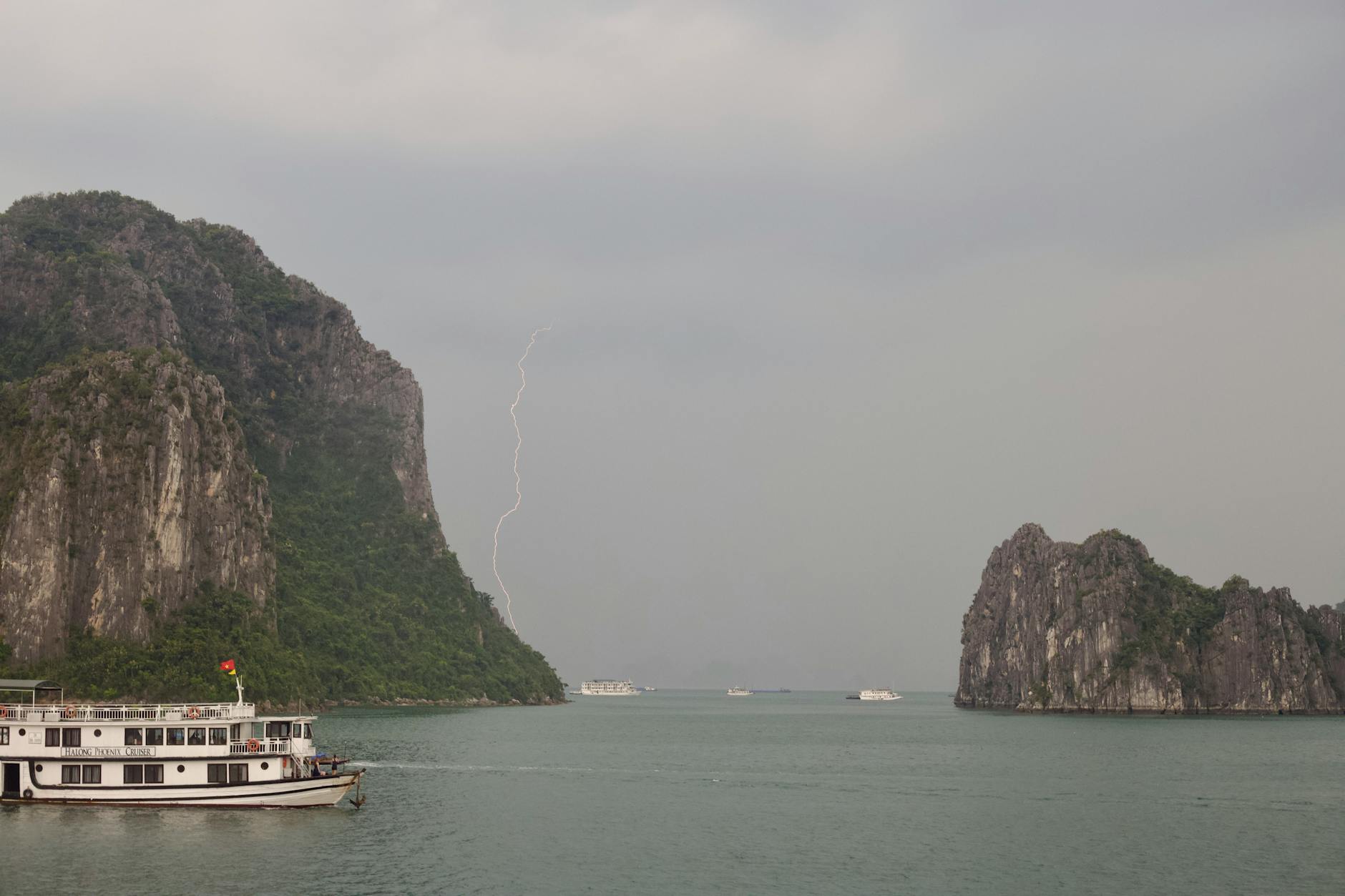
December-February are sailable but cool and often grey. Northeasterlies can be brisk and visibility can reduce sharply in drizzle or fog. The landscape is atmospheric, yet plan conservative hops and avoid tight rock-hopping in poor light.
June-September is hot and humid with a south-to-southwesterly regime. Calm mornings often give way to sea breezes and afternoon squalls. Tropical storms and typhoons can affect the Gulf of Tonkin, peaking July-October; choose well-protected anchorages, monitor forecasts closely and build flexibility into your plans.
Wind and weather
Winter monsoon (roughly November to March)
Expect predominantly northeasterly winds at 10-20 knots, occasionally higher in fronts. Air temperatures range from about 15-22 °C, with sea temperatures around 18-21 °C. Low cloud, drizzle and periodic fog are common, especially in January-February. Seas outside the bays can be choppy; inside, fetch is short but gusts can roll off cliffs, so allow extra room to swing and set ample scope.
Inter-season (April-May and late September-October)
Gradients ease, giving frequent calm mornings and reliable sea-breeze afternoons. Wind direction tends to veer easterly through southerly, visibility improves markedly in spring, and conditions remain settled through much of autumn. These are excellent months for mixed-ability crews and photography.
Summer monsoon (May to September)
Southerly to southwesterly 10-15 knots is typical, with squalls and thunderstorms rolling through. Air temperatures sit around 28-33 °C and the water 26-30 °C. Tropical cyclones can track into the Gulf of Tonkin; keep a conservative plan, review forecasts daily, and move early to secure shelter if tracks threaten.
Tides and currents
Tides are semi-diurnal with a typical range of 2.5-4.0 m on springs. Anticipate 0.5-2 knots of tidal stream in narrows and around headlands. Use the rise of tide for clearance over shoals, plan slack-water visits to lagoons and caves, and factor set and drift when laying off against cliff-induced gusts. Holding is generally sand/mud in 4-10 m, though weed patches exist - test and set well with chafe protection.
Getting there
By air and road
Most crews route via Hanoi (Noi Bai International Airport). The expressway now brings transfer times to Ha Long/Tuan Chau down to about 2-2.5 hours by road. Alternatively, fly into Hai Phong (Cat Bi International Airport) for a shorter road link (45-75 minutes) to the Cat Hai-Cat Ba ferries and onward to Ben Beo. Private transfers are common and reasonably priced by Western standards; ferries run frequently in season but can be busy at weekends. Allow time on arrival for provisioning and formalities at the marina.
For yachts arriving by sea
Recognised ports of entry are at Hai Phong and Ha Long. Approach channels can be busy with commercial traffic and fishing fleets; ensure charts are current, keep a listening watch, and avoid night entries without local knowledge. Pilotage may be compulsory for Hai Phong's inner approaches - confirm requirements with an agent well in advance and prepare copies of all ship's papers.
Chartering
How the scene works
The charter scene differs from the Mediterranean model. Most leisure boats on the water are licensed tourist vessels (junks and day cruisers); a growing handful of modern sailing yachts - often catamarans - operate primarily as skippered or fully crewed charters. Bareboat options remain limited and are subject to local authority approvals and area restrictions, particularly inside the UNESCO core zones.
Skippered/crewed charters: what to expect
Skippers familiar with the ever-changing local rules are invaluable. They handle route permits, park tickets and the choreography of moving among tour-boat lanes. Expect shorter daily hops, early starts to beat traffic at marquee sites, and anchorages chosen for both shelter and compliance. Crewed options often include kayaking gear and local meals; agree inclusions, gratuities and language preferences in advance.
Bareboat reality
Where available, bareboat charters are usually constrained to defined sailing areas in Lan Ha and parts of Ha Long, with daylight navigation only. Operators typically require solid recent experience in tidal waters, a practical briefing, and may request a checkout sail. Some will supply a local guide for the first day to smooth pilotage and formalities.
Costs and provisioning
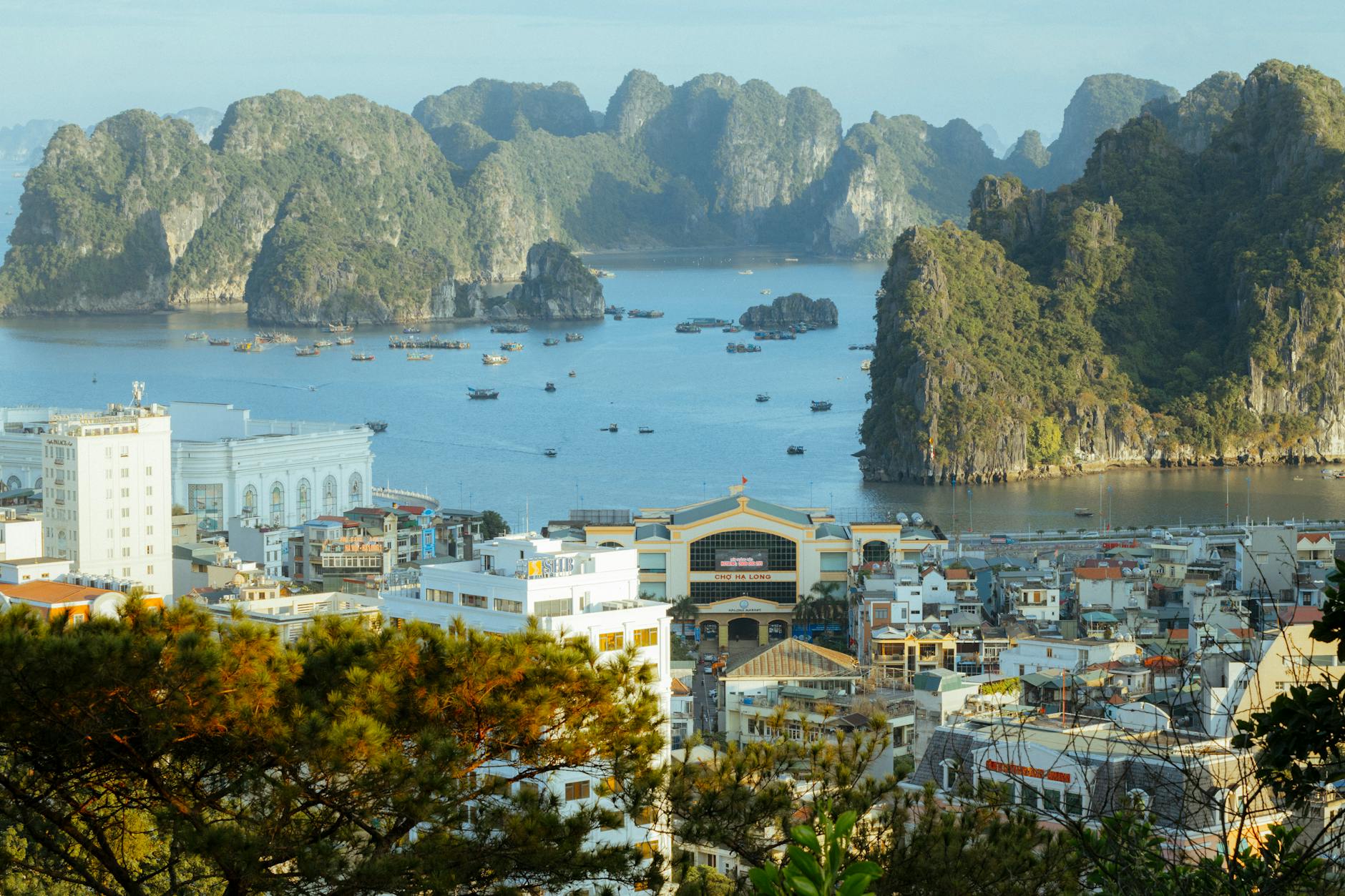
Prices vary by season; late autumn and spring often command the highest rates. Provisioning is straightforward in Ha Long City and Cat Ba Town; fuel and water are available at Tuan Chau and Ben Beo. Fresh seafood vendors approach many anchorages - agree prices clearly before purchase. Factor in National Park/UNESCO fees, security deposits and any delivery/relocation charges when comparing operators.
Licences and formalities
Charter qualifications
For any bareboat charter, expect to present an internationally recognised skipper's certificate such as RYA Day Skipper (or higher), ICC, or ASA 104, plus a VHF/SRC radio certificate. Operators may also ask for a sailing CV demonstrating recent tidal experience. In practice, many charters are skippered, in which case formal qualifications are not required of guests.
Cruising permits and local rules
Private yachts (including foreign-flagged) require advance clearance through Customs, Immigration and the Border Guard at an official port of entry. Cruising itineraries within Ha Long-Lan Ha are controlled; agents commonly arrange the necessary route permits and National Park/UNESCO fees. Some areas are closed to independent yachts, and anchoring is limited to designated zones. Always carry ship's papers and permits to show on request.
Operations and communications
Daylight navigation is strongly advised due to unlit hazards and fishing gear. Monitor VHF 16; local working channels vary by operator and area. Drones, cave landings and lagoon entries have site-specific rules - seek permission where required. Keep passports and permit copies accessible, and brief crew on local etiquette when passing floating villages.
Anchorages and marinas
Marinas and piers
- Tuan Chau International Marina (approx. 20.9127 N, 107.0248 E). Main base for tourist vessels; visiting yachts may arrange short-stay berths, fuel and water by prior notice via an agent or operator.
- Ben Beo Harbour, Cat Ba (approx. 20.7203 N, 107.0605 E). Busy small-craft harbour serving tour boats; alongside or fuel/water is by arrangement. Space is tight; time arrivals outside peak tour movements.
- Gia Luận Pier, Cat Ba North (approx. 20.8551 N, 106.9957 E). Useful pickup/drop-off point linked to ferries; not a marina.
Advance communication is helpful at both Tuan Chau and Ben Beo, especially in high season when tour fleets are active. Agents can smooth fuel bunkering, water and paperwork; allow time on arrival for queuing and repositioning alongside.
Representative anchorages
- Titop/Bo Hòn cluster (around 20.92 N, 107.05-107.07 E): Spectacular scenery, moderate shelter, sand/mud in 6-10 m; expect traffic and wash by day.
- Cửa Vạn sector (approx. 20.85 N, 107.05 E): Quieter, good holding in 5-8 m; give floating houses generous berth and minimise wake.
- Ba Trái Đào (20.7375 N, 107.1105 E): Excellent swimming in settled weather; exposed to southerlies.
- Đầu Bê / Ba Hầm Lake outer (20.6968 N, 107.1045 E): Anchor outside and explore lagoons by dinghy at slack; avoid in strong northeasterlies.
- Vạn Bồi, Lan Ha (20.7716 N, 107.0666 E): Clear water over sand, convenient for Cat Ba Town.
- Monkey Island / Cát Dư (20.744 N, 107.044 E): Handy lunch stop; watch for shoals and local traffic.
These waypoints illustrate the range: photogenic but busier karst clusters, quiet village sectors, and beach anchorages with clear water. Confirm permitted zones locally, arrive early to assess swing room, and be ready to relocate if day-boat wash becomes uncomfortable.
Hazards and tips
- Expect fishing stakes, nets, pearl farms and unlit markers throughout the bays.
- Rock pinnacles can extend underwater beyond what the eye suggests; avoid tight rock-hopping in poor light.
- Electronic charts vary in accuracy - pilot using multiple sources and slow down when visibility drops.
- Gusts spill from steep karsts in squalls; set generous scope and chafe protection.
- Allow for 0.5-2 knots of tidal set in narrows, especially when passing headlands and constrictions.
Good seamanship pays: keep a sharp lookout on the bow when threading clusters, rig a snubber to soften gust loads at anchor, and brief the crew on avoiding fishing gear - particularly at dawn and dusk when small craft are most active.
FAQs
Is night sailing advisable in Ha Long-Lan Ha?
No. Unlit fishing gear, stakes and small craft are common, and mist can cut visibility without warning. Plan daylight passages and arrive early to secure safe swinging room.
Can I anchor anywhere?
Anchoring is restricted in parts of the UNESCO core zone and near floating villages. Use designated areas shown by your operator or agent, and keep clear of traffic lanes and conservation zones.
Do I need a pilot?
For the marinas and inner bays, a pilot is not normally required when chartering locally. For foreign yachts entering via Hai Phong, pilotage may be compulsory on commercial approaches - confirm with your agent.
What charts and guides should I use?
Carry multiple sources: your plotter's vector charts plus raster or paper backups where possible. Local cruising notes, satellite imagery and your operator's waypoints are invaluable for rock-strewn channels.
Are there mooring buoys?
A few private and operator-maintained moorings exist, but most yachts anchor in sand/mud. Test holding carefully and allow for katabatic gusts off the cliffs.
How do I handle typhoon risk?
Sail with conservative itineraries June-October, monitor national forecasts daily, and be prepared to abort to secure shelter in marinas or deep-inside bays. Your operator will advise on closures and safe havens.
Where can I get fuel, water and provisions?
Fuel and water are typically arranged at Tuan Chau and Ben Beo. Provisions are best sourced in Ha Long City and Cat Ba Town, with fresh seafood often available by boat at anchorages.
What qualifications do I need for bareboat?
Expect to show an ICC or RYA Day Skipper (or ASA 104) plus a VHF/SRC certificate and a recent tidal-waters sailing CV. Many charters are skippered, which removes the need for guest qualifications.
References
Charter a Yacht
Compare crewed & bareboat charters, learn the best months to sail, and get a custom shortlist from 500+ providers.