Sailing in Mauritius & Réunion: routes, conditions and practicalities
For boats, weekly rates and a shortlist, see our Mauritius yacht charter page.
Choosing a start harbour? See the Mauritius charter bases guide for Saturday logistics and which marina fits your week.
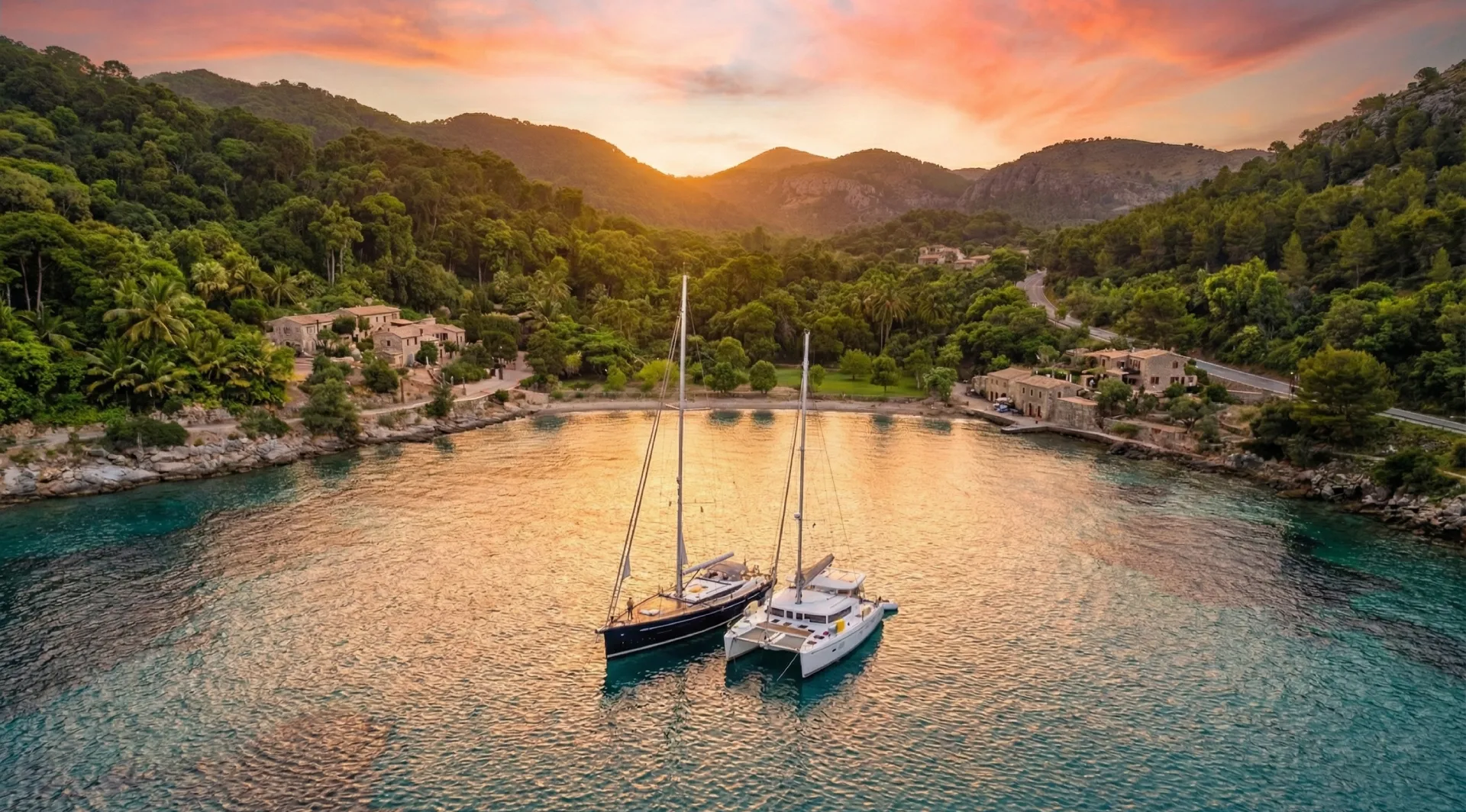
Emerald lagoons, volcanic peaks and reliable trade winds make Mauritius and Réunion a striking, if underrated, sailing ground. Expect glassy-blue anchorages tucked behind coral reef, steep mountain backdrops, and passages that can be as gentle or as testing as you choose. The pair sit 120 nautical miles apart in the South-West Indian Ocean, so you can keep to lagoon-hopping day sails in Mauritius or build in a purposeful offshore hop to France's Indian Ocean outpost of Réunion.
The environment is rewarding but exacting. Reef passes demand daylight pilotage, the trades can pipe up briskly in the austral winter, and Southern Ocean swell transforms some entrances from inviting to impassable. With a sound plan, a shallow-draft catamaran and a keen eye on forecasts, you will be treated to snorkelling sanctuaries, kitesurf meccas, Creole cuisine ashore and genuinely unspoilt horizons.
Quick links
- Sailing in Mauritius & Réunion: routes, conditions and practicalities
- Why Sail in Mauritius & Réunion Sailing Guide?
- Itineraries
- When to go
- Wind and weather
- Getting there
- Chartering
- Licences and formalities
- Anchorages and marinas
- FAQs
- References
Why Sail in Mauritius & Réunion Sailing Guide?
Two-island variety in a compact radius is the immediate draw. Mauritius offers classic lagoon cruising behind a near-continuous fringing reef, so you can anchor in turquoise water within sight of white sand and casuarina-lined beaches. Réunion contrasts with deep, fjord-like coasts, dramatic cirques and well-managed marinas, adding a distinctly French flavour and superb onshore hiking.
Wind-wise, the South-East trades underpin confident planning from May to October, bringing predictable 15-25-knot flows and comfortable downwind or reaching legs on many routes. Outside that window, lighter summer breezes suit relaxed lagoon pottering and snorkel-heavy itineraries - provided you respect cyclone season planning and choose conservative weather windows.
Navigation is engaging. You will work tidal gates in reef passes, pick water colours for depth cues, and time inter-island legs to avoid cross-seas. The payoff is exceptional: reef-anchored sunsets off Le Morne, manta and turtle encounters off Île Plate, and café-lined stopovers at Port Louis' Caudan waterfront or Port Réunion's yachting basins.
Finally, accessibility helps. International hubs feed both islands; provisioning is excellent; repair capacity is better than you might expect; and while fleets are smaller than Mediterranean staples, the quality of modern catamarans and the warmth of local operators make logistics refreshingly straightforward.
Itineraries
Below are three popular itineraries to suit different ambitions: relaxed lagoon-hopping in Mauritius, a north and east exploration for confident pilotage, and an offshore circuit adding Réunion's dramatic coastline. Always adapt to the season, swell and forecast, and favour daylight for all reef pass transits.
Mauritius North & West Lagoons (7 days)
A 7-day route. Adjust legs to forecast, moorings and crew preferences.
Day 1 - Grand Baie shakedown
Arrive, provision and complete briefings. A short afternoon sail of 3-6 nm settles the crew into the rhythm: clear water, reef-fringed lagoons and easy hooks in settled weather. Use the daylight to practise mooring drills, confirm depths over sand and ensure instruments and ground tackle are working as expected.
Day 2 - Coin de Mire and Île Plate
Reach 6-10 nm north to the wildlife-rich islets. Snorkel in excellent visibility and keep to sand patches when anchoring; avoid coral at all times. In any swell the anchorages are rolly, so plan an early return to Grand Baie, or remain at Île Plate only if the forecast is calm and your operator permits it. Expect the afternoon sea breeze to fill on the return leg.
Day 3 - Port Louis, Caudan Waterfront
Follow the well-marked channel 12-15 nm south-west into Port Louis for a city interlude. Call Port Control on VHF 16 for a working channel and instructions, then berth at Caudan Marina for shore power, fuel and reliable water. Enjoy restaurants, museums and convenient customs access if needed.
Day 4 - Flic-en-Flac to Tamarin
A short 10-15 nm downwind leg along the leeward coast. Stop for a swim off Flic-en-Flac's sandy shelf, then continue to a more protected night off Tamarin or inside Black River. After strong swell events, expect livelier pass currents; time arrivals for slack where possible and allow for reduced lagoon depths on low tide.
Day 5 - Le Morne & Île aux Bénitiers
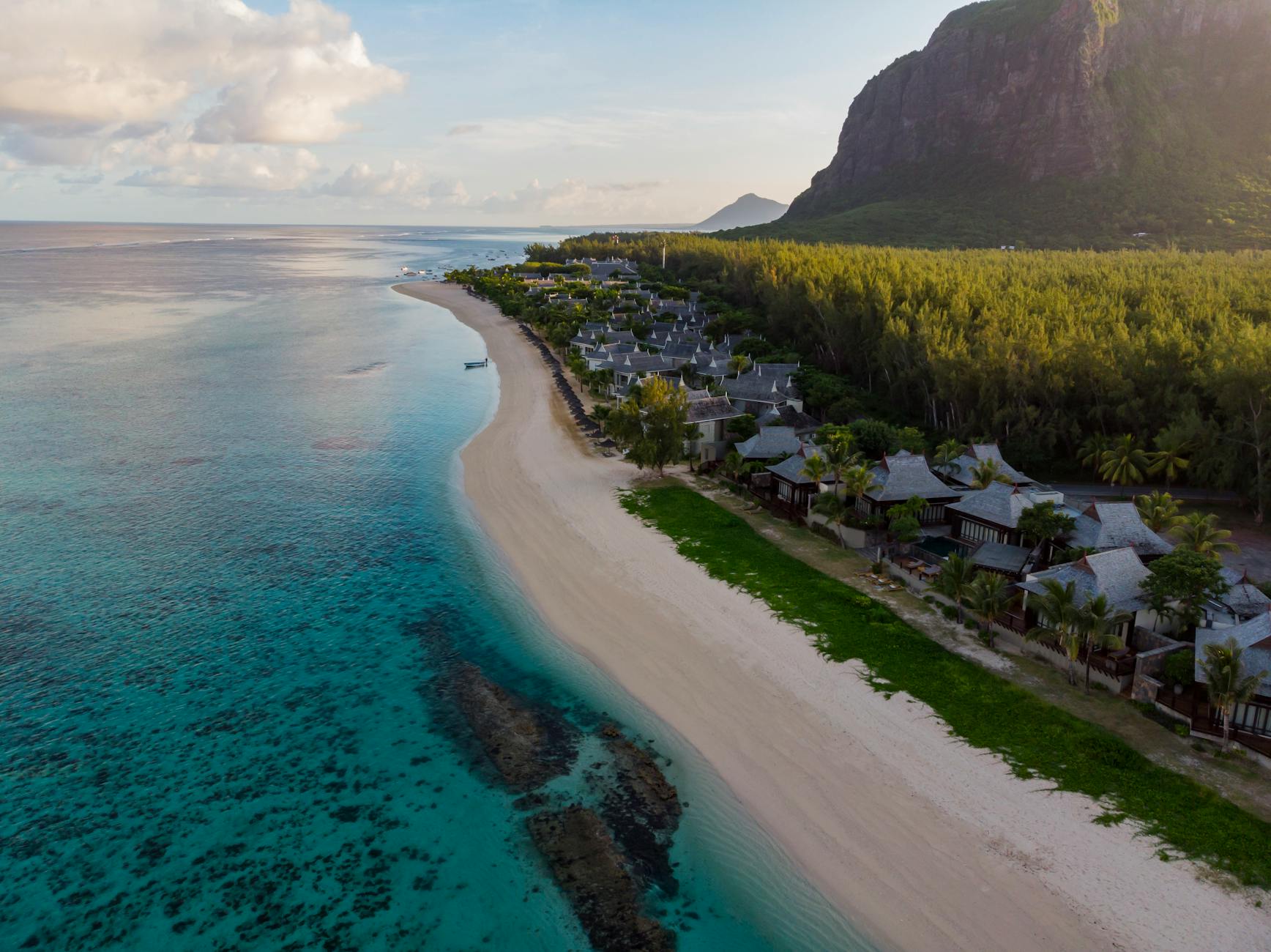
Time the pass and lagoon routes carefully, following buoyed channels with the sun high and behind you. Kites fill the sky under Le Morne; keep clear of kite zones and reef shelves, and favour sand patches. If SW swell builds this quickly becomes uncomfortable - retreat to Black River. In fine weather, the lee of Île aux Bénitiers offers a sublime sunset.
Day 6 - Lay day: inland gorges or snorkelling
Use Black River as a base for inland trips (Chamarel, Black River Gorges) or enjoy slow time on the hook with reef snorkelling and lagoon paddling. Top up fuel and water if needed; this is also a good day to check rig and reefing lines before the final leg.
Day 7 - Return to Grand Baie
Reach past Port Louis and along the familiar north-west coast, typically 20-30 nm depending on your overnight spot. Arrive mid-afternoon for handover, allowing time for refuelling and a final swim in Grand Baie.
Mauritius North & East Explorer (7 days)
A 7-day route. Adjust legs to forecast, moorings and crew preferences.
Day 1 - Grand Baie to Cap Malheureux
A gentle 3-5 nm hop to the northern tip for a protected first night and sunset views over Coin de Mire. Settle into lagoon pilotage, noting bommies and colour changes that indicate depth.
Day 2 - Grand Gaube and the wild north-east
Ease along the reefed shoreline to Grand Gaube. Only pick your way inside the lagoon with good light, someone on the bow and in settled seas. Holding is best on clean sand; avoid seagrass and coral heads.
Day 3 - Îlot Bernaches & Amber Island
Anchor over sand in the Bras d'Eau area for a pure lagoon day. Dinghy to the islets for postcard shallows and likely turtle sightings. Respect marine park guidance and keep speeds low in the lagoon.
Day 4 - Trou d'Eau Douce & Île aux Cerfs
A well-serviced lagoon with moorings and day facilities. Follow established channels and expect marginal depths for deeper keels at low tide. Ashore you'll find restaurants and beach clubs for an easy evening.
Day 5 - Blue Bay Marine Park (Mahebourg)
Time the south-east pass for daylight and modest swell, then make for Blue Bay's famed coral gardens. Pick up moorings where provided and keep anchors off coral. The snorkelling here is some of Mauritius' best.
Day 6 - Belle Mare staging stop (settled weather)
Partially retrace your steps up the east coast. Belle Mare's lagoon can be viable in light winds and small swell; otherwise, return to Trou d'Eau Douce for a comfortable night. Keep a vigilant lookout for coral heads on the inside route.
Day 7 - Return to Grand Baie (outside reef in fair weather)
Choose an early outside run north in settled conditions, or step back via Trou d'Eau Douce before the final leg to base. Allow generous margins for sea state and visibility; outside runs are safest with a benign forecast and long daylight window.
Mauritius-Réunion Offshore Circuit (7-10 days)
A 6-day route. Adjust legs to forecast, moorings and crew preferences.
Day 1 - Port Louis departure
Clear formalities and depart late afternoon to time a daylight arrival at Réunion. The 120 nm passage is typically a reach under the trades; plan 20-30 hours depending on conditions and boat speed. Settle into offshore routines early and keep a good watch for traffic leaving Port Louis.
Day 2 - Arrive Port Réunion (Le Port)
Make landfall on the west coast and berth in the yacht basins for immigration and customs. Facilities are excellent, with French-style provisioning and chandlery options. Stretch your legs ashore and sample the island's créole-French fusion cuisine.
Day 3 - Saint-Gilles-les-Bains
A short 10-15 nm hop south to Saint-Gilles for beaches, the l'Hermitage lagoon and relaxed marina life. Watch for surge at the entrance in swell and call ahead for berthing guidance. Snorkelling in the lagoon is rewarding when visibility is up.
Day 4 - Saint-Pierre
Sail further south in settled conditions. The small marina is welcoming but space is limited and it is swell-sensitive; time your arrival and have a Plan B if the entrance is closed due to surf. The town makes a great base for inland hikes if you add a lay day.
Day 5 - Return to Port Réunion
Work back up the coast, keeping a weather eye for katabatic gusts funnelling off high ground - reef early if in doubt. Port Réunion is a dependable harbour with all services to ready the boat for your return passage.
Day 6-7 - Passage back to Mauritius
Choose a fair window for the 120 nm return. Landfall options include Port Louis or, in fine weather, a west-coast pass to Black River by daylight. As always, avoid night entries through reefs and allow margin for swell and current on approach.
When to go
- Peak reliability: May to October. Robust South-East trades (typically 15-25 knots) deliver consistent sailing, drier air and clearer visibility. Seas are fresher and reef passes can break when Southern Ocean swell wraps in.
- Shoulder ease: April and November. Trades moderate and swells ease, giving the best compromise of breeze and benign sea state for lagoon work and inter-island hops.
- Summer/cyclone season: December to March. Hotter, more humid and often lighter winds with thermal sea breezes on the leeward coasts, but a real risk of tropical systems. Many skippers avoid long offshore passages in this period and plan conservative day sails only, with robust cyclone contingency plans.
If your priority is steady breeze and crisp visibility, target the winter trades. For mixed crews or snorkel-first holidays, the shoulders bring kinder seas without losing too much wind. During cyclone season, keep itineraries short, choose secure harbours, and maintain an up-to-date plan for storm avoidance.
Wind and weather
The sailing engine here is the South-East trade wind. From roughly May to October it blows ESE-SE at 15-25 knots, stronger in acceleration zones and under the lee of high ground, especially along Réunion's west coast and Mauritius' south-west. Gusts can exceed 30 knots during reinforced phases. Outside winter, trades ease; diurnal sea breezes fill on the leeward (west and north) coasts.
Swell is the other governing factor. Long-period S-SW swells from the Southern Ocean are common in austral winter and can render reef passes hazardous or closed. Even with modest wind, a 2-3 m SW swell will produce strong surf on south and west passes such as Le Morne and the south-east entrances near Mahebourg. Plan pass transits in daylight with good sun behind you and moderate swell.
Rainfall patterns are orographically driven. Windward (east and south-east) coasts see more showers; leeward sides are markedly drier. Réunion's relief can create katabatic blasts and localised squalls. Thunder activity is most likely in the summer months. Visibility is excellent outside showers; haze increases in humid summer spells.
Tides are micro- to meso-tidal, typically 0.3-0.9 m. Lagoon depths and pass currents are sensitive to tide phase; expect up to 2-3 knots in constricted passes on springs. Water temperatures range 24-28 °C; air 22-30 °C depending on season. A conservative approach - reefing early, avoiding night entries and keeping a bail-out anchorage in mind - pays dividends here.
Getting there
- Fly to Mauritius (MRU, Sir Seewoosagur Ramgoolam International) with direct links from Europe, Africa, the Middle East and Asia. Bases are commonly at Grand Baie (north) or Black River (west), 1-1.5 hours by road from MRU.
- Fly to Réunion (RUN, Roland Garros) near Saint-Denis. Le Port (Port Réunion) and Saint-Gilles are 45-60 minutes by road. Frequent short flights connect MRU and RUN.
- There is currently no regular yacht ferry between the islands; plan to reposition by sea or air. For arriving yachts, make landfall at Port Louis (Mauritius) or Le Port (Réunion) for formalities before moving to other marinas or lagoons.
Transfers are straightforward, with reliable taxis and car hire on both islands. If connecting MRU-RUN the same day, allow buffer time for weather delays. For one-way charters, confirm repositioning fees and formalities well in advance.
Chartering
Fleets are smaller than in mainstream destinations but well-suited to the waters: modern catamarans dominate, prized for shallow draft, space at anchor and stability in lagoon chop. Monohulls exist in lower numbers. Bases are typically at Grand Baie or Black River in Mauritius, and Le Port or Saint-Gilles in Réunion. Skippered and crewed options are widely available; experienced sailors can find bareboats, though high-season demand means early booking is prudent.
Expect excellent provisioning. In Mauritius, supermarkets and chandleries cluster around Grand Baie and Port Louis; fuel and water are straightforward at Caudan Marina and Black River. Réunion offers first-rate French provisioning near Le Port and Saint-Gilles, with reliable yard and rigging services.
Routing styles vary. Many crews settle into day-sailing inside Mauritius' lagoons with snorkel and beach stops. Confident teams add a weather-window passage to Réunion for a change of scenery and marina nights. Expedition-style charters to Rodrigues or the remote Cargados Carajos (St Brandon) are specialist, permit-heavy ventures suited to professional outfits only.
Skipper requirements (brief): Bareboat operators generally ask for an ICC or RYA Day Skipper (Practical) or higher, plus a VHF/SRC certificate. Réunion being French-administered often mirrors European standards; Mauritius-based companies accept equivalent national certificates with a robust sailing CV. If your experience is marginal for the itinerary (e.g., inter-island passages), opt for a local skipper.
Licences and formalities
- Ports of entry: Mauritius requires clearance at Port Louis before cruising. Réunion requires entry at Port Réunion (Le Port). In both, fly the Q flag on arrival and await instructions. Call Port Control on VHF 16 for a working channel and berthing/anchorage directions.
- Clearance: Prepare ship's papers, passports, crew list and proof of insurance. Mauritius formalities involve Customs, Immigration and (in some cases) Health. Réunion, as French territory, involves Police aux Frontières and Douanes. Visa rules depend on nationality; check well in advance.
- Inter-island moves: If a charter boat is licensed for international voyages, obtain written permission from your operator and ensure insurance covers the crossing. Clear out/in on each side. Do not assume you can move freely between Mauritius, Réunion and Rodrigues without paperwork.
- Restricted areas: Outer islands of Mauritius (Rodrigues, Agaléga, Cargados Carajos/St Brandon) have specific permit regimes; St Brandon in particular requires authorisation and is not a casual charter destination. Marine parks (e.g., Blue Bay) have anchoring and speed restrictions; use moorings where provided.
- Pets, biosecurity and stores: Both islands enforce biosecurity rules limiting fresh produce, meats and plants. Declare firearms, drones and high-value equipment where required.
- Lights and marks: IALA Region A applies (red to port entering). Night entries through reef passes are strongly discouraged; plan daylight transits with good sun angle and updated charts/pilotage notes.
Processes are efficient if you arrive prepared. Keep multiple copies of key documents, carry printed crew lists, and photograph stamped papers. For the offshore hop between islands, allow time either side for clearance and factor this into your passage plan.
Anchorages and marinas
Mauritius
- Port Louis (Caudan Marina): Secure base for formalities, fuel, water and repairs. The approach is well-buoyed; contact Port Control for clearance and marina berthing.
- Grand Baie: Popular cruiser hub and charter base with moorings and limited anchoring on sand. Good shelter from trades, occasional swell wrap. Ashore: restaurants, provisioning and services.
- North islets (Coin de Mire, Île Plate/Îlot Gabriel): Superb day stops in settled weather. Poor in swell; holding varies - seek sand patches and avoid coral.
- West coast (Flic-en-Flac, Tamarin, Black River): Lagoon anchorages with variable depth and room; Black River offers the most reliable overnighting and services. Watch for strong tidal streams in passes after swell events.
- South-west (Le Morne, Île aux Bénitiers): World-class scenery and kitesurfing. Demanding in swell; favour fair-weather windows and avoid lee-shore set-ups.
- East and south-east (Trou d'Eau Douce, Île aux Cerfs, Blue Bay/Mahebourg): Well-loved lagoon cruising with moorings and marine park zones. Enter the south-east passes only in daylight and moderate swell.
Most Mauritian anchorages reward early arrivals for best light and visibility. Depths vary quickly inside lagoons; keep a bow lookout, avoid night moves, and favour sand over any living reef or seagrass. Services concentrate around Grand Baie, Port Louis and Black River.
Réunion
- Port Réunion (Le Port): Primary port of entry with modern yacht basins, haul-out, engineers and chandleries. Excellent cyclone refuge.
- Saint-Gilles-les-Bains: Small marina with access to l'Hermitage lagoon; limited depth and surge exposure in swell - call ahead.
- Saint-Pierre: Compact, friendly marina on the south coast. Entrance is swell-sensitive; space is tight for larger yachts.
Réunion is marina-centric with limited anchoring due to deep coastal water and swell. Plan berths in advance during peak periods and remain flexible if entrances are affected by surf.
General anchoring notes
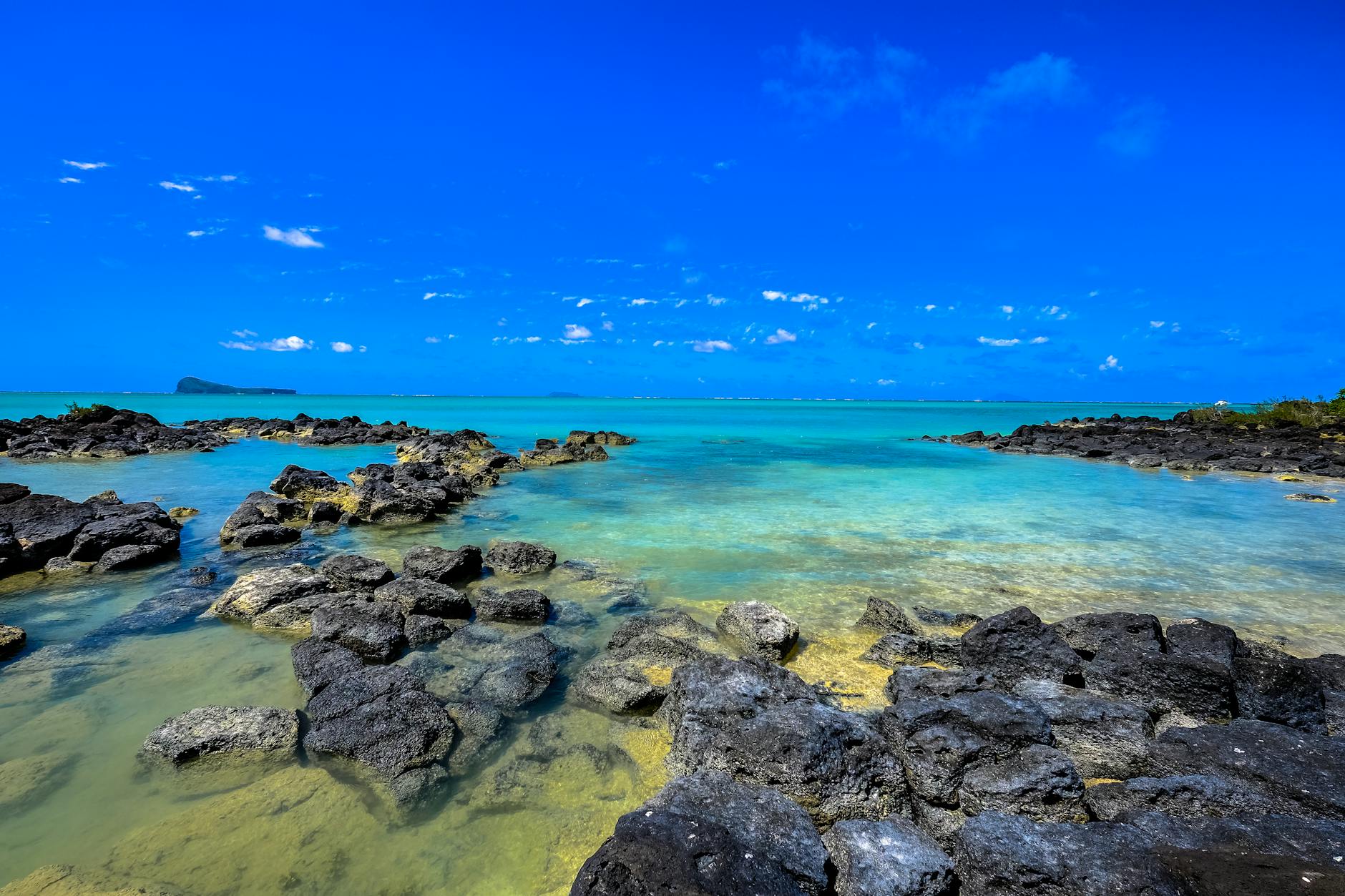
- Depth perception is by water colour; keep the sun high and behind you. Avoid coral - anchor in sand only.
- Passes carry strong currents at springs; surf can build rapidly with SW groundswell. Have a bail-out plan and do not attempt night entries through reefs.
- Shark safety: Réunion has strict swimming and surfing controls due to shark risk. Swim only in supervised, netted or lagoon areas.
Responsible anchoring preserves the very environments that make these islands special. Use moorings where provided, reduce speed in lagoons, and keep clear of swimmers and kite zones. A bridle helps the boat sit comfortably in lagoon chop.
FAQs
.faq-accordion details{border:1px #cccccc solid;border-radius:4px;margin:8px 0;}.faq-accordion summary{padding:10px 15px;cursor:pointer;display:flex;align-items:center;gap:8px;list-style:none;}.faq-accordion summary::-webkit-details-marker{display:none;}.faq-accordion summary::before{content:'▸';color:#12305c;font-weight:700;display:inline-block;transform:rotate(0deg);transition:transform .2s ease;}.faq-accordion details[open] summary::before{transform:rotate(90deg);}.faq-accordion p{padding:10px 15px;margin:0;}
How challenging is sailing in Mauritius and Réunion?
Intermediate. Lagoon pilotage and pass timing demand care, while offshore hops require solid passage planning. Confident coastal sailors progress well in the winter trades; newcomers often choose a skipper.
What is the best season for a Mauritius-Réunion crossing?
April-June and September-November offer a good balance of steady trades and manageable swell. Avoid strong trade surges and significant SW swell.
Can I circumnavigate Mauritius inside the reef?
Not continuously. Lagoon sections are extensive but broken by shallow bars and exposed passes. Many crews combine inside legs with short outside hops in fair weather.
Are night entries advisable?
No. Reef passes and many lagoon entrances should be attempted only in daylight with good visibility and settled swell.
What certificates do I need to charter?
Operators typically ask for an ICC or RYA Day Skipper (Practical) or higher, plus VHF/SRC. Réunion-based charters follow European norms; strong experience may be considered case by case.
Where are the main charter bases?
Grand Baie and Black River in Mauritius; Le Port (Port Réunion) and Saint-Gilles in Réunion.
Is snorkelling good, and do I need to worry about sharks?
Snorkelling in Mauritius' lagoons is excellent. In Réunion, stick to lagoon or supervised areas - offshore shark risk is managed with strict local controls.
Can I visit the outer islands like St Brandon or Rodrigues on a bareboat?
Generally no. These require lengthy offshore passages, specific permits and expert local knowledge - best done with specialist, professionally run expeditions.
References
Charter a Yacht
Compare crewed & bareboat charters, learn the best months to sail, and get a custom shortlist from 500+ providers.