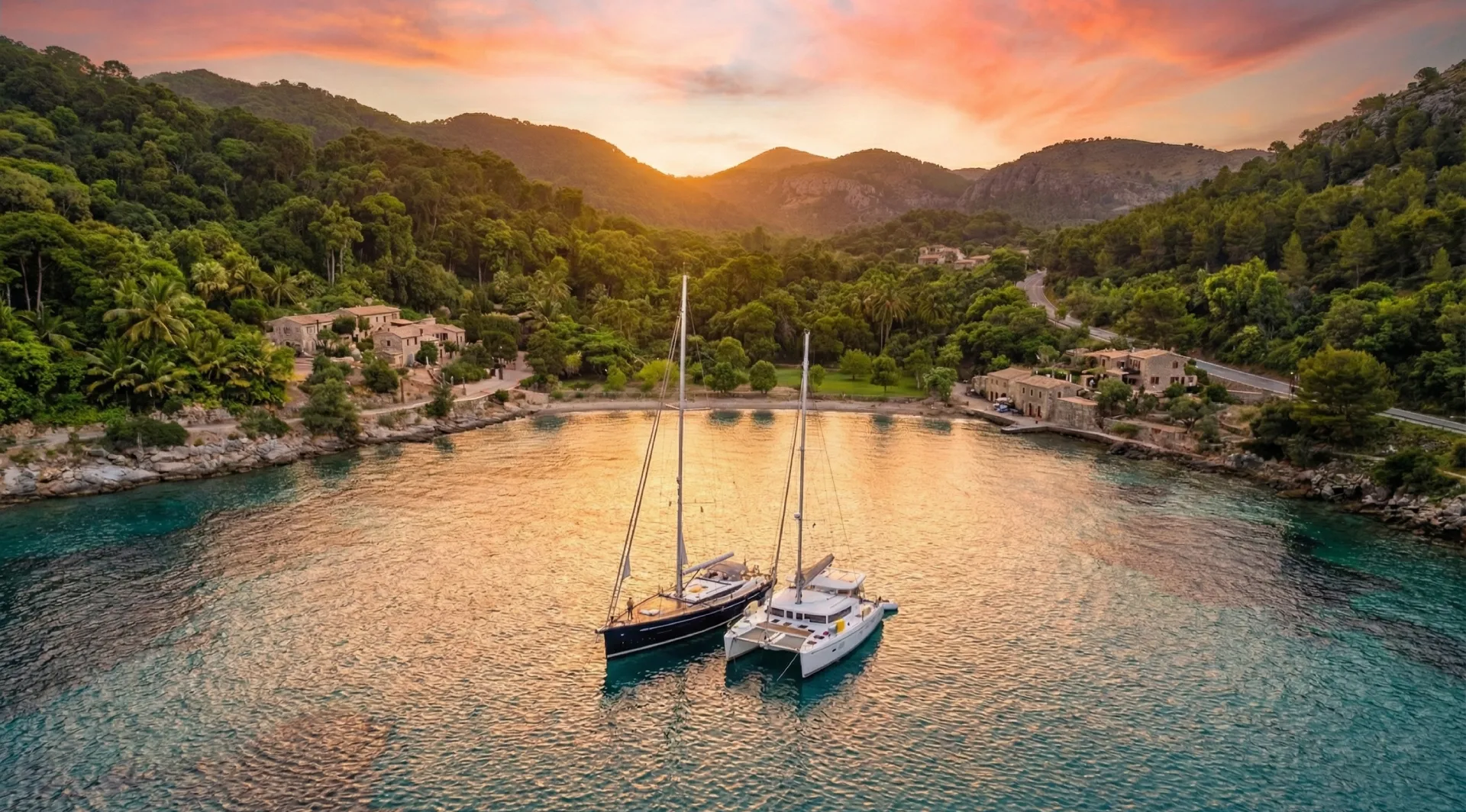
For boats, weekly rates and a shortlist, see our Seychelles yacht charter page.
Choosing a start harbour? See the Seychelles charter bases guide for Saturday logistics and which marina fits your week.
Sailing the Seychelles: routes, conditions and practicalities
Sailing in the Seychelles rewards attentive sailors with a rare blend of granite peaks, coral lagoons and reliable trade winds. Located in the west of the Indian Ocean just above Madagascar, this is a sailing ground full of spectacles and delights. Distances are short in the Inner Islands, yet every leg feels different: reef-studded channels, jade anchorages under jungle slopes, and crystalline sand shelves that beg for a snorkel stop. This guide sets out where to go, when to sail, and how to manage the winds, permits and park moorings that define a smooth cruise here. If you are weighing up a charter, we also outline certifications, base locations and local rules so you can plan with confidence.Quick links
Jump to the sections most relevant to your planning and return as you refine your route and season.- Sailing the Seychelles: routes, conditions and practicalities
- Why Sail in Seychelles?
- Seychelles Sailing Itineraries
- When to Go
- Wind and Weather
- Getting There
- Chartering
- Licences and Formalities
- Anchorages and Marinas
- FAQs
- References
Why Sail in The Seychelles?
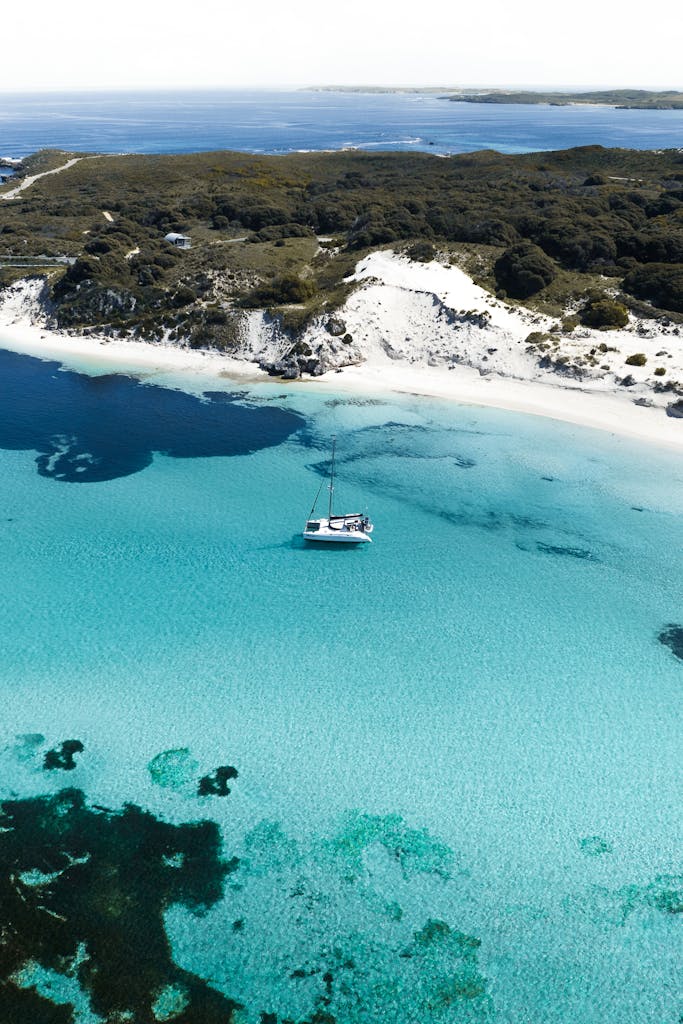
The Inner Islands cluster around Mahé, Praslin and La Digue, placing postcard anchorages within easy day-sails. Granite boulders frame beaches, fringing reefs teem with life, and marine park moorings make it straightforward to pause for snorkelling without harming coral. For many crews, this compact cruising ground is the ideal step-up from the Mediterranean: familiar charter infrastructure, but with tropical seamanship at its heart. Two monsoon patterns shape the character of your week. The southeast trades offer spirited reaching and cooler, drier air; the northwest brings lighter breezes, glassier seas in the lee of the islands and showery squalls that reward good watchkeeping. Either way, navigation is tactile and visual. You will plan your anchorages by exposure, enter in clear overhead sun, and pick sand over seagrass for the best night's rest. Those seeking more range can push farther: Silhouette's soaring slopes and North Island's reef shelf feel worlds away, yet sit within a comfortable day-hop of Mahé. With permits and experience, the Amirantes and outer groups beckon as bluewater expeditions. Most charterers, however, will find a week among the granitic Inner Islands delivers exactly what they came for: variety without hurry.Seychelles Sailing Itineraries
Below are two tried-and-tested routes that balance rewarding sailing with time to explore ashore and in the water. Distances are modest, but light, reef-aware pilotage and attention to daily wind exposure remain essential.7-day Inner Islands Discovery (Mahé-Praslin-La Digue Loop)
A compact circuit linking Mahé's charter base with the marine parks of Sainte Anne and Curieuse, the beaches of Praslin and La Digue, and a scenic return via Beau Vallon. Expect a mix of protected moorings and open anchorages on sand. Daily hops of 5-25 nautical miles suit most crews; plan entries for good light and be flexible in swell.Day 1 - Eden Island to Sainte Anne Marine Park
Shake down the boat with a short hop to the marine park. Pick up a park mooring near Sainte Anne or Moyenne and time your entry with high sun for eyeball pilotage. Rangers collect fees afloat; avoid dropping the hook on coral and use a snubber or bridle to keep loads gentle on the mooring. A swim over the sand shelves sets the tone for the week.Day 2 - Sainte Anne to Praslin (Baie Sainte Anne)
A cross between a reach and a run depending on the monsoon. Aim for Baie Sainte Anne for services and a settled night in most conditions. Approach with care around the ferry jetty and leave room for turning ferries; in SE trades expect some wrap-around swell, while NW phases are typically calmer. It's a handy spot to top up fresh produce ashore.Day 3 - Praslin to Curieuse and St Pierre
Short sail to Curieuse's Baie Laraie moorings for tortoises ashore and reef snorkelling. Drift over to St Pierre islet for classic granite-and-palm scenery. Arrive by late morning for a choice of moorings, keep a lookout for turtle grass when swimming, and expect afternoon gusts off the hills in stronger trade phases.Day 4 - Anse Lazio, Praslin
Slide round to Anse Lazio for a day at one of the world's great beaches. Anchor on sand in settled weather; avoid if swell wraps in. Enter with overhead sun to read the patches, set plenty of scope and consider a stern line if there's a residual surge. It's a superb lunch-and-swim stop even if you prefer to overnight elsewhere.Day 5 - La Digue (La Passe)
A gentle hop to La Digue. Enter La Passe in good light; pick up a mooring outside or anchor with care to avoid coral. Mind ferry wash and cross-sets at springs, and give yourself swinging room. Ashore, hire bikes for an easy loop to Anse Source d'Argent and other headline beaches.Day 6 - Île Cocos Marine Park and the Soeurs
Snorkel at Île Cocos Marine Park, then depending on conditions, lunch stop by Grande Soeur before returning to the lee of Praslin for the night. These are fair-weather spots; avoid if there's swell or strong onshore breeze. Keep the helm manned while others swim and watch for bommies near the drop-off.Day 7 - Return to Mahé via Beau Vallon
Reach back towards Mahé. If time allows, pause at Beau Vallon for lunch and a swim, then continue to Eden Island for check-in. Watch for acceleration zones off headlands on Mahé's west coast and allow time for refuelling and a cross-breeze stern-to berth.10-day Silhouette and Northern Isles Extension
This extension adds wilder, more open-feeling anchorages at Silhouette and North Island before rejoining the Inner Islands highlights. Expect one or two longer, more exposed legs and be selective with swell. It suits confident crews comfortable with daylight reef entries and adaptable anchoring plans.Day 1 - Eden Island to Sainte Anne
Shakedown in the marine park and check snorkel gear works as intended. Settle into mooring routines, verify the dinghy outboard, and confirm VHF and instruments before heading further afield.Day 2 - Mahé NW coast (Baie Ternay/Port Launay)
Follow the lee of Mahé to the protected bays of Port Launay and Baie Ternay. Good holding on sand and excellent snorkelling. In trade-wind seasons these bays provide a comfortable pause with classic west-coast sunsets.Day 3 - Silhouette Island
Cross to Silhouette. Anchor off La Passe in settled weather and land by dinghy for trails and the reef shelf. If swell builds, be ready to move; the scenery is dramatic but the anchorage is exposed in stronger trades.Day 4 - North Island
Short hop to North Island. Anchor on sand on the east side in calm conditions; avoid if swell or strong onshore breeze. The reef shelf drops quickly - set plenty of scope and keep a bow watch when entering.Day 5 - Passage to Praslin (Anse Volbert)
A longer leg with open fetch. Settle behind the wide arc of Côte d'Or for a comfortable night. In SE trades you'll enjoy a fast reach; in NW phases it's generally relaxed with flatter water.Day 6 - Curieuse and Mangroves
Use park moorings at Curieuse; walk across the island and explore the mangroves before a sunset swim. Keep an eye on afternoon gusts from the hills and turn the boat to breeze for a cool, bug-free night.Day 7 - La Digue lay day
Base at La Passe. Hire bikes ashore for the famed beaches; keep an eye on ferry wash and afternoon gusts. Top up ice and fresh fruit, and enjoy the slower pace of island life.Day 8 - Île Cocos or Soeurs, overnight Anse Lazio
Snorkel the marine park if conditions suit, then a short sail to Anse Lazio to anchor on sand in calm weather. If any swell appears, enjoy the bay by day and shift to a more sheltered overnight spot on Praslin's lee.Day 9 - Return towards Mahé (Beau Vallon or Sainte Anne)
Work back to Mahé with a lunch stop and swim before your final hop to base. Choose Beau Vallon in calm conditions or Sainte Anne if you prefer a settled final night close to the fuel dock.Day 10 - Eden Island check-in
Fuel, formalities and handback. Allow time for a stern-to berth in cross-breeze and for a thorough post-charter check with the base team.When to Go
There are two distinct sailing seasons, each with its own character. April-May and October-November: Transition months are a sweet spot for many crews. Winds are lighter and more variable, seas are often glassy, and visibility for snorkelling and diving is excellent. It is warmer and more humid, and afternoon breezes can be fickle, so plan conservative hops. May-September (SE trades): Expect 12-20 knots much of the time, with pulses higher in strong phases. Air is drier and a little cooler. The southeast coasts feel the brunt of wind and swell; select anchorages with lee from SE. Reaches between the Inner Islands are rewarding and quick. November-March (NW monsoon): Lighter, warmer and more humid with 5-15 knots prevailing from the northwest, punctuated by squalls and showers. Seas are generally manageable in the Inner Islands, and anchorages sheltered from NW are comfortable. Tropical cyclones are uncommon this far north, but distant systems can send swell and squally weather; keep a weather eye and avoid night entries. Whenever you sail, build in margin for daylight arrivals, and keep one or two "plan B" anchorages in mind for each day in case wind or swell shifts against you.Wind and Weather
The Seychelles sit just south of the equator, with winds dominated by the monsoon. The southeast (SE) trades typically set in from May to September at 12-20 knots, occasionally higher; seas build on exposed coasts with a long easterly to southeasterly swell. From November to March, the northwest (NW) monsoon prevails with 5-15 knots, humid air and intermittent convective squalls. April and October are transition periods with light airs and calm seas. Local effects matter. High granite peaks on Mahé and Silhouette funnel and gust the wind near headlands and valley mouths, especially in the afternoons. Fringing reefs and bommies demand eyeball navigation with overhead sun; avoid low-light entries. Tidal range in the Inner Islands is modest (around 1-1.5 metres at springs), but combined tidal streams and wind-driven set can be felt in passes and around points. Weather information is available from the Seychelles Meteorological Authority and via GRIB services. In Port Victoria, call Port Control on VHF when entering or departing; monitor Channel 16 at sea. In unsettled spells during the NW monsoon, anchor with more scope, favour moorings in marine parks where provided, and expect brief but sharp squall gusts. Carry a conservative sail plan and reef early; gusts off high ground can be 5-10 knots above the gradient wind. A handheld GPS or tablet with satellite imagery can be a helpful cross-check when reading water colour on approach.Getting There
Seychelles International Airport (SEZ) on Mahé is the gateway, served by regional hubs in the Middle East and Africa. Eden Island Marina, the principal charter base, lies about 10-15 minutes by road from the terminal. For crews starting on Praslin, fast ferries (Cat Cocos) link Mahé-Praslin-La Digue several times daily; a short inter-island flight is also available. If arriving on your own keel, first port of entry is Port Victoria (Mahé). Make contact with Port Control on VHF before approaching, and follow instructions for Customs, Immigration, Health and Port formalities. Berths and fuel are available at Eden Island; limited options exist elsewhere. Provisioning is best done on Mahé (large supermarkets near Eden) and, to a lesser extent, Praslin. Water and fuel outside Mahé are limited; plan tankage accordingly. Practical arrival tips: pre-book a transfer to the marina during busy periods; local currency (SCR) is useful for taxis, small stores and park fees though cards are widely accepted; local SIMs are available at the airport and in Victoria; and provisioning services can deliver to your berth if you prefer to maximise cruising time.Chartering
Charter options and bases
Most charters start and finish at Eden Island Marina (Mahé). The fleet is largely catamaran-based (38-50 feet), with some monohulls available. Skippered charters are common for crews new to reef navigation; competent bareboat skippers will find the Inner Islands straightforward with prudent planning. One-way charters are occasionally offered to/from Praslin, but most itineraries are round trips to streamline logistics. Expect standard check-in briefings on reef entry, marine-park protocols and moorings. Security deposits or damage waivers are the norm; confirm fuel policy, dinghy equipment, snorkel sets and any local cruising restrictions at handover.Where you can sail
Most companies permit cruising within the Inner Islands (Mahé, Praslin, La Digue, Curieuse, Silhouette, North and nearby islets). Longer passages to Denis, Bird or the Amirantes are typically restricted or require prior authorisation, experience sign-off and weather windows; additional fees and paperwork may apply. Some nature reserves (e.g., Cousin, Aride) have tightly controlled access with set visiting hours and no overnighting.What to expect onboard
Tropical-fit inventories usually include generous biminis, large fridges, solar or a generator, and snorkelling gear. Air-conditioning at dock is common; at anchor it may rely on a generator - plan for fuel and consider quiet hours. Many boats carry inverters and USB charging; some have watermakers, but if not, be disciplined with freshwater and top up on Mahé. Dinghy wheels help with beach landings, and extra mooring lines are useful for park buoys. Have cash or card ready for park fees collected afloat.Skipper qualifications
Charter operators generally accept one of the following for bareboat skippers, alongside relevant experience in tidal and visual reef pilotage:- ICC (International Certificate of Competence) for coastal waters, or
- RYA Day Skipper Practical (or higher), or
- ASA 104 Bareboat Cruising (with suitable experience),
- plus a VHF/SRC radio operator's certificate.
Licences and Formalities
Entering and cruising
Arriving yachts must clear in at Port Victoria (Mahé) with Port Authority, Customs, Immigration and Health. Expect to provide crew list, passports, ship's papers and a list of stores. Light dues and other port fees may be levied. A temporary import for the vessel is typically issued for private yachts. Notify Port Control on VHF when entering/leaving the harbour and follow any traffic directions. For charterers arriving by air, the base team usually handles local cruising permissions within the Inner Islands.Marine parks and protected areas
Anchoring and access are regulated in marine parks (e.g., Sainte Anne, Curieuse, Île Cocos). Use designated moorings where provided and pay applicable fees. Some islands (Cousin, Aride) have strict conservation rules with controlled visiting hours and limited or no anchoring; follow warden instructions and keep receipts for any fees paid.Outer islands permissions
For the Amirantes and other outer groups, additional permissions may be required from the Islands Development Company (IDC) and, where applicable, the Seychelles Islands Foundation (Aldabra). Facilities are sparse to non-existent; only experienced, self-sufficient crews should attempt these passages with settled forecasts and ample spares, fuel and water.Visas, passports and insurance
Many nationalities receive visitor permission on arrival; check current entry policy before travel. Passports should be valid beyond your stay and proof of onward travel and accommodation/charter contract may be requested. Carry third-party liability insurance for the yacht and ensure medical/travel cover includes sailing and dinghy use.Environmental practice
Anchor strictly on sand, avoid bommies and seagrass where turtles feed, and never damage coral. Do not discharge black water in lagoons or near beaches. Single-use plastics are restricted; dispose of rubbish ashore in designated points. Reef-safe sunscreen and respectful wildlife viewing go a long way to protecting this environment.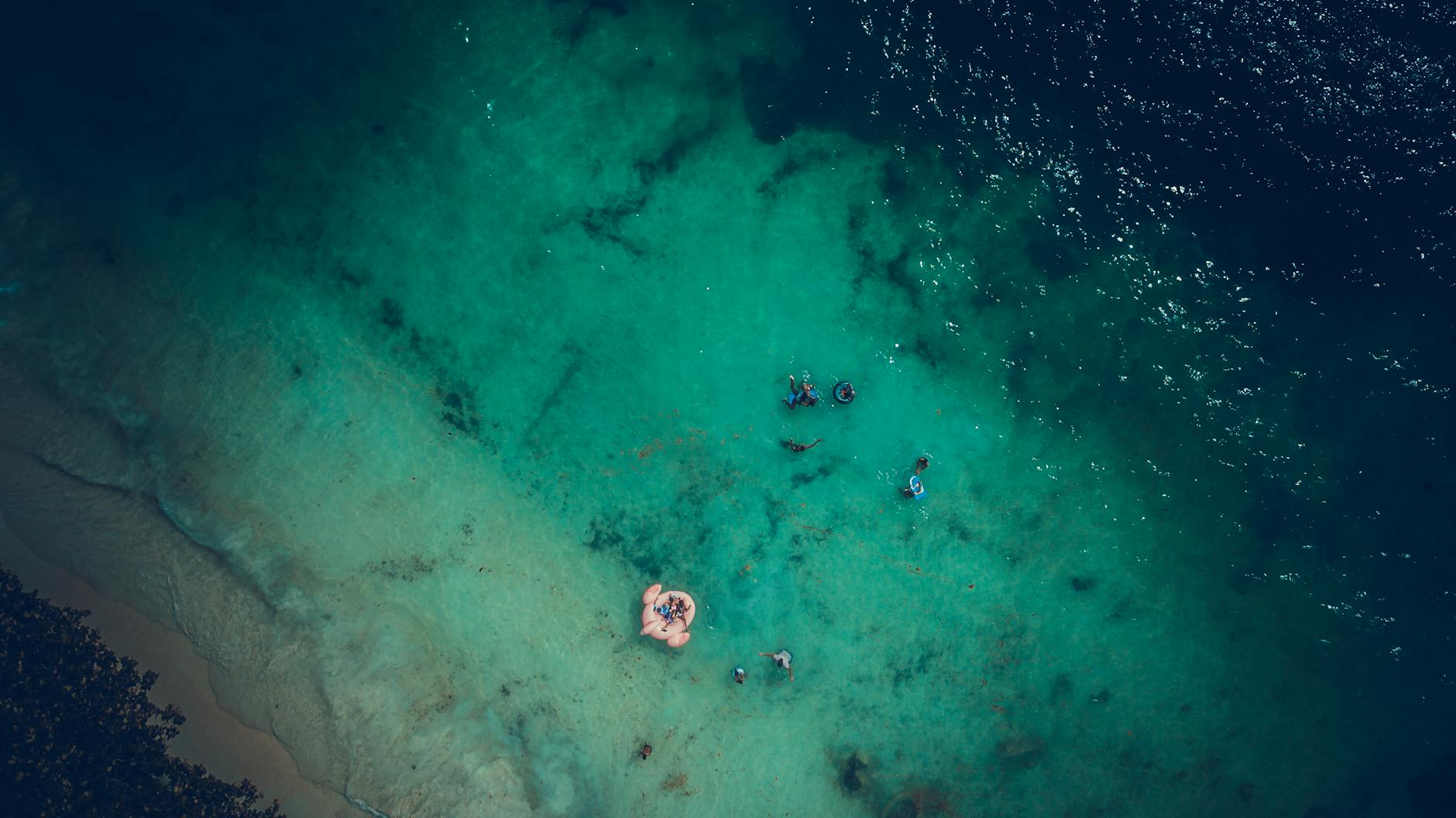
Anchorages and Marinas
Mahé and surrounds
Eden Island Marina (Mahé) is the principal yachting hub with alongside berths, fuel, water, shore power and maintenance services. The Seychelles Yacht Club in Victoria offers limited moorings. Along Mahé's northwest, Port Launay and Baie Ternay give reliable sand holding and clear water in settled conditions. Beau Vallon is scenic but open to swell in certain seasons; treat it as a fair-weather lunch stop if there's any surge.Praslin and La Digue
Baie Sainte Anne (Praslin) provides shelter with access to shops and the inter-island ferry jetty; depths and swing room require care. Anse Volbert (Côte d'Or) is broad and sandy but exposed to swell in onshore phases. Anse Lazio is superb in calm weather but untenable when swell wraps in. La Digue's La Passe is a reef entrance requiring good light and settled conditions; expect ferry wash and strong tidal set on springs. Use moorings where available and check lines.Marine parks and nearby islets
Sainte Anne Marine National Park (off Mahé) and Curieuse/Île Cocos (off Praslin/La Digue) provide moorings, ranger presence and fees. Curieuse's Baie Laraie is a popular stop with trails to Anse St Josè. St Pierre offers daytime snorkelling in fair weather. Cousin and Aride are important bird reserves with strict access protocols; anchoring may be prohibited or tightly controlled.Silhouette and North Island
Silhouette's La Passe offers a fair-weather anchorage on sand shelves with dramatic scenery; strong trades and swell can make it rolly. North Island has limited fair-weather anchorages on sand, best in light winds with low swell. Both demand conservative seamanship and daylight entries.Practical notes
- Charts are improving but eyeball navigation remains essential; enter passes with overhead sun and a bow lookout.
- Night sailing between islands is not advised due to reefs, fish traps and unlit hazards.
- Water and fuel are readily available on Mahé; elsewhere, assume limited or none. Provision on Mahé and top up on Praslin where possible.
FAQs
.faq-accordion details{border:1px #cccccc solid;border-radius:4px;margin:8px 0;}.faq-accordion summary{padding:10px 15px;cursor:pointer;display:flex;align-items:center;gap:8px;list-style:none;}.faq-accordion summary::-webkit-details-marker{display:none;}.faq-accordion summary::before{content:'▸';color:#12305c;font-weight:700;display:inline-block;transform:rotate(0deg);transition:transform .2s ease;}.faq-accordion details[open] summary::before{transform:rotate(90deg);}.faq-accordion p{padding:10px 15px;margin:0;}What is the best month to sail the Seychelles?
For settled seas and easy snorkelling, April-May and October-November are ideal. For livelier sailing and cooler, drier air, choose the SE trades from May to September.Do I need a permit to anchor in marine parks?
Yes. Marine parks such as Sainte Anne, Curieuse and Île Cocos charge fees and provide moorings. Rangers collect on site; keep receipts and follow local guidance.Is bareboat charter suitable for first-time skippers here?
Experienced coastal skippers adapt quickly, but reefs and visual pilotage demand good light, conservative planning and comfort with moorings. Newer skippers often start with a skipper for a day or two.Can I sail to the Amirantes on a one-week charter?
Not usually. Most charter contracts limit cruising to the Inner Islands. The Amirantes require longer weather windows, additional permissions and self-sufficiency.Are whale sharks seen in the Seychelles?
Yes. Sightings peak around August to October, especially off Mahé's west coast, depending on conditions and plankton blooms.What skipper qualifications are accepted?
Operators typically accept an ICC or RYA Day Skipper Practical (or higher), or ASA 104 with experience, plus a VHF/SRC certificate. A sailing CV is commonly requested.How strong are tides and currents?
Tidal range is modest (about 1-1.5 m at springs) but streams can run in passes and around headlands. Combined with trade-wind set, you should plan approaches with care.Is night sailing between islands recommended?
No. Reefs, fish traps and limited lighting make night passages risky. Plan for daylight entries with overhead sun for best visibility.References
- https://www.cruiserswiki.org/wiki/Seychelles
- https://www.meteo.gov.sc/
- https://www.seyport.sc/
- https://www.smsa.sc/
- https://www.snpa.gov.sc/
- https://www.seychelles.travel/useful-tips/entry-formalities
- https://www.noonsite.com/place/seychelles/
- https://www.dreamyachtcharter.com/destination/seychelles/
- https://www.rya.org.uk/knowledge/abroad/icc
- https://www.seychelles-islands.org/
- https://www.sif.sc/aldabra-atoll
Charter a Yacht
Compare crewed & bareboat charters, learn the best months to sail, and get a custom shortlist from 500+ providers.