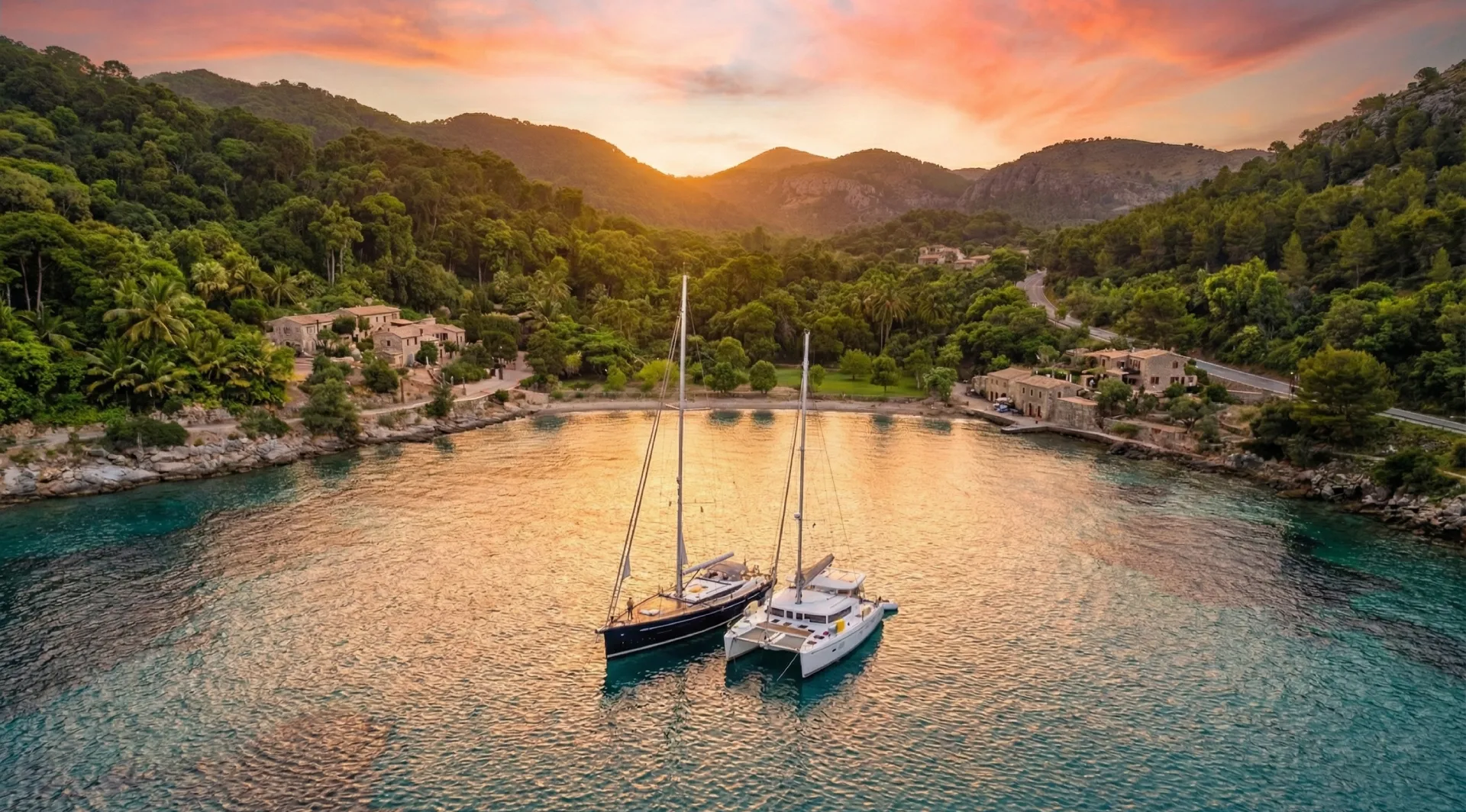
Sailing Zanzibar & Pemba (Tanzania): routes, winds and practicalities
Zanzibar (Unguja) and Pemba sit off Tanzania's tropical coast, encircled by living reefs, sandbanks that appear and vanish with the tide, and channels that demand proper timing. This is an Indian Ocean sailing ground shaped by the monsoon: gentle in one season, brisk and bluewater in the next. It rewards skippers who enjoy pilotage by eye, crisp tide planning and the thrill of slipping past dhow fleets under a warm trade wind.
Expect spice-scented stopovers in Stone Town, wild-dolphin dawns at Kizimkazi, gin-clear snorkelling at Mnemba and Misali, and quiet nights at anchor off palm-lined beaches. Facilities are simple - there are no marinas - so self-sufficiency and good seamanship matter. For many, that's the appeal: proper cruising, short hops behind the reef one day and a purposeful crossing of the Pemba Channel the next.
Whether you choose a skippered catamaran or a self-sailed yacht, the archipelagos offer an attainable blend of adventure and ease: straightforward day runs, clear water for eyeball navigation, and ample shelter on the lee sides during the right season.
Quick links
- Sailing Zanzibar & Pemba (Tanzania): routes, winds and practicalities
- Why Sail in Zanzibar & Pemba (Tanzania)?
- Itineraries
- When to go
- Wind and weather
- Getting there
- Chartering
- Licences and formalities
- Anchorages and marinas
- FAQs
- References
Use these links to jump to the key sections of this guide, then return to explore route ideas and planning details in more depth.
Why Sail in Zanzibar & Pemba (Tanzania)?
Zanzibar and Pemba offer a rare mix of culture-rich ports and reef-fringed anchorages. You can clear in at Stone Town, wander UNESCO-listed alleys, then weigh anchor for Menai Bay's castaway sandbars the same afternoon. Few destinations deliver this balance of heritage and high-clarity coral.
The monsoon regime creates two distinct styles of cruising. The northeast Kaskazi brings warm, moderate breezes and calmer west-coast seas - ideal for easy anchoring and snorkelling. The southeast Kusi is drier and more powerful, suiting sailors who relish a purposeful beat and the satisfaction of catching a fair tide in a bluewater channel.
Watercolour navigation is part of the fun. With good light and a bow lookout, the reefs are readable; turquoise turns to indigo over the drop-offs, and milky patches betray sandbanks. Combine that with reliable trade-wind days, and you have a compact but characterful playground that still feels off the beaten track.
Finally, Pemba rewards those who stretch a little further. Misali's marine reserve, Fundo's channels and Chake Chake's tidal creek offer proper pilotage without being intimidating - memorable, manageable adventure.
Itineraries
Two suggested routes showcase the best of Unguja (Zanzibar) and Pemba. The seven-day plan focuses on Zanzibar's reefs, sandbanks and Stone Town, while the ten-day expedition adds Pemba's wild clarity and tidal channels. Adjust daily runs to suit the season, tides and your crew's pace.
7-day Zanzibar highlights: reefs, sandbanks and Stone Town
A 7-day route. Adjust legs to forecast, moorings and crew preferences.
Day 1 - Stone Town and Prison Island
Arrive and clear formalities at Malindi (Stone Town). Anchor off the port in sand with room to swing, then shake down with a short sail to Changuu (Prison Island) or Nakupenda sandbank for a first swim and snorkel. Return to the Stone Town anchorage for the night, watching for ferry wash and ship movements. If topping up fuel or water, arrange deliveries or runs by jerrycan before you depart the area.
Day 2 - Menai Bay (Fumba-Kwale)
A gentle 15-20 nm reach south to Menai Bay's marine reserve. In settled weather, anchor off Kwale or Pungume islands on clear sand, with mangrove creeks and shifting sandbars to explore by tender. Expect dolphin sightings and glassy swimming in the lee. Keep a lookout for pearl farm lines and shallow coral tongues on approach, and move before dark if a swell builds.
Day 3 - Kizimkazi to Jambiani
Round the southwest cape via Kizimkazi at dawn for the best chance of seeing spinner and bottlenose dolphins. Continue up the east-coast lagoon with the sun high and the tide rising, reading the water by colour changes. In settled conditions you can anchor behind the reef off Jambiani or Paje on sand, mindful of kite-surf zones and teaching areas close inshore.
Day 4 - Jambiani to Mnemba/Matemwe
Pick a fair tide and good light to weave the lagoons north. Aim for midday sun for best visibility over bommies. Anchor off the Mnemba reef moorings (no landing on the private island) or off Matemwe village, where the inshore reef gives protected snorkelling and easy tender access ashore. Expect patchy coral heads - post a bow lookout when anchoring.
Day 5 - Mnemba to Nungwi via Tumbatu
Round Kigomani and the Ras Nungwi headland, keeping a sensible offing if the Kusi is up. If conditions allow, stop by Tumbatu's western reef for a lunchtime swim and drift-snorkel. Overnight off Nungwi or Kendwa on the west side, where sandy patches, calmer water and dhow-yard visits make for a relaxed evening. Observe local customs around Tumbatu and avoid landing without permission.
Day 6 - Lay day: Nungwi and Kendwa
Swim, re-provision by taxi from Nungwi's shops and markets, or visit the traditional dhow boatyards. Holding is good in sand, and nights are typically calm under the Kaskazi. If you need spares or minor fixes, local yards can often help; use the lull to top up potable water and charge batteries fully.
Day 7 - Return to Stone Town
Sail down Zanzibar's west coast with the sea breeze. Pause again at Prison Island or Nakupenda for lunch if time allows, then return to Stone Town for clearance, fuel and a final sunset of dhow silhouettes. Allow extra time for paperwork and keep a listening watch on port channels when moving near the harbour.
Notes: This loop is comfortable in both monsoons, but passage timing and anchorage choices differ. In Kusi season, plan earlier starts and use lee-side west-coast anchorages at day's end; in Kaskazi, expect flatter water on the west and easier reef-hopping to the north.
10-day Zanzibar & Pemba expedition
A 10-day route. Adjust legs to forecast, moorings and crew preferences.
Day 1 - Stone Town to Nungwi
Shake down and position for the Pemba Channel with a 25-30 nm hop up Zanzibar's west side. Anchor on sand in the lee of Nungwi or Kendwa, checking ground tackle and lights for an early departure next day. It's a good evening for final provisioning and confirming weather and tide windows for the crossing.
Day 2 - Cross to Wete (Pemba)
Time the Pemba Channel crossing for a fair tide and bright morning light. Expect a general north-setting current; the SE trades can steepen seas when opposed by stream. Make landfall near Wete and anchor in the roadstead, clearing with local port officials if required. Plan contingencies for reduced visibility - radar and AIS are helpful among fishing traffic.
Day 3 - Fundo channels
Explore the Fundo and Njao channels north of Wete. Crystal-clear passes and strong tidal sets reward patience: enter on slack or ride the stream for controlled drifts. Anchor in the lagoon behind Fundo on clean sand and snorkel the edges of the passes in calm conditions. Keep a sharp eye for overfalls when wind and tide conflict.
Day 4 - Wete to Misali Island
Make the short leg to Misali Marine Reserve and pick up a mooring if available; otherwise anchor on obvious sand patches. Pay park fees to rangers on arrival. Expect exceptional snorkelling and wall dives with staggering visibility. Nights are peaceful in settled weather; if the SE rises strongly, consider a move back into Fundo's lee.
Day 5 - Misali to Chake Chake
Enter Chake Chake via the buoyed channel on a rising tide and in good visibility. Follow the marks precisely - there are shallows either side. Once inside, anchor in Wawi Bay, where the mud holding is excellent and the creek is well protected from most directions.
Day 6 - Lay day: Chake Chake
Stock up at the markets, arrange any paperwork, and explore ashore. Fuel and basic supplies are available with local help. Use the day to plan exit tides and your return crossing window, and to check rig and fittings after the channel work.
Day 7 - South to Mkoani
Hop down the coast to Mkoani, Pemba's southern port. Tidal streams can be brisk and ferry traffic frequent, so arrive with good light and fair tide. Space is limited; avoid obstructing commercial vessels and settle in sand where you have swinging room.
Day 8 - Cross to Kizimkazi (Unguja)
Select a calm window for the Pemba Channel return, again timing for a fair stream. Make for Kizimkazi on Zanzibar's southwest to anchor in sand for a quiet night and sunrise dolphin encounters. Keep a weather eye for squalls; if in doubt, round to the west side for added protection.
Day 9 - Menai Bay
Drift through Menai's islets and sandbanks, choosing Kwale or Pungume in settled weather. Weave well clear of pearl farms, coral tongues and shallow fans, and avoid pushing into tight creeks on a falling tide. In calm conditions the snorkelling is first-rate.
Day 10 - Stone Town
Return to Stone Town for clearance, fuel and a final wander through the alleys. Treat your crew to a sunset dinner on the waterfront with the dhows for company. Allow for some swell near the anchorage and keep watch for ferries as you depart and return by tender.
Notes: The Pemba legs are straightforward with the right tide and visibility. Build slack-water windows into your plan, and avoid wind-over-tide combinations in the channels. If conditions look marginal, reverse the loop to keep options open.
When to go
The best all-round months are June to October during the southeast Kusi monsoon: dry air, good visibility and steady 12-20-knot trades. Expect a livelier sea state outside the reefs, particularly in the channels. December to March (the northeast Kaskazi) brings warmer, humid weather with 10-18-knot NE winds, flatter water on the west coasts and easy reef-hopping - great for snorkelling weeks.
April-May is the long-rains season with squalls, reduced visibility and occasional thunderstorms; November often brings short, sharp showers. These transitional periods can still be sailable but require flexible plans and reliable forecasts. Sea temperatures sit around 26-29 °C year-round, and underwater visibility is often best after a settled spell in either monsoon. If your priority is relaxed lagoon time and clear snorkelling, favour Kaskazi; for crisp sailing and bluewater hops, favour Kusi.
Wind and weather
Monsoon pattern
Winds follow a classic monsoon pattern. The Kaskazi (NE) typically arrives in December, building to 10-18 knots with occasional stronger pulses. It flattens seas along Zanzibar's west coast and can leave the east-coast lagoons sheltered but gusty near the passes. The Kusi (SE) tends to dominate June-October at 12-25 knots, drier and more stable but producing a lumpier sea state to windward and in the channels. Local land and sea breezes overlay both monsoons near the coasts, especially afternoons.
Currents and tides
The East African Coastal Current generally sets north at 0.5-2 knots, stronger in constricted channels. Tidal streams in the Zanzibar and Pemba Channels can run 2-4 knots, steepening seas when opposed by wind. Plan channel crossings, pass transits and shallow entries for slack water or with a fair tide. Tides are semi-diurnal with a common range of 3-4 metres, making timing critical for lagoon pilotage and creek work.
Sea state and visibility
Open-sea conditions can be boisterous under the Kusi, with wind-against-tide quickly kicking up short, steep seas in the channels. Inside the reef, conditions calm rapidly where lagoons offer shelter, though gusts and wrap-around swell can sneak in at certain angles. Good light is essential for reading reef colours and spotting coral heads; avoid reef pilotage in low sun, overcast conditions or after rain when the water colour dulls.
Temperatures and weather systems
Air temperatures are typically 25-32 °C. Tropical cyclones are rare at this latitude. Expect squally showers in the rainy seasons, with brief gusts, wind shifts and reduced visibility. Holding is generally good on sand or mud; coral patches and rubble are more common near reef edges - set and test anchors thoroughly.
Getting there
Fly into Abeid Amani Karume International Airport (ZNZ) in Stone Town, served by regional and international carriers. Pemba is linked by domestic flights to Chake Chake (PMA). Fast ferries run multiple daily services between Dar es Salaam and Zanzibar (Malindi Port/Stone Town), taking around two hours. For smooth logistics, arrange a meet-and-greet transfer - Stone Town, Fumba and Nungwi bases are 20-90 minutes by road from ZNZ depending on traffic.
If arriving on your own yacht, recognised ports of entry include Stone Town (Zanzibar) and, in Pemba, the main ports (check current notices for which are active). On arrival, expect to deal with Immigration, Customs and the Port Authority before moving elsewhere. Many skippers anchor off Stone Town and go alongside by arrangement or invite officials aboard by tender; procedures and fees change periodically, so verify ahead and carry multiple copies of ship's papers, crew list and passports.
Most charters embark in Stone Town, Nungwi or Fumba. Provisioning is most efficient on day one in Stone Town's supermarkets and markets; elsewhere supplies are basic, so plan menus and fresh-top-up runs accordingly.
Chartering
The charter scene is boutique rather than built-up. You'll find skippered catamarans and crewed monohulls operating out of Stone Town, Nungwi and occasionally Dar es Salaam, with itineraries that cover Menai Bay, Mnemba and - on longer runs - Pemba and Misali. Bareboat options exist but are limited; many visitors choose a skipper to simplify permits, pilotage and local knowledge.
Boats are typically equipped for warm-water cruising with generous awnings, snorkel gear and tenders. Watermakers are helpful but not universal; plan to conserve and to shuttle jerrycans ashore where needed. Fuel and water are most straightforward in Stone Town; elsewhere requires forethought and local contacts. Communications are via local SIM or onboard sat devices; coverage is good around Unguja and patchier in parts of Pemba.
Provisioning is best done on day one in Stone Town. Outside Stone Town and Chake Chake, expect basics only. Bring spare filters, a robust dinghy lock and ample anchor chain; there are no marinas, and you will anchor every night. For activities, many operators can pre-arrange dive guides at Mnemba or Misali and cultural tours ashore.
Skipper certification for bareboat: fleets generally require an ICC or RYA Day Skipper (or higher) plus a VHF/SRC operator's licence, along with a sailing CV evidencing tidal and anchoring experience. If in doubt, add a local skipper for all or part of the itinerary.
Licences and formalities
Zanzibar is semi-autonomous within Tanzania, and yachts must complete formalities with Immigration, Customs and the Port Authority on arrival and departure. A cruising permit/port pass and anchoring fees are commonly levied; procedures and charges can change, so verify ahead of time and carry multiple copies of ship's papers, crew list and passports.
If you plan to visit Pemba, check whether additional notifications are required at Wete or Mkoani. Always keep passports and permits to hand; you may encounter marine patrols. Marine protected areas (e.g., Menai Bay, Misali, parts of Mnemba) levy park or conservation fees payable on site to rangers or relevant authorities. Landing on Mnemba Island itself is restricted to lodge guests; anchoring outside the reef for snorkelling is usually permitted in fair conditions.
For bareboat skippers, bring proof of competence (ICC/RYA) and a VHF operator's licence; for crewed charters the operator will handle paperwork. Visas for Tanzania/Zanzibar may be required depending on nationality - arrange an e-visa or visa on arrival per current guidance, and keep some local currency for fees collected afloat.
Anchorages and marinas
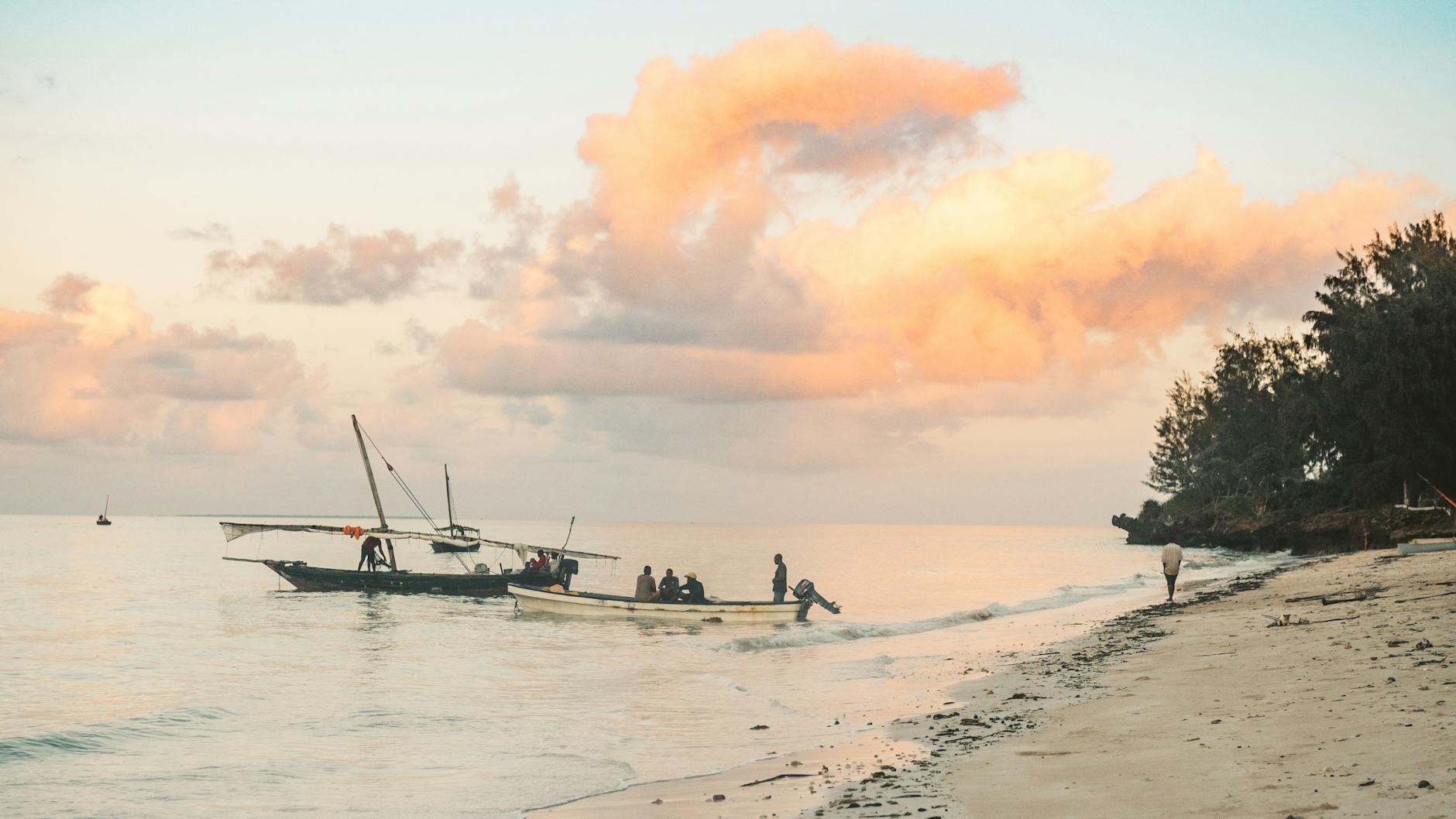
There are no marinas in Zanzibar or Pemba; you will anchor throughout. Holding is generally good in sand or mud. Expect fringing reefs, tidal lagoons and a few dredged channels - use good light and a lookout when close to reef structures.
Stone Town (Malindi)
The principal check-in anchorage. Sand patches with room off the harbour; expect some swell and wash from traffic. Fuel, water (often by jerrycan), provisioning and basic repairs are most available here. Mind ferry and ship movements and follow port control instructions if going alongside. Set an anchor light and consider a second hook if longer swell is running.
Menai Bay (Fumba, Kwale, Pungume)
A network of islets, creeks and sandbanks with clear sand patches for anchoring in settled weather. Watch for pearl farms and shallow coral tongues. Excellent day-hops with postcard snorkelling and tender exploration, but exposed in strong winds or swell - move early if the breeze rises.
Kizimkazi
Useful stop when rounding the southwest. Dolphin tours operate at dawn - keep clear of swimmers and small boats. Anchor in sand with reef protection; some surge can work in on a swell. Good staging point before or after channel hops.
East-coast lagoons (Paje, Jambiani, Dongwe, Matemwe)
Stunning colours and usually good sand holding, but entries require a rising tide and high sun. Kite-surf areas off Paje/Jambiani can be busy; stay outside teaching zones and avoid cutting across inside passes. Wrap-around swell can enter during strong trades - choose your spots with an eye on forecast and exposure.
Mnemba Reef and Matemwe
World-class snorkelling and diving. Anchor outside the reef in sand with a settled forecast. No landing on Mnemba; obey conservation rules, avoid bommies and use available moorings where provided. Expect current on the outer edge, especially on springs.
Nungwi and Kendwa
Reliable lee-side anchorages under the Kaskazi with sandy patches and easy access ashore by dinghy. Dhow yards at Nungwi can assist with basic repairs and are well worth a visit. Nights are generally calm; if it freshens, Kendwa is a little more open but with generous space.
Tumbatu Island
An attractive day stop with sand patches and rewarding reef exploration. Give the reef flats a wide berth at low water and respect local restrictions on landing in village areas.
Pemba - Wete and Fundo
Wete offers a practical anchorage with access to town. The adjacent Fundo and Njao channels deliver superb snorkelling and drift-diving; time moves for slack water and daylight. Overfalls can form quickly when wind and stream oppose - keep manoeuvring room.
Pemba - Misali Island
Often has park moorings; clear sand patches otherwise. Rangers collect fees. Excellent in settled weather but exposed in a strong SE. Expect pristine walls, turtles and big schools on the drop-off.
Pemba - Chake Chake (Wawi Bay)
Enter via a buoyed, shallow channel on a rising tide; once inside, mud holding is excellent and the creek is well protected. Good spot for admin, provisioning and a rest day. Exit again on a rising tide and in clear light.
Pemba - Mkoani
A busy commercial port with limited space but useful as a staging point. Arrive in good light, avoid obstructing ferries and keep a listening watch. Swell can refract into the anchorage in some conditions - consider a short stop rather than an overnight if it is unsettled.
FAQs
Is Zanzibar safe for cruising yachts?
Generally yes. The islands are friendly and incidents are rare. Take normal precautions: lock the yacht, stow dinghies at night, and avoid leaving valuables visible. Use recognised anchorages and follow local guidance.
Which season is best for first-time visitors?
December-March (Kaskazi) brings moderate NE breezes and calmer west-coast seas - ideal for easy anchoring and snorkelling. June-October (Kusi) is drier and breezier and suits skippers comfortable with a livelier sea state.
How strong are the currents?
Expect a general north-setting coastal current of 0.5-2 knots, with tidal streams of 2-4 knots in the Zanzibar and Pemba Channels and in reef passes. Time crossings for slack or a fair tide and avoid wind-over-tide in the channels.
Are charts reliable?
Major features are charted but offsets of 100-300 metres occur in places. Use updated electronic charts, cross-check with satellite imagery, and rely on eyeball navigation in good light when near reefs.
Can I land on Mnemba or Misali?
Mnemba is private - landing is restricted to lodge guests, but snorkelling outside the reef is permitted under conservation rules. Misali is a marine reserve with moorings; landing and snorkelling are allowed on payment of park fees.
Where can I get fuel and water?
The easiest place is Stone Town (by arranged delivery or jerrycan). Limited options exist elsewhere and may require logistics. Plan to be self-sufficient and top up whenever you pass through Stone Town or Chake Chake.
Do I need a skipper's licence to charter?
For bareboat, operators typically require an ICC or RYA Day Skipper (or higher) plus a VHF/SRC certificate and a sailing CV. Many visitors opt for a skippered charter to simplify pilotage and formalities.
Are there marinas or moorings?
There are no marinas. Misali and parts of Mnemba sometimes have park moorings; otherwise, expect to anchor. Carry adequate ground tackle and a stern line for tight spots.
References
- https://www.cruiserswiki.org/wiki/Sailing_Zanzibar_%26_Pemba_(Tanzania)
- https://www.zpc.go.tz/
- https://www.meteo.go.tz/
- https://www.tanzaniaports.com/
- https://www.unesco.org/en/list/173
- https://www.menaibayconservation.org/
- https://www.misaliconservation.org/
- UKHO Sailing Directions, East Africa and Red Sea (current edition)
- Admiralty Tide Tables, Indian Ocean (current edition)
Charter a Yacht
Compare crewed & bareboat charters, learn the best months to sail, and get a custom shortlist from 500+ providers.