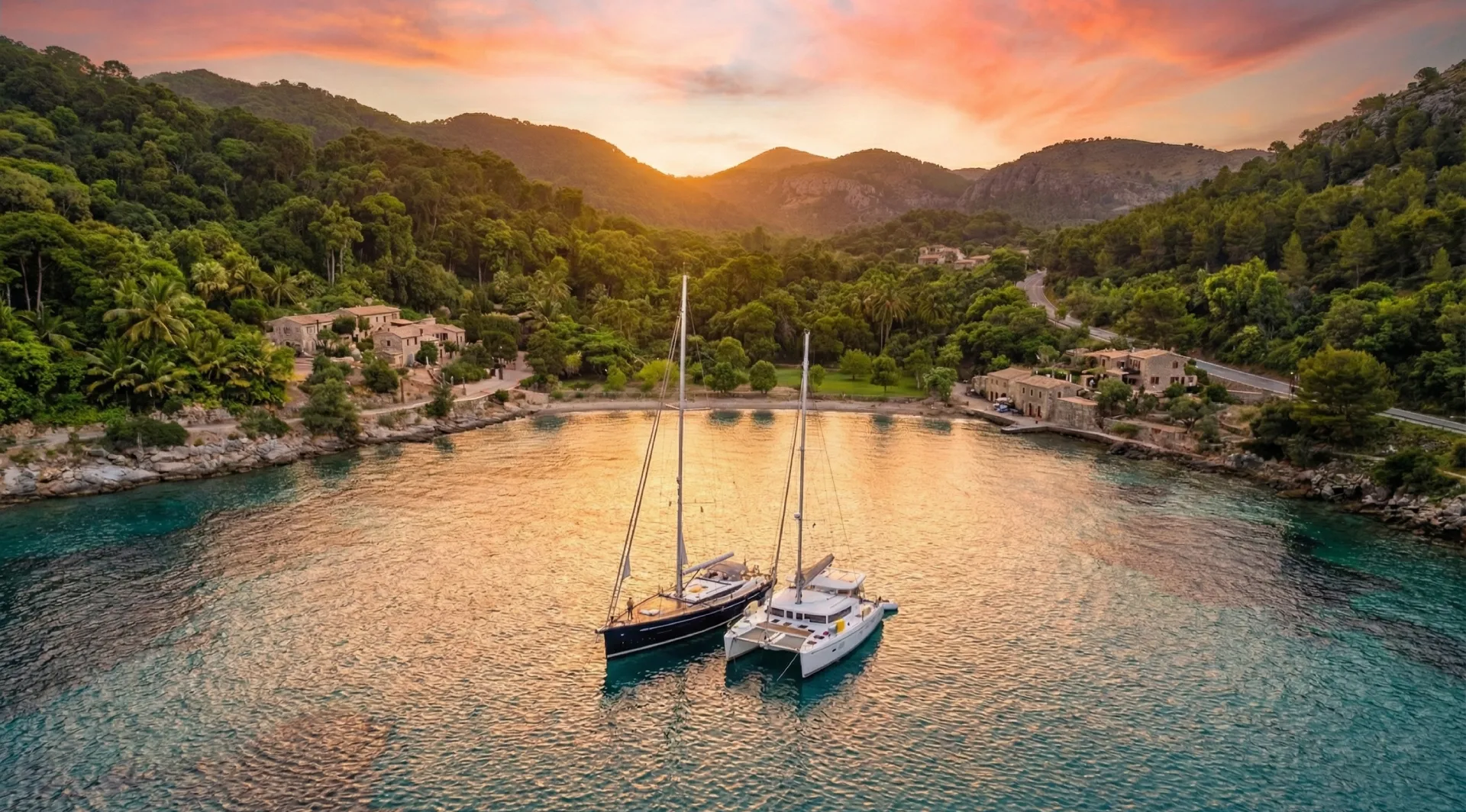
Sailing in the Indian Ocean: routes, winds, seasons and safe harbours
The Indian Ocean rewards thoughtful skippers with coral-ringed anchorages, high-visibility waters and a rhythm set by the monsoon. This guide distils the region into practical sailing areas - from the granite spires of the Seychelles and the atolls of the Maldives to the wildlife-thick bays of Madagascar and the spice routes of Zanzibar - so you can pick passages that suit your crew, vessel and timeframe. You will find clear guidance on seasonal windows, prevailing winds, cyclone risk, entry formalities and where to provision, alongside curated itineraries that keep you in fair winds and sheltered water. Whether you are planning a bareboat charter in the Seychelles, a crewed catamaran in the Maldives or a bluewater leg across the Mozambique Channel, the aim is to help you make safe, satisfying choices without losing the sense of adventure.
Quick links
- Summary
- Why sail the Indian Ocean?
- Itineraries
- When to go
- Wind and weather
- Getting there
- Chartering
- Licences and formalities
- Anchorages and marinas
- FAQs
- References
Why sail the Indian Ocean?
Few regions offer as much variety within one ocean. North of the Equator, winter brings gentle north-easterlies and glassy seas over the Maldives' lagoons; to the south, the same season is prime for long, dry reaches around Nosy Be's forested islands. The Indian Ocean's monsoon cadence creates clear windows for both coastal pottering and purposeful ocean passages, with reliable trades when you want them and tucked-away bolt-holes when you do not.
Nature is central to the experience. From manta cleaning stations in Ari Atoll to giant tortoises on Curieuse and humpback whales rolling through the Mozambique Channel, wildlife encounters are common and often close to the anchorage. Culture remains vivid at the waterline too: spice markets in Stone Town, Tamil temples in Port Louis and Creole kitchens in Mahé serve as landfall markers every bit as memorable as a perfect reach.
For the bluewater-minded, the ocean provides classic routes: Cocos (Keeling) to Chagos and on to the Seychelles; Madagascar down to Mozambique and round the Cape; or a Red Sea exit that times the pirate-risk zone in step with convoy protocols. For charterers, modern marinas and well-developed fleets in the Seychelles and Mauritius offer comfort, while crewed options in the Maldives remove administrative friction in exchange for expert local knowledge. The common thread is straightforward: pick your season, match your ambitions to the forecast, and the Indian Ocean will deliver generous sailing and singular shores.
Itineraries
Below are three tried-and-tested itineraries that suit the region's prevailing conditions and typical charter durations. They balance scenic anchorages with sensible daily runs, and highlight when to slow down for snorkelling, wildlife and shore excursions. Adjust for weather, tides and crew energy.
Seychelles Inner Islands: Mahé-Praslin-La Digue (7 days, easy-moderate)
This week-long loop keeps you within the Seychelles' protected Inner Islands, threading marine parks, granite coves and short inter-island hops. Expect steady trades May to October and lighter, warmer conditions in the north-west monsoon. National park moorings reduce coral impact; plan arrivals in good light for eyeball navigation.
Day 1 - Mahé to Sainte Anne Marine Park
Clear out of Eden Island Marina, settle the crew and make a short hop to the protected waters of Sainte Anne. Expect forgiving first-night holding, easy swimming and a quick gear shakedown close to base.
Day 2 - Sainte Anne to Praslin (Baie Sainte Anne)
Cross to Praslin on a beam reach in settled trades. Arrive early for moorings or anchor under Baie Sainte Anne and head ashore to the Vallée de Mai to see coco de mer palms.
Day 3 - Curieuse and Anse Lazio
Shuttle between Curieuse's tortoise sanctuary and Praslin's famed Anse Lazio. Watch for wrap-around swell into open bays and pick settled weather for exposed anchorages.
Day 4 - La Digue (La Passe)
Slide down to La Digue and pick up a mooring off La Passe. Hire bikes to explore granite lanes and the photogenic boulders of Anse Source d'Argent.
Day 5 - Cousin and Curieuse (wildlife day)
Make a morning stop at Cousin for seabirds (permit regime applies) then return to Curieuse's sheltered bays. Observe all marine park regulations and use moorings where provided.
Day 6 - Côte d'Or and St Anne (Praslin east)
Work along Praslin's east coast, stopping to snorkel the fringing reef. Anchor with high sun for coral spotting and avoid night movements between anchorages.
Day 7 - Return to Mahé
Pick a morning window for a broad reach back to Mahé. Refuel, water up and complete formalities at Eden Island.
Notes: Trades funnel between islands and can freshen quickly. Keep a conservative sail plan when short-tacking near reef lines, and check park fees for Curieuse, St Anne and Cousin before departure.
Maldives Central Atolls: Malé-Ari-Vaavu (7 days, moderate passages)
A classic central-atolls circuit that pairs accessible channels with world-class snorkelling. North-East Monsoon months (January-April) bring the calmest seas and clearest water; passes can run hard on springs at any time, so plan daylight transits with the sun overhead.
Day 1 - Malé / Hulhumalé
Arrivals, clearances and a shakedown sail in the North Malé lagoon. Make a short hop to a sandbank anchorage before dusk.
Day 2 - South Malé Atoll (Guraidhoo)
Thread well-marked channels to Guraidhoo. Time transits for good light; pass currents can be punchy, especially on springs.
Day 3 - Rasdhoo Atoll
Take the longer leg to Rasdhoo on Ari's north-east corner. In season, manta encounters reward the effort, with comfortable lagoon anchoring afterwards.
Day 4 - Ukulhas and nearby sandbanks
Shift gently between atolls. Anchor off Ukulhas for shore services and drift-snorkel the outer reef where conditions allow.
Day 5 - South Ari (Dhigurah / Maamigili area)
Head south-west for whale shark country. Keep a bow lookout - bommies rise steeply in patchily charted areas.
Day 6 - Vaavu Atoll (Fulidhoo)
Reach east to Vaavu's blue channels. Expect accelerated tidal streams in the cuts; avoid night entries.
Day 7 - Return to Hulhumalé
Start early for the leg back to base via marked routes. Fuel and water on return and debrief with the local team.
Notes: Local regulations restrict anchoring near resort islands without permission. A crewed charter simplifies permits, dive operations and pass timing, particularly outside the clearest inter-monsoon windows.
Madagascar Nosy Be and the Mitsio route (10 days, adventurous coastal)
An exploratory coastal itinerary through the Nosy Be archipelago and north to the Mitsio Islands. Expect rewarding sailing in season (April-November), clear water over sand, and variable chart accuracy - satellite imagery and eyeball navigation are essential tools.
Day 1 - Nosy Be (Crater Bay)
Arrive and anchor in Crater Bay. Sort local SIMs and provisions at Hell-Ville before heading out to the islands.
Day 2 - Nosy Komba and Nosy Tanikely
Hop between volcanic islets with excellent snorkelling. Anchor in sand and post a bow lookout for coral heads.
Day 3 - Nosy Sakatia
Settle into Sakatia's sheltered eastern anchorages. Turtles graze the seagrass; evenings are calm under the lee.
Day 4 - Russian Bay (Baie des Russes)
Sail the scenic run to Russian Bay for strong protection and dinghy exploration up the creeks.
Day 5 - Baramahamay River
Enter on a rising tide with good light. The mangrove-fringed river offers glassy water and abundant birdlife.
Day 6 - Nosy Iranja
Anchor off the postcard sandspit connecting twin islands. Mind the coastal tidal set and choose sand patches only.
Day 7 - Coastal hop north
Work up the coast in short legs, watching for uncharted patches and fishermen's lines. Early arrivals improve visibility for reading the water.
Day 8 - Mitsio Archipelago (Tsarabanjina)
Enjoy clear water, good holding and dramatic basalt cliffs. Breezes often freshen; reefs demand vigilant eyeball navigation.
Day 9 - Grande Mitsio
Explore bays along Grande Mitsio and set up for the return. The run south can be punchy if the trades build.
Day 10 - Return to Nosy Be
Leave early to time tides and the sea breeze for the leg back to Crater Bay. Clear out or extend to Lokobe Reserve if time allows.
Notes: Services thin out beyond Nosy Be - carry spares, jerrycans and robust ground tackle. Respect community-managed areas and be prepared for informal fee collection in rivers and reserves.
When to go
Seasons are set by the monsoon and cyclone regimes, which differ north and south of the Equator. Choose your window to match wind direction, sea state and exposure of your intended anchorages.
Seychelles and Northern Madagascar
From May to October, the south-east trades dominate, bringing dry, breezy sailing with a small swell wrapping into open bays. November to April tends to be warmer, with lighter north-westerlies and more rain. Tropical cyclones usually form further south, but peripheral swell and squalls can influence plans. Prime months: May-September for predictable reaching conditions and clear water.
Maldives and Sri Lanka
The North-East Monsoon (December-March) is drier and calmer, with light to moderate NE-E winds ideal for lagoon cruising and pass dives. The South-West Monsoon (May-October) brings stronger SW winds, more showers and ocean swell on western rims. Inter-monsoon months (April and November) are variable with occasional squalls. Prime months: January-April in the Maldives; December-March for Sri Lanka's south and west, May-September for its east.
Mauritius, Réunion and Rodrigues
Cyclone season runs roughly November-April. The best cruising is May-October in cool, dry SE trades. Outside these months, keep a close watch on regional forecasts, have a refuge plan and avoid open-roadstead anchorages when lows develop.
Mozambique Channel and East Africa
From April to November, SE-E trades and relatively settled conditions prevail. December-March brings lighter NE winds and more convection. The Channel accelerates winds and can build a notable sea when the pressure gradient tightens. Humpback whales transit July-September and are frequently sighted near the shelf edge.
Arabian Sea (Oman)
The Khareef (June-September) brings strong SW winds, swell and low cloud to the south, limiting coastal cruising. October-April is the preferred window with lighter winds and clearer water.
Ocean crossing windows
Outside charter areas, common crossing periods are April-June and September-November, chosen to avoid cyclone basins and to ride the trades. Always refine with current advisories before committing.
Wind and weather
Monsoon patterns
North of the Equator, the monsoon reverses the mean wind: a NE-E flow from December to March and SW-W from May to October, with transitional squally periods around April and November. South of the Equator, the SE trades establish from about May, peaking July-August, then easing with more variable weather November-April as cyclone risk increases in the south-west basin.
Currents
The South Equatorial Current drives westwards into Madagascar and the Mozambique Channel, where large eddies form and can set you off course. The Agulhas Current runs strongly down South Africa's coast and is dangerous against a south-westerly. Atolls - notably in the Maldives - experience powerful tidal streams through passes that can exceed 4 knots on springs. Time entries with overhead sun, avoid night transits in reef areas and use a diligent bow lookout.
Sea state
Trade-wind seas can be short and steep in acceleration zones (for example, the Mozambique Channel and around exposed capes). Long-period swell affects ocean-facing anchorages, particularly on western atoll rims in the SW monsoon and on outer islands with minimal fringing reef. A bridle, snubber and a second anchor can markedly improve comfort in cross swell.
Forecasts and warnings
Combine official marine bulletins and cyclone advisories with high-resolution GRIBs. In the south-west Indian Ocean, Météo-France La Réunion issues authoritative tropical cyclone warnings; in the north, the India Meteorological Department (IMD) is the Regional Specialised Meteorological Centre. Keep a watching brief on tropical lows even if distant - swell and squall lines can propagate far beyond a storm's core.
Getting there
International hubs place most sailing areas within a single flight and a short transfer to base marinas. Build in a small buffer for domestic connections and provisioning, and confirm baggage allowances for dive gear or spares.
Seychelles
Fly to Mahé (SEZ). Eden Island Marina is 10-15 minutes by road and provisioning is straightforward in Victoria. Many bases can pre-stock essentials if you arrive late.
Maldives
Fly to Malé (MLE). Transfers to Hulhumalé marinas are by taxi or launch and many charters include airport pickup. Expect formalities on arrival; crewed boats streamline the process.
Mauritius & Réunion
Port Louis (MRU) and Saint-Denis (RUN) are the gateways. Charter bases cluster around Caudan Waterfront (Port Louis) and Le Port (Réunion). Check seasonal cyclone policies before booking.
Madagascar
Nosy Be (NOS) is the preferred entry for charter; Antananarivo (TNR) connects via domestic flights. Allow buffer time - schedules can be changeable and daylight arrivals simplify anchoring.
East Africa
Zanzibar (ZNZ), Dar es Salaam (DAR) and Mombasa (MBA) serve the Swahili Coast. Bases and support services are most consistent around Zanzibar; consider tides when planning arrivals at shallow moorings.
Sri Lanka & India
Colombo (CMB) and Kochi (COK) are the most yacht-relevant entry points. Cruising permits are more formal here - engage agents ahead of arrival and obtain written clearances for movements.
Bluewater landfalls
Common entry points are Cocos (Keeling), Chagos (permits required), Seychelles, Madagascar (Nosy Be), Mayotte and Mozambique. If transiting the Gulf of Aden or adjacent high-risk areas, register and report with UKMTO/MSCHOA and follow the latest piracy mitigation guidance.
Chartering
Charter options concentrate in the Seychelles, Maldives, Mauritius and parts of Madagascar and Zanzibar. Catamarans dominate due to space, stability and shallow draught, particularly where coral navigation and lagoon anchorages are the norm.
Seychelles
The region's most mature bareboat market, centred on Mahé's Eden Island. One-week inner-island loops are standard. Expect national park permits (Curieuse, St Anne, Cousin) and guidance to avoid night passages between anchorages.
Maldives
Predominantly crewed charters (sail or motor) with dive-centric itineraries across central atolls. Local skippers and guides handle permits, resort channels and fast-changing pass conditions. Bareboat is limited and often restricted to specific lagoons.
Mauritius & Réunion
Smaller fleets offer skippered and some bareboat options. Passages can be fresh in the trades and cyclone awareness is essential outside May-October. Port Louis and Le Port are typical bases with good shoreside support.
Madagascar (Nosy Be)
A growing selection of skippered and a few bareboat catamarans. Anchorages are remote and charting can be offset; operators look for solid experience in coral navigation and self-sufficiency. The season runs mainly April-November.
Zanzibar
Boutique skippered operations offer coastal cruising with cultural stops. Tides and reef passes demand local knowledge and flexible itineraries around spring ranges.
Skipper qualifications
Requirements vary by flag and operator. In the Seychelles and Mauritius, expect to present an ICC (International Certificate for Operators of Pleasure Craft) or RYA Day Skipper (or higher) plus VHF/SRC. Many fleets prefer RYA Coastal Skipper for larger multihulls; ASA 104/106 is a common equivalent. In Madagascar, the same documents plus a strong multihull CV and coral-anchoring experience are typical. In the Maldives, most charters are legally or practically crewed; where bareboat is offered, operators usually insist on an advanced licence and recent atoll experience. Confirm radio licence rules and carry original certificates. Budget for a security deposit or damage waiver and consider adding a professional skipper for the first day if new to the area.
Licences and formalities
Formalities vary by state. Prepare original ship's papers, insurance, crew list and passports with sufficient validity. Carry multiple copies and keep a simple log of clearances with dates, stamps and official names.
Seychelles
Clear at Port Victoria. Cruising permits and national park fees are payable; biosecurity checks apply for fresh produce. AIS use is encouraged and anchoring restrictions apply in several marine parks.
Maldives
Clear through designated ports (commonly Malé/Hulhumalé). Inter-island movement may require local clearances; anchoring near resorts or uninhabited islands can be restricted without permission. Alcohol import and drone use are tightly controlled - declare before arrival.
Mauritius & Réunion
Standard customs/immigration on arrival (Port Louis; Le Port). Cyclone procedures and port-of-refuge protocols are well established. Holding tanks are mandatory near sensitive reefs and are routinely checked.
Madagascar
Clear in/out at recognised ports (Nosy Be/Hell-Ville among the most common). Health measures can include vector controls; cash is useful outside towns. Some rivers and reserves levy community fees - request a receipt.
East Africa (Tanzania/Zanzibar, Kenya)
Expect visas on arrival or e-visas, port health checks and temporary import papers for the yacht. Zanzibar has local procedures separate from mainland Tanzania - coordinate with an agent to avoid duplication.
Sri Lanka & India
More formal and agent-led. Pre-arrival notification, port pilots, cruising permits and restrictions on anchoring outside designated harbours are common. The Andaman & Nicobar Islands require special permits and defined routes.
Security
While piracy risk off Somalia has reduced, yachts transiting the High-Risk Area should register with UKMTO, monitor MSCHOA advisories and follow current best management practices. Avoid isolated approaches to the Yemeni and Somali coasts.
Environmental compliance
Many anchorages lie over coral. Use sand patches only, pick up moorings where provided, manage waste rigorously and adhere to park regulations. Spearfishing, collecting shells or anchoring on coral are illegal in several jurisdictions. A reef-safe suncream policy and grey-water discipline help preserve fragile sites.
Anchorages and marinas
Seychelles
Eden Island Marina (Mahé) is the main charter hub with full services; Port Victoria handles formalities and fuel. Favourite anchorages include Sainte Anne Marine Park, Baie Sainte Anne (Praslin), Curieuse, La Passe (La Digue) and Anse Lazio (weather permitting). Park moorings reduce coral damage; open bays can feel the swell.
Maldives
Infrastructure for yachts is improving around Hulhumalé and Malé with fuel, water and limited berths. Otherwise, expect lagoon anchorages and occasional resort moorings by prior arrangement. Strong pass currents and coral heads define navigation - enter in good light and avoid night approaches.
Madagascar (Nosy Be)
Crater Bay and Hell-Ville provide community moorings, fuel by jerrycan and workshops. Classic stops are Nosy Komba, Nosy Tanikely, Nosy Sakatia, Russian Bay, Baramahamay River and Nosy Iranja. Charts can be offset; satellite imagery and eyeball navigation are invaluable.
Mauritius & Réunion
Port Louis (Caudan Waterfront) offers secure berthing, customs and provisioning; Le Port (Réunion) is well-equipped. Coastal anchorages are limited by exposure; passages are planned along the coast between safe harbours with close attention to forecasts.
East Africa
Zanzibar's Stone Town anchorage is serviceable in settled weather; Nungwi and Mnemba offer fair-weather stops with crystal water. Dar es Salaam has commercial facilities but limited yacht berths. Tides and reefs dictate conservative planning and daylight moves.
Sri Lanka & India
Galle (Sri Lanka) is the principal yacht entry with agent support; Trincomalee opens during the SW monsoon. In India, Kochi International Marina is the most yacht-friendly; elsewhere, formal ports dominate and off-anchoring is often restricted - expect to liaise with port control.
General practice
Set two anchors in open roadsteads if wind and swell cross. Use a tripping line near coral, rig a snubber to ease chain snatch and keep scope generous where swinging room allows. In cyclone season, move early to recognised ports of refuge and follow local authority instructions.
FAQs
When is the best time to sail the Seychelles?
May to October brings dry weather and steady SE trades, ideal for inter-island hops. November to April is warmer and lighter with occasional swell and showers.
Do I need a licence to bareboat in the Indian Ocean?
Yes. In the Seychelles and Mauritius, an ICC or RYA Day Skipper (or higher) plus VHF is typically required. Operators may ask for Coastal Skipper for larger cats. Madagascar expects equivalent documents and a strong experience log. Maldives charters are mainly crewed.
Is piracy still a concern?
Risk has reduced but persists near the Gulf of Aden and parts of the Somali Basin. If transiting, register with UKMTO, consult MSCHOA and follow current best management practices.
What about cyclones?
The south-west Indian Ocean cyclone season runs roughly November-April (affecting Mauritius, Réunion, Madagascar, Mozambique). The North Indian Ocean sees cyclones mainly April-June and October-December. Plan passages to avoid these windows and monitor official advisories.
Are charts reliable around Madagascar and the Maldives?
Expect offsets and incomplete detail in parts of Madagascar and outer Maldives atolls. Navigate in good light with a bow lookout, cross-check multiple sources and use satellite imagery where appropriate.
Can I anchor anywhere in the Maldives?
No. Anchoring near resorts or uninhabited islands often requires permission, and some areas are restricted. Strong pass currents also limit safe options. Crewed charters help navigate the rules.
What health considerations apply?
Dengue occurs in many tropical areas; malaria risk exists in parts of Madagascar and Mozambique. Use repellents, screens and seek travel health advice before departure. Carry a well-stocked medical kit.
Is provisioning straightforward?
Yes in hubs like Mahé, Malé, Port Louis and Nosy Be. Once underway, selection narrows; plan fresh produce around local markets and carry spares for water, fuel filtration and refrigeration.
Do I need a cruising permit for the Seychelles?
You will complete entry formalities at Port Victoria and pay relevant national park and conservation fees when visiting protected areas such as Curieuse and Sainte Anne.
Are night passages advisable between islands?
Generally avoid night entries in reef areas across the region. In the Seychelles and Maldives, most operators discourage night movements between anchorages due to coral and unlit hazards.
References
- https://www.cruiserswiki.org/wiki/Sailing in the Indian Ocean
- Meteo-France La Réunion, RSMC Tropical Cyclone Centre: https://meteofrance.re
- India Meteorological Department (IMD) RSMC New Delhi: https://rsmcnewdelhi.imd.gov.in
- UKMTO advisory and reporting: https://www.ukmto.org
- MSCHOA (Maritime Security Centre - Horn of Africa): https://www.mschoa.org
- Seychelles Meteorological Authority: http://www.meteo.gov.sc
- Maldives Meteorological Service: https://www.meteorology.gov.mv
- UKHO Admiralty Sailing Directions: Indian Ocean and Red Sea Pilots (various volumes)
- NOAA/NGA Pilot Charts of the Indian Ocean (various sectors)
- BIOT Administration (Chagos) yachting guidance: https://www.biotope.org.uk or official BIOT government site
Charter a Yacht
Compare crewed & bareboat charters, learn the best months to sail, and get a custom shortlist from 500+ providers.