
Sailing in Algarve & Ria Formosa (Portugal): routes, conditions and practicalities
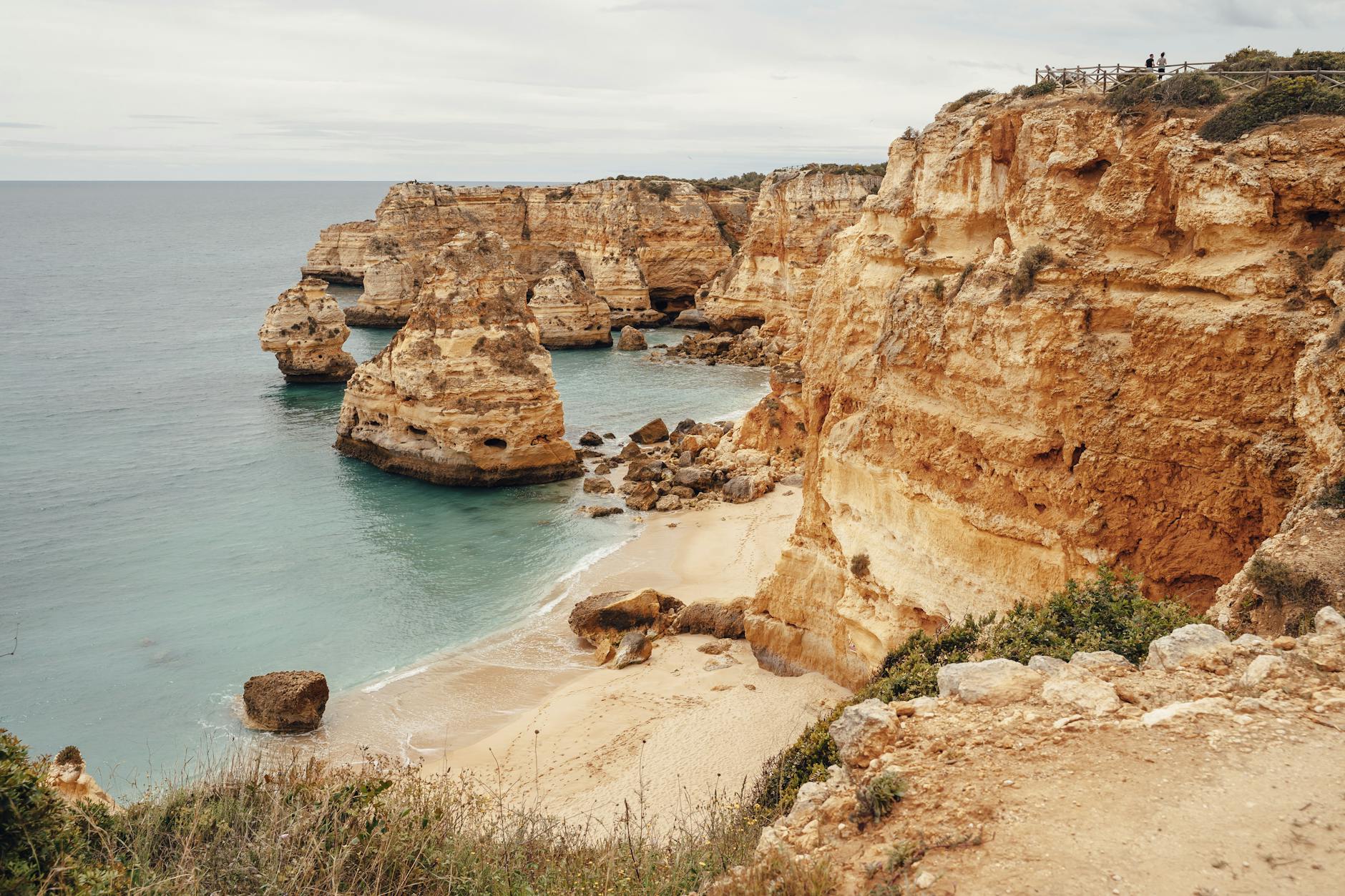
The Algarve’s sun-baked headlands, scalloped coves and wide sandy bays meet the intricate, tide-swept wetlands of the Ria Formosa to create two distinct, complementary cruising grounds on Portugal’s south coast. Expect short, scenic hops between full-service marinas from Lagos to Vila Real de Santo António, and serene nights at anchor among sandbanks and islands inside the Ria’s protected channels. Summer brings reliable sea breezes, modest seas and warm water; winter offers quieter berths and punchier fronts. Tides, bars and the occasional Atlantic swell add just enough challenge to keep experienced skippers engaged without overwhelming competent newcomers. This guide sets out the wind patterns, seasonal considerations, harbour choices and anchorages you’ll actually use, plus straightforward advice on chartering and certification.
Quick links
- Sailing in Algarve & Ria Formosa (Portugal): routes, conditions and practicalities
- Why Sail in Algarve & Ria Formosa (Portugal)?
- Itineraries
- When to go
- Wind and weather
- Getting there
- Chartering
- Licences and formalities
- Anchorages and marinas
- FAQs
- References
Why Sail in Algarve & Ria Formosa (Portugal)?
Two worlds in one passage: west of Faro, the Algarve’s rock arches, fishing towns and resort marinas sit just a relaxed day sail apart, making it easy to string together an itinerary with dependable services and straightforward approaches. East of Faro, the Ria Formosa’s labyrinth of islands and lagoons offers tranquil anchorages in clean sand, vivid birdlife and fisherman-run communities such as Culatra, all within a national park setting.
Conditions are kind. From late spring to early autumn, predictable afternoon sea breezes fill in along the south coast while the Ria provides flat water refuge. Distances are short—rarely more than 20–30 nautical miles between comfortable stopovers—yet the navigation stays interesting, with tides, bars and capes to plan around. Shore time is rewarding too: Moor under ochre cliffs at Lagos, wander Tavira’s cobbles, or ride the train that shadows much of the coastline for easy crew changes.
For skippers seeking variety, a week can cover blue‑water headlands, river cruising on the Guadiana, and sandy island anchorages—without night sailing. For families and newer sailors, shelter, services and swim‑worthy beaches make logistics simple, while more seasoned crews can venture to Sagres in the northerly ‘Nortada’ or work the tides into the Ria’s less‑frequented corners. Add in excellent seafood, welcoming harbours and clear pilotage, and this coast rewards both first-time visitors and returning cruisers.
Itineraries
Below are two tried-and-tested routes that blend the Algarve’s cliff-backed bays with the calm, tidal waters of the Ria Formosa. Distances are modest and most legs are day-sails. Do factor tides for bar entrances and the Ria’s channels, arriving near slack water where possible, and keep a flexible plan to suit wind, swell and crew energy.
7-day Algarve coast and Ria Formosa sampler (Lagos to Vila Real de Santo António)
A 7-day route. Adjust legs to forecast, moorings and crew preferences.
A compact coast-to-lagoon journey that starts among Lagos’s sandstone cliffs and finishes at the Portuguese–Spanish border. Expect civilised marina stops, easy provisioning and one or two nights at anchor inside the Ria Formosa for a change of pace.
Day 1: Lagos to Portimão (10 nm)
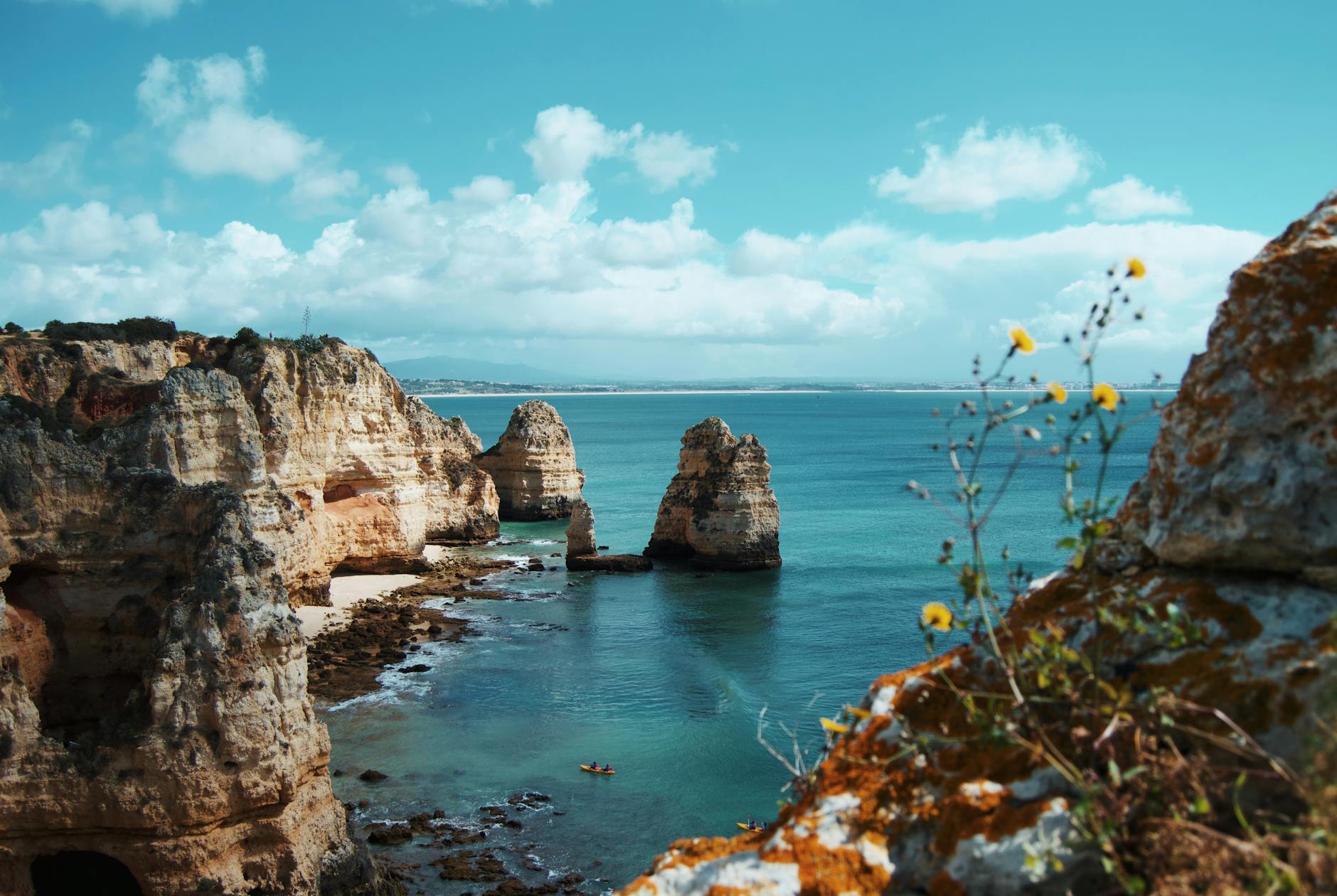
Ease into the coast with a short leg past the sandstone cliffs and sea caves of Ponta da Piedade. Watch for grotto tour boats close inshore and give headlands a sensible offing if any swell is running. Enter the Arade River for the well-sheltered Marina de Portimão, or anchor off Ferragudo in settled weather on sand with good holding; expect some wash from river traffic.
Day 2: Portimão to Albufeira (15 nm)
A relaxed coastal run along low cliffs and sandy bays. Keep clear of fishing gear and pot markers, which are common on this stretch, especially near inshore reefs. Albufeira’s purpose-built marina has straightforward access, reliable fuel and water, and useful chandleries; it’s a handy stop for a supermarket run and a stroll ashore.
Day 3: Albufeira to Vilamoura (12 nm)
Another short hop to Vilamoura’s large marina with extensive amenities and nightlife. Afternoon sea breezes are common, so plan an earlier arrival for berth choice in peak season. The entrance is well marked between breakwaters; allow for crosswinds when lining up and have lines and fenders ready as the marina can be busy.
Day 4: Vilamoura to Culatra (Ria Formosa) (18 nm)
Time your arrival at the Faro–Olhão entrance near slack water. With swell or strong onshore winds the bar can be rough; in typical summer conditions it’s straightforward if you follow buoyage precisely. Anchor in clean sand off Culatra village for a quiet night, excellent holding and easy dinghy access; plan your dinghy runs with the tide as streams are strong.
Day 5: Explore Faro and Olhão by dinghy or short hops
Use the well-buoyed main channel to visit Faro or Olhão at or near high water. Expect strong tidal streams and plentiful fishing traffic; keep speeds down and maintain a sharp lookout around bends. Ashore, Faro’s walled old town and Olhão’s markets make a fine day out; short-stay alongside visits are feasible around high water with lines rigged for current.
Day 6: Culatra to Tavira (Quatro Águas) (12 nm)
Exit via the main channel and re-enter at the Tavira approach if conditions allow, or work inside on the marked route where depths permit for your draught. Berth at Quatro Águas or pick up a visitor berth if available; the area has good shelter and quick ferry links to the beaches on Ilha de Tavira. Arrive on a rising tide for depth margin and an easier approach.
Day 7: Tavira to Vila Real de Santo António (15 nm)
Follow the low-lying coast to the Guadiana River. Mind cross-currents on entry between breakwaters and allow for set when lining up. Arrange alongside with long springs and fenders for the tide; the border town has relaxed provisioning and handy transport. Consider a taxi or the coastal train back for crew changes or a one-way finish.
10-day west-to-east with Sagres and the Guadiana (loop)
A 10-day route. Adjust legs to forecast, moorings and crew preferences.
This longer loop adds the dramatic headlands around Sagres and time on the Guadiana River. It’s ideal for crews wanting a little more mileage and variety while keeping passages within daylight hours.
Day 1: Lagos local cruising
Shake-down sail around Ponta da Piedade and the Meia Praia bay, checking all systems and reefing lines before heading further afield. Overnight at Lagos Marina, where engineering and chandlery support are close at hand should anything need attention.
Day 2: Lagos to Sagres/Baleeira (16 nm)
Round Ponta da Piedade and continue to Sagres. Expect acceleration of the northerly breeze near Cabo de São Vicente in settled high pressure, with gusts rolling off the cliffs. Anchor in sand in Enseada de Baleeira with an eye on swell; it’s a beautiful but exposed roadstead best in settled northerlies.
Day 3: Sagres to Portimão (26 nm)
Return east with a likely following sea and reduced wind once you are past the capes. Set a preventer and keep clear of fishing activity off the river mouths. Enter the Arade River for secure berthing at Marina de Portimão or a tidy hook off Ferragudo if conditions are calm.
Day 4: Portimão to Albufeira (15 nm)
Short coastal passage with time to explore ashore. Consider a lunch stop on the hook off Praia da Galé in settled weather before heading into Albufeira for the night. Top up fuel and water to stay flexible for the days ahead.
Day 5: Albufeira to Vilamoura (12 nm)
Arrive early for berth choice in peak months; Vilamoura is popular at weekends and during events. Nightlife, restaurants and on-site chandlery make it a convenient stop, and the breakwaters provide all-weather protection in typical summer conditions.
Day 6: Vilamoura to Culatra (Ria Formosa) (18 nm)
Enter at Faro–Olhão near slack. The channel is well buoyed but narrow in places with eddies; hold to the marks and keep a listening watch. Anchor off Culatra in sand with excellent holding and enjoy a swim and a seafood dinner ashore.
Day 7: Culatra to Olhão/Faro exploration
Use the main channel to visit markets in Olhão or Faro’s old town. Strong tides and narrow fairways demand diligent pilotage and conservative speeds. Plan your returns to the anchorage with the ebb or flood to make life easy for the engine and crew.
Day 8: Culatra to Tavira (12 nm)
Proceed to Tavira’s Quatro Águas for a gentle upriver feel and ferry-linked beaches. Depths and buoyage can shift after winter storms, so favour daytime arrivals on a rising tide and keep a good bow watch.
Day 9: Tavira to Vila Real de Santo António (15 nm)
Enter the Guadiana with attention to cross-currents and commercial traffic. Explore the border town’s neat grid of streets and consider provisioning ahead of the upriver run. Rig long lines and springs for tidal range alongside.
Day 10: Guadiana day trip to Alcoutim (30 nm round)
Motor-sail upriver on the flood to Alcoutim/Sanlúcar for a peaceful river stop. Check your air draught against the international bridge’s stated clearance and plan passage at an appropriate tide. Return on the ebb the same day or overnight on a visitor mooring in settled conditions.
When to go
April to October suits most crews. May–June and September often deliver the best blend of stable sea breezes, warm but not oppressive temperatures and quieter marinas. July–August are hot (high 20s to low 30s °C ashore) and busy; book berths in advance. Water temperatures typically sit around 20–24 °C in high summer and 16–18 °C in spring and late autumn.
Winter (November–March) is mild and sail‑able, albeit with more frequent Atlantic lows bringing westerly winds, rain and swell. Berth availability is excellent and costs drop, but bar entrances (Alvor, Ria Formosa inlets, Guadiana) can be rough during or after storms. Shoulder months reward flexible plans and careful tide work inside the Ria. Daylight is generous from late spring, helping tide‑timed entries, while autumn offers warm seas and reduced crowds for relaxed anchoring.
Wind and weather
Summer wind patterns are reliably diurnal. Expect light mornings, building afternoon sea breezes from the SW–SE at Force 3–4 along the south coast. Inside the Ria Formosa, winds are lighter and more variable, with flat water but strong tidal streams. West of Lagos towards Sagres and Cabo de São Vicente, the northerly ‘Nortada’ accelerates in settled high‑pressure regimes, often reaching Force 5–6 in the afternoons with gusts off the capes.
Easterly events (‘Levante’) can set in for 2–4 days, particularly in summer, producing fresh E–NE winds and a short, steep sea from the east. These conditions can render the Guadiana and Tavira bars uncomfortable or unsafe. In winter, passing fronts bring W–SW winds and larger swell. Sea states are generally modest in summer (0.5–1.5 m), but exposed headlands and post‑frontal periods can see higher waves; give capes a wider berth and reef early if needed.
Tides matter. The Algarve sees a spring range around 2–3 metres, with 3–5 knot streams through the Ria Formosa inlets. Plan entries at or near slack water, ideally with a rising tide and low swell. Visibility is usually excellent; fog is uncommon in summer but can appear in spring, and isolated inland thunderstorms are possible on hot days. A routine of morning hops and early arrivals works well with both sea breezes and tide gates.
Getting there
Faro (FAO) is the prime gateway, minutes from the Ria Formosa and around 30–60 minutes’ drive from Vilamoura, Albufeira, Portimão and Lagos. Frequent flights connect much of Europe. Lisbon (LIS) and Seville (SVQ) are viable alternates with motorway links (A2/A22) to the coast and easy car‑hire pick‑ups.
Rail covers the Algarve from Lagos to Vila Real de Santo António, with connections to Lisbon—useful for crew swaps or one‑way itineraries. The line shadows much of the coast, so even short hops between marinas are simple by train or taxi. Road transfers are straightforward; most marinas have taxi ranks, secure parking and nearby supermarkets. Provisioning is easy near all major marinas, and chandleries cluster in Lagos, Portimão and Vilamoura for last‑minute spares.
Chartering
Charter fleets operate from Lagos, Portimão, Albufeira and Vilamoura, with occasional pickup options in Faro/Olhão subject to tide windows. Expect a mix of modern cruising monohulls (34–50 ft) and catamarans (38–45 ft), offered bareboat or with a skipper. One‑way charters along this compact coast are less common but can sometimes be arranged between Lagos/Portimão and Vilamoura.
Peak demand in July–August pushes up rates and compresses turnaround times; book well ahead and supply passport details for marina pre‑clearance. Shoulder seasons offer better availability and gentler conditions—ideal for skills consolidation. Given the tidal nature of the Ria and shifting bars, most operators will brief you to favour the well‑maintained Faro–Olhão entrance and to avoid bar crossings in swell or strong onshore winds.
Fuel, water and shore power are available at all major marinas. Engineering support is strongest in Lagos and Portimão, with rigging and sail loft services on hand. Inside the Ria, facilities are modest—plan to tank up before entering and to move with the tide once inside. Expect a refundable security deposit (or damage waiver), standard safety inventory, and thorough check‑in/out procedures with local pilotage notes.
Licences and formalities
Portugal recognises the International Certificate for Operators of Pleasure Craft (ICC) at the appropriate coastal level, and commonly accepts equivalents such as RYA Day Skipper (or higher) for bareboat charters. A VHF Short Range Certificate (SRC) is typically required for the skipper. Bring originals of licences plus passports/ID for all crew. For motor yachts, ensure your certificate covers power if relevant.
There are no special cruising permits for visiting EU leisure craft beyond standard registration and insurance. Schengen rules apply for non‑EU nationals. Carry ship’s papers, proof of insurance and a crew list. Lifejackets, flares and safety equipment should meet local standards; reputable charter companies will provide compliant gear. In practice, AIS is common but not mandatory for small craft; a working VHF and an updated set of charts and pilotage notes are essential.
Environmental rules are actively enforced in the Ria Formosa Natural Park. Observe no‑anchoring zones protecting seagrass and aquaculture, respect 3‑knot speed limits in channels, and avoid discharging black water in lagoons or within 3 miles of the coast. Use shore facilities where available and dispose of rubbish responsibly at marina points.
Anchorages and marinas
Lagos
A full‑service marina behind robust breakwaters with excellent shelter, repair yards and grocery options. A pedestrian bridge controls access—monitor on VHF as directed. Approaches are straightforward in most weather, and the marina is a reliable start/finish base with all amenities within walking distance.
In peak season, book ahead and arrive with fenders set both sides for staff‑assisted berthing. The old town and beaches are an easy stroll, making Lagos popular for crew changes and lay days.
Portimão and the Arade
Marina de Portimão sits inside a well‑protected basin just inside the river mouth. Outside the marina, yachts often anchor upriver off Ferragudo in sand. Holding is good, but expect traffic and some wash from trip boats and fishing vessels.
Fuel and water are convenient, and the town straddles both banks for dining and supplies. Keep to the channel on approach and watch for crosswinds between the breakwaters.
Alvor
A rewarding but bar‑dependent lagoon. Only attempt on a rising tide with low swell and good visibility. Inside, depths are shallow and shifting; suitable for shoal‑draught boats and settled spells.
Once in, the anchorage is serene with birdlife and sandbanks all around. Depart on the top of the tide and expect to feel the current beneath you near the bar.
Albufeira
Modern, compact marina with easy approaches and decent all‑round facilities. Good step‑off for family crews and short coastal hops, with supermarkets and restaurants on site.
Berths can be tight for beamier cats; call ahead for allocation and be ready for a cross‑breeze inside the basin on busy afternoons.
Vilamoura
The largest marina on the south coast, with plentiful berths, nightlife and on‑site services. Approaches are all‑weather in typical summer conditions; can be busy at weekends and during events.
Expect efficient staff and comprehensive services from rigging to divers. Book early in high season and allow extra time for fuel and formalities on Saturdays.
Ria Formosa – Culatra
The go‑to anchorage just inside the Faro–Olhão entrance. Sand bottom with excellent holding, sheltered from ocean swell but open to breeze. Dinghy access to Culatra village; mind strong tidal streams and keep a bright anchor light at night.
Provisioning is basic on the island; top up before entering. The anchorage spreads wide—leave room to swing and dig in well with scope for the tide.
Ria Formosa – Faro and Olhão
Both towns have marinas/docks with limited depth and strong currents at entrances. Short‑stay visits are feasible around high water. Channels shift; follow buoyage precisely and keep a listening watch for ferries and fishing boats.
Speed limits are enforced. Plan your arrival for slack or a gentle flood, and have long lines and springs ready if stopping alongside.
Ria Formosa – Tavira (Quatro Águas)
Pleasant berths and moorings near the ferry terminal with good shelter. The Tavira bar outside can be treacherous in swell; many skippers access via the main Faro–Olhão entrance and work inside channels if depths permit.
Ashore, Tavira’s historic centre and ferry‑linked beaches make an enjoyable pause. Depths can be patchy after winter; favour daylight and a rising tide.
Vila Real de Santo António and the Guadiana
A secure river marina at the Portuguese–Spanish border. Expect significant current; rig fore‑and‑aft lines and springs and allow for set when turning into a berth. Upriver to Alcoutim is a scenic, tide‑timed excursion with anchorages and moorings in settled weather.
Check bridge clearances before heading upriver and plan to ride the flood both ways if day‑tripping. Fuel and larger supermarkets are available in town.
Sagres/Baleeira (optional)
An open roadstead behind headlands. Usable in settled northerlies but subject to swell and gusts; a fine stop for confident crews seeking wilder scenery. Not recommended in strong westerlies or with significant swell from the west or south‑west.
Arrive with daylight to pick your spot on sand and monitor forecast trends closely. It’s a spectacular detour when conditions align.
FAQs
Is the Ria Formosa safe for first‑time visitors?
Yes, if you respect tides and buoyage. Enter via the well‑maintained Faro‑Olhão channel near slack water, avoid strong onshore winds and low‑visibility days, and keep speeds down. Inside, anchor in sand outside no‑anchoring zones and watch for fishing traffic.
How strong are the tidal streams at the inlets?
At springs, 3–5 knots is common in the Faro‑Olhão and other barras. Plan arrivals and departures at or near slack, ideally on a rising tide to provide a margin over shoals.
Can I rely on marinas for fuel and water?
Yes at Lagos, Portimão, Albufeira, Vilamoura and Vila Real de Santo António. Inside the Ria, services are limited—top up before entering and be self‑sufficient at anchor.
When is the best time to avoid swell on the bars?
Late spring to early autumn under settled high pressure sees the lowest swell. Avoid post‑frontal periods and strong easterlies, which can make the Guadiana and Tavira entrances rough.
What qualifications do I need to charter here?
Charter companies typically require an ICC (coastal) or RYA Day Skipper (or higher) plus a VHF SRC. Bring photo ID and proof of competence covering sail or power as appropriate.
Are there restrictions on anchoring in the Ria Formosa?
Yes. Parts of the park protect seagrass and aquaculture; these zones are buoyed and off‑limits to anchoring. Use recognised anchorages such as Culatra, observe 3‑knot limits and avoid discharging black water.
References
- https://www.cruiserswiki.org/wiki/Algarve
- https://www.cruiserswiki.org/wiki/Ria_Formosa
- https://www.rya.org.uk/knowledge/abroad/icc/icc-where-permitted
- https://www.dgrm.mm.gov.pt/nautica-de-recreio
- https://www.icnf.pt/florestas/prof/conservacao/areas-classificadas/parques-naturais/parque-natural-da-ria-formosa
- https://www.hidrografico.pt
- https://www.marinadelagos.pt
- https://www.marinadeportimao.com
- https://www.marinadevilamoura.com
- https://www.noonsite.com/place/portugal/
Charter a Yacht
Compare crewed & bareboat charters, learn the best months to sail, and get a custom shortlist from 500+ providers.