
Sailing in California: routes, winds and harbour know‑how
California, a stunning jewel on the west coast of the USA, rewards thoughtful skippers with wildly varied waters: protected bays for stress‑free practice, ocean channels that test seamanship, and island anchorages that feel a world away. This guide explains the coast in clinical detail—where to go, when to go, what the wind will do, and how to berth—so you can plan confidently and sail decisively.
Expect strong summer thermals in San Francisco Bay, mellow sea breezes and island hop‑offs in the south, and a rugged, mist‑tipped central coast between. We outline model itineraries, seasonal weather patterns, harbour options and charter pathways, including the brief on what qualifications charter companies typically expect. If you want a state‑of‑the‑art introduction to California sailing, start here.
Quick links
Jump to the sections below to plan your California cruise with confidence.
- Sailing in California: routes, winds and harbour know‑how
- Quick links
- Why Sail in California?
- Itineraries
- When to go
- Wind and weather
- Getting there
- Chartering
- Licences and formalities
- Anchorages and marinas
- FAQs
- References
Why Sail in California?
California’s coastline compresses several ‘countries’ of sailing into one state. In the south, warm sun, kelp‑fringed coves and reliable afternoon breezes make for forgiving passages to Catalina and the Channel Islands—close enough for a weekend, interesting enough for a week. Harbours are plentiful and provisioning is simple, yet the islands retain a remote, back‑to‑nature pull.
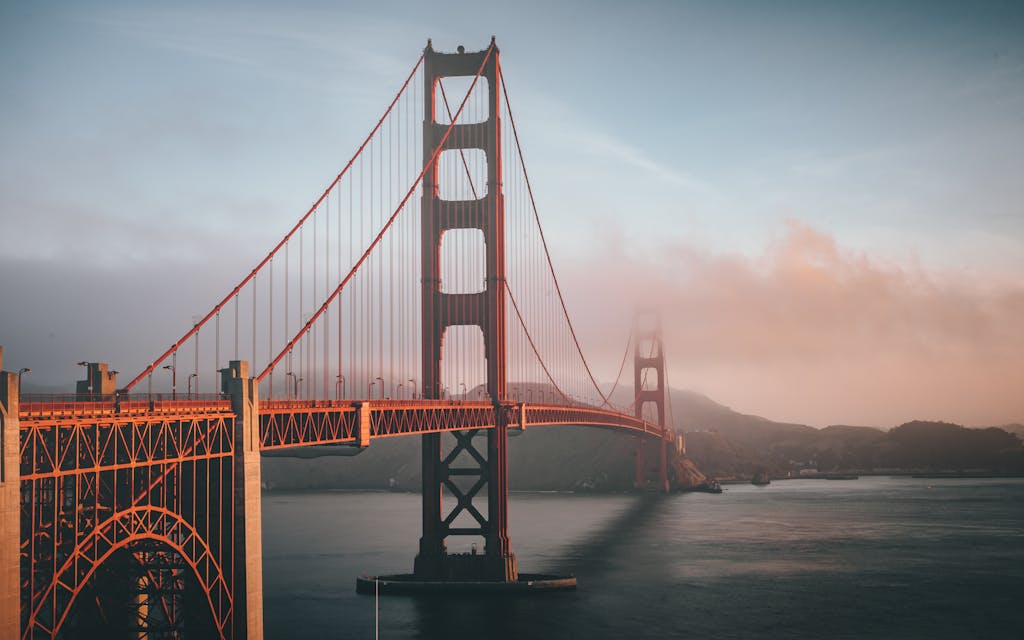
Around San Francisco Bay, the drama shifts to wind and tide. Summer westerlies are athletic, visibility can pivot with fog, and the Golden Gate’s standing waves keep helms honest. It is a world‑class training ground: short hops between secure marinas, iconic vistas, and precise pilotage that upgrades your skills.
Further south of Point Conception and along Monterey Bay you will find rich wildlife—otters, humpback whales, dolphins—and quieter towns that punctuate the coast. With sensible weather windows, these waters reward a measured approach and offer deep satisfaction to skippers who enjoy planning as much as passage‑making.
Itineraries
Below are sample itineraries that showcase California’s distinct sailing regions—sheltered bay hops, open‑water channel crossings and wildlife‑rich coasts. Adjust legs to suit the forecast, crew energy and daylight, and treat each plan as a framework rather than a schedule.
7 days: Southern California and the Channel Islands (from Marina del Rey)
A 7-day route. Adjust legs to forecast, moorings and crew preferences.
Day 1 — Marina del Rey to Two Harbors (Catalina)
A settled‑weather Channel crossing of roughly 35–40 NM. Leave early to avoid the afternoon chop in the Catalina Channel and to make a clean lane crossing in good light. Monitor commercial traffic on AIS, keep a positive lookout for kelp paddies, and call the Harbour Patrol on approach. Pick up a mooring in Isthmus (Two Harbors) and walk the isthmus before sunset.
Day 2 — Explore Catalina’s North‑West Coves
Short relocations let you savour the island. Snorkel at Emerald Bay, kayak along the kelp line and hike the ridge trails for big‑sky views. Return to Isthmus for services, or take a mooring in Cat Harbor if westerlies pipe up—its south‑facing bowl is a reliable refuge in afternoon breeze.
Day 3 — Two Harbors to Avalon
Slide down‑island along Catalina’s lee, typically flatter in the morning. Secure a mooring by radio or on arrival; the harbour team will often assist with the pickup. Enjoy the Wrigley Memorial, the historic Casino building and sheltered swimming off the beach. Shore boat services make going ashore simple.
Day 4 — Avalon to Little Harbor (weather‑permitting)
A short hop to a wilder south‑coast cove. Little Harbor is scenic but can be exposed to southerly swell; stand off if conditions look rolly and consider a day stop if the swell builds. On calm days, it’s a superb spot for a beach fire ring and stargazing.
Day 5 — Catalina to Santa Cruz Island (Scorpion or Smugglers)
Cross to the northern Channel Islands, watching for wildlife and pot lines near the mainland shelf. Choose anchorage by wind direction: Scorpion works in light westerlies; Smugglers offers a broad, easy approach in fair conditions. Anchor with a longer scope and consider a kelp‑friendly technique to reduce fouling.
Day 6 — Santa Cruz Island to Santa Barbara
Start early for flatter water across the Santa Barbara Channel before the afternoon breeze builds. Make for Santa Barbara Harbor to refuel, reprovision and stretch legs on the waterfront. Advance berth enquiries help on busy weekends.
Day 7 — Santa Barbara to Channel Islands Harbor (Oxnard) or return south
Slide down the coast with the afternoon sea breeze, keeping an eye out for lobster pot fields nearshore. Finish in Oxnard for easy road links, or continue an extra day down the coast to Marina del Rey if time allows. Allow daylight for approaches and tidy down for hand‑back.
3 days: San Francisco Bay classics (tides, views and short hops)
A 3-day route. Adjust legs to forecast, moorings and crew preferences.
Day 1 — Sausalito and the Bridge
Depart from Sausalito or San Francisco and work the tide to make a controlled run towards the Golden Gate. Turn back inside the bridge unless the bar and wind state are inviting, then enjoy a fast return on the flood. Berth overnight in Sausalito’s sheltered marinas and sample the waterfront eateries.
Day 2 — Angel Island and Clipper Cove
Pick up a mooring at Ayala Cove on Angel Island for lunch and a hillside walk with sweeping Bay views. Continue to Clipper Cove for a well‑sheltered night on the hook, minding depths, swing room and any event restrictions. It’s a calm anchorage with city views and a gentle night breeze.
Day 3 — Oakland Estuary loop and cityfront
Sail the cityfront if wind allows—reef early if the Slot is lively—then cruise the Oakland Estuary. Observe no‑wake zones and bridge clearances before nipping into Jack London Square for a guest berth and coffee. Return to base with the tide in your favour.
5 days: Monterey Bay wildlife hop (from Santa Cruz)
A 5-day route. Adjust legs to forecast, moorings and crew preferences.
Day 1 — Santa Cruz shakedown
Settle in with a local sail past the Wharf and the arches of Natural Bridges. Shake out systems, check the engine room and practise mooring lines. Overnight in Santa Cruz Harbor with an easy stroll to the boardwalk.
Day 2 — Santa Cruz to Capitola moorings
A short relocation to Capitola’s colourful beachfront. Pick up a visitor mooring and use the shore boat service for dinner in town. Watch swell forecasts carefully; in onshore swell, moorings can be lively and landing more challenging.
Day 3 — Capitola to Monterey
Make a longer bay crossing with frequent marine life sightings—keep a safe distance from whales and maintain a steady course. Berth at Monterey Harbor and visit the famed aquarium. The town is compact and provisioning is straightforward within walking distance.
Day 4 — Monterey to Moss Landing (Elkhorn Slough)
Time your entrance near slack for the Moss Landing bar and currents. Secure a berth, then explore Elkhorn Slough by dinghy or kayak; sea otters and harbour seals are common. The evening can bring a land breeze and a quiet night’s sleep.
Day 5 — Moss Landing to Santa Cruz
Return on the morning land breeze for a calmer sea state. Keep an eye out for dolphin pods and feeding seabirds that mark bait balls. Celebrate with chowder on the Wharf and a gentle debrief back at the dock.
When to go
Southern California is reliably sailable year‑round. The prime window is May to October when afternoon sea breezes set in at 10–20 knots and rain is rare. Winter brings clearer air, occasional Santa Ana offshore winds and some rain events; island anchorages can be superbly quiet between fronts.
San Francisco Bay is liveliest in late spring and summer, driven by a strong thermal gradient; expect 15–30‑knot afternoon westerlies and chilly fog. September to October offers the most forgiving mix—warmer air, fewer whitecaps, less fog—ideal for newer crews. Winter fronts (November to March) deliver rain and southerly winds; marina hopping remains practical.
For the open central coast (Point Conception to Monterey), late summer into early autumn provides the most settled periods. If rounding Point Conception, aim for pre‑dawn or early morning windows and stand off in strong northwest patterns. Always match plans to marine forecasts and swell height.
Bottom line: pick summer and early autumn for easy island cruising and wildlife‑rich bay sails; choose shoulder‑season windows for quieter anchorages and gentler Bay thermals; and keep central‑coast passages flexible with conservative departure times.
Wind and weather
California’s wind engine is a mix of dependable sea breezes, local acceleration zones and seasonal outliers. Understanding the daily rhythm and how it couples with tide and swell will make your passages smoother and your anchorages calmer.
Southern California
Summer days start gently, then build a westerly to north‑westerly 10–20 knots after midday. The Catalina and Santa Barbara Channels can chop up in the afternoon as breeze opposes current, while mornings often offer flat water for crossings. Late spring and early summer bring morning low cloud and fog (“June Gloom”), which usually clears by lunchtime.
Tactics
Plan channel crossings early, keep sail plans conservative for the return leg, and pick anchorages with protection from the prevailing swell direction. In autumn and winter, Santa Ana winds—strong, dry easterlies—can expose lee anchorages on the islands; always verify the gradient before committing to a cove open to the east.
Point Conception and the Western Santa Barbara Channel
This headland earns its reputation. Northwest winds accelerate around the point, and steep wind waves stack against prevailing swell, especially on strong gradient days. Swell can refract into otherwise protected bights.
Tactics
Favour very early starts, reef on the dock, and avoid rounding during small‑craft advisories. Keep clear of lee‑shore hazards and allow wide margins around the point to avoid the roughest water.
San Francisco Bay and approaches
Summer westerlies funnel through the Golden Gate, often 20–30 knots in the afternoon with a pronounced “Slot” of strongest wind west of Alcatraz. Tidal streams of 2–4 knots are routine, higher on springs; wind‑against‑tide produces short, square seas and lively spray. Fog frequently forms near the Gate mornings and evenings, thinning inland.
Tactics
Time passages with the tide, reef early and use headland wind shadows to rest the crew. Carry a working foghorn and keep a sharp watch in reduced visibility; AIS and radar add useful layers but do not replace good lookout.
Monterey Bay and the Central Coast
Expect 10–20‑knot afternoon sea breezes with upwelling‑cooled water and a persistent northwest swell. Harbours are tenable, but open roadsteads such as Carmel and Stillwater are rolly except in calm spells. Winter storms swing winds southerly and build swell, favouring harbour‑to‑harbour daysails.
Sea temperatures and clothing
Sea temperatures range from 11–14 °C in the north to 15–20 °C in the south. Dress for spray and wind chill even on sunny days—layers, a windproof shell and light gloves go a long way to keeping morale high.
Getting there
Access is straightforward. For Southern California bases use Los Angeles International (LAX) for Marina del Rey and Long Beach/LA South Bay, Long Beach (LGB) and Orange County/John Wayne (SNA) for Long Beach and Newport Beach, and San Diego (SAN) for San Diego Bay. Santa Barbara (SBA) is convenient for Channel Islands starts at Santa Barbara, Ventura or Oxnard.
For San Francisco Bay, fly into San Francisco (SFO), Oakland (OAK) or San Jose (SJC). Sausalito, San Francisco city marinas, Alameda and Oakland are 20–60 minutes by road depending on traffic. Rideshare and shuttle options are plentiful; parking is secure but can be expensive near cityfront marinas.
Provisioning is easy near all major marinas, with supermarkets and chandleries in places such as Sausalito, Alameda, Long Beach and Marina del Rey. Fuel docks are frequent in urban harbours; less so on the islands, where you must be self‑sufficient. If arriving late, consider arranging a click‑and‑collect grocery order and a morning fuel stop before casting off.
Chartering
California has multiple charter hubs with a healthy mix of bareboat and skippered options. Inventory leans towards capable, well‑spec’d monohulls, with catamarans increasingly available in the south.
- Southern California: Marina del Rey, Long Beach, Newport Beach and San Diego offer the broadest fleets. Expect 32–45‑foot monohulls and a growing number of 38–45‑foot catamarans. The Catalina and Channel Islands circuits are the standard week‑long brief.
- San Francisco Bay: Sausalito, Alameda and Oakland host robust school‑charter outfits. Inventory skews to well‑equipped monohulls 30–45 feet, optimised for Bay wind and tide.
Booking norms mirror other US destinations: a sailing résumé and an on‑the‑dock checkout are typical; skippers can be arranged for part or all of a trip. Summer weekends, holiday periods and Two Harbors/Avalon moorings are in high demand—reserve early where possible. Budget additionally for Catalina moorings, park or landing fees (for example, Angel Island), and insurance security deposits.
There is no state‑mandated sailing licence for bareboat charters. Most companies will accept a solid résumé with coastal experience and prefer or recommend ASA 104 (Bareboat Cruising) or RYA Day Skipper/ICC as evidence of competence. San Francisco Bay operators may require a checkout sail or a local skipper for your first day if experience is marginal. Ask about damage‑waiver options, minimum experience for night sailing, and whether your booking includes dinghy/outboard, linens and offshore safety kit.
Licences and formalities
Chartering and competency
California does not require a formal sailing licence for recreational vessels. Charter companies set their own competency standards; ASA 104 or RYA Day Skipper/ICC is commonly accepted as proof alongside experience. A brief practical checkout is routine and may include manoeuvres under sail, docking and systems orientation.
California Boater Card
California is phasing universal boater education for motorised vessel operators. Visitors should check current rules before arrival; short‑term non‑residents with recognised cards may be exempt. Charter firms will advise on any practical requirements relevant to your booking.
Customs and entry (foreign yachts)
If arriving from abroad, you must report to US Customs and Border Protection at first landfall. The CBP ROAM app streamlines reporting. Carry vessel documents, passports and cruising plans. A US cruising licence may be available for eligible foreign‑flagged yachts, removing the need for formal entry at each port.
Radio and safety
A fixed VHF is essential; in US waters, recreational vessels do not generally require a radio licence for domestic use. Monitor VHF 16 and the local working channels posted by harbours. Ensure US‑compliant flares and PFDs are in date, and review local Notice to Mariners and marine weather broadcasts before departure.
Environmental rules
San Francisco Bay and many harbours are No‑Discharge Zones—use pump‑out facilities and never discharge sewage within 3 NM of shore or in designated NDZs. Respect eelgrass protection areas and local anchoring ordinances. California has extensive Marine Protected Areas; fishing requires a state licence and adherence to seasonal closures.
Anchorages and marinas
Southern California
Facilities are excellent along the mainland with plentiful guest berths, fuel and repair services. Out at the Channel Islands you trade marinas for memorable, aspect‑dependent anchorages—arrive self‑sufficient and choose coves for the day’s wind and swell.
- Catalina Island: Avalon and Two Harbors operate large mooring fields with shore services. Outside these, coves along the north and west coasts (Emerald, Fourth of July, Cherry) offer moorings or anchoring with good behaviour in fair weather. South‑coast coves (Little Harbor) are scenic but exposed to swell. Reserve where allowed and contact Harbour Patrol on approach.
- Mainland harbours: Marina del Rey, Long Beach/Alamitos, Newport Beach, Dana Point and San Diego provide extensive guest slips, fuel and repair. Santa Barbara, Ventura and Channel Islands Harbor (Oxnard) are the springboards to the northern Channel Islands.
- Channel Islands National Park: Santa Cruz and Anacapa offer multiple fair‑weather anchorages—Scorpion, Smugglers, Prisoners, Pelican—chosen to suit wind direction and swell. Santa Rosa has fewer options and stronger winds; San Miguel is for settled windows and experienced crews. There are no marinas or fuel on the islands; come self‑contained.
Plan your island nights with a conservative eye on swell height and direction. Kelp can offer extra holding and also foul ground tackle—rig a trip line if needed and recover slowly.
San Francisco Bay and approaches
The Bay’s marina network is dense, visitor‑friendly and close to public transport. A handful of well‑sheltered anchorages let you swing peacefully within sight of the skyline when conditions suit.
- Marinas: Sausalito, San Francisco cityfront (South Beach, Pier 39), Berkeley, Emeryville, Richmond, Alameda and the Oakland Estuary all welcome visitors. Facilities are comprehensive, and public transport is nearby in most.
- Anchorages and moorings: Ayala Cove (Angel Island) has well‑run moorings (fees apply). Clipper Cove (between Treasure Island and Yerba Buena) is well‑sheltered—mind depths and any event restrictions. Aquatic Park requires a permit. Richardson Bay anchoring is tightly regulated; check current rules.
- Outside the Gate: Half Moon Bay (Pillar Point) is the primary first stop southbound with all‑weather protection. Northbound, Bodega Bay is the usual landfall; Tomales Bay and the outer anchorages (Drake’s Bay) are exposed and demand settled weather and swell awareness.
Always factor tide and wind in your approach plans. Wind‑against‑tide can turn the cityfront short and lumpy—reef early and pick leeward tracks behind headlands where possible.
Monterey Bay and Central Coast
Harbours are safe, welcoming and practical bases for day sails and wildlife watching. Open roadsteads can be magical in rare calms but are often rolly with the north‑west swell.
- Harbours: Santa Cruz, Moss Landing and Monterey all have guest berthing and fuel. Capitola operates seasonal visitor moorings.
- Open roadsteads: Carmel Bay and Stillwater Cove can be beautiful in calm periods but are usually rolly. Choose conservative windows and keep escape options open.
Local sea breezes build in the afternoon; plan moves in the morning for the flattest water and best visibility for spotting whales and otters.
General harbour practice
- Arrive early to secure berths or moorings, especially Fridays and Saturdays.
- Confirm depths against your draught, watch for kelp beds when anchoring, and rig robust chafe protection.
- Many harbours monitor VHF 16 plus a working channel—check local notes before approach and have fenders and lines ready on both sides.
A tidy approach, clear radio calls and prepared crew make arrivals smoother and quicker—small habits that pay back in the busiest marinas.
FAQs
Is California suitable for a first bareboat charter?
Yes—if you match the area to your experience. Southern California offers forgiving conditions and plentiful harbours. San Francisco Bay is excellent for skilled crews comfortable with 20+ knot winds and strong tides. Choose itineraries with short legs while you learn the rhythms.
When is the calmest time to sail San Francisco Bay?
September and October typically bring warmer temperatures, fewer whitecaps and less fog, while still offering usable wind. Winter can be calmer between fronts but is wetter and less predictable.
Do I need a formal licence to charter a sailboat in California?
There is no state‑mandated sailing licence for recreational bareboat charters. Companies will expect a strong résumé and may prefer ASA 104 or RYA Day Skipper/ICC. A checkout sail is common; some Bay‑area operators may require a local skipper if experience is limited.
How difficult is the Catalina crossing?
In settled summer weather it is a straightforward 25–40 NM passage from the LA/Orange County coast. Leave early to avoid afternoon chop, monitor the shipping lanes, and select a mooring or anchorage suited to the wind and swell.
What are the biggest hazards on the central coast?
Point Conception’s accelerated winds and steep seas, persistent northwest swell affecting open anchorages, and limited all‑weather harbours. Plan conservative legs, depart early, and always hold a bolt‑hole option.
Can I anchor anywhere around the Channel Islands?
No. Anchorages are limited and aspect‑dependent; some areas are protected or unsuitable in certain winds. There are no services—bring water, fuel and spares—and check National Park guidance before departure.
Are there pump‑out facilities in marinas?
Yes. Major marinas across California offer pump‑outs, and San Francisco Bay is a designated No‑Discharge Zone. Never discharge sewage in NDZs or within 3 NM of shore.
How cold is the water?
Expect 11–14°C around San Francisco and Monterey, warming to 15–20°C in Southern California. Even in warm air, spray and wind chill can be significant—pack layers and foul‑weather gear.
References
- https://www.cruiserswiki.org/wiki/California
- https://www.nps.gov/chis/planyourvisit/boating.htm
- https://www.weather.gov/marine/
- https://www.boatus.org/states/california/
- https://dbw.parks.ca.gov/?page_id=28731
- https://www.epa.gov/vessels-marinas-and-ports/no-discharge-zones-ndzs-vessel-sewage
- https://www.uscg.mil/Mariners/Navigational-Information/
- https://www.sfgate.com/local/article/san-francisco-bay-winds-summer-17343628.php
- https://www.portofmonterey.org/visitor-information
- https://www.santabarbaraca.gov/gov/depts/waterfront/default.asp
- https://www.catalinaexpress.com/plan-your-trip/harbors-moorings
- https://www.twoharbors.com/plan/moorings/
- https://www.samafrancisco.com/marinas/
- https://www.noaa.gov/education/resource-collections/ocean-coasts/ocean-currents
- https://ww2.kqed.org/quest/2013/07/09/why-the-wind-blows-so-hard-on-san-francisco-bay/
Charter a Yacht
Compare crewed & bareboat charters, learn the best months to sail, and get a custom shortlist from 500+ providers.