
Sailing the USA: routes, winds and practicalities
From fog-wreathed Maine to sunlit Catalina and the emerald maze of the San Juans, the USA offers a patchwork of world-class cruising grounds stitched together by dependable wind regimes and exemplary shoreside support. You can pick line-of-sight island hopping, vigorous coastal passages, or wilderness exploration, then add marinas, mooring fields and anchorages to suit your crew and season. This guide sets out the key areas, when to go, how the weather really behaves, and where you’ll find the most rewarding harbours. It also demystifies chartering in the States, including the straightforward certification expectations, and outlines formalities for visiting yachts. Read on to compare itineraries from New England, the Chesapeake, Florida and the Pacific Northwest, with clear pointers on winds, climate and access so you can choose the right USA sailing chapter for you.
Quick links
- Why sail in the USA?
- Itineraries
- When to go
- Wind and weather
- Getting there
- Chartering
- Licences and formalities
- Anchorages and marinas
- FAQs
- References
Why sail in the USA?
The USA is unusual in offering several distinct sailing ‘micro-worlds’ within one country. Each has its own rhythm of wind and weather, its own seamanship challenges, and its own cultural character once you tie up. That means you can return year after year and still be exploring somewhere new, while relying on familiar standards of charting, aids to navigation and marina infrastructure.
For new skippers, the Chesapeake, the San Juan Islands and Biscayne Bay provide forgiving, line-of-sight cruising with abundant shelter and services. For experienced crews, the tide gates and currents of the Pacific Northwest, the brisk afternoon ‘Bay breeze’ under the Golden Gate, or a shoulder-season New England circuit will keep hands and minds engaged. If winter warmth calls, Florida and the Keys deliver clear water reef sailing and simple logistics, while summer unlocks the Great Lakes’ huge inland sea and New England’s granite-lined coves.
Overlaying this variety is a mature boating ecosystem: accurate NOAA charts and forecasts, pump-out and fuel networks, well-managed mooring systems and widespread availability of spares. Booking berths digitally, picking up a park mooring, or clearing customs via an app is all part of the modern US cruising experience.
Sample Itineraries
Below are curated, tried-and-tested routes that balance daily distances with time ashore. Use them as a framework, flexing for weather windows, tides and your crew’s pace. Each includes a simple route map to help you visualise the flow of the week.
New England Islands Sampler (7 days, Newport loop)
A 7-day route. Adjust legs to forecast, moorings and crew preferences.
Day 1: Newport shake-down
Join in Newport, settle the boat and run a shakedown in Narragansett Bay. Explore historic wharves and line up tide gates for tomorrow. Use the afternoon to test reefing, anchors and electronics; practise close-quarters handling around the town mooring fields and provision from Thames Street markets.
Day 2: Newport to Block Island
A classic 20–25 nm coastal hop to the Great Salt Pond. Time your departure to avoid the strongest adverse current off Point Judith. Approach on the buoyed channel, pick up a town mooring or anchor in settled weather, then stroll sandy dunes at sunset or cycle to the bluffs.
Day 3: Block Island to Vineyard Haven
Lay a course across Vineyard Sound, timing the fair tide through the Sounds and keeping a weather eye on ferries. Plan 25–30 nm depending on track. Secure in Vineyard Haven with shore access and services, and enjoy an easy dinghy run to the beachfront for dinner.
Day 4: Vineyard Haven to Nantucket
A morning run of around 20–25 nm to Nantucket Town. Expect tighter berthing and vibrant cobbled streets once alongside. Favour the marked channels across Nantucket Sound and call the harbormaster early for a mooring assignment in season.
Day 5: Nantucket to Edgartown
Short, scenic passage back to Martha’s Vineyard. Pick up a town mooring in Edgartown and enjoy picture-book New England ashore. The current can ripple in the outer harbour; rig a bridle and use launch services to keep the tender dry if it’s choppy.
Day 6: Edgartown to Cuttyhunk
Work the tides in Vineyard and Buzzards Bay. Aim for an earlier start to stay ahead of the Buzzards Bay afternoon sea breeze. Enjoy a quiet evening in Cuttyhunk’s sheltered pond, fresh lobster from the dock and a sky brimming with stars.
Day 7: Cuttyhunk to Newport
Return to Newport with an eye on Buzzards Bay breezes and Rhode Island Sound swell. It’s a relaxed final leg; leave time for a celebratory sail-past of Fort Adams before hand-back.
Chesapeake Bay Classics (7 days, Annapolis loop)
A 7-day route. Adjust legs to forecast, moorings and crew preferences.
Day 1: Annapolis
Provision and explore the US Naval Academy town. Spa Creek and Back Creek offer simple berthing and moorings. Use the day to brief the crew, check ground tackle for soft mud, and review thunderstorm protocols common in summer.
Day 2: Annapolis to St Michaels
Easy day across the Bay to St Michaels on the Miles River. The Chesapeake Bay Maritime Museum and waterside eateries await. Keep a lookout for crab pots and give afternoon sea breezes space by arriving early.
Day 3: St Michaels to Oxford
Short hop to Oxford’s classic brick streets and yacht-friendly waterfront. Settle into a quiet marina or anchor in Town Creek and enjoy a shoreside walk or ice cream on the strand.
Day 4: Oxford to Solomons
A longer leg down the Bay to Solomons Island, a sheltered hub with fuel, haul-out and good dining. Watch for commercial traffic near the Patuxent River; the creeks offer excellent hurricane-hole protection if weather builds.
Day 5: Solomons to Herrington Harbour South
Reach north to a well-equipped marina base with pools, chandleries and service yards. This is a good point to top up fuel and water and address any niggles before the final days.
Day 6: Herrington Harbour to Baltimore
Continue up the Bay and the Patapsco River to Baltimore’s Inner Harbor. It’s an urban waterfront with museums and markets; plan arrival to dodge the strongest afternoon sea breeze and give yourself time for an aquarium visit.
Day 7: Baltimore to Annapolis
A relaxed return with time for a last swim at anchor if the breeze allows. Keep a listening watch on VHF for summer thunderstorm advisories and aim to be secure by mid-afternoon.
Biscayne and the Upper Keys (6 days, Miami loop)
A 6-day route. Adjust legs to forecast, moorings and crew preferences.
Day 1: Miami (Coconut Grove)
Embark in Coconut Grove and enjoy an afternoon sail across Biscayne Bay’s flat water. Practise channel entries on the ICW side and review sanctuary rules for the Keys before heading south.
Day 2: No Name Harbor, Key Biscayne
Short sail to a snug, mangrove-lined basin with a fort and walking trails. It’s a favourite ‘jumping-off’ pool; arrive early to find room and enjoy a sunset walk to the lighthouse.
Day 3: Elliott Key
Slip down the ICW side or outside reef (conditions permitting). Mooring buoys protect the coral; enjoy snorkelling on a calm day and keep a sharp lookout for shallows and seagrass beds.
Day 4: Rodriguez Key (Key Largo)
A longer reach down Hawk Channel to a popular staging anchorage with good holding in settled easterlies. It’s open to the west; choose weather windows and set a reliable anchor alarm overnight.
Day 5: Islamorada
Hop along Hawk Channel to Islamorada for fishing vibes and sunset dining. Mind the shallows on approach and confirm marina depths if arriving near low water on spring tides.
Day 6: Return to Miami
Work back with an early start to catch fair winds across Biscayne Bay for an afternoon hand-back. If a front is due, consider the ICW route for a more sheltered return.
San Juan Islands Essentials (6 days, Anacortes loop)
A 6-day route. Adjust legs to forecast, moorings and crew preferences.
Day 1: Anacortes
Provision at Cap Sante, review currents and practise local mooring techniques. Build a simple current plan using NOAA station data and park mooring etiquette for the week ahead.
Day 2: Spencer Spit (Lopez Island)
Time your departure on a favourable current through channels. Pick up a Washington State Parks mooring buoy and explore the sandy spit by foot or kayak as the sun dips.
Day 3: Friday Harbor (San Juan Island)
Short, scenic run to the archipelago’s social hub with full services and ferries bustling by. It’s a good stop for ice, laundry and whale-watching excursions if conditions permit.
Day 4: Roche Harbor
Nip around San Juan’s north end. The resort marina, customs dock (for international arrivals) and evening colours ceremony add theatre; book ahead in peak season.
Day 5: Sucia Island (Echo Bay)
Island-hopping at its best. Deep-cut coves and sandstone formations invite exploration; choose a buoy or anchorage, minding kelp beds and swing room in gusty northerlies.
Day 6: Deer Harbor and back to Anacortes
Stop for lunch at Deer Harbor before riding the afternoon current home to Anacortes. Keep clear of tide rips in constricted channels and maintain a vigilant log-and-debris watch.
Catalina Long‑Weekend (5 days, Long Beach loop)
A 5-day route. Adjust legs to forecast, moorings and crew preferences.
Day 1: Long Beach embarkation
Join the boat, fuel and brief. Take a short bay sail to check systems and rig, then book a Catalina mooring for the coming days via the harbour apps or by radio on approach.
Day 2: Long Beach to Two Harbors
Cross the Catalina Channel in morning calm; pick up an Isthmus mooring with shore boat assistance. Catalina uses fore-and-aft moorings—follow the instructions to secure the bow and pick up the stern line.
Day 3: Two Harbors to Avalon
Short coastal run along Catalina’s NE shore. Book a mooring ahead in high season, enjoy a swim at Descanso Bay, and wander Avalon’s boardwalk at golden hour.
Day 4: Avalon to Dana Point
Return to the mainland with a comfortable landfall and easy marina access for fuel and dinner. Give shipping lanes off LA/Long Beach a wide berth and cross at right angles.
Day 5: Dana Point to Long Beach
Coast hop back north, watching for afternoon NW sea breezes and traffic separation schemes. Arrive with time to debrief and refuel before hand-over.
When to go
Seasonality by region
New England (Maine to Cape Cod)
Late May to September is prime, with July–August warmest and busiest. September often brings settled weather, clearer air and fewer crowds. Expect cool nights early/late season, occasional fog in June–July and frontal systems in spring and autumn.
Mid‑Atlantic and Chesapeake Bay
Best in spring (April–June) and autumn (September–October). Summer offers warm water and gentle breezes but can be hot and thundery. Winter fronts deliver sharp, chilly north-westerlies.
Southeast, Florida and the Keys
Peak season runs November to May with dry, pleasant conditions and regular easterly trades. June–October is hot, humid and thundery with hurricane risk highest August–October.
Gulf Coast (Florida Panhandle to Texas)
Enjoyable spring and late autumn windows. Summer brings heat and frequent thunderstorms; tropical systems can affect any part of the Gulf during the hurricane season.
Great Lakes
Short but superb: June to early September, with July–August warmest. Shoulder seasons can see strong gales and cold water persists into early summer on Superior and Michigan.
West Coast (California)
Southern California is broadly year‑round; May–October offers the most reliable afternoon NW sea breezes and minimal rain. Winter features passing Pacific lows and occasional Santa Ana offshore winds. North of Point Conception, summer is typically safest for coastal hops.
Pacific Northwest (Puget Sound and San Juans)
May–September, with July–August driest and most settled. Shoulder months have more frontal rain and fresher southerlies. Strong tidal streams require planning year‑round.
Alaska (Inside Passage)
Short season from late May to August. Expect cooler temperatures, rain, large tides and powerful currents. Wildlife viewing is exceptional but permits are needed for some national parks.
Hawaii
Year‑round sailing, with April–October favoured for consistent NE trades. Winter brings larger north swells, more rain in windward anchorages, and occasional Kona (southerly) lows.
Shoulder months can be rewarding across many regions if you are flexible: you’ll find better berth availability and quieter harbours, with the trade‑off of livelier frontal passages or cooler nights. Wherever you choose, build contingency days into your plan during hurricane season and the spring and autumn transition periods.
Wind and weather
Big‑picture patterns
The USA spans several wind regimes: Atlantic westerlies and sea breezes in the Northeast; summertime southerlies and sea breezes in the Mid‑Atlantic; tradewind influence in Florida and Hawaii; the North Pacific High driving NW winds along California; and tide‑shaped local flows in the Pacific Northwest and Alaska. Tropical cyclones are a core planning factor from Texas to New England during June–November, peaking August–October.
Regional detail
New England
Summer brings sea‑breeze cycles (10–18 knots SW in afternoons) with lighter mornings. Cold fronts flip winds NW then gradually back to SW. Fog can be significant in June–July, particularly off Cape Cod and Maine. Tides range from 2–4 ft in southern New England to over 10 ft in parts of Maine; plan for steep chop when ebb opposes sea breeze.
Chesapeake Bay
Prevailing summer pattern is light morning winds building to S–SE sea breezes 10–15 knots; evening thunderstorms are common. Spring and autumn see more frequent frontal passages and crisper NW winds. Tidal range is modest (around 1–2 ft) but local currents set strongly at river mouths.
Florida and the Keys
Winter and spring feature mainly E–SE trades 10–20 knots with occasional cool fronts veering winds N–NE and increasing briefly. Summer is hot with gentle easterlies, sea breezes and daily convective squalls; keep a strict eye on thunderstorm nowcasts. The Gulf Stream flows north at 2–4 knots close to the Atlantic coast—treat inlets with respect when ebb runs against onshore swell.
Gulf Coast
Expect diurnal sea breezes and frequent summer thunderstorms. Frontal northerlies occur in winter. Tropical systems can drive rapid weather changes; maintain conservative routing and escape plans.
Great Lakes
Prevailing westerlies can pipe up quickly, producing short, steep seas due to limited fetch. Squall lines in summer demand vigilant radar and forecast monitoring. Fog is possible, especially on Superior, where water remains cold into midsummer.
California
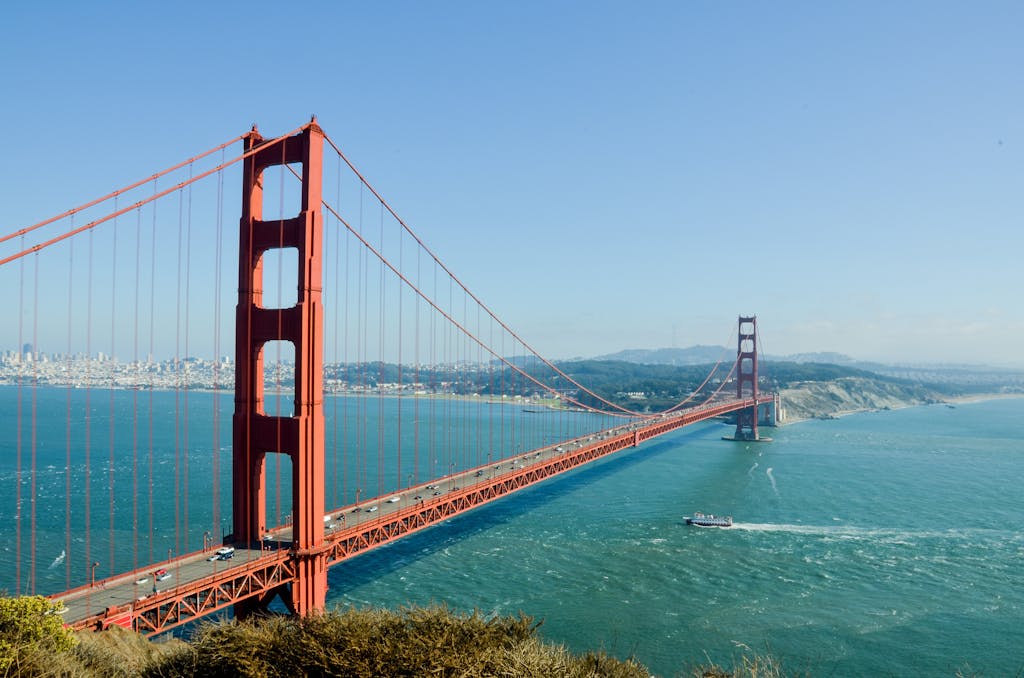
The North Pacific High sets up reliable afternoon NW winds (15–25 knots) in summer, particularly between Point Conception and San Francisco. San Francisco Bay channels accelerate the ‘Bay breeze’ to 20–30 knots most afternoons—reef early. Winter brings occasional lows with S–SE winds and rain; Santa Ana events can produce strong, dry offshore NE winds in Southern California.
Pacific Northwest and Alaska
Summers favour NW–W winds under high pressure; winters bring more frequent S–SE blows with passing lows. Tidal ranges are significant (6–10+ ft), with currents of 2–6 knots routine in Puget Sound and 6–8+ knots in constricted passes and Alaskan narrows. Fog appears in early summer; careful current planning is essential.
Practical forecasting
Use NOAA marine forecasts and local nowcasts, plus high‑resolution models for sea‑breeze timing. In tidal waters, pair wind with stream atlases and station data. In hurricane season, track the National Hurricane Center and adopt conservative thresholds for go/no‑go decisions. Keep a listening watch on VHF weather channels, and combine multiple sources—official forecasts, local harbour notices and radar or satellite imagery—to form a clear picture. Build conservative margins when wind runs against current, especially in inlets and sounds.
Getting there
The USA’s major cruising hubs sit close to international airports and fast road links, making embarkation straightforward. Many bases offer luggage storage for early arrivals and late departures, and rideshare services are ubiquitous.
International gateways
| Area | Major airports (codes) | Typical yacht bases |
|---|---|---|
| Northeast | Boston (BOS), New York (JFK/EWR/LGA), Providence (PVD) | Newport, Cape Cod, southern New England |
| Mid‑Atlantic | Washington DC (IAD/DCA/BWI) | Annapolis and the Chesapeake |
| Southeast & Florida | Miami (MIA), Fort Lauderdale (FLL), Orlando (MCO), Tampa (TPA), Key West (EYW) | Miami/Coconut Grove, Biscayne Bay, Keys, Tampa Bay |
| Gulf Coast | New Orleans (MSY), Pensacola (PNS), Houston (IAH/HOU) | Panhandle, Mobile Bay, Galveston |
| West Coast | San Diego (SAN), Los Angeles (LAX), Long Beach (LGB), San Francisco (SFO), Oakland (OAK), Seattle (SEA) | San Diego, Long Beach, San Francisco Bay, Puget Sound |
| Alaska & Hawaii | Anchorage (ANC), Juneau (JNU), Honolulu (HNL), Kona (KOA) | Inside Passage hubs; Oahu and Big Island marinas |
Local transfers
Most charter bases sit close to major airports with motorway links. Rideshare, marina shuttles and one‑way car rentals are common. For the San Juans, Anacortes is reached by road from Seattle; for Catalina, departures are typically from Long Beach, San Pedro or Dana Point marinas. If arriving late, consider a nearby hotel and request next‑morning boarding to allow for thorough checkouts in daylight.
Chartering
Where charters are concentrated
Bareboat and crewed fleets cluster around Annapolis (Chesapeake), Newport (seasonal), Miami/Fort Lauderdale and the Keys, St Petersburg/Tampa Bay, the San Juan Islands (Anacortes/Bellingham) and Southern California (Long Beach/San Diego). Smaller programmes exist on the Great Lakes and San Francisco Bay, often with weekend‑friendly schedules geared to local conditions.
Boat types and booking rhythm
You will find modern monohulls and catamarans in the Chesapeake, Florida and the Pacific Northwest, while Southern California leans more to monohulls and mooring‑centred cruising. High season in New England (Jul–Aug) and Florida (Dec–Apr) books early—secure your dates six to twelve months ahead for the best choice. One‑way relocations sometimes appear in spring and autumn along the East Coast as fleets migrate with the seasons.
Onboarding and support
US bases offer thorough briefings, local pilotage notes, and often a familiarisation sail. Digital berth booking via marina apps is common. Spares, sailmakers and mechanics are widely available in major hubs like Newport, Annapolis, Miami, Seattle and San Diego. Expect security deposits, optional damage waivers and, in some regions, separate fees for moorings or park permits.
What certification is expected
There is no federal legal licence requirement to skipper a recreational sailboat domestically. Charter companies assess competence from your sailing CV and a short checkout; recognised certificates such as ASA 104 (Bareboat Cruising) or US Sailing Bareboat Cruising are widely accepted and speed approvals. An ICC is not required for US waters. Powerboat charters may require state boater‑education cards for operators below certain ages (for example, Florida’s rule for those born on or after 1 Jan 1988 when operating 10 hp+). If you plan to cruise to the Bahamas or beyond, additional radio licensing and documentation may be required.
Licences and formalities
Skipper competency and radio
- Competency: No universal federal licence for recreational skippers. Charter firms typically expect experience equivalent to ASA 104/US Sailing Bareboat competencies.
- VHF: No ship or operator licence is required for domestic VHF use on a recreational vessel staying in US waters. If you will leave US waters (for example, to the Bahamas) or carry certain equipment, obtain an FCC Ship Station Licence and, where applicable, a Restricted Radiotelephone Operator Permit.
Safety and environmental rules
- USCG carriage: Lifejackets, sound signalling devices, visual distress signals, navigation lights and fire extinguishers as specified for your vessel length and area. Many states require all children under a set age to wear PFDs underway.
- Discharge: No‑Discharge Zones are widespread for sewage; California coastal waters are NDZ for vessel sewage. Use holding tanks and pump‑out stations. Observe marine sanctuary rules (for example, Florida Keys National Marine Sanctuary moorings) and seasonal wildlife speed zones (for example, manatee areas in Florida, right whale zones in New England).
Customs and immigration for foreign yachts
- Entry: Clear with US Customs and Border Protection (CBP). The CBP ROAM app streamlines reporting for small vessels. Vessels 30 ft and over require a CBP user fee decal (DTOPS programme).
- Cruising Licence: Foreign‑flagged private yachts from certain countries may be issued a one‑year Cruising Licence, reducing formalities between US ports (exclusions and conditions apply).
- Visas: Skippers and crew must meet US entry requirements (for example, ESTA for eligible nationals, or B‑category visitor visas). Chartering for hire under foreign flag is restricted by cabotage rules.
State specifics to note
- Florida: Boater‑education card required for operators born on/after 1 Jan 1988 when operating power over 10 hp; extensive manatee speed zones; numerous designated anchorages and local ordinances—check county rules.
- Pacific Northwest: Washington State Parks mooring buoys require fees; strong tidal streams necessitate current planning; some pump‑outs are free via state initiatives.
- Alaska and Hawaii: Park permits apply in places like Glacier Bay (limited daily entries) and some Hawaii anchorages; winter swell affects exposed anchorages in Hawaii.
Rules and enforcement can vary by state and county, particularly around anchoring and environmental protection. Always check the latest local notices and marina guidance, and factor permit lead times into your itinerary where parks limit daily entries.
Anchorages and marinas
New England
- Harbours: Newport’s dense marina/mooring network; Block Island Great Salt Pond; Vineyard Haven and Edgartown; Nantucket Town; Cuttyhunk’s inner pond. Maine offers innumerable coves from Casco Bay to Mount Desert Island (for example, Somes Sound) with town moorings and fishing harbours.
- Notes: Expect moorings over anchoring in busy towns; reserve early in July–August. Fog, tidal range and rocky approaches reward prudent pilotage.
Charts, fog signals and AIS are your friends along this coast. In season, book moorings ahead via town systems and arrive early to beat sea‑breeze chop.
Mid‑Atlantic and the Chesapeake
- Harbours: Annapolis (Back Creek/Spa Creek), St Michaels, Oxford, Solomons, Baltimore Inner Harbor, Norfolk/Portsmouth. Deep water is widespread but shoals fringe creeks and rivers.
- Notes: Extensive marina choice, good holding in mud/sand, modest tidal range. Summer thunderstorms suggest early starts and snug afternoons.
Crab pots and afternoon convection define summer here. Keep watchful eyes on the skyline and secure early if storms are forecast.
Florida and the Keys
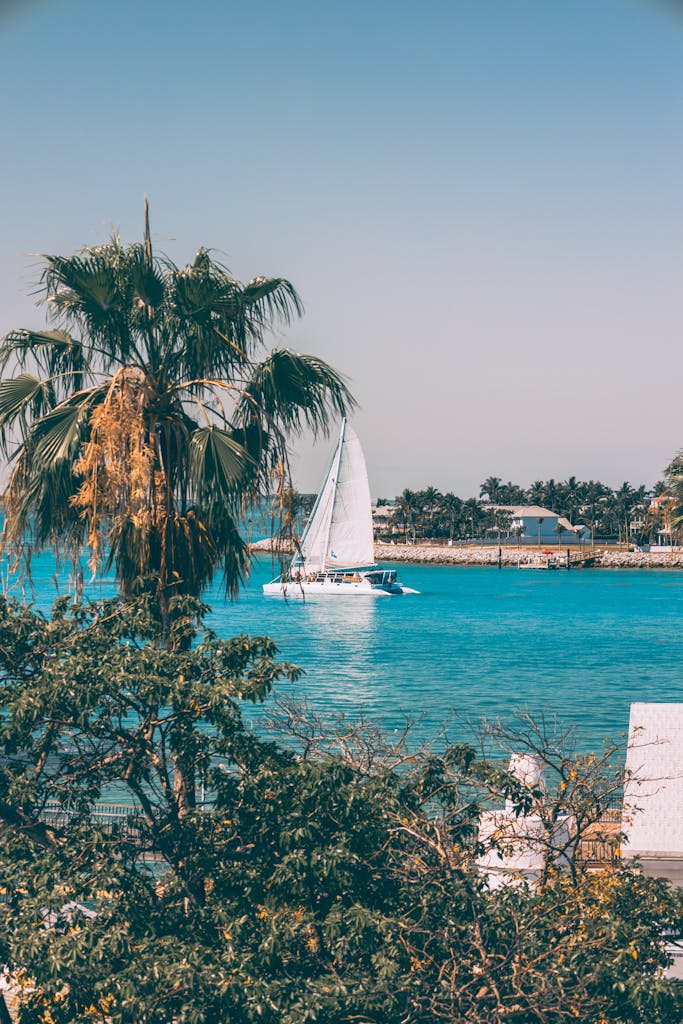
- Harbours: Miami and Coconut Grove, Key Biscayne’s No Name Harbor, Rodriguez Key, Islamorada, Marathon (Boot Key Harbor moorings), Key West and nearby anchorages; Dry Tortugas (Garden Key) by permit and in settled weather.
- Notes: Mooring buoys protect reefs; anchoring is limited near coral. Watch for thin water and shifting sand; respect sanctuary and seagrass rules.
Plan for shallow‑draft routes and strong sun. Good polarised eyewear helps read water colour when eyeballing into sand‑fringed anchorages.
Gulf Coast
- Harbours: St Petersburg/Tampa Bay, Clearwater, Apalachicola, Pensacola, Mobile Bay, Biloxi, New Orleans (Lake Pontchartrain), Galveston and Corpus Christi.
- Notes: Inlets can be challenging in onshore swell against ebb. Summer storms build quickly; lightning protocols are essential.
Choose wider, well‑marked passes in bouncy conditions and keep flexible laydays in peak thunderstorm months.
Great Lakes
- Harbours: Chicago and Milwaukee on Lake Michigan; Door County’s natural harbours; Mackinac Island; Detroit River marinas; Cleveland and Toronto hubs for Erie and Ontario (international clearance needed when crossing border).
- Notes: Short, steep seas in fresh winds; limited season; superb freshwater cruising with plentiful marinas.
Gale‑driven seas can build rapidly with little warning. Monitor forecasts closely and identify multiple bolt‑holes for each leg.
California
- Harbours: San Diego Bay; Dana Point; Newport Beach; Long Beach/LA; Santa Catalina Island (Avalon and Two Harbors moorings); Santa Barbara; San Francisco Bay (Sausalito, Emeryville, South Beach). Channel Islands National Park offers wild anchorages (for example, Scorpion, Prisoners) in settled NW conditions.
- Notes: Afternoon NW sea breezes and coastal upwelling chill; moorings are the norm at Catalina (staffed systems). Winter fronts and Santa Anas require flexibility.
Reef early, dress for chill even in summer, and book Catalina moorings ahead on busy weekends.
Pacific Northwest and Alaska
- Harbours: Anacortes, Friday Harbor, Roche Harbor, Port Townsend, Seattle and Tacoma; myriad coves with state mooring buoys (for example, Sucia, Blake, Stuart). In Alaska, Ketchikan, Sitka and Juneau anchor wider explorations with sheltered fjords beyond.
- Notes: Large tides and currents, kelp and logs in the water, and narrow passes dictate conservative planning. Some parks (for example, Glacier Bay) require advance permits.
Build legs around current gates and arrive with daylight to thread kelp and logfields. Carry spare lines for park buoys and have a robust anchoring plan for deep coves.
Practical tips
- Booking: Many marinas and moorings use apps for reservations; same‑day requests are common outside peak months.
- Fuel and pump‑out: Widely available near major hubs; check hours outside high season. Carry adapters for varying dock configurations.
- Depths: US charts mix feet, fathoms and metres; confirm units and datum on each chart.
Where demand is high, secure moorings early and always have a plan B anchorage identified for the day. Local knowledge via harbourmasters and yacht clubs is invaluable.
FAQs
Do I need a licence to charter a sailboat in the USA?
There is no federal legal licence for recreational skippers. Charter companies assess experience and typically accept ASA 104 or US Sailing Bareboat certificates as evidence of competence.
When is hurricane season and which areas are affected?
Hurricane season runs June–November, peaking August–October. Risk spans the Gulf Coast, Florida, the Southeast and up the Eastern Seaboard into New England in late season.
Which US cruising grounds are best for beginners?
The Chesapeake Bay, Biscayne Bay and the San Juan Islands offer protected waters, short hops, plentiful services and straightforward pilotage.
Are moorings or anchorages more common in popular towns?
In many busy harbours—Newport, Edgartown, Nantucket, Avalon—town moorings are the norm and should be reserved in season. Anchorage space may be limited.
What tidal challenges should I expect?
Tides are modest in the Chesapeake and Florida but strong in New England (especially Maine) and very strong in the Pacific Northwest and Alaska, where currents can exceed 6 knots in narrows.
Can I use my VHF without a licence?
Yes for domestic cruising. If you plan to leave US waters or carry MF/HF radio, obtain appropriate FCC licences.
Is anchoring regulated in Florida?
Yes. While anchoring is allowed, there are designated zones and local ordinances, plus seagrass protection and manatee speed zones. Check current county rules before you drop the hook.
How strong does the San Francisco Bay wind get?
Summer afternoons commonly reach 20–30 knots in the slots and channels due to the Bay’s thermal ‘wind machine’. Reef early and plan upwind legs in the morning.
What about wildlife and protected areas?
Follow marine sanctuary rules, keep clear of marine mammals, and observe seasonal speed restrictions (e.g., right whales in New England). In Alaska, permits are needed for places like Glacier Bay.
Is tipping customary on crewed charters?
Yes. In the USA, a gratuity of around 10–20% of the charter fee is customary for crewed charters, adjusted for service quality.
References
- https://www.cruiserswiki.org/wiki/USA
- https://www.weather.gov/marine/
- https://www.nhc.noaa.gov/
- https://www.uscgboating.org/regulations/
- https://dtops.cbp.dhs.gov/
- https://www.cbp.gov/travel/pleasure-boats-private-flyers/pleasure-boat-overview/roam
- https://www.epa.gov/vessels-marinas-and-ports/vessel-sewage-discharges-and-no-discharge-zones
- https://floridakeys.noaa.gov/
- https://myfwc.com/boating/safety-education/boating-safety-education-card/
- https://tidesandcurrents.noaa.gov/
- https://www.nps.gov/drto/index.htm
- https://www.nps.gov/glba/planyourvisit/boating.htm
- https://parks.wa.gov/1181/Moorage
- https://www.ussailing.org/education/adult/keelboat/certification-standards/bareboat-cruising/
- https://asa.com/certifications/asa-104-bareboat-cruising/
- https://dockwa.com/
Charter a Yacht
Compare crewed & bareboat charters, learn the best months to sail, and get a custom shortlist from 500+ providers.