
Sailing in Baja California Sur: routes, winds and practicalities for the Sea of Cortez and Pacific side
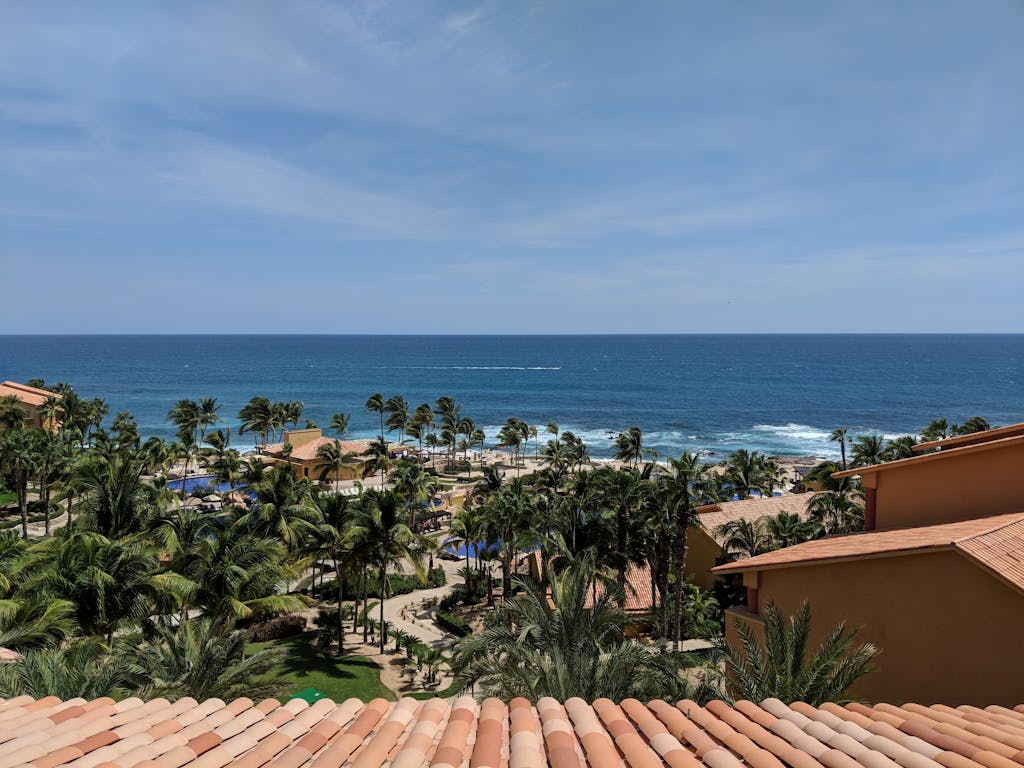
Baja California Sur, a sailing haven in northwest Mexico, rewards skippers with stark desert-and-sea panoramas, short and safe day-hops, and anchorages of startling clarity. From La Paz’s well-served marinas you can reach the emerald coves of Espíritu Santo and Isla San Francisco within hours; stretch north and you meet the rugged seamounts and marine parks of Loreto; look south and Cabo’s Pacific glamour beckons. The wind regime is readable if seasonal, the hazards are manageable with preparation, and shore support is reliable where it matters. This guide sets out where to go, when to go, and what to expect, so you can plot itineraries that work with the weather, not against it.
Whether you’re planning a gentle island hop with family or a longer one-way passage into the Loreto Marine Park, you’ll find protected options, sandy bottoms and abundant wildlife. Understanding Nortes, Coromuels and the influence of swell on the Pacific side helps you choose routes that keep the crew comfortable and your schedule realistic.
Quick links
- Sailing in Baja California Sur
- Why Sail in Baja California Sur?
- Itineraries
- When to Go
- Wind and Weather
- Getting There
- Chartering
- Licences and Formalities
- Anchorages and Marinas
- FAQs
- References
Why Sail in Baja California Sur?
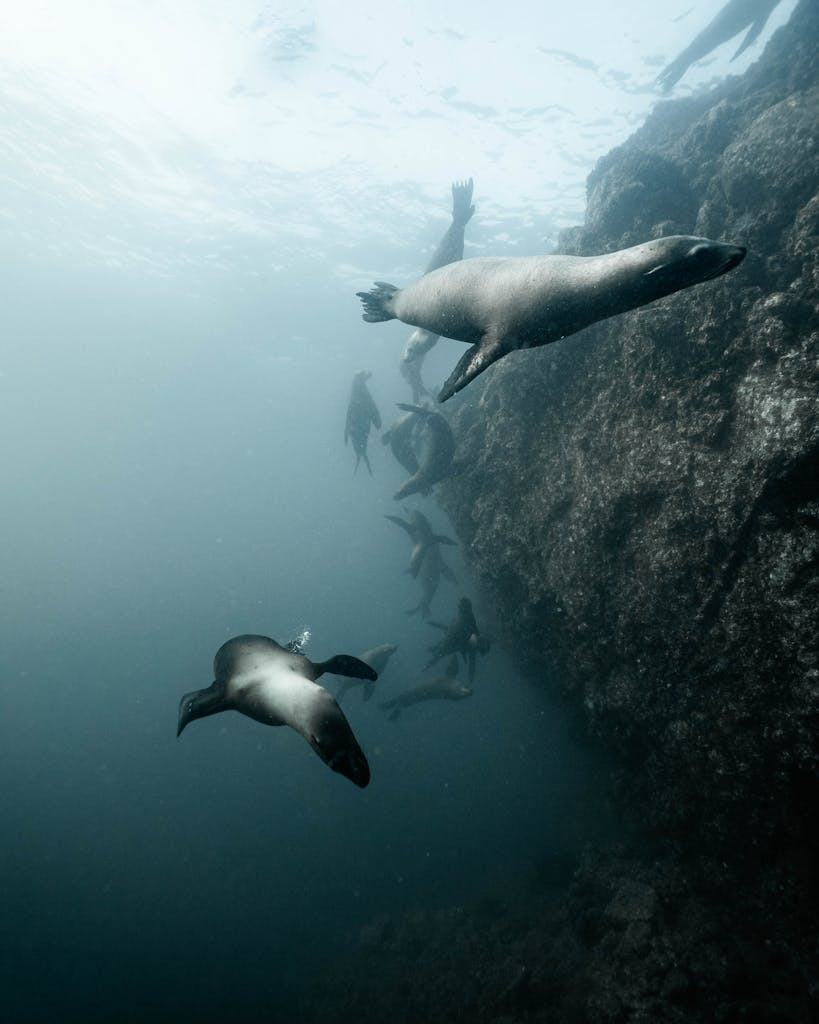
Baja California Sur offers an unusual mix: expedition-grade scenery with holiday-grade ease. Granite sierras meet turquoise shallows; sea lions, mobula rays and, in season, whale sharks and blue whales patrol waters that are largely line-of-sight and lightly trafficked. Anchorages are numerous, sandy, and often deserted outside peak weeks.
The region divides naturally. On the Sea of Cortez side, La Paz is the practical heart, with Isla Espíritu Santo, Isla Partida and Isla San Francisco forming a classic circuit of protected, photogenic bays. North of there, the Loreto Marine Park provides more remote cruising among Isla Danzante, Isla Carmen and Isla Coronados, with Puerto Escondido as a secure hub. On the Pacific, Magdalena Bay and the Capes (Cabo San Lucas and San José del Cabo) offer a different rhythm: ocean swells, whale watching and long, clean reaches.
Wind and climate patterns are distinct yet dependable once understood. Winter’s “Nortes” bring lively northerlies and crisp visibility; spring and early summer see the famed nocturnal Coromuel winds around La Paz; late summer is hot, with warm, glassy seas but also tropical storm risk. With thoughtful routing and strong harbours of refuge, it is a region that rewards both cautious first-timers and mileage-hungry cruisers.
Provisioning, maintenance and charter options are concentrated in La Paz and, increasingly, Puerto Escondido. Both are set up to support independent crews with fuel, water, haul-out and spares, allowing you to range widely without compromising safety or comfort.
Itineraries
Below are two tried-and-tested routes that suit the prevailing conditions and distances in Baja California Sur. Use them as a framework and adapt to the forecast, daylight and crew energy. Permit requirements apply within the Espíritu Santo archipelago and the Loreto Bay National Park.
7-day La Paz loop: Espíritu Santo and Isla San Francisco
A 7-day route. Adjust legs to forecast, moorings and crew preferences.
A compact island circuit showcasing La Paz’s nearby gems and the classic crescent of Isla San Francisco. Expect short legs, excellent sand holding and abundant swim stops. In winter, plan northbound hops between Nortes; in late spring, allow for nocturnal Coromuels and rig chafe protection.
Day 1: La Paz to Caleta Lobos and Balandra
Cast off from La Paz and ease into the week with a short hop along the channel. Swim and settle the boat at Caleta Lobos or continue to the luminous sands of Bahía Balandra. Good sand holding, clear water, and an early test of tidal currents in the La Paz channel. Points of interest: Marina CostaBaja (La Paz), Caleta Lobos, Bahía Balandra.
Day 2: Balandra to Ensenada Grande via Los Islotes
Round into the Espíritu Santo archipelago. Time a lunch stop at Los Islotes for a snorkel with the resident sea lions when conditions are settled, then tuck into Ensenada Grande’s west-facing amphitheatre for the night. Points of interest: Los Islotes, Ensenada Grande (Isla Partida).
Day 3: Caleta Partida and on to Isla San Francisco
Slide through Caleta Partida’s natural cut between Isla Partida and Espíritu Santo, then reach north to the crescent bay of Isla San Francisco. Classic Baja sand-and-turquoise scene; hike the ridge for sunset views. Points of interest: Caleta Partida, Isla San Francisco (crescent anchorage).
Day 4: San Evaristo village and Isla San José (Punta Salinas)
Hop across to the fishing village of San Evaristo for tortillas and a palapa lunch, then continue to the salt flats of Punta Salinas on Isla San José if conditions suit. Both offer good sand holding; mind exposure in a strong Norte. Points of interest: San Evaristo, Punta Salinas (Isla San José).
Day 5: Return south to Bahía Bonanza (Espíritu Santo)
Make miles back towards La Paz, rewarding the crew with Bahía Bonanza’s long white beach on Espíritu Santo’s east side. This open roadstead is sublime in settled southerlies; avoid in fresh easterly swell. Points of interest: Bahía Bonanza (Espíritu Santo).
Day 6: Caleta Partida or Caleta Lobos
Choose a last swim-stop in Partida or a quiet night in Caleta Lobos, setting up an early tide for the channel transit back to La Paz. Watch for Coromuel breezes overnight in season. Points of interest: Caleta Partida, Caleta Lobos.
Day 7: Return to La Paz
Time the flood for a relaxed run down the La Paz channel. Refuel, rinse the salt, and celebrate on the Malecón. If licensed and conditions are appropriate, book a local operator for a whale shark encounter in season rather than attempting to self-navigate the protected area. Points of interest: Marina CostaBaja (La Paz), La Paz Malecón.
10-day La Paz to Puerto Escondido (Loreto) one-way
A 10-day route. Adjust legs to forecast, moorings and crew preferences.
A northbound progression through the best of the Sea of Cortez islands into the Loreto Bay National Park, finishing in Puerto Escondido’s all-weather harbour. This itinerary rewards flexible timing around winter Nortes and invites lingering at Agua Verde, Carmen and Coronados when the water is clear.
Day 1: La Paz to Ensenada Grande
Shake down the boat and make for Ensenada Grande for an easy first night among ochre cliffs and calm water. Points of interest: La Paz (departure), Ensenada Grande.
Day 2: Isla San Francisco
Reach north past Punta Coyote and settle in Isla San Francisco’s iconic bay. Ridge walks, clear snorkelling, and firm sand holding. Points of interest: Isla San Francisco (crescent anchorage).
Day 3: Los Gatos (Baja coast)
A shorter hop to Los Gatos for red sandstone backdrops and good snorkelling. Exposed to northerlies; choose your weather window. Points of interest: Los Gatos.
Day 4: Agua Verde
Push on to the palm-fringed cove of Agua Verde. Multiple pockets offer options for different wind directions; a classic Baja stop. Points of interest: Agua Verde.
Day 5: Candeleros and Danzante
Work into the Loreto Marine Park with a stop at Candeleros or tiny Honeymoon Cove on Isla Danzante. Watch for park regulations and moorings if present. Points of interest: Bahía Candeleros, Honeymoon Cove (Isla Danzante).
Day 6: Puerto Escondido
Secure a slip or mooring in Puerto Escondido, the region’s best all-weather hurricane hole and service hub. Re-provision, refuel, and plan island days. Points of interest: Puerto Escondido Marina.
Day 7: Isla Carmen (Bahía Marquer)
Cross to Isla Carmen for quiet beaches and glassy water. Bahía Marquer is a favourite in settled conditions with excellent sand. Points of interest: Bahía Marquer (Isla Carmen).
Day 8: Isla Coronados and Loreto
Anchor on the south side of Isla Coronados for a stable night and visit Loreto by day when conditions allow. Expect clear water, volcanic hikes and, at times, afternoon thermals. Points of interest: Isla Coronados (south anchorage), Loreto (town visit).
Day 9: Return to Danzante or Puerto Escondido
Short reposition for a final swim and a weather-tidy anchorage. Use protected pockets on Danzante or re-enter Puerto Escondido for a quiet last night. Points of interest: Honeymoon Cove (Isla Danzante), Puerto Escondido.
Day 10: Finish in Puerto Escondido
Refuel and hand over. If time allows, a dawn paddle among mangroves or a hike into the Sierra de la Giganta rounds off the passage. Points of interest: Puerto Escondido Marina.
When to Go
The sailing year divides cleanly. November to May is the prime season for comfortable temperatures, dependable breezes and low tropical risk. Winter (December–February) brings clear skies, cool nights and frequent “Nortes” — strong northerly outbreaks that can blow for 24–72 hours with short, steep seas; they make for bracing passages and justify strategic lay days. Spring (March–May) typically moderates, with lighter mornings, afternoon sea breezes, and the onset of Coromuel winds near La Paz.
June to October is hot, with sea temperatures often above 28–30 °C and superb snorkelling. It is also Eastern Pacific hurricane season, peaking August to October. Many crews continue to cruise in the Sea of Cortez during this period but choose robust bays of refuge and monitor forecasts closely. Late October and November often offer a sweet spot of warm water, quieter anchorages and reduced storm risk.
Wildlife highlights colour the calendar: whale sharks off La Paz (regulated, typically autumn to spring), grey whales on the Pacific side in mid-winter, blue and fin whales around Loreto in late winter, and dramatic mobula ray aggregations in spring. If your priorities are wildlife encounters and warm water, aim for late autumn to late spring and build flexibility into your plans.
Wind and Weather
Winter Nortes
In winter, cold fronts spilling from the US Southwest deliver “Nortes” — sustained N–NE winds often 20–30 knots with higher gusts and short, steep chop due to limited fetch. Plan northbound legs between events and enjoy fast southbound returns during them. Anchorages open to the north can become uncomfortable or untenable in stronger episodes, so pre-select lees with southern protection.
Coromuel and Summer Patterns
From late spring through summer and into early autumn, the La Paz area experiences night-time and early-morning Coromuel winds, typically S–SW 10–20 knots, driven by cool Pacific air spilling across low passes. They bring relief from heat but can reverse the usual afternoon sea-breeze pattern, so rig chafe gear, tidy windage on deck and consider wind shadows. Elsewhere in the gulf, expect diurnal thermals and generally lighter conditions, interspersed with occasional summer squalls (“chubascos”) that can deliver sudden 30–50 knot gusts, thunder and rain after dark — good ground tackle and a cleared deck are prudent.
Pacific Side Conditions
On the Pacific side, the prevailing NW’ly trades and frequent long-period swells dominate. Cabo anchorages are surge-prone; Magdalena Bay offers extensive protection once inside but requires attention to bars and range markers at the entrance in swell. Allow conservative margins for swell height and period when planning bar crossings or marina entries.
Tides, Currents and Visibility
Tides are mixed and semi-diurnal, with typical ranges of 1–2 metres in the La Paz area. Currents can be notable in the La Paz channel and the San Lorenzo and Cerralvo channels, where set and drift affect close-quarters pilotage. Visibility is generally excellent outside plankton blooms; water clarity peaks in autumn and late spring but remains good year-round with careful anchorage choice.
Getting There
La Paz (LAP) is the practical Sea of Cortez gateway, with domestic links via Mexico City and Tijuana and seasonal international services. San José del Cabo (SJD) is the main international hub for the state, about 2.5–3 hours by road to La Paz and 30 minutes to Cabo San Lucas or Puerto Los Cabos. Loreto (LTO) serves the northern cruising grounds, with direct links from the US West Coast in season and connections via Guadalajara and Tijuana.
Charter bases cluster around La Paz’s marinas, with provisioning straightforward in large supermarkets and local markets; taxis and rideshares are plentiful. Puerto Escondido, south of Loreto, increasingly supports one-way charters and offers fuel, slips/moorings and haul-out. Cabo San Lucas and San José del Cabo are logical entry/exit points for Pacific-side passages.
For private yachts entering from abroad, ports of entry include Cabo San Lucas, La Paz and Santa Rosalía. Overland transfers are via good highways; allow time buffers for roadworks and wildlife on rural stretches, especially at night. When flying in, pack spares and critical electronics in carry-on where possible, and confirm marina access times if arriving late.
Chartering
Baja California Sur lends itself to bareboat catamarans and performance monohulls alike. Fleets are concentrated in La Paz, with growing options in Puerto Escondido. Expect modern 38–50 ft catamarans popular for space and light-air efficiency, and 36–50 ft monohulls for those who relish livelier sailing in winter northerlies. Skippered and instructional charters are widely available for crews new to the region.
Typical embarkation is from La Paz marinas with a first-night-aboard option. One-way itineraries La Paz–Puerto Escondido (Loreto) are periodically offered; they unlock longer, more varied routes but carry repositioning fees and tighter weather windows. Southbound Pacific routes towards Cabo are best reserved for experienced crews due to swell, exposure and limited all-weather bolt-holes outside the major marinas.
Expect to arrange marine park access in advance: bracelets/permits are required for the Espíritu Santo archipelago and the Loreto Bay National Park. Charter operators often facilitate this as part of your pack. Fishing licences are mandatory for anyone fishing from a boat, regardless of whether they hold the rod; these can be purchased online or locally.
Provisioning is straightforward in La Paz, where large supermarkets deliver to marinas. Fuel is available at major marinas (La Paz, Cabo San Lucas, Puerto Los Cabos, Puerto Escondido, Santa Rosalía). North of Loreto, plan on range and occasional jerry-can top-ups. Water-makers are advantageous in summer; otherwise, schedule marina stops for potable water. Peak season (December–April) sells out early — book 6–9 months ahead for the best choice of hulls.
Licences and Formalities
Bareboat requirements are set by operators rather than Mexican law. As a rule of thumb, an RYA Day Skipper (Practical) or ICC, or ASA 104 Bareboat Cruising (with adequate experience) will satisfy most fleets. A competent VHF operator’s qualification is recommended, and a concise sailing CV will be requested. Skippered options remove certification barriers if your experience is marginal.
If arriving on your own vessel from abroad, you will need a Temporary Import Permit (TIP) for the yacht, a valid passport and an FMM tourist card for each person, obtained through Immigration. Clearance procedures are handled with the Port Captain in ports of entry; local practices vary slightly, so verify current requirements before departure. Domestic zarpes are generally not required within the Sea of Cortez.
Environmental permits are compulsory in protected areas. The Parque Nacional Bahía de Loreto requires per-person, per-day permits, and the Espíritu Santo archipelago has its own access rules and authorised operators. Observe no-take zones and seasonal closures. If you intend to fish, secure Mexican fishing licences for all persons on board. Drones and spear-fishing are restricted or prohibited in several zones — check current park regulations.
Insurance should explicitly cover named tropical cyclones and charter use (if applicable). Many marinas require third-party liability evidence. Carry paper and digital charts; plotters are useful but unlit fishing gear and ad-hoc fish traps demand strong lookout, especially at dusk. As rules and fees can change, confirm details with your operator or the Port Captain shortly before departure.
Anchorages and Marinas
The Sea of Cortez side is rich in sheltered coves with sand bottoms and clear water. The Pacific side offers grand-scale harbours and ocean swell; plan swells and bars conservatively.
La Paz and Espíritu Santo
La Paz is the service hub, with multiple marinas and a well-buoyed but shoal-prone channel. Follow published waypoints and favour daylight, slack water transits. Expect strong tidal streams and cross-winds. Favourite nearby anchorages include Caleta Lobos and Bahía Balandra on the peninsula, and on the islands: Caleta Partida, Ensenada Grande, Isla San Francisco’s crescent bay, and Punta Salinas on Isla San José. Holding is generally excellent in sand; beware Coromuel-induced wrap-around and reef shelves.
Loreto and Puerto Escondido
The Loreto Bay National Park encompasses Isla Danzante, Isla Carmen, Isla Coronados, Isla Monserrat and Isla Catalana. The variety is exceptional: pocket anchorages like Honeymoon Cove; broader bays such as Bahía Marquer; and the stable roadstead off Isla Coronados. Puerto Escondido provides all-weather refuge with berths and moorings, a fuel dock and haul-out. Depths are ample; heed local mooring field diagrams and speed limits.
Bahía Concepción and North
A chain of protected coves lines Bahía Concepción (e.g., Playa Santispac, El Burro), with minimal facilities but good shelter from many directions. Further north, Santa Rosalía offers a compact marina and fuel; anchorages become more weather-dependent as fetch increases and services thin.
Cabo and the Pacific
Cabo San Lucas Marina is central but surge-prone and busy; plan arrivals in daylight and consider generous fendering. San José del Cabo’s Puerto Los Cabos is a calmer alternative with full services. Farther north, Magdalena Bay provides enormous protection inside but entrance planning is critical in swell and at low water. Facilities are sparse, so arrive prepared with fuel, water and spares.
Facilities Snapshot (selected)
| Location | Key facilities | Notes |
|---|---|---|
| La Paz marinas (La Paz, Palmira, CostaBaja, Cortez, FONATUR) | Slips, fuel, water, chandlery, repairs | Advance booking advised in peak months |
| Puerto Escondido | Slips/moorings, fuel, water, haul-out | Provisioning basics onsite; good base for Loreto Park |
| Cabo San Lucas | Full-service marina, fuel | Busy and surge-prone; higher rates |
| Puerto Los Cabos (San José del Cabo) | Full-service marina, fuel | Calmer than Cabo San Lucas; good staging for Pacific |
| Santa Rosalía | Limited slips, fuel | Depth and availability vary; call ahead |
Facilities thin out as you head north of Loreto, so plan range, water and provisioning accordingly. In all marinas, paperwork and insurance checks are routine; keep documents handy to streamline check-in.
General Notes
Many bays are within protected areas with anchoring and landing rules. Night entries are feasible but best avoided; fish pots and longlines are sometimes poorly marked. Sand bottoms predominate; set a reliable anchor with adequate scope and consider a stern line in tight coves to limit swing. A handheld spotlight and a bow watch are invaluable near dusk when transiting areas of active fishing.
FAQs
Is Baja California Sur suitable for first-time bareboat crews?
Yes, particularly the La Paz–Espíritu Santo–San Francisco circuit. Distances are short, hazards are visible in good light, and there are multiple bolt-holes. Newer crews should avoid strong Nortes, plan daylight passages, and consider a skipper for the first day or two.
When is the best balance of wind and comfort?
Late October to early June. Winter delivers brisk sailing with Nortes; spring is moderate and settled. Summer has warm, clear water but heat and tropical risk; plan conservatively if cruising then.
What charts and navigation tools should I carry?
Carry updated electronic charts and a paper backup. Guidebooks and local waypoints for the La Paz channel are prudent. A head torch and powerful spotlight help with unlit fish gear if you must move near dusk, though daytime arrivals are strongly preferred.
Do I need special permits to visit the islands?
Yes. The Espíritu Santo archipelago and the Loreto Bay National Park require access permits; your charter operator can arrange these. Respect no-take zones, authorised moorings and seasonal closures.
Are there reliable marinas and fuel in the cruising area?
Yes. La Paz, Puerto Escondido, Cabo San Lucas and Puerto Los Cabos have full-service marinas and fuel. Santa Rosalía also offers fuel and limited berths. Plan range north of Loreto where facilities thin out.
What anchor type works best here?
A modern scoop or roll-bar plough (e.g., Spade, Rocna, Mantus) sets quickly in the common sand bottoms. Pair with plenty of chain, a snubber to tame Coromuel chop, and carry a stern line for tight coves.
Can I see whale sharks from my boat in La Paz?
The whale shark area is a regulated zone with licensed operators and specific routes. For safety and conservation, book a permitted tour rather than attempting to enter the area on a private vessel.
References
- https://www.cruiserswiki.org/wiki/Baja_California_Sur
- https://www.noonsite.com/country/mexico/
- https://www.conanp.gob.mx/acciones/areas-protegidas.php
- https://www.gob.mx/conanp/es/articulos/parque-nacional-bahia-de-loreto
- https://www.nhc.noaa.gov/
- https://smn.conagua.gob.mx/
- https://www.marinapuertoescondido.com/
- https://marinacostabaja.com/
- https://www.puertoloscabos.com/marina/
- https://www.igymarinas.com/marinas/marina-cabo-san-lucas/
- https://www.dreamyachtcharter.com/destination/mexico-la-paz/
- https://www.calderayachts.com/baja-coromuel-winds-guide
- https://www2.cicese.mx/web/Pronosticos/mareas
Charter a Yacht
Compare crewed & bareboat charters, learn the best months to sail, and get a custom shortlist from 500+ providers.