
Sailing in Sri Lanka: routes, winds and practicalities
Sri Lanka, nestled up in the north of the Indian Ocean rewards patient planners. Two opposing monsoons split the year neatly, sending sailors to the west and south between December and March, and to the east and north-east from May to September. Facilities are sparse, but the island delivers outsized dividends: cathedral-blue water, whale corridors off Mirissa and Trincomalee, palm-fringed anchorages, and a coastline steeped in spice-trade history.
You will not find Mediterranean-style marinas or dense charter fleets; instead, you will piece together simple moorings, sand-bottom bays and a small circle of local operators who know the seasons intimately. This is purposeful, choose-your-window voyaging—calmer, richer and more authentic when you sail with the weather rather than against it.

Quick links
- Why Sail in Sri Lanka?
- Sri Lanka Sailing Itineraries
- When to Go
- Wind and Weather
- Getting There
- Chartering
- Licences and Formalities
- Anchorages and Marinas
- FAQs
Why Sail in Sri Lanka?
Sri Lanka offers variety in a compact package. In a week you can shift from Dutch ramparts at Galle Fort to tea-scented hills visible from the sea, then on to granite headlands and reef-limned lagoons on the east coast. Wildlife encounters are not a sideshow: blue and sperm whales migrate close to shore in season, spinner dolphins ride your bow, and reef snorkelling at Pigeon Island and Passikudah rivals better-known Indian Ocean stops.
Seasonality is the secret. The northeast monsoon opens the south and west coasts to settled offshore breezes and gentle swell just as Europe cools, while the southwest monsoon flips the script and polishes the east. Plan with the monsoon, and passages become measured, daylight hops with predictable sea states and reliable shelter by late afternoon.
Culturally, ports are working places, not curated marinas. You will anchor near fishing catamarans and unload at bustling markets. Shore days deliver UNESCO-listed forts, colonial lighthouses and temples perched above turquoise bays. For those seeking unvarnished coastal cruising with Indian Ocean character, Sri Lanka is quietly compelling.
Sri Lanka Sailing Itineraries
Below are two seven-day itineraries aligned to the monsoon seasons. Both are built around short, daylight passages, straightforward sand-bottom anchorages and shore time for markets, forts and beach walks. Adjust distances and overnight stops to suit the weather, your crew and daylight.
South Coast Classic (Dec–Mar) – Galle to Dondra and back
This relaxed winter itinerary follows Sri Lanka’s lee shore under the northeast monsoon. Expect offshore breezes, manageable swell and a chain of sandy anchorages ideal for first-time visitors. Keep passages short to arrive with the sun high for easy eyeball navigation over reefs.
Day 1 — Galle Harbour and Fort
Arrive and settle into Galle’s historic harbour. Coordinate entry in advance and report to harbour control on approach; an agent typically assists with Customs, Immigration and the Port Authority. Once cleared, stretch your legs along the UNESCO-listed ramparts at sunset and stock up at the bustling market and supermarkets inside Galle Fort. If time and conditions allow, take a short shakedown sail outside the breakwater to check systems and rig.
Day 2 — Galle to Unawatuna
Ease 3 NM east to the palm-fringed curve of Unawatuna. Keep a sensible offing past Rumassala headland and track obvious reef lines by water colour. Anchor in 5–8 m over sand with good light. Swim and snorkel off the boat; ashore you will find beach cafés and tuk-tuks back to the Fort if desired. Expect some roll if swell wraps in—rig a stern line to reduce yaw if needed.
Day 3 — Unawatuna to Weligama
Follow the low coastline for roughly 15 NM, passing stilt fishermen and reef patches that fringe the shore. Weligama is a wide, sandy-bedded bay with space to spread out; anchor in 5–7 m and enjoy an easy dinghy landing on the beach. The inner bay is usually calmer; Taprobane Island and the beginner surf breaks add interest ashore.
Day 4 — Weligama to Mirissa
A short hop of about 4 NM brings you to Mirissa, a hub for whale watching in season. The fishing harbour is busy and compact; most yachts anchor outside in settled weather in 6–8 m and run in by dinghy for pick-ups and supplies. Plan early-morning wildlife excursions when seas are glassier and boat traffic lighter.
Day 5 — Mirissa to Dondra Head and Hiriketiya
Round Sri Lanka’s southern tip at Dondra in fair weather, allowing for 1–3 knots of current which can steepen seas against the breeze. Maintain a safe offing around the lighthouse, then tuck into the horseshoe at Hiriketiya. Enter with the sun high to eyeball reefs and anchor in 6–8 m over sand; a gentle surf break curls across the mouth in some swell directions.
Day 6 — Hiriketiya to Tangalle
Continue 10–12 NM east to Tangalle’s broad, golden bay. This is an open roadstead: study the swell and choose your spot carefully, often in 6–9 m over firm sand. A stern anchor can reduce roll if the swell makes in. Ashore, expect quiet beaches, simple seafood shacks and low-key guesthouses.
Day 7 — Tangalle to Galle
Make a longer return leg of around 35–45 NM in settled NE monsoon conditions, typically with an offshore breeze and calmer seas near the coast. Depart at first light to ensure a daylight arrival. Time your approach to Galle for good visibility and call harbour control for berthing instructions.
East Coast Reefs and Whales (May–Sep) – Trincomalee to Passikudah
In summer the southwest monsoon leaves the east coast in the lee, delivering clear water and gentle seas. This itinerary blends Trincomalee’s grand natural harbour with sandy lagoons and coral gardens. Entrances are generally straightforward in bright overhead light; plan to anchor over sand and avoid coral heads.
Day 1 — Trincomalee Harbour
Meet your vessel in one of the world’s great natural harbours. Complete formalities with the Port Authority and Navy where required, then take a short familiarisation sail to Dutch Bay or Back Bay to check systems and rig. Both offer good swinging room and smooth water in season.
Day 2 — Trincomalee to Nilaveli
Coast 10–12 NM north to Nilaveli’s long arc of beach and anchor in 6–10 m over sand with excellent holding. Arrange a visit to Pigeon Island National Park for snorkelling among coral and reef fish; permits and park guidelines apply. Early mornings see the clearest water and lightest winds.
Day 3 — Nilaveli to Kuchchaveli
A short, easy leg of around 8 NM takes you to the quieter shores of Kuchchaveli. Expect clear water, a restful anchorage during lee conditions and occasional visits from friendly fishermen. Afternoon sea breezes can freshen—secure the dinghy and plan swims earlier in the day.
Day 4 — Return south to Marble Beach
Retrace your steps towards Koddiyar Bay and anchor off Marble Beach in 5–7 m, typically among glassy shallows over pale sand. Swim from the boat and, if time allows, take a tuk-tuk to Swami Rock and the cliff-top temple for sweeping views over Trincomalee.
Day 5 — Trincomalee to Passikudah
Make a rewarding coastal run of roughly 45–55 NM to Passikudah’s shallow, reef-protected lagoon. Enter with the sun overhead to read the colours, follow obvious sand channels and give any coral heads wide berth. Anchor in 3–5 m over sand; the lagoon is expansive with good protection in season.
Day 6 — Passikudah and Kalkudah
Enjoy a lay day among sand-and-sea-glass shallows. Shift across to neighbouring Kalkudah for a change of scene, paddleboard over sea grass meadows and look for turtles in clear water. Simple beach restaurants offer fresh seafood suppers.
Day 7 — Passikudah to Trincomalee
Sail back north with the prevailing breeze for disembarkation in Trincomalee. Keep an eye out for dolphins and, in season, sperm whales offshore. Plan to arrive with good light for easy pilotage back into the harbour.
When to Go
Sri Lanka divides neatly by monsoon. From December to March, the northeast monsoon brings dry weather and offshore NE winds to the south and west coasts; this is the prime window for Galle, Unawatuna, Weligama and Mirissa. From May to September, the southwest monsoon settles the east and north-east coasts; Trincomalee, Nilaveli and Passikudah are in season then. April and October–November are inter-monsoon months with lighter, variable winds and a higher chance of thunderstorms.
If you plan to reposition between coasts, aim for the shoulder months when sea states moderate and currents are less boisterous around headlands. Cyclones are uncommon this far south, but late October to early December can see Bay of Bengal systems influencing the east with heavy rain and long-period swell. Water temperatures are typically 27–29 °C year round, with visibility best on the in-season coast.
Wind and Weather
Expect a clear two-season pattern. The northeast monsoon (Dec–Mar) delivers NE to E winds, typically 10–20 knots on the south and west coasts with a gentle offshore component and reduced swell. The east and north coasts see onshore conditions and rougher seas at this time. The southwest monsoon (May–Sep) brings SW winds of 15–25 knots and frequent swell to the west and south; the east and north-east then sit in the lee with calmer seas and clearer water.
Inter-monsoon periods (Apr and Oct–Nov) bring variable light winds, glassy mornings and convective squalls in the afternoon. Currents around Dondra Head can run 1–3 knots and may oppose the wind, steepening seas—time your headlands for fair tide and good light. Sea breezes can build strongly near wide bays by early afternoon, and katabatic night winds tumble off steep headlands. Visibility is usually excellent, with a touch of haze late in the day. Always enter reef-fringed bays with the sun high and behind you to read water colour and spot coral heads.
Getting There
Bandaranaike International Airport (CMB) near Negombo is the main gateway, with frequent long-haul connections. By road, the E01 expressway puts Galle 2–2.5 hours from the airport; Matara and Mirissa sit a little further along the same corridor. Trincomalee (TRR) and Batticaloa (BTC) have limited domestic flights; most crews transfer by road, allowing 5–6 hours to Trincomalee on decent highways.
Tourist entry is via the straightforward online ETA system. If joining a charter, your operator will confirm the exact pick-up point—often Galle, Mirissa, Trincomalee or Passikudah—and can arrange private transfers. Provisioning is easy in larger towns with supermarkets and fresh markets; note that alcohol sales pause on monthly Poya (full moon) days, so plan ahead. Local SIM cards are inexpensive and reliable; pick one up on arrival for easy coordination with agents and drivers.
Chartering
Sri Lanka’s charter scene is small and seasonal. Most boats are modern sailing catamarans that migrate coast-to-coast with the monsoons, offering skippered or fully crewed trips rather than bareboat. On the south and west coasts (Dec–Mar), embarkations typically happen around Galle and Mirissa for gentle day-sails, whale watching and short coastal hops. On the east coast (May–Sep), Trincomalee and Passikudah are the hubs for reef anchorages, snorkelling and longer fair-weather legs.
Bareboat options are limited due to sparse marina infrastructure, exposed anchorages and local formalities. Where bareboat is offered, providers usually require recent coastal experience in comparable conditions and may insist on a local skipper for the first day. Expect conservative routing shaped by daylight, sea state and reef entrances. Crewed charters commonly include meals, soft drinks and water sports equipment; fuel is often logged separately for longer passages. Tipping is appreciated for excellent service, and many operators can arrange licensed whale-watching excursions that respect local guidelines.
Licences and Formalities
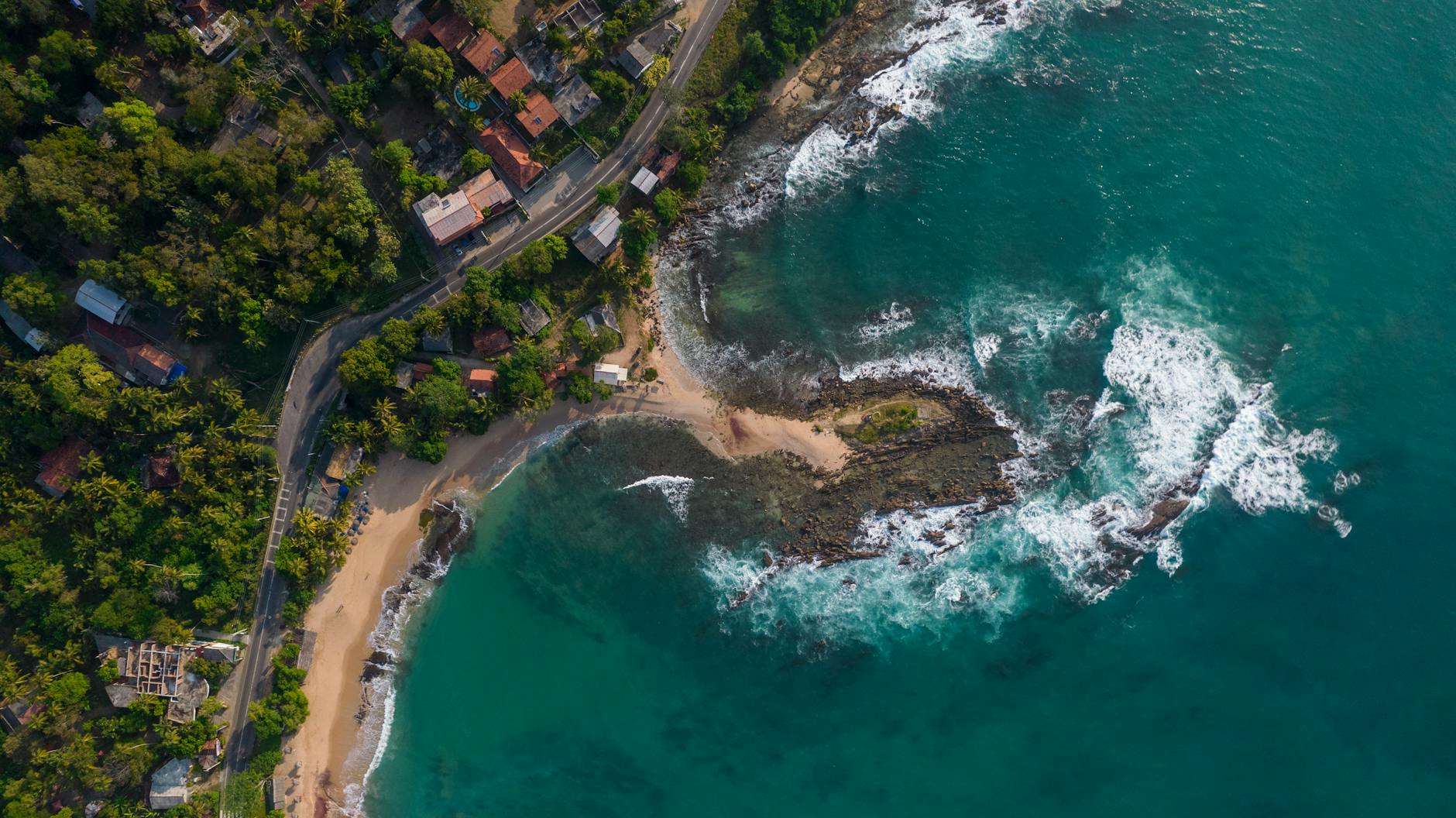
For bareboat, expect to be asked for an ICC (Sail), RYA Day Skipper (or higher) or ASA 104/106 equivalent, plus a VHF/SRC ticket and a brief sailing résumé. Minimum skipper age is typically 18–21. Most Sri Lankan charters, however, are skippered or crewed and place no certification burden on guests.
Yachts cruising independently should enter at an approved port of entry—Galle is the most consistent—coordinating arrival through a local agent who will handle Customs, Immigration and Port Authority formalities. Some ports require advance notice and may assign a harbour pilot. Carry a cruising permit, crew list and passports aboard, and observe photography restrictions near naval facilities. Clear in and out during office hours and time arrivals for good light; night entries to reef-fringed anchorages are inadvisable. Alcohol and drone regulations are enforced—check current rules before arrival and declare equipment as required.
Anchorages and Marinas
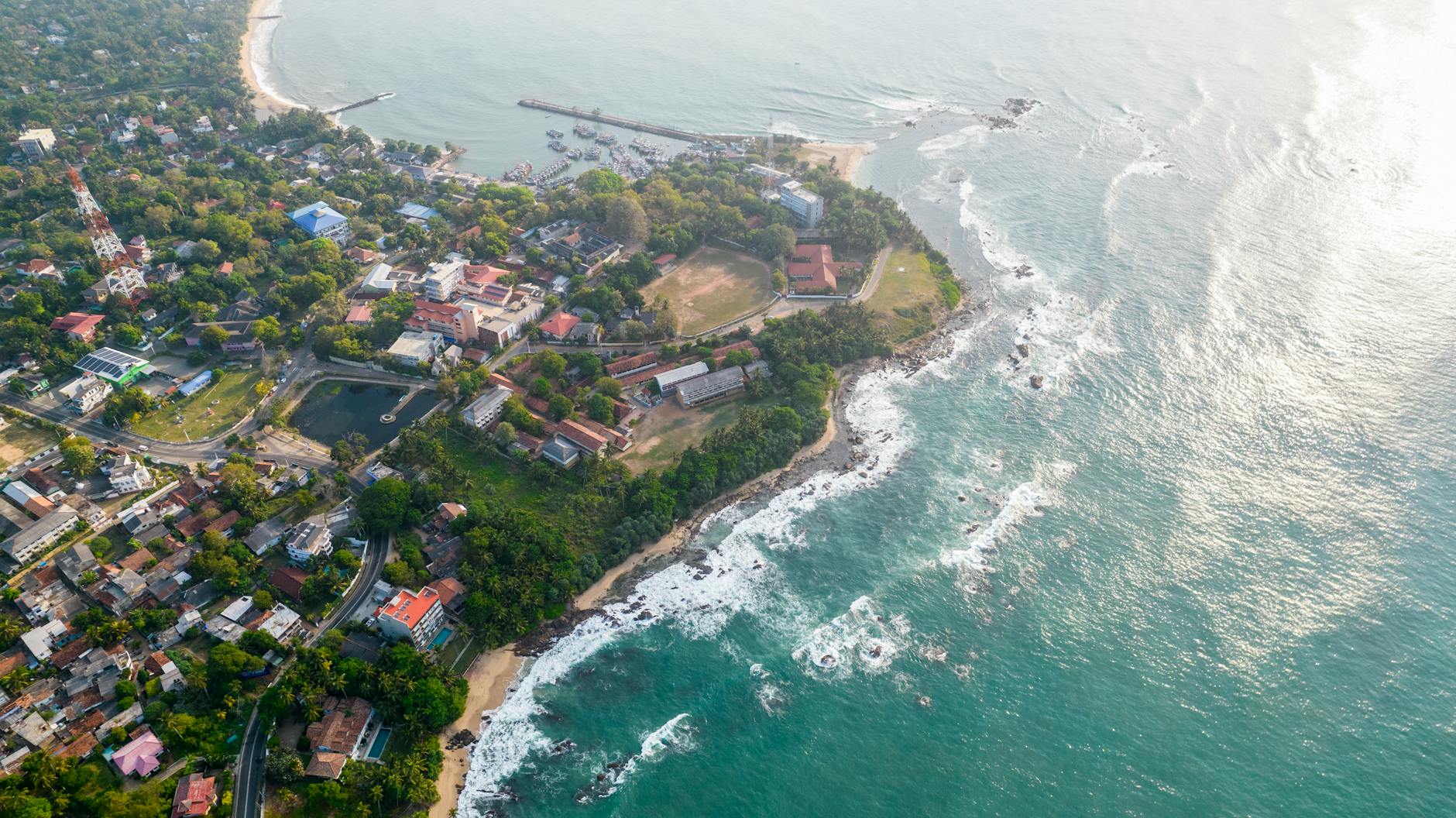
Sri Lanka has very limited yachting infrastructure and virtually no Mediterranean-style marinas. Galle is the primary yacht gateway with secure moorings inside a working commercial harbour. Space is tight, swell can penetrate in certain directions, and an agent typically arranges berthing and water/fuel by bowser or jerry can. Ashore, Galle Fort’s services, markets and cafés are a short tuk-tuk ride away.
Along the south coast, Unawatuna and Weligama provide broad sand patches with decent holding in season, though both can be rolly if swell wraps in. Mirissa is an active fishing port; most yachts anchor outside in settled weather and use the harbour for landings. Rounding Dondra, Hiriketiya and Tangalle become options in light conditions, but they are open roadsteads—choose weather windows carefully and consider a stern anchor to limit roll.
On the east coast, Trincomalee’s Dutch Bay and Back Bay offer good seasonal shelter with permission; Marble Beach in Koddiyar Bay is a favourite fair-weather stop. Further south, Passikudah and Kalkudah form a shallow lagoon behind reefs with sand bottoms and aquamarine water—arrive with the sun high to read coral heads, and avoid anchoring on coral. River and lagoon entrances elsewhere are often barred and shallow; treat charts as approximate and use eyeball navigation. Fishing gear, FADs and unlit small craft are common: plan short, daylight legs and keep a keen watch.
FAQs
When is the best time to sail in Sri Lanka?
Sail the south and west coasts from December to March under the northeast monsoon’s offshore breezes. Switch to the east and north-east coasts from May to September when they lie in the lee of the southwest monsoon. April and October–November are transitional and can be excellent for repositioning.
Are bareboat charters available?
They exist but are limited. Most trips are skippered or fully crewed catamarans that migrate with the seasons. Where bareboat is offered, you will need recognised certification and recent coastal experience, and some companies insist on a local skipper initially.
Do I need a sailing licence to charter?
For bareboat, operators typically accept an ICC (Sail), RYA Day Skipper (or above) or ASA 104/106 plus a VHF/SRC certificate. Skippered and crewed charters do not require guest qualifications.
Which are the main charter hubs?
Galle and Mirissa on the south/west coasts in winter; Trincomalee and Passikudah on the east coast in summer. Boats relocate with the monsoon.
Are there marinas in Sri Lanka?
No conventional marinas. Expect commercial harbours with arranged moorings, and seasonal anchorages in bays with sand bottoms and reef protection.
Is ocean life viewing reliable?
Yes. Blue whales are commonly sighted off Mirissa from December to April, while sperm whales and large dolphin pods are frequently seen off Trincomalee from May to August.
Is it safe to sail at night?
Night sailing is not advised close to shore due to fishing nets, unlit craft and reef entrances. Plan short, daylight passages and arrive with the sun high for eyeball navigation.
Can I transit between coasts in one trip?
Yes, but time it for the inter-monsoon windows (April or October/November) when sea states moderate. Around Dondra Head, currents can be strong and seas steep in the wrong wind–tide combination.
References
- https://www.cruiserswiki.org/wiki/Sri_Lanka
- https://www.cruiserswiki.org/wiki/Galle
- https://www.cruiserswiki.org/wiki/Trincomalee
- https://www.met.gov.lk/monsoon.php
- https://www.slpa.lk/
- https://www.sail-lanka-charter.com/
- https://en.wikipedia.org/wiki/Climate_of_Sri_Lanka
- https://en.wikipedia.org/wiki/Trincomalee_Harbour
Charter a Yacht
Compare crewed & bareboat charters, learn the best months to sail, and get a custom shortlist from 500+ providers.