
Sailing in St. Martin & St. Barts
Sailing St. Martin & St. Barts: routes, winds and practicalities
St. Martin and neighbouring St. Barts combine short blue‑water hops with postcard anchorages and cosmopolitan harbours. Reliable trade winds, clear pilotage, and a well‑developed marine infrastructure make this a natural step up from sheltered cruising without committing to long offshore passages. You can thread coral‑rimmed coves, slip into a chic marina for dinner, and still be on a mooring beneath a sea of stars that night.
The sailing is characterful rather than complex. Channels between islands can be lively, northern swells occasionally wrap in, and bridge timings add a touch of choreography — but these are features rather than flaws. With sensible planning, you’ll find a rhythm: early starts, lunch swims in marine reserves, and golden‑hour arrivals into Gustavia or Marigot. Bareboat, skippered, or flotilla‑style, this is a compact cruising ground with big‑ticket variety.
Quick links
- Why Sail in St. Martin & St. Barts?
- Itineraries
- When to go
- Wind and weather
- Getting there
- Chartering
- Licences and formalities
- Anchorages and marinas
- FAQs
- References
Why Sail in St. Martin & St. Barts?
Two cultures on one island, and a third flavour just twenty nautical miles to the south — this is a cruising ground with genuine contrast. The French side of St. Martin leans towards café‑lined quays and pretty, low‑rise bays; the Dutch side buzzes with marinas, chandlers and bridge‑framed lagoon life. St. Barts then adds a polished harbour, protected moorings and bays that feel wild the moment you clear the breakwater.
The wind is your ally. The easterly trades typically blow at 12–20 knots for months on end, shaping quick, purposeful passages. In the lee of the islands you’ll find flatter water for lunch stops and snorkelling; in the open channels, a short Atlantic heave gives your helm something to play with. It is enough to feel like real sailing without ever being far from a safe harbour.
Beyond the sailing, the logistics are forgiving. Direct flights into St. Maarten, plentiful provisions close to the docks, and predictable clearance formalities mean more time underway. Add a string of marine reserves — from Creole Rock off Grand Case to Colombier and Île Fourchue — and you have snorkelling and turtle‑spotting built into most days.
Finally, it scales well. Newer skippers can plan conservative hops between moorings and marinas, while seasoned crews can push outside the capes, cross to Anguilla or Saba on a weather window, and return in time for a sunset mooring in Gustavia. Crews who enjoy a mix of shore life and wild coves will find the balance particularly rewarding.
Itineraries
Below are two tried‑and‑tested itineraries that make the most of the trades, marine‑park moorings and reliable shelter. Distances are typically 5–25 nautical miles, with mostly line‑of‑sight navigation. Start early, plan lunch stops in reserves, and aim to be secured by late afternoon — especially if your charter prohibits night entries.
7-day St. Martin & St. Barts classic loop
A compact circuit taking in St. Martin’s leeward bays, the St. Martin Nature Reserve, and a rewarding reach to Gustavia and Colombier before looping back via Île Fourchue. Expect lively but manageable channel conditions, abundant moorings, and easy access to shore‑side treats when you want them.
Day 1 — Simpson Bay to Marigot Bay (St. Martin)
Arrive, provision and shake down with a short hop up the leeward coast. Slip out of Simpson Bay and make a gentle reach to Marigot, keeping outside the reef line and giving the headlands a sensible berth. Anchor in good sand in Marigot Bay or take a berth at Fort Louis Marina.
Clear formalities on the relevant side if required. This is an easy day to test systems, settle the crew, and enjoy a sunset stroll along the waterfront.
Day 2 — Marigot to Grand Case via Creole Rock
A gentle slide along the north‑west coast with plenty to see. Stop at Creole Rock, within the St. Martin Nature Reserve, for swimming and snorkelling over coral heads; use the park moorings and avoid anchoring on seagrass. Continue into Baie de Grand Case and pick up a mooring or anchor well clear of the swim area if conditions are settled.
Grand Case offers excellent dining ashore and a protected feel in typical easterlies; if a north‑east swell is running, be prepared for some roll.
Day 3 — Grand Case to Tintamarre and Pinel
Short sail east to Île Tintamarre for turtles and glass‑clear water. Pick up one of the marine‑park moorings and spend a lazy late morning in the bay. After lunch, shape a course south‑west to Îlet Pinel and use the moorings for a calmer night if there’s any north swell about.
Both stops are within the reserve; respect no‑anchoring zones and keep speed down near swimmers.
Day 4 — Tintamarre to Gustavia (St. Barts)
Choose a fair window for the open‑water reach down to St. Barts. The passage is typically a lively beam reach with some acceleration between the islands. On arrival, call the Capitainerie, clear in, and either take a berth/med‑moor in the inner harbour (advance booking advised in season) or pick up a managed mooring in the outer roadstead.
Gustavia’s ashore scene is polished yet relaxed — ideal for a leg‑stretch and a well‑earned dinner.
Day 5 — Gustavia to Colombier (St. Barts)
A short, scenic hop around to Anse de Colombier. Pick up a park mooring and spend the day swimming, paddleboarding and hiking the trail to the headland viewpoint. The bay is well sheltered from the prevailing trade, though a strong north‑easterly swell can work in at times.
With no shore development, Colombier delivers that wild‑bay feel within easy reach of town.
Day 6 — Colombier to Île Fourchue and on to Philipsburg (Sint Maarten)
Leave early for a relaxed morning stop at Île Fourchue. Take one of the moorings in the clear bowl, snorkel the rocky fringes and keep an eye out for turtles. After lunch, set a course across the Anguilla Channel back to Great Bay, Philipsburg, aiming to arrive with good light.
Anchor in sand with plenty of scope. Shoreside amenities and a broad beach make this a convenient final‑night stop.
Day 7 — Philipsburg to Simpson Bay (base)
Return along the south‑west coast. If you plan to re‑enter the lagoon, time the bridge opening and stand by on the published VHF channel; otherwise, anchor outside if you are clearing on the Dutch side. De‑rig, refuel and hand back the boat per your operator’s procedures.
4-day taster: St. Martin to St. Barts sprint
A punchy long‑weekend that samples St. Martin’s north‑west bays before a purposeful reach to Gustavia, then time in Colombier and Île Fourchue. Ideal when you want maximum variety in minimal days.
Day 1 — Simpson Bay to Grand Case
Easy first afternoon to settle in. Reach up the leeward side, pausing at Creole Rock for a swim if time allows. Anchor or take a mooring in Grand Case and enjoy dinner ashore.
Day 2 — Grand Case to Gustavia (St. Barts)
Weigh early for a beam reach across to Gustavia. Clear in at the Capitainerie, secure a berth or mooring, and explore the town beaches. Shell Beach is a short stroll from the quay and perfect for a sunset swim.
Day 3 — Gustavia to Colombier and Île Fourchue
Hop round to Colombier for snorkelling and a relaxed brunch on a mooring. By late morning, continue to Île Fourchue for lunch on the park moorings in clear water. If the forecast is settled, the moorings can be a magical overnight; otherwise, return to Gustavia’s shelter.
Day 4 — Île Fourchue to Marigot or Simpson Bay
Reach back to St. Martin. Choose Marigot for French‑side clearance, markets and cafés, or Simpson Bay if you need lagoon access and proximity to the airport. Refuel and complete formalities in good time.
When to go
Peak sailing runs from December to April when the easterly trades are most consistent at 15–20 knots, humidity is low and rainfall infrequent. This is high season ashore, with lively harbours and premium berth demand in Gustavia and Marigot.
Shoulder months in November and May–June are attractive: slightly lighter winds, warm seas and easier reservations. From July to October the region is hot and wetter, with lighter trades interspersed by squalls and the risk of tropical storms; most operators keep boats in commission but will monitor systems closely and may restrict itineraries. If you cruise in summer, plan flexible routes and keep a close eye on forecasts.
As a practical guide, book berths in Gustavia well ahead for festive periods, avoid north‑facing anchorages during pronounced north‑east swell events, and keep at least one leeward fallback (Marigot or Simpson Bay) in your daily plan.
Wind and weather
The prevailing wind is the North‑East to East trade, typically 12–20 knots by day, easing a little overnight. From late December into February, the so‑called Christmas Winds can bring several days of 20–25 knots with higher gusts. In the lee of St. Martin and St. Barts, expect wind shadows and shifts; around headlands and in the open channels there are acceleration zones.
Seas are generally moderate with a short Atlantic wave pattern. A north or north‑east ground swell can wrap into north‑facing bays such as Grand Case, Tintamarre and Colombier, making them rolly or temporarily untenable. Plan alternative leeward anchorages on these days.
Tidal range is small (around 0.3–0.5 m) but currents can run 0.5–2 knots in the channels, more in strong trades. Localised katabatic gusts roll off high ground in squalls. Keep an eye on sargassum season (often spring to summer), which can affect some beaches and intake strainers.
Weather services are reliable and widely used: combine synoptic outlooks with high‑resolution wind and swell models, then reassess before committing to the St. Martin–St. Barts crossing if a front or swell train is due. Reef early, secure foredeck gear, and brief the crew before open‑channel legs; it keeps the sailing purposeful and enjoyable.
Getting there
Fly into Princess Juliana International Airport (SXM) on the Dutch side — a major hub with direct services from Europe and North America. L’Espérance Airport (SFG) on the French side handles regional flights. St. Barts’ Gustaf III Airport (SBH) is served by short‑haul connections from SXM and SFG for crew changes.
Ferries run frequently between Marigot (French side) and Gustavia, with additional services from Philipsburg in season. Most charter bases are within a 10–20 minute transfer of SXM, and provisioning is straightforward with large supermarkets and chandlers near Simpson Bay, Cole Bay and Marigot. Taxis are plentiful; hire cars are useful if you are berthed ashore but not essential once underway.
On arrival day, factor in bridge schedules if your yacht is inside the lagoon, and consider completing formalities and major provisioning before casting off. Cards are widely accepted; the Euro is used on the French islands, while US dollars are common alongside the Netherlands Antillean guilder on the Dutch side.
Chartering
St. Martin is a major charter hub serving the northern Lesser Antilles. You’ll find a broad mix of modern monohulls and popular 38–50 ft catamarans based around Simpson Bay, Cole Bay (Port de Plaisance) and Marigot/Fort Louis. Some fleets also stage from Anse Marcel when facilities allow. Crewed and skippered options are widely available if you’d prefer to focus on the sailing rather than the formalities.
Expect comprehensive handovers and local briefings that cover bridge procedures, marine reserves, swell management and recommended bolt‑holes. Many companies restrict night sailing and will ask you to be anchored or moored by late afternoon. One‑way charters to Antigua, Guadeloupe or the BVI are occasionally offered by arrangement, usually outside peak weeks and weather‑permitting.
Provisioning is painless: supermarkets and specialist stores are close to the docks, and most marinas can arrange water, fuel and laundry. Ask your operator about damage deposits, insurance options, dinghy/outboard size, and what is included (snorkel gear, paddleboards, watermaker). For summer charters, operators may require daily weather checks and reserve the right to alter plans in the event of a named system.
Licences and formalities
For bareboat charters, most operators accept proof of competence such as RYA Day Skipper (sail) or ICC, ASA 104 (Bareboat Cruising), or an equivalent experience résumé. A VHF/Short Range Certificate is recommended. There is no separate local licence for visiting skippers chartering through recognised companies.
St. Martin/Sint Maarten and St. Barts are separate jurisdictions. You must clear in and out when moving between the French and Dutch sides, and again into St. Barts. Clearance is straightforward at designated marinas and harbour offices; carry ship’s papers, crew passports, and proof of insurance. Display the Q flag on arrival until formalities are complete. Fees apply for clearance, bridges and some anchorages.
Large areas of the St. Martin Nature Reserve and the St. Barts Marine Park are mooring‑only with seagrass and coral protections; anchoring restrictions are enforced and fines apply. Check local notices for bridge schedules and contact channels before transiting, and budget extra time during busy opening windows.
Anchorages and marinas
St. Martin — leeward coast and lagoon: Simpson Bay offers a broad roadstead with good sand holding but can be rolly in northerly swell. It is the gateway to the Simpson Bay Lagoon via the Dutch bridge; time your approach and call bridge control on VHF as published locally. Inside the lagoon you’ll find multiple marinas and yards, including Simpson Bay Marina, Yacht Club Island Global/Isle de Sol (for larger yachts) and Port de Plaisance in Cole Bay. On the French side, the Sandy Ground Bridge gives access to Marigot’s inner basins and Marina Royale; Fort Louis Marina sits outside in Marigot Bay and is the main French‑side facility with berths, fuel and customs.
North coast and nature reserve: Grand Case is a favourite in settled weather with dining ashore; pick your spot clear of moorings and give room for swell. Creole Rock sits at the bay’s western end and is superb for snorkelling. Further east, Îlet Pinel and Tintamarre are within the St. Martin Nature Reserve — use park moorings and avoid anchoring on seagrass. Anse Marcel offers a sheltered basin when operational; check latest status before planning a berth.
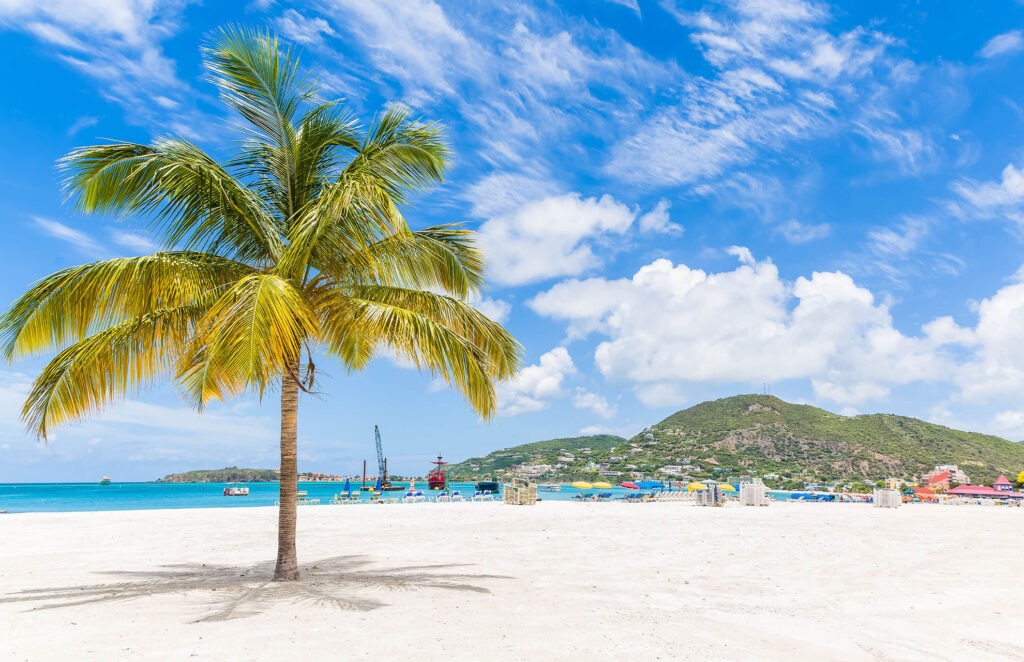
East and south coasts: Orient Bay and Oyster Pond face the Atlantic and are exposed to trades and swell; approach only in fair weather with local knowledge. Great Bay (Philipsburg) provides space to anchor with good access to shops and services; Bobby’s Marina caters to visiting yachts with fuel and alongside berths when available.
St. Barts: Gustavia is the island’s beating heart, combining a protected inner harbour (berths and med‑moor) with a managed outer anchorage on moorings. Advance reservations are sensible in high season. Formalities are handled at the Capitainerie. Around the corner, Anse de Colombier is a marine‑park jewel — moorings only, no anchoring — with excellent shelter except in strong north‑easterlies. Île Fourchue, roughly halfway to St. Martin, has park moorings in clear water and is ideal for lunch or a calm overnight in settled conditions. Other bays (Corossol, Public, St‑Jean) have restrictions and are more exposed; consult the latest marine‑park charts before planning a stop.
Wherever you anchor, favour sand patches, lay adequate scope, and set a snubber or bridle to reduce yaw in the trades. Lock your dinghy when ashore and use an anchor light at night; both are good seamanship and widely observed locally.
FAQs
Is this area suitable for first‑time bareboat skippers?
Yes, provided you’re comfortable with 15–20 knot trades, basic swell management and planning for bridge openings. Choose conservative hops, stick to moorings in the marine parks, and avoid exposed anchorages when a north swell is running.
Do I need to clear customs between the French and Dutch sides?
Yes. St. Martin (French), Sint Maarten (Dutch) and St. Barts are separate jurisdictions. Clear out and in at each border using the designated offices. The process is quick with the correct documents.
Are night entries permitted?
Most charter companies prohibit night sailing and arrivals. Plan to be secured by late afternoon. Gustavia and Marigot are lit but you should only enter after dark with explicit permission and recent local knowledge.
Can I anchor anywhere in Colombier and Tintamarre?
No. These are within marine parks. Use the installed moorings and avoid anchoring on coral or seagrass. Rangers patrol and fines apply for infringements.
How rolly does it get with north swell?
A north or north‑east swell can make north‑facing bays like Grand Case, Tintamarre and Colombier uncomfortable or untenable. On such days prefer leeward anchorages — Marigot, Simpson Bay, or Gustavia’s inner harbour if you have a reservation.
How do the lagoon bridges work?
The Simpson Bay (Dutch) and Sandy Ground (French) bridges open on published schedules. Stand by on the stated VHF channels, queue outside the channel, and wait for the green light. Fees apply; air draft is limited when closed, so do not attempt passage without an opening.
What about fuel, water and repairs?
Fuel and water are available at Fort Louis (Marigot), Bobby’s Marina (Philipsburg) and several lagoon marinas. The lagoon hosts excellent chandleries, riggers and yards. St. Barts has water and limited fuel in Gustavia; technical services are more comprehensive on St. Martin.
Are there sharks or hazardous marine life?
Reef and nurse sharks are occasionally seen and generally shy. The bigger hazards are coral heads, sea urchins and jellyfish in blooms. Wear fins, avoid touching coral, and observe marine‑park guidance.
References
- https://www.cruiserswiki.org/wiki/St._Martin_%26_St._Barts
- https://www.noonsite.com/place/saint-martin/
- https://www.noonsite.com/place/sint-maarten/
- https://www.noonsite.com/place/st-barts/
- https://reservenaturelle-saint-martin.com/
- https://www.portdemer.gp/en/saint-barthelemy/gustavia-port/
- https://meteo-france.mf/antilles-guyane/
- https://www.windguru.cz/
- https://www.navionics.com/
- https://www.portstmaarten.com/
Charter a Yacht
Compare crewed & bareboat charters, learn the best months to sail, and get a custom shortlist from 500+ providers.