
Sailing in Martinique: routes, conditions and practicalities
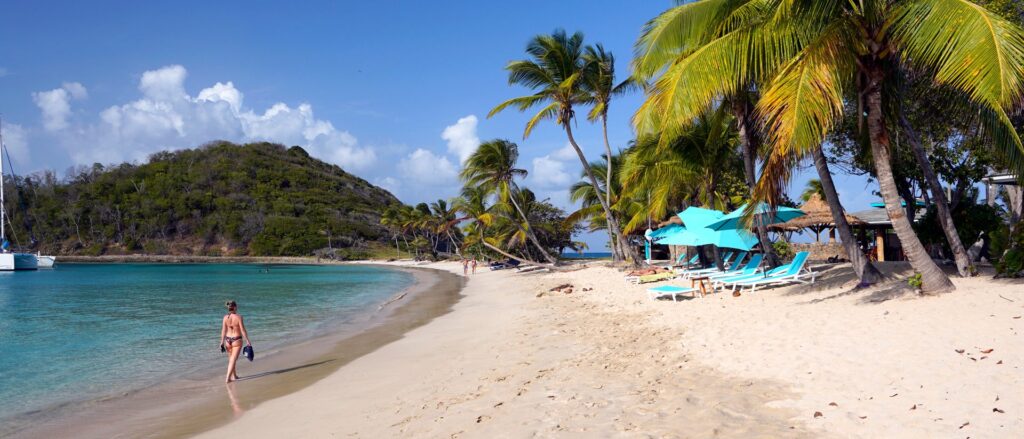
Martinique blends French finesse with Caribbean colour, offering reliable trade winds, well‑serviced marinas, and a coastline that rewards both relaxed cruisers and adventurous passage‑makers. The south has sheltered anchorages and the island’s main charter hub at Le Marin. The west is a scenic run of palm‑lined bays from Les Anses‑d’Arlet to historic Saint‑Pierre beneath Mont Pelée. To the east, experienced skippers can pick their way into turquoise lagoons behind the barrier reef. With short hops, cultural stops, and blue‑water channels to neighbouring islands, this is a destination that makes planning straightforward and sailing memorable.
Whether you want easy day‑sails with sandy‑bottom anchorages or a punchier itinerary that adds open‑water passages to Dominica or Saint Lucia, Martinique keeps logistics simple and the sailing rewarding. Expect clear pilotage, quality shoreside support, and plenty of character ashore—from boulangeries and markets to creole beach bars and rum distilleries.
Quick links
- Sailing in Martinique: routes, conditions and practicalities
- Why Sail in Martinique?
- Itineraries
- When to go
- Wind and weather
- Getting there
- Chartering in Martinique
- Licences and formalities
- Anchorages and marinas
- FAQs
- References
Why Sail in Martinique?
Martinique sits at the heart of the Windwards, where the trades blow with reassuring regularity and the distances between anchorages are pleasingly short. You can be on a lunchtime swim in Sainte‑Anne an hour after casting off at Le Marin, and still have time to reach a sunset mooring in Les Anses‑d’Arlet. The sailing is rarely contrived; the island’s shape creates natural day‑sails along the leeward coast and easy overnighting.
The island also looks after sailors. Le Marin is one of the Caribbean’s best‑equipped yachting hubs, offering deep chandler support, skilled technicians, and simple self‑service clearance. Provisioning is straightforward and the euro pricing is transparent. This infrastructure allows crews to focus on seamanship and enjoyment rather than logistics.
For those who want more bite, there is genuine variety. The Atlantic side delivers classic eyeball navigation through reef‑strewn lagoons in settled weather, while the channels to Dominica and Saint Lucia add open‑water spice with acceleration zones and cross‑seas. Ashore, Martinique’s blend of French patisserie mornings and creole evenings gives each anchorage its own rhythm without losing the island’s cohesive charm.
Itineraries
Below are two tried‑and‑tested sailing itineraries showcasing the best of Martinique’s leeward coast and a longer passage that adds Dominica. Use them as a framework and adjust for weather, crew energy and daylight. All distances are indicative; always check the latest charts and notices before you go.
7‑day Caribbean coast loop from Le Marin
A relaxed circuit ideal for families and first‑time Windward Islands crews. It pairs short, line‑of‑sight hops with palm‑fringed bays, clear snorkelling and easy shore access. Expect sandy bottoms, good holding and lively but manageable trade‑wind afternoons.
Day 1 – Le Marin to Sainte‑Anne
Arrive, brief, and stock up at Le Marin. A gentle shakedown sail around the headland brings you to the broad, sandy anchorage off Sainte‑Anne. Swim, settle the boat, and enjoy a first sunset with the church spire ashore. Keep an eye on depths; it shoals gradually towards the beach.
Day 2 – Sainte‑Anne to Les Anses‑d’Arlet (Bourg)
Coast along the south‑west, keeping well outside the Diamond Rock exclusion zone, then tuck into the charming bay at Bourg des Anses‑d’Arlet. Clear water and a photogenic pier make for unhurried afternoons. If there’s a northerly swell, favour the south side of the bay for a quieter night.
Day 3 – Explore Grand Anse, Anse Dufour and Anse Noire
Short hops between three of Martinique’s most loved snorkelling spots. Turtles are common over the grass beds; arrive early for best visibility and space. Watch for swimmers close to the beach and respect the swimming zones marked by buoys.
Day 4 – Les Trois‑Îlets and Fort‑de‑France
Continue north to Anse Mitan for an easy dinghy ride to Pointe‑du‑Bout’s cafés, or push across to the spacious Fort‑de‑France anchorage for a city stroll and markets. Afternoon katabatics can gust off the hills—set plenty of scope and a snubber.
Day 5 – Up the Volcano Coast to Saint‑Pierre
A scenic reach along a steep‑to shore. Pause at Case‑Pilote or Le Carbet for lunch before continuing to Saint‑Pierre, once the ‘Paris of the Antilles’ and now a serene anchorage under Mont Pelée. In winter, a northerly swell can make these roadsteads rolly—choose your spot with care.
Day 6 – Saint‑Pierre to Anse Mitan or Grand Anse
Morning ashore for the volcano museum or a guided hike, then an afternoon slide back down the lee coast. Choose the livelier Anse Mitan or the quieter Grand Anse for the night. If winds freshen, reef early for a comfortable run.
Day 7 – Return to Le Marin via Sainte‑Anne
An early start gives a relaxed run round the south‑west tip. Stop for a final swim off Sainte‑Anne before entering the well‑marked channel back to Le Marin for fuel and hand‑back. Mind the traffic in the approach and keep to the buoyed fairway.
10‑day Martinique and Dominica passage (for competent crews)
A rewarding open‑water adventure that adds two channel crossings, structured check‑in/out and time to explore Dominica’s wild interior. Plan early departures, reef for acceleration zones and maintain conservative landfalls in good light.
Day 1 – Le Marin to Sainte‑Anne
Short shakedown, swim and settle. Review offshore kit and the passage plan for the channels ahead; stow gear securely and check jackstays and nav lights.
Day 2 – Sainte‑Anne to Grand Anse d’Arlet
Easy coastal hop and systems check. Turtle‑spotting over the grass beds before an early night. Top up water and charge devices ahead of the longer leg.
Day 3 – Grand Anse to Saint‑Pierre
Position for the Dominica Channel with a stop at Saint‑Pierre. Complete exit formalities if leaving next day. Confirm forecast windows and note the west‑setting current.
Day 4 – Saint‑Pierre to Portsmouth, Dominica
Early departure to cross the Dominica Channel. Expect acceleration and a westerly set. Pick up a mooring in Prince Rupert Bay and check in with the P.A.Y.S. boat boys. Secure well—night katabatics can rattle through.
Day 5 – Explore Northern Dominica
Indian River tour and snorkelling at Toucari. Secure the boat for squalls; katabatics can come off the hills at night. Arrange guided tours ashore for the best experience and local insight.
Day 6 – Portsmouth to Roseau
Short coastal leg to Roseau’s mooring field. Option to arrange a waterfalls or hot springs tour ashore. The moorings here are deep—check tackle and use lines long enough for comfortable leads.
Day 7 – Roseau to Saint‑Pierre (Martinique)
Re‑cross the channel on a lifting breeze. Clear back into Martinique at Saint‑Pierre and enjoy a calm evening below the volcano. Keep a lookout for fishing floats when approaching the coast.
Day 8 – Saint‑Pierre to Fort‑de‑France or Anse Mitan
Glide down the lee coast. Choose between a cultural evening in the capital or a resort vibe at Pointe‑du‑Bout. Either option offers good provisioning before the final legs.
Day 9 – Anse Mitan to Sainte‑Anne
Unhurried sail back round the south‑west tip for a final swim in gin‑clear water. Anchor in sand with space to swing; it can be busy at weekends.
Day 10 – Sainte‑Anne to Le Marin
Short hop into Le Marin. Refuel, de‑rig, and enjoy a last boulangerie stop before departure. Leave time for base checks and any post‑charter formalities.
When to go
The dry season runs from December to May, bringing the most settled sailing with predominantly east to north‑east trades, lower rainfall, and excellent visibility. December and January can see ‘Christmas winds’ with brisker conditions and frequent 20–25‑knot days. February to April is a sweet spot for steady breezes and warm, clear water.
The wet season spans June to November. Wind eases a little and humidity rises, with lively squalls and occasional calms around tropical waves. The official hurricane season is June to November, with the highest risk typically from August to October. Many charter operators reduce or suspend fleets during the peak months; those operating will look for conservative routing and close attention to forecasts.
Sea temperatures sit around 26–29 °C year‑round, and tidal range is modest (generally under 0.6 m). Northern ground swells in winter can make anchorages open to the north rolly. Sargassum seaweed influxes affect the Atlantic and south‑east shores mainly in spring and summer; impact varies year to year. If you enjoy local culture, Carnival typically falls in February and brings vibrant street parades—plan marina berths and provisioning early.
Wind and weather
Prevailing trades blow from the north‑east to east in winter at 15–25 knots and trend east to south‑east in summer at 10–20 knots. Expect stronger gusts in squalls and near headlands, and acceleration in the channels north to Dominica and south to Saint Lucia. A west‑setting current of 0.5–2 knots is common in open water and is most noticeable mid‑channel.
On the Caribbean (leeward) coast, seas are moderate and sailing is typically comfortable, though katabatic gusts roll off the mountains in the afternoons. The Atlantic (windward) side carries an ocean swell and there are extensive reefs; entry to lagoons such as Le François, Le Robert and Le Vauclin demands settled weather, good sun overhead, and eyeball navigation. Night entries to reef passes are inappropriate.
Forecasts: Météo‑France Antilles‑Guyane provides coastal bulletins and GRIBs. CROSS Antilles‑Guyane broadcasts marine weather and safety information on VHF after a call on Channel 16. Many crews also use app‑based GRIBs (e.g. AROME, ICON, GFS) and local synoptic charts. Given rapid squall development, update forecasts daily and eyeball conditions before committing to reef passes.
Getting there
Aim for Martinique Aimé Césaire International Airport (FDF), about 30–45 minutes by road from Le Marin. There are frequent direct flights from Paris and regular connections via Guadeloupe, Saint Martin, Saint Lucia and other hubs. Pre‑booked taxi or minibus transfers are the simplest way to reach the marina; rental cars are widely available if you plan longer shore excursions.
Le Marin is a major yachting centre with large supermarkets, bakeries, fresh markets and specialist chandleries clustered around the harbour. ATMs are common, and cards are widely accepted. The local currency is the euro. French is the official language; English is routinely spoken in marine businesses. Mobile coverage is good around the coast, with EU roaming often included for European SIMs. Weekend opening hours can vary—plan big provisioning on weekday afternoons when stores are quieter.
Chartering in Martinique
Most bareboat and crewed charters start at Le Marin, which hosts one of the Caribbean’s largest fleets and a complete ecosystem of repair yards, riggers, sailmakers, divers and provisioning services. Turnarounds are well‑drilled and check‑in/out is efficient, with fuel and water available on dedicated docks.
Boat choice often reflects your route. Catamarans are popular for family groups and for the shallow anchorages and lagoon exploration typical of the south and east in settled weather. Monohulls appeal to those planning livelier channel passages or who prefer a more tactile sail. Crewed yachts suit hands‑off holidays and allow more ambitious routing with professional oversight.
Typical weeks trace the easy leeward shore from Sainte‑Anne to Saint‑Pierre. Longer charters may add Dominica or Saint Lucia, weather and operator permissions allowing. Discuss any plan to attempt Atlantic reef passes with your base; many companies restrict or prohibit entries to certain lagoons. Peak season is December to April; book early for the Christmas and February half‑term weeks. Shoulder months (May–June and November) offer attractive pricing and quieter anchorages. Summer charters run on a more conservative weather footing. Expect a refundable security deposit or damage waiver, and factor in end‑cleaning, outboard, water‑toys and potential mooring fees.
Licences and formalities
Skipper competence: While French law does not impose a universal coastal licence for visiting yachts, charter operators in Martinique typically require proof of competence such as an ICC, RYA Day Skipper (Practical) or ASA 104 (or higher), plus a concise sailing CV detailing recent experience on comparable boats. A VHF Short Range Certificate is widely expected for the skipper. Some fleets also ask for an experienced co‑skipper.
Customs and immigration: Martinique is an overseas department of France and part of the EU. Yachts arriving from non‑EU territories must clear in and out. Clearance is straightforward at computer terminals hosted by marinas and designated businesses (notably in Le Marin, Fort‑de‑France and Saint‑Pierre). Bring ship’s papers, passports and a crew list. There are generally no fees. If you plan to sail to Dominica or Saint Lucia, complete exit formalities before departure and follow the destination’s entry rules and port‑of‑entry requirements.
On‑water rules and environment: Navigation marks follow IALA‑A. Keep clear of marine reserve zones and seagrass beds; use moorings where provided and anchor only in sand. Discharge grey and black water offshore and avoid plastic use. Night entries to reef passes on the Atlantic side are inappropriate; plan arrivals with high sun for reef reading.
Insurance and equipment: Ensure your charter insurance covers named cruising grounds and hurricane season clauses if relevant. Carry paper charts as backup to plotters and maintain a careful watch for fishing pot markers, especially near the south coast.
Anchorages and marinas
South coast – Le Marin and Sainte‑Anne
Le Marin is the island’s yachting capital, a deep mangrove‑lined cul‑de‑sac with extensive berths, fuel, water and a full spectrum of technical services. The approach is well‑buoyed and manageable in most conditions. Just outside, Sainte‑Anne offers a vast sandy roadstead with good holding, line‑of‑sight approaches and easy shore access for beaches and restaurants.
Expect busy traffic in peak season; monitor VHF and keep to the marked channel. In Sainte‑Anne, give space to swim areas and avoid seagrass patches—there is ample sand in 3–6 metres.
South‑west and west – Les Anses‑d’Arlet to Fort‑de‑France
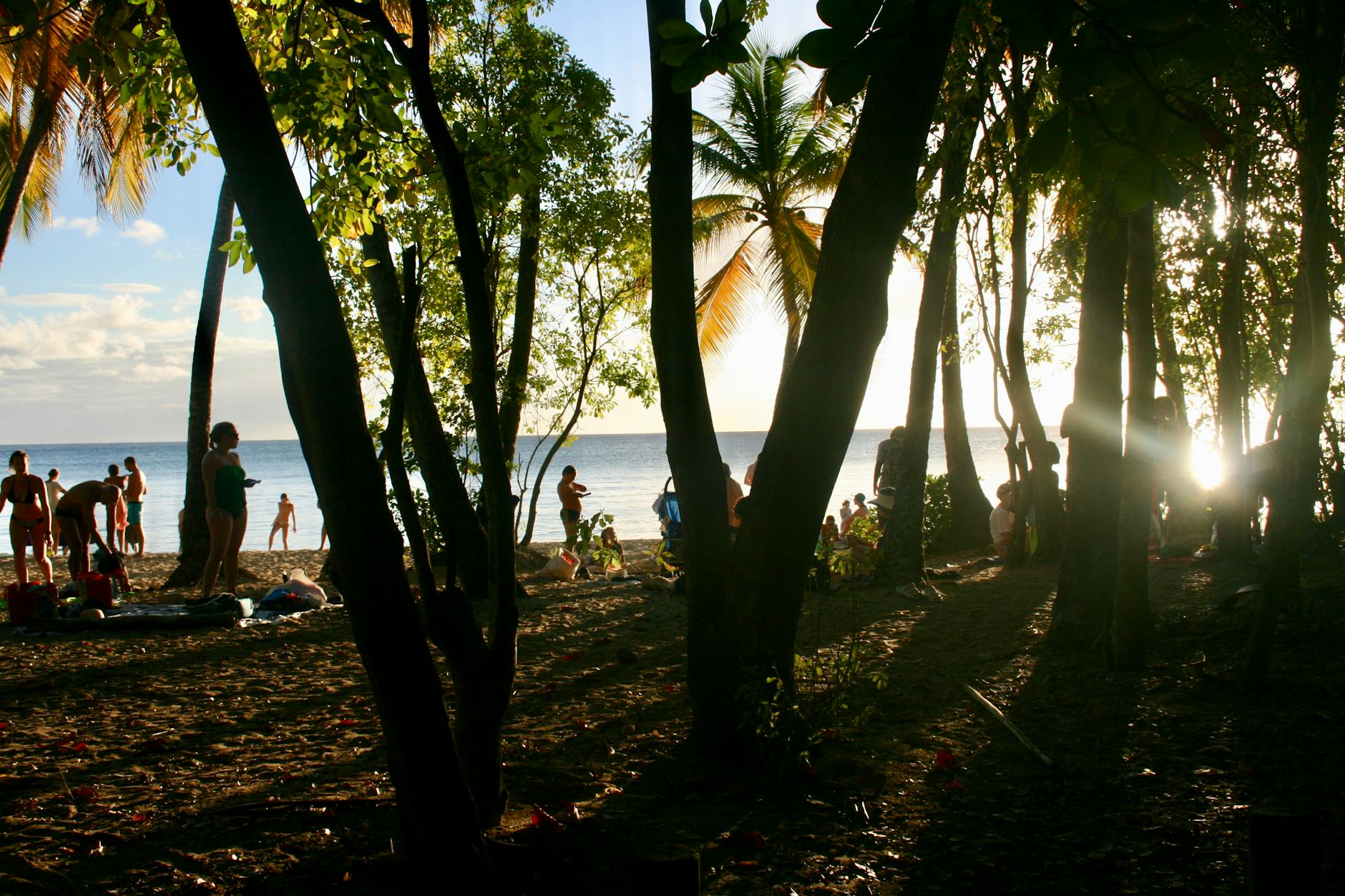
A chain of welcoming bays lines this coast. Grand Anse d’Arlet, Anse Dufour and Anse Noire are renowned for snorkelling and turtle encounters. Bourg des Anses‑d’Arlet combines charm with practicalities such as a dinghy dock and shops. Northwards, Anse Mitan at Pointe‑du‑Bout provides a lively scene with ferry links across to Fort‑de‑France, where a large anchorage lies under the citadel and near markets. Holding is generally good in sand; be mindful of katabatic gusts and weekend crowding.
In fresh trades, reef for the bends around headlands and expect bullets off steep terrain. Many bays have designated swimming zones—rig a stern light and show good dinghy etiquette after dark.
North‑west – Saint‑Pierre and the Volcano Coast
Saint‑Pierre sits under Mont Pelée with a generous anchorage and access to historical sites and provisioning. Moorings may be available; otherwise, anchor in sand with space to swing. Continue options include Le Carbet and Case‑Pilote for lunch stops. In winter, northerly swells can creep in and make these roadsteads rolly.
Depths increase quickly close to shore; favour shallower shelves for comfort and avoid anchoring too near the ferry dock or channel.
Atlantic and east coast lagoons – for experienced crews
Behind the barrier reefs at Le François, Le Robert and Le Vauclin are luminous, shallow lagoons dotted with islets (îlets) and white‑sand ‘fonds blancs’. Entry requires settled weather, midday sun for eyeball navigation, and precise pilotage through charted passes. Once inside, the water flattens and the anchorages are exquisite, but depths vary and coral heads demand care. Consult local notices and adhere to mooring/anchoring restrictions designed to protect seagrass and coral.
Post a bow lookout, proceed slowly and avoid any movement near dusk. Many charter contracts restrict reef entries—confirm permissions before departure.
Channels to neighbours
The Dominica Channel (north) and Saint Lucia Channel (south) can be lively, with wind acceleration, cross‑seas and a steady west‑setting current. Reef accordingly before departure, lash the dinghy, and secure the cabin. Plan conservative landfalls and daylight arrivals, particularly when returning to the lee of Martinique where gusts spill from the hills.
Choose a single, well‑briefed helm for the first hour after clearing the headland; this is when sea state steps up and sail trim and course selection matter most.
FAQs
Is Martinique suitable for first‑time Caribbean charter crews?
Yes. The south and west coasts offer short, line‑of‑sight hops, settled anchorages and outstanding support at Le Marin. Choose a conservative plan in winter trades and avoid the Atlantic reef passes unless you have relevant experience.
Do I need a specific licence to skipper a bareboat in Martinique?
There is no single legal licence requirement for visiting skippers, but charter companies typically ask for proof of competence such as an ICC, RYA Day Skipper or ASA 104, plus a VHF certificate and a recent experience log.
Can I explore the east coast lagoons behind the reef?
Yes, in suitable weather and if your charter agreement permits it. Enter only in daylight with the sun high, post a bow lookout, follow the marks precisely, and anchor in sand clear of coral and seagrass. Avoid night movements.
Are there moorings or should I anchor?
You will mostly anchor in sand. Some bays and towns provide moorings; take them where provided, particularly in protected or crowded areas. Always check the tackle and pay any posted fees.
What about swell and roll on the west coast?
Winter ground swells from the north can reach open bays and cause rolling. Choose more enclosed anchorages when northerly swell is forecast and rig a stern bridle or flopper stopper if needed.
Is dinghy or outboard theft an issue?
Incidents are occasional but preventable. Lock the dinghy to the dock or your yacht, lift it at night, and remove the outboard kill cord and fuel line. Do not leave valuables in the tender.
Are fuel, water and repairs easy to arrange?
Yes. Le Marin has multiple fuel berths, water points, chandleries and skilled technicians. Outside Le Marin, services are limited; plan to replenish when passing through the south.
Can I sail to Dominica or Saint Lucia on a one‑week charter?
It is possible for competent crews in settled weather, but you will have a passage‑focused itinerary. Many prefer to keep a seven‑day charter within Martinique and add a second week for inter‑island passages.
References
- https://www.cruiserswiki.org/wiki/Martinique
- https://www.noonsite.com/place/martinique/
- https://meteofrance.gp/fr/antilles
- https://www.martinique.org
- https://diffusion.shom.fr
- https://www.express-des-iles.fr
- https://www.dreamyachtcharter.com/destination/caribbean/martinique/
- https://www.rya.org.uk/knowledge/requirements/icc
Charter a Yacht
Compare crewed & bareboat charters, learn the best months to sail, and get a custom shortlist from 500+ providers.