
Sailing in Alicante: routes, winds and practicalities on the Costa Blanca
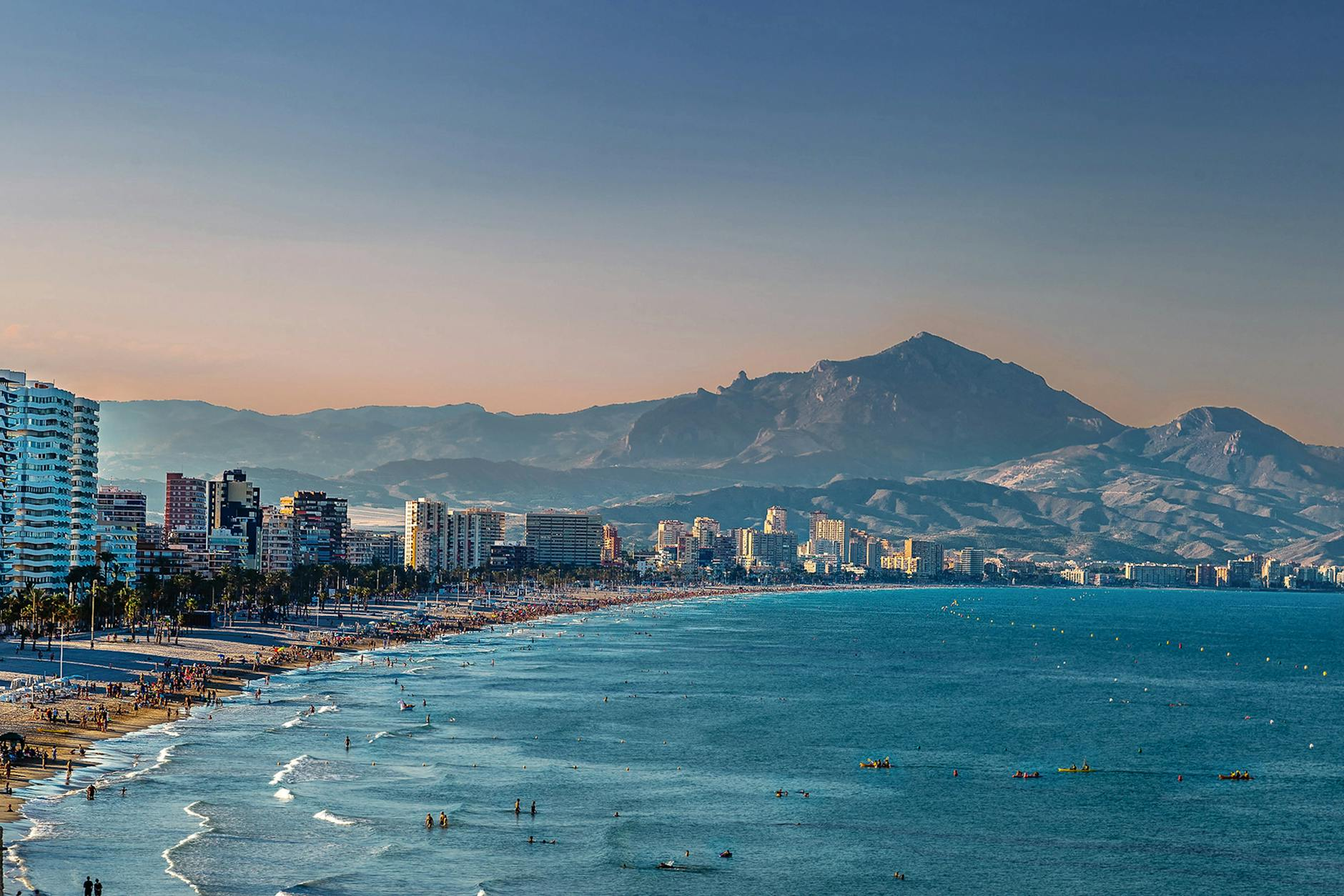
Alicante in the south of Spain, rewards skippers with clear water, reliable summer breezes and a string of well‑run harbours from Santa Pola to Jávea. The coastline is forgiving by Mediterranean standards, tidal range is negligible, navigation is largely line‑of‑sight, yet it remains engaging thanks to capes that funnel wind, afternoon sea breezes that fill in smartly, and protected marine reserves that invite careful anchoring. Whether you want an easy weekend around Tabarca or a week stepping north through Altea, Calpe and Moraira, Alicante provides the blend of short hops, scenic anchorages and competent marina infrastructure that makes a charter feel seamless.
Quick links
Jump to key sections of this Alicante sailing guide:
- Sailing in Alicante: routes, winds and practicalities on the Costa Blanca
- Why Sail in Alicante?
- Itineraries
- When to go
- Wind and weather
- Getting there
- Chartering
- Licences and formalities
- Anchorages and marinas
- FAQs
- References
Why Sail in Alicante?
- Varied coastline in compact reach: From the flat salt pans of Santa Pola to the limestone headlands of Calpe and Moraira, you move quickly between distinct micro‑coastlines. This keeps passages short while ensuring each day feels different.
- Dependable summer pattern: Sea breezes establish predictably from late morning, typically offering a comfortable 10–18 knots onshore, with sheltered options if the Levante freshens. Autumn and spring bring more gradient wind for those seeking livelier sailing.
- Excellent harbour network: Frequent, professional marinas—Alicante, Altea, Calpe, Moraira, Torrevieja—make provisioning and crew changes straightforward. Many sit within attractive old towns, so evenings are as rewarding as the day’s run.
- Gateway to island cruising: While this guide focuses on the Costa Blanca, Alicante also serves as a realistic springboard to Ibiza for experienced crews, with Sant Antoni roughly 90 NM away in settled conditions.
Put simply, Alicante is stress‑light and scenery‑rich. You can keep days flexible, choose between marinas or anchorages based on the afternoon breeze, and still finish within a short stroll of waterfront tapas or sandy beaches. It is an ideal region for first‑time Mediterranean charters and relaxed family crews alike.
Alicante Sailing Itineraries
Below are two tried‑and‑tested Alicante sailing itineraries: a week‑long northbound circuit and a gentle long‑weekend around Tabarca. Adjust departure times around the daily sea‑breeze cycle, and always confirm seasonal mooring and anchoring rules within marine reserves.
7-day Northern Costa Blanca Circuit (Alicante round trip)
A 7-day route. Adjust legs to forecast, moorings and crew preferences.
This scenic loop strings together classic Costa Blanca ports with clear‑water coves under capes that reliably accelerate the breeze. Expect mostly short hops (8–35 NM), easy provisioning and options to anchor or berth most nights.
Day 1 – Alicante to Altea (via El Campello)
Shake down along an easy lee shore. Pause for lunch off El Campello in settled weather, then continue to Altea’s amphitheatre‑style bay beneath the white‑domed church. Plan roughly 25–30 NM depending on your anchorage choice; arrive early to secure a visitor berth or a calm spot to anchor.
Day 2 – Altea to Calpe (Peñón de Ifach)
A short scenic hop of about 8 NM. Round Punta Bombarda and track the coastline beneath the Peñón. Arrive early to hike the rock or swim in clear water south of the harbour. Visitor berths are limited in high summer—call ahead by midday.
Day 3 – Calpe to Moraira
Work the morning calm or the early Poniente offshore, then enjoy a lazy afternoon sail as the sea breeze fills. Anchor in El Portet if conditions suit, or take a berth in CN Moraira. Around 10–12 NM with time for a swim stop en route.
Day 4 – Moraira to Xàbia (Jávea) via coves
Thread past Cap d’Or and explore coves such as Granadella and Portitxol in settled weather. Overnight in Jávea’s port or on a mooring if available. Allow a relaxed 12–18 NM including cove detours; watch for thermal gusts near headlands.
Day 5 – Xàbia to Villajoyosa (La Vila Joiosa)
A longer reach retracing your route past Moraira and Calpe. Villajoyosa’s colourful waterfront and quieter marina make a relaxed stop. Expect 35–40 NM; leave with the morning gradient wind and enjoy the afternoon sea breeze abaft the beam.
Day 6 – Villajoyosa to Tabarca (or Santa Pola)
Time your departure to ride the afternoon sea breeze. In light airs this is an easy motor‑sail. Pick up a visitor buoy on the NW side of Tabarca (summer) or continue to Santa Pola if conditions are exposed. Distance 20–30 NM depending on your overnight choice.
Day 7 – Tabarca/Santa Pola to Alicante
A short final leg of around 10–14 NM. Enter Alicante in daylight as local fishing traffic and training fleets can be busy near the harbour approaches. Top up fuel and allow time for check‑out.
3-day Weekend South: Tabarca and Santa Pola
A 3-day route. Adjust legs to forecast, moorings and crew preferences.
A compact weekend perfect for newcomers or mixed‑experience crews. Distances are short, anchorages are sandy and the marine reserve rewards unhurried swims and snorkelling.
Day 1 – Alicante to Tabarca
Depart after provisioning and pick up a buoy on the NW of the island. Snorkel the marine reserve and dine ashore out of day‑tripper hours. Allow 11–13 NM, keeping a prudent distance from shallow fringes around the reserve.
Day 2 – Tabarca to Santa Pola
A lazy morning swim before a very short hop to Santa Pola. Stroll the paseo and stock up on fresh seafood for the crew. It’s typically 6–8 NM; arrive early if a Levante is forecast to build swell into open bays.
Day 3 – Santa Pola to Alicante
Return on the sea breeze; keep an eye out for local race fleets off Alicante at weekends. Around 12–15 NM with straightforward approaches to the marina.
When to go
High season runs June to September, when sea breezes are reliable, rainfall is low and sea temperatures sit around 24–27°C. July and August are hottest (often 30–34°C ashore) and marinas are busiest—book ahead.
May and October are excellent shoulder months: the water remains warm enough to swim, crowds ease and you’ll get more gradient wind for satisfying passages. Winter sailing is feasible with many services open, but expect cooler water (14–16°C), occasional strong westerlies and short Mediterranean lows. Autumn (particularly September–October) can see DANA/Gota Fría events—intense rainstorms best handled by seeking secure berths early and monitoring forecasts closely.
For comfort, plan earlier starts during peak heat, carry robust sun protection and schedule longer hikes or provisioning runs for mornings or evenings.
Wind and Weather in Alicante
Seasonal pattern
- Summer (June–September): Mornings are often light, followed by an established E–SE sea breeze building to 10–18 knots from late morning into the afternoon. Nights calm down again. Expect thermal enhancement near capes such as Cabo de la Nao and Cap d’Or.
- Spring and autumn: More variable gradient winds. Fresh easterlies (Levante) can set in for 24–72 hours, bringing chop and swell. Between systems, delightful sailing with mixed directions is common.
- Winter: Predominantly westerlies (Poniente) off the land, sometimes strong and gusty near headlands. Short, active lows may whip up steep seas if an easterly coincides with swell.
Plan headland roundings for the morning lull when possible, then enjoy lively yet manageable afternoon sails under reefed main and genoa as needed.
Local effects to plan for
- Poniente: Dry W–NW offshore winds produce flat water close to shore but can be gusty, especially in the mornings. Reef early when leaving harbour if capes accelerate the flow.
- Levante: E–NE onshore winds bring swell into open bays; choose harbours with breakwaters facing east (Calpe, Altea, Santa Pola, Torrevieja) or tuck behind headlands. Sea state can remain awkward after the wind eases.
- Sea breeze/land breeze: The diurnal cycle is pronounced. Use light mornings for headland roundings; save open‑bay anchorages for mid‑afternoon once you’ve tested shelter.
These micro‑effects are predictable with experience. Keep an eye on water colour and cat’s‑paws to anticipate gust lines, and brief the crew before each cape.
Sea state, tides and visibility
- Sea state: Generally slight to moderate. Steeper chop develops with strong Levante, notably around Cabo de Santa Pola, Cap d’Or and Cabo de la Nao.
- Tides and currents: Tidal height is negligible (typically <0.3 m) and currents are weak; set and drift are mainly wind‑driven. Harbour entrances can be affected by cross‑winds rather than tide.
- Visibility: Sea breezes clear haze; occasional spring dust (calima) or autumn downpours reduce visibility temporarily.
Minimal tides simplify pilotage; in return, give extra weight to wind direction and forecast swell when choosing overnight spots.
Forecasting and data
Use multiple sources to build confidence in the day’s plan and to spot Levante or Poniente spells in advance.
- AEMET coastal forecasts for wind and sea state.
- Puertos del Estado buoy data for swell trends and wave periods.
- Local marina notices and harbourmaster updates for temporary restrictions.
Cross‑checking models with local observations pays off around capes where thermals amplify or suppress the gradient wind.
Getting there
By air
Alicante–Elche Airport (ALC) is the regional hub, 11 km from the city. Taxis and frequent buses run to the marina in 20–30 minutes. Most charter bases can arrange private transfers for late arrivals.
By rail
High‑speed AVE and Intercity trains connect Alicante with Madrid and other major cities. The station is a short taxi ride to the waterfront, and luggage storage is available if you arrive before your check‑in window.
By road
The AP‑7 motorway tracks the coast, with straightforward access and plentiful parking near major marinas. Allow extra time on peak summer weekends when beach traffic builds.
By ferry
While Alicante operates local ferries to Tabarca, the main Balearic ferry links depart from Dénia (north of the province). If planning an Ibiza crossing, consider embarking from Dénia or Jávea for the shortest sea legs.
Chartering in Alicante
Bases and fleet
Alicante city hosts several charter operators, with additional fleets in Torrevieja, Altea/Calpe and nearby Dénia (a major hub for Balearic crossings). Expect late‑model monohulls in the 34–50 ft range and an increasing number of 38–45 ft catamarans. Inventory levels are highest from late spring through early autumn.
Booking rhythm
- Peak weeks (late June–late August) sell out early; secure your boat 4–6 months ahead.
- Shoulder seasons offer better pricing and flexibility, including shorter charters and one‑way options by arrangement.
For the best mix of value and availability, target late May, June or September and confirm add‑ons (towels, outboard, Wi‑Fi) at booking to avoid last‑minute shortages.
Skippered vs bareboat
Competent crews will find navigation straightforward. If you prefer to focus on the coastline and cuisine, skippers and hostesses are readily available. Many operators also offer flotillas in high summer, which can be a relaxed way for newer skippers to gain confidence while enjoying social evenings.
Base practicalities
Check‑ins commonly start Friday afternoon or Saturday. Fuel docks are located within the main marinas (Alicante, Santa Pola, Torrevieja, Altea, Calpe, Moraira, Xàbia). Expect Mediterranean moorings (stern‑to with lazy lines). Overnight fees vary by length and season; visitor berths are most limited in August—call ahead by mid‑afternoon and be ready with lines and fenders both sides.
What to expect afloat
Short, scenic day runs with numerous bolt‑holes; afternoon sailing under reliable thermals; clear‑water swims over sand and seagrass; and the occasional day of stiff Levante that rewards early starts and prudent harbour choices. Carry masks for mooring fields, a leadline or sounder awareness in Posidonia zones and a light kedge if you plan to lunch‑stop off beaches.
Licences and formalities
Skipper certification (bareboat)
- ICC (International Certificate of Competence) with sail endorsement, or
- RYA Day Skipper Practical (widely accepted), and
- VHF Short Range Certificate (SRC) for the radio.
Charter companies may vary by LOA and insurance; check your operator’s exact requirements. Minimum skipper age is typically 18–21. Bring original certificates as bases may not accept digital copies alone.
Documents to carry
Carry passport/ID for all crew, crew list/charter contract, vessel registration and insurance, radio licence, and proof of qualifications. Non‑EU nationals should confirm Schengen entry rules and carry appropriate visas. Keep digital scans as backup.
Local regulations and good practice
- MPAs: The Isla de Tabarca Marine Reserve and the Serra Gelada coastal reserve (Benidorm/Altea) have anchoring restrictions; use visitor buoys where provided and avoid seagrass (Posidonia) beds.
- Speed and approach: Observe speed limits near beaches and within 200 m of the shore. Keep clear of swimmers, dive flags and local fishing gear.
- Environmental: Use holding tanks in harbours and sensitive areas; dispose of waste oil and rubbish in marina facilities.
Enforcement is active in summer. Check local notices to mariners for seasonal buoy fields and temporary exclusions, especially near festivals or regattas.
Check‑in/out
Mediterranean moorings with lazy lines are standard. On return, refuel at the base and allow time for diver or base inspections if stipulated by your contract. Photograph topsides on handover and note any pre‑existing marks.

Anchorages and marinas
North of Alicante to Cabo de la Nao
- El Campello (Club Náutico): Handy lunch stop in settled weather with marina berths for overnights. Watch for afternoon onshore breezes when anchoring off the beach.
- Villajoyosa: Friendly harbour with space for visitors; colourful old town ashore. Anchorage options are limited by exposure to easterlies.
- Benidorm and Isla de Benidorm: Attractive in calm, but within a protected natural area—check current restrictions and keep well clear of marked zones.
- Altea: Two principal facilities—Port d’Altea (townside) and Marina Greenwich/Campomanes (on the Greenwich meridian). Sheltered in Levante, with good dining and services.
- Calpe (Peñón de Ifach): Approaches are straightforward and well‑marked; limited visitor berths in summer. A small anchorage area south of the breakwater can be tolerable in light winds.
- Moraira: Well‑run club marina with quick access to El Portet’s turquoise anchorage in settled conditions. Exposed in strong easterlies.
- Xàbia (Jávea): Club Náutico and harbour berths; several coves (Granadella, Portitxol) are delightful in light weather and busy in summer. Expect seasonal buoys and restrictions to protect seagrass.
This stretch delivers the highest concentration of picture‑postcard coves. Arrive early for lunch stops, post lookouts for swimmers and kayaks, and always favour sand patches when dropping the hook.
Alicante and Tabarca
- Alicante: La Marina de Alicante and the Real Club de Regatas provide ample berths, provisioning and maintenance. Approaches are busy with fishing traffic and leisure craft—arrive with sunlight.
- Isla de Tabarca: Spain’s first marine reserve. Anchoring is restricted; visitor moorings (usually on the NW) are the norm in season. Crystal water, snorkelling and daytime bustle from excursion boats; quieter evenings for yachts.
- Santa Pola: Multiple facilities (Club Náutico and Marina Miramar). Well‑protected in easterlies; useful base if Tabarca is exposed.
Tabarca rewards patience: wait for lighter afternoons to pick up a buoy, and keep clear of shallow ledges. If the wind shifts onshore, Santa Pola is minutes away with excellent shelter.
South to Torrevieja and Guardamar
- Torrevieja: Several marinas (RCN, Marina Internacional, Marina Salinas) with abundant berths, fuel and repairs. Sheltered entrances and a practical stop before or after longer legs.
- Guardamar del Segura: Marina de las Dunas sits inside the river mouth and offers solid shelter with a bar across the entrance in heavy swell—enter with caution after storms.
Facilities improve markedly as you head into Torrevieja. If you need technical assistance or spare parts, plan a night here and tackle maintenance first thing in the morning.
General notes
Holding is typically sand with patches of Posidonia; always anchor on sand. Fish farms are charted off sections of the coast—give them a wide berth. The minimal tidal range simplifies mooring but leaves you exposed to any swell, so choose berths with breakwater protection in forecast Levante. A snorkel check on your anchor is always worthwhile in clear water.
FAQs
What is the best month to sail in Alicante?
May, June and September strike the best balance of warm water, reliable sea breezes and manageable marina demand. July–August are hottest and busiest; April and October can be excellent with more variable winds.
How strong is the typical wind?
In summer the afternoon sea breeze commonly builds to 10–18 knots from the E–SE. Levante episodes or winter Poniente can be stronger—reef early near headlands where wind accelerates.
Can I anchor at Tabarca?
Anchoring is restricted within the marine reserve. In season, pick up the visitor moorings on the NW side. Outside the mooring season, only anchor on sand, well clear of seagrass and marked exclusions.
Is night entry recommended?
Approaches are well‑lit, but local fishing gear, training fleets and occasional swell make daylight arrivals safer, especially at smaller ports or after Levante.
How far is Ibiza from Alicante?
Sant Antoni (Ibiza) is roughly 90–100 NM from Alicante depending on your track. Attempt the crossing only in settled weather with an experienced crew and a well‑prepared boat.
What qualifications do I need to charter?
Charter companies typically accept an ICC with sail endorsement or RYA Day Skipper, plus a VHF SRC. Requirements vary by boat size and insurer—confirm with your operator.
Are there tides or strong currents to worry about?
Tidal range is minimal and currents are generally weak. Wind creates the dominant set and sea state, so plan primarily around forecast wind and swell.
Are jellyfish a problem?
Jellyfish can appear sporadically, particularly after onshore winds. Locals check beach flags and swim platforms; moving a short distance often finds clear water.
References
- https://www.cruiserswiki.org/wiki/Alicante
- https://www.cruiserswiki.org/wiki/Spain
- https://www.aemet.es/en/eltiempo/prediccion/maritima
- https://www.puertos.es/en-us/oceanografia/Paginas/portus.aspx
- https://parquesnaturales.gva.es/en/web/pn-sierra-helada
- https://www.mapa.gob.es/es/pesca/temas/proteccion-recursos-pesqueros/reservas-marinas/tabarca
- https://www.aena.es/en/alicante-elche-miguel-hernandez.html
- https://www.rya.org.uk/knowledge/abroad/icc
Charter a Yacht
Compare crewed & bareboat charters, learn the best months to sail, and get a custom shortlist from 500+ providers.