
Why Sail in Tuscany? The Tuscan Archipelago (Elba & Giglio)
The Tuscan Archipelago sits in the Tyrrhenian Sea off Tuscany’s coast, in Italy. Elba, the largest island, is ringed with sheltered bays, cultured harbours and clear-water anchorages within easy reach of mainland bases such as Marina di Scarlino and Punta Ala. A little farther south, Giglio rewards the extra miles with rugged granite cliffs, pine-scented hillsides and translucent coves.
This area suits crews seeking dependable summer sailing with short, varied passages and plenty of stopovers for swims, strolls and long lunches. Mornings are typically calm, afternoons bring predictable sea-breezes, and distances between safe havens are modest—ideal for mixed-experience crews and families, provided the skipper is confident with Med-style mooring and anchoring in afternoon thermals.
Itineraries
Below are suggested routes that balance scenic hops, reliable shelter and shore time. Distances are approximate nautical miles and assume settled summer weather. Always adapt your plan to the forecast and daylight.
7-Day Elba & Giglio Loop from Marina di Scarlino
A classic week that samples Elba’s south, west and north coasts before a blue-water leg to Giglio. Expect flat morning seas, lively but manageable afternoon breezes, and plentiful anchorages in sand. Book popular berths ahead in July–August.
Day 1: Marina di Scarlino to Porto Azzurro (Elba) ~18 NM
Complete handover checks, then shape a course across the Gulf of Follonica. The Piombino Channel can amplify wind versus forecast; earlier departures are calmer. Enter Porto Azzurro’s fjord-like inlet and pick up a marina berth or town mooring. Stock up ashore and, time permitting, taxi up to Capoliveri’s hilltop lanes for sunset views.
Day 2: Porto Azzurro to Marina di Campo via Golfo Stella ~20 NM
Slide along Elba’s south coast. Pause for a lunch hook in Golfo Stella over pale sand (mind Posidonia patches). Continue to Marina di Campo, a wide sandy bay with excellent holding in 4–8 m. Afternoon thermals often sit on the beam or quarter; plan swims and shore runs before the evening breeze eases.
Day 3: Marina di Campo to Marciana Marina, via Cavoli & Fetovaia ~22 NM
Make short swim-stops at Cavoli and Fetovaia, both turquoise and sheltered in northerlies—keep clear of swim zones. Round Capo di Poro where gusts can accelerate, then set for characterful Marciana Marina. Reserve in peak season; in northerlies the basin can surge, so rig generous springs and fenders.
Day 4: Marciana Marina to Portoferraio via Enfola/Procchio ~18 NM
Hug Elba’s north coast with an easy hop. Anchor for lunch under the Enfola tombolo or in Procchio’s bay, then continue to Portoferraio beneath the Medici walls. Choose between marina berths, managed town moorings or the spacious roadstead (good holding) and allow for frequent ferry wash.
Day 5: Portoferraio to Giglio Porto ~40 NM
Depart early for a purposeful open-water leg. Typical summer sea-breezes give a beam or broad reach. Call ahead to the ormeggiatori at Giglio Porto for a berth; spaces are limited. In settled weather you may anchor outside, but avoid the harbour in Scirocco which sends swell into the inlet.
Day 6: Giglio day – Campese and Cannelle ~12–18 NM
Enjoy a relaxed island loop. Start in crystalline Cala Cannelle for morning snorkelling, then round to the wide sweep of Campese Bay for a contrasting west-coast feel. Mind swim buoys and keep clear of rocky patches. Return to Giglio Porto for dinner along the colourful waterfront.
Day 7: Giglio Porto to Marina di Scarlino ~45 NM
Make a tidy return passage to the mainland. If timing or conditions dictate, stage via Punta Ala or Talamone for lunch or fuel. Expect queueing at the fuel dock on Fridays; arrive with time to spare for check-in.
4-Day Elba Taster from Portoferraio
A compact long-weekend circuit with short hops, swim stops and time ashore. Perfect for a first taste of Elba or a late-summer getaway.
Day 1: Portoferraio to Porto Azzurro ~15 NM
Exit Portoferraio’s busy roadstead—watch ferries—then curve south-east along the coast. Aim to arrive by mid-afternoon to secure a berth or mooring. Enjoy an evening passeggiata and dinner on the waterfront.
Day 2: Porto Azzurro to Marina di Campo via Golfo Stella ~20 NM
Potter along the south coast with a lunch stop in Golfo Stella. Seek sand patches to protect seagrass. Anchor in Marina di Campo over sand for an easy swim-to-shore and gelato on the promenade.
Day 3: Marina di Campo to Marciana Marina via Fetovaia ~22 NM
Swim at Fetovaia’s postcard cove before continuing around Elba’s west. In Marciana Marina, book ahead in high season and rig for potential surge if a northerly is blowing. Excellent dining lines the stone quays.
Day 4: Marciana Marina to Portoferraio via Enfola/Procchio ~18 NM
A north coast day-sail with a lunch hook under Enfola or in Procchio. Return to Portoferraio, refuel as required, and hand the yacht back on schedule.
Sailing in Tuscany: When to go
Overview
May to October is the principal season. Water warms quickly from late spring, mornings are settled for relaxed starts, and afternoons bring predictable sea-breezes for enjoyable sailing. Outside peak summer you’ll find quieter quays and easier last-minute planning.
Month-by-month snapshot
- May–June: Fresh but fair. Shoreside wildflowers, lighter crowds, and water warming to 18–22 °C by June.
- July–August: Peak sunshine and peak demand. Expect competition for berths after 16:00; pre-book where possible. Water 24–26 °C.
- September: Often the sweet spot—warm seas, softer crowds, and steadier winds.
- October: More variable but rewarding in settled spells. Some facilities reduce hours; carry flexible plans.
Sea state and daylight
- Tides: Minimal range (~0.2–0.3 m). Passage planning centres on wind rather than tide.
- Sea state: Afternoon thermals can raise a short, lively chop on longer fetches along south and west coasts.
- Daylight: Long summer days favour earlier crossings of the Piombino Channel and unhurried afternoon arrivals.
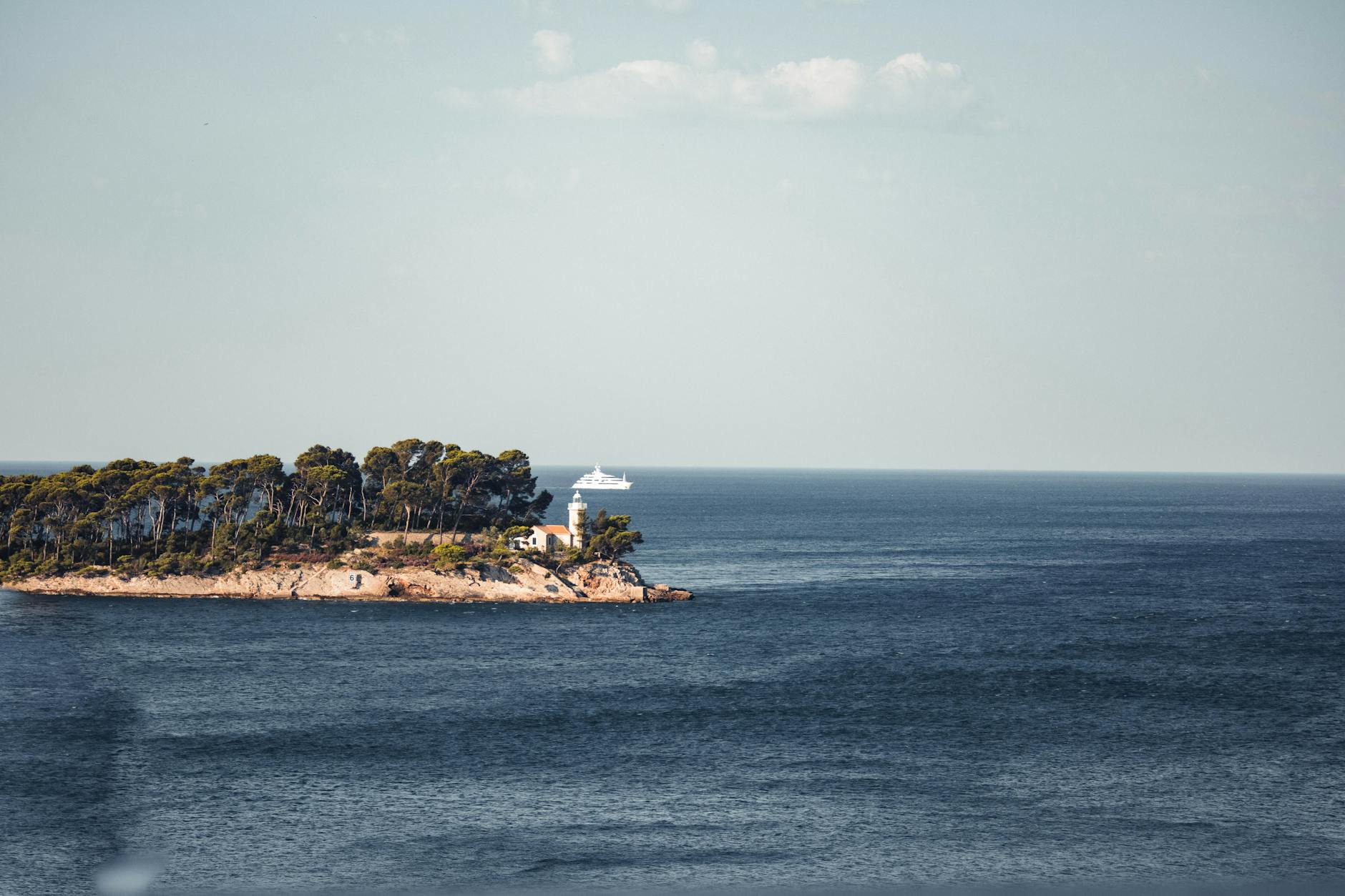
Sailing in Tuscany: Winds & Climate
The pattern to plan around
Expect light mornings, sea-breezes building late morning into mid-afternoon, and a gentle evening fade. Summer afternoons typically bring 8–18 knots, occasionally more in local acceleration zones.
Local wind names (useful on forecasts and ashore)
- Maestrale (NW): Dry, clear, common after a front; accelerates along north and west coasts.
- Libeccio (SW): The swell-maker for west and south-facing bays; can be boisterous.
- Scirocco (SE): Humid; pushes swell into Porto Azzurro and Giglio Porto.
- Grecale (NE) and Tramontana (N): Gusty off the hills; can roll into north-coast anchorages.
- Ponente (W) and Levante (E): Less dominant but determine which side of the island offers shelter.
Micro-effects to respect
- Piombino Channel Venturi: Between Elba and the mainland the breeze often runs 3–6 knots above forecast. Time crossings early or late.
- Cape acceleration: Off Capo Sant’Andrea and Capo di Poro expect stronger gusts and a livelier sea.
- Thunderstorms: Late-August heat can trigger afternoon cells—watch the sky and radar and seek secure shelter if anvils build.
Currents, visibility and swell
- Currents: Generally weak (<1 kn) but can set around headlands with wind.
- Visibility: Summer fog is uncommon but may form near the mainland around dawn in May/October.
- Swell: Libeccio and Scirocco produce residual swell that sneaks into exposed bays long after wind has eased.
Tuscany: Getting there
Arrival hubs
- By air: Pisa (PSA) is the primary gateway (about 1 h 40 min to Scarlino; 1 h 20 to Punta Ala). Florence (FLR) and Rome (FCO/CIA) are viable with longer transfers. Elba’s Marina di Campo (EBA) has limited seasonal flights.
- By rail: Trenitalia services to Follonica or Grosseto, then a short taxi or bus to Marina di Scarlino/Punta Ala.
- By ferry: Frequent year-round ferries run Piombino–Elba (Portoferraio, Rio Marina, Cavo). Porto Santo Stefano–Giglio Porto serves Giglio.
Charter bases
- Mainland: Marina di Scarlino (Puntone), Punta Ala, San Vincenzo, Piombino.
- On-island: Smaller seasonal fleets in Portoferraio and Porto Azzurro.
Transfers and provisioning
- Provisioning: Large supermarkets near Scarlino and in Portoferraio/Porto Azzurro; many bases offer online provisioning and quayside delivery.
- Fuel and water: Fuel docks at principal marinas (check hours shoulder season). Water and shore power widely available at harbours; conserve during high summer.
Chartering in Tuscany
What to expect
Modern fleets of 32–50 ft monohulls and 38–45 ft catamarans are common. Standard charters run Saturday–Saturday with afternoon embarkation and a Friday return to base for debrief and diver inspection.
Typical inclusions and extras
- Included: Dinghy, basic safety gear, bed-linen (varies), and sometimes final cleaning.
- Extras: Outboard, SUP, gennaker, early check-in, park moorings and en‑route berth fees.
- Deposits & insurance: A refundable security deposit is standard; damage waivers reduce liability for a non‑refundable fee.
Suggested experience level
A confident Day Skipper or higher is recommended. Expect close‑quarters handling with crosswinds, ferry wash (Portoferraio, Giglio) and anchoring in afternoon thermals. Practise stern‑to with lazy lines, generous fendering and spring lines.
One-way and route design
- Classic loops: Elba circuit (120–150 NM with detours). Elba plus Giglio (170–190 NM). Add Giannutri as a day‑stop in settled weather.
- Pacing: Keep legs short on days with strong Libeccio/Scirocco and prioritise all‑weather harbours.
Sustainability and park rules
- Posidonia protection is actively enforced. Prefer sand patches and use mooring buoys where provided (e.g., parts of Giannutri).
- Expect seasonal no‑anchor zones and buoy fields—observe local signage and guidance from ormeggiatori.
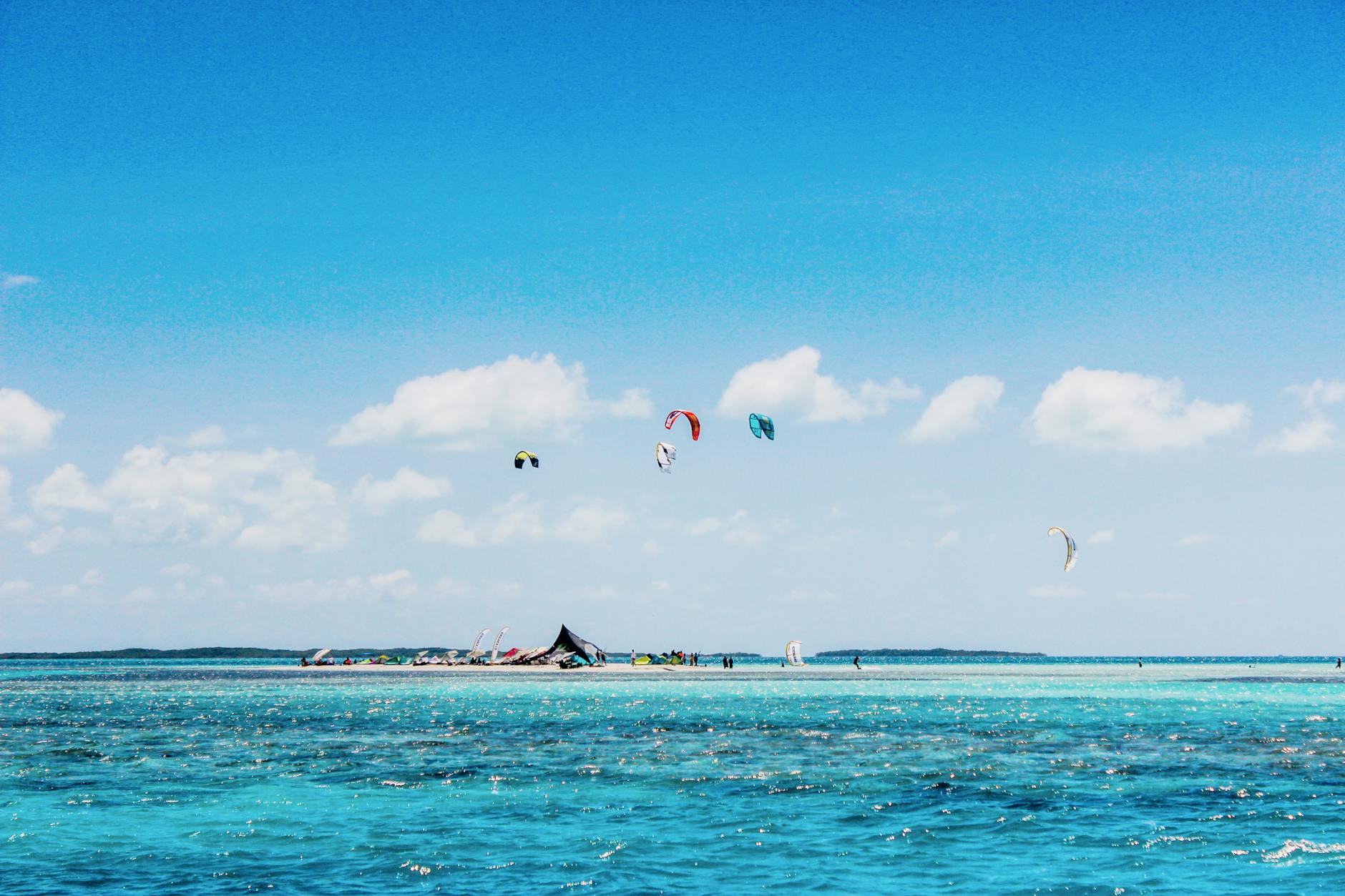
Licences & formalities
Bareboat qualifications
- Skipper: ICC (Sail) or national equivalent (RYA Day Skipper Practical minimum; RYA Coastal Skipper preferred for confidence). Some operators require higher for larger yachts/cats.
- VHF: Short Range Certificate (SRC) or equivalent radio operator’s licence is typically required by Italian law and by charter companies.
Paperwork and onboard documents
- Have passports/ID for all crew and a completed crew list for the base.
- The operator provides boat registration, insurance documents and any Italian log as required.
- Night sailing is often prohibited by contract—confirm before planning long passages.
Marine park and local restrictions
- Montecristo: Navigation and landing are strictly controlled—effectively off‑limits without special permits.
- Pianosa and Gorgona: Access heavily restricted to specific zones and permits.
- Giannutri: Seasonal mooring buoys and no‑anchor zones protect Posidonia—book and pay where applicable.
- Waste & water: Elba can face water scarcity in high summer; refill considerately and avoid unnecessary deck washes.
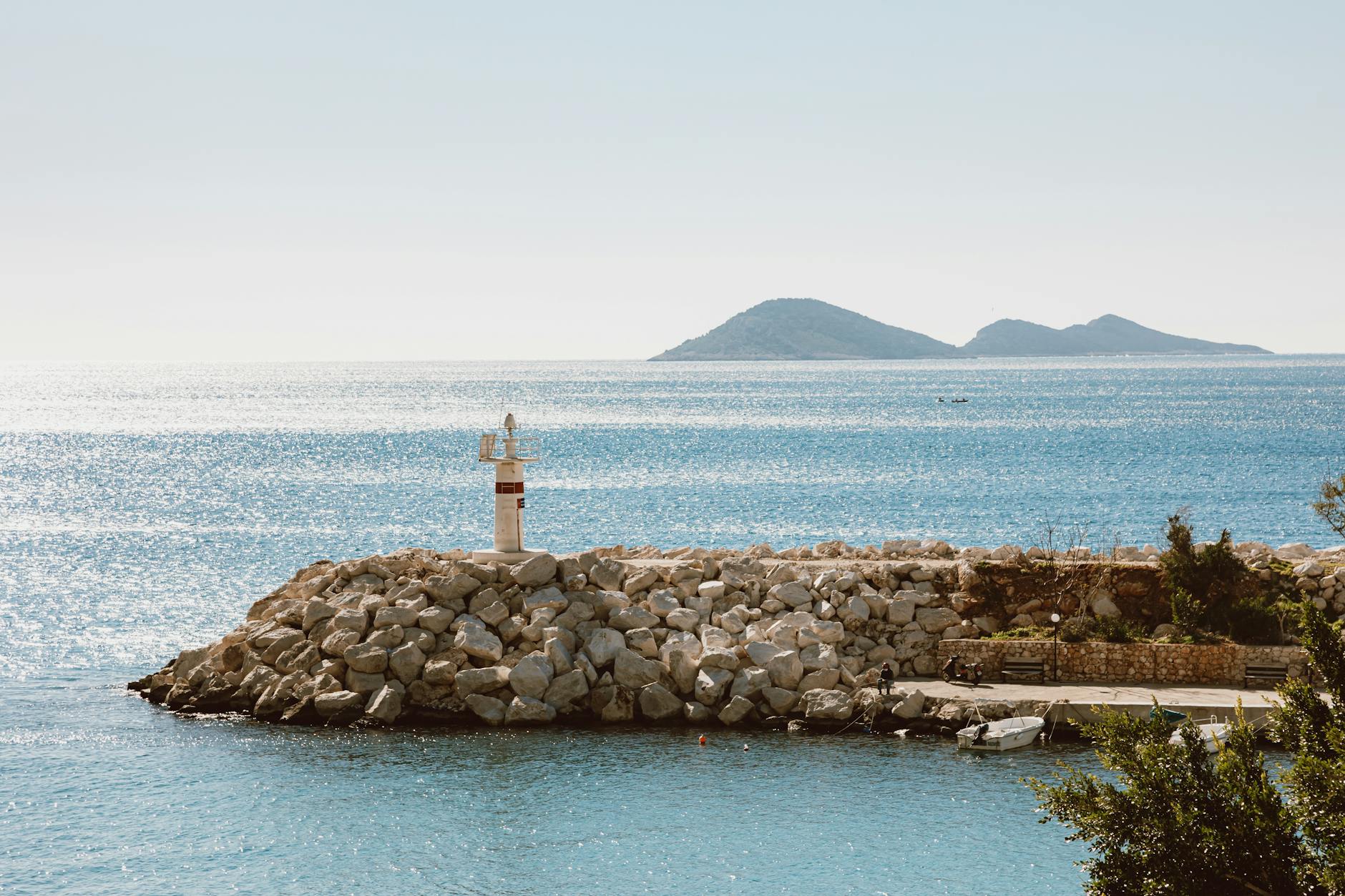
Sailing in Tuscany: Anchorages & marinas
Key harbours and anchorages at a glance
| Place | Type | Shelter (best/avoid) | Facilities | Notes |
|---|---|---|---|---|
| Portoferraio (Elba) | Harbour + buoys/anchorage | Best: N–W–SW. Avoid: strong SE/Scirocco swell | Fuel, water, power, yards, full services | Historic basin; busy ferries. Good holding in the roadstead; book berths early in peak. |
| Porto Azzurro (Elba) | Marina + moorings | Best: W–N–S. Avoid: E–SE swell | Water, power, fuel nearby, shops | Secure and popular; arrive by mid‑afternoon. Excellent all‑weather stop barring strong E/SE. |
| Marciana Marina (Elba) | Marina | Best: S–W. Avoid: strong N–NE | Water, power, fuel by truck, dining | Characterful stone quays; can surge in northerlies—check forecast. |
| Marina di Campo (Elba) | Anchorage + small quay | Best: N–E. Avoid: S–SW | Limited water/power ashore; provisions | Wide sandy bay; excellent holding. Exposed to Libeccio. |
| Procchio/Biodola (Elba) | Anchorages | Best: S quadrant. Avoid: N quadrant | None afloat | Clear sand, good lunch spots; open in northerlies. |
| Enfola (Elba) | Anchorage | Best: S–E. Avoid: N–W | None afloat | Scenic tombolo; occasional katabatic gusts. |
| Rio Marina / Cavo (Elba) | Small ports | Best: varied. Avoid: onshore sector | Limited | Primarily ferry quays; limited yacht spaces—check ahead. |
| Giglio Porto (Giglio) | Small harbour | Best: W–N–S. Avoid: E–SE swell | Water, power, provisions | Very limited berths; book or arrive early. Anchor off only in settled weather. |
| Campese Bay (Giglio) | Anchorage | Best: E–SE. Avoid: W–SW (Libeccio) | None afloat | Wide, sandy; exposed to W swell. |
| Cannelle/Caldane (Giglio) | Anchorages | Best: W–N–SW. Avoid: E–SE | None afloat | Turquoise coves; tight space—mind swim zones. |
Practical approach notes
- Traffic: Expect heavy ferry movements at Portoferraio, Rio Marina, Cavo and Giglio Porto—monitor VHF Ch 16 and local working channels.
- Holding: Generally sand over good mud on southern Elba; patchy over weed in some north‑coast bays—dig in and back down firmly.
- Booking: High‑summer berths are often pre‑booked via marina sites or WhatsApp. Mooring fields are commonly run by local ormeggiatori—look for their ribs on arrival.
FAQs
- Is this a good area for a first Mediterranean charter?Yes. Distances are short, shelter options are frequent and summer sea‑breezes are predictable. Do ensure the skipper is comfortable with Med‑mooring, crosswinds and ferry wash in busy harbours.
- When are berths hardest to find?Mid‑July to late August. Plan arrivals before 15:00–16:00 or pre‑book—especially Porto Azzurro, Portoferraio and Giglio Porto.
- Can I anchor anywhere around Elba and Giglio?Many bays offer sand with good holding, but Posidonia meadows and park rules create no‑anchor zones in places (notably Giannutri). Use buoys where provided and follow local signage.
- What qualifications do I need to charter?Typically an ICC (Sail) or RYA Day Skipper Practical (or national equivalent) plus a VHF SRC. Some operators request higher qualifications for larger yachts or cats.
- Where can I refuel?Fuel docks are in Portoferraio and Porto Azzurro on Elba, and at mainland bases such as Scarlino and Punta Ala. Check opening hours outside peak season and allow for queues on Fridays.
- How choppy does it get?In summer, expect a short afternoon chop in open bays. Libeccio and Scirocco events can create significant swell on exposed coasts—choose harbours with opposite‑sector shelter.
References
Charter a Yacht
Compare crewed & bareboat charters, learn the best months to sail, and get a custom shortlist from 500+ providers.