
Sailing in Cyprus: routes, conditions and practicalities
Cyprus sits at the sun‑drenched edge of the Eastern Mediterranean, offering warm seas, clear water and passages that reward good planning rather than brute endurance. The coast is varied: low, sandy reaches in the south and east give way to rugged headlands and pine‑scented slopes in the west. Modern marinas at Limassol, Larnaca and Ayia Napa bookend a string of simple harbours and day‑anchorages, with the Akamas Peninsula and Cape Greco providing standout swimming and snorkelling stops.
For sailors, the rhythm is reassuring. In summer the wind builds predictably from late morning, most often from the west to south‑west, setting up lively afternoon reaches and an easy downwind run if you shape your day astern of the breeze. Tidal range is negligible, navigation is straightforward in settled weather, and distances between stopovers are digestible. This is an island where careful timing around capes, a respectful eye on military and environmental zones, and a flexible itinerary yield a relaxed, rewarding cruise.
Quick links
Jump to the key sections of this guide.
- Sailing in Cyprus: routes, conditions and practicalities
- Why sail in Cyprus?
- Itineraries
- When to go
- Wind and weather
- Getting there
- Chartering
- Licences and formalities
- Anchorages and marinas
- FAQs
- References
Why sail in Cyprus?
Cyprus blends dependable summer breezes with a coastline that changes character quickly, so a week afloat can feel like several small voyages stitched together. West of Paphos the Akamas headland shelters luminous anchorages such as the Blue Lagoon, where turquoise water and pine‑clad slopes frame calm mornings before the sea breeze awakens. By contrast, the south coast around Limassol mixes urban energy with easy hops between marinas and beach coves, making it forgiving for first‑time visitors.
The island’s eastern corner around Cape Greco is equally compelling. Konnos Bay and Fig Tree Bay offer settled‑weather anchorages with gin‑clear water and dramatic sea caves a tender ride away. When the afternoon wind pipes up, you can slip back into the all‑weather security of Ayia Napa Marina or Larnaca. It is a place to combine short scenic sails with long swims, a meze lunch ashore, and unhurried evenings in compact harbours.
Practicalities also favour Cyprus. English is widely spoken, provisioning is straightforward, and the main marinas are well run, with fuel, water and technical support on hand. With two international airports and year‑round flight schedules, crew changes are simple. The sailing season is long, and shoulder months deliver warm water, quieter quays and gentler conditions—ideal for building miles without the crowds.
Itineraries
These suggested routes balance scenic anchorages with practical stopovers and predictable summer winds. Distances are modest, making them well suited to mixed‑experience crews. Always adapt to the forecast, observe local restrictions and call Port Control when approaching commercial harbours.
West Coast and Akamas loop (7 days, start/finish Limassol)
A westbound coastal run from Limassol to the clear waters of the Akamas, with a relaxed return east. Expect early starts for upwind legs, scenic swims en route and varied overnight options from simple roadsteads to full‑service marinas.
Day 1 – Limassol to Zygi
Arrive and provision in Limassol Marina, then make a relaxed shakedown along Akrotiri Bay. Pause for a first swim off Lady’s Mile if the sea is settled, keeping clear of shallow patches and any marked restrictions. Aim for Zygi Marina (approximately 15–18 NM) before the afternoon sea breeze freshens. Keep clear of marked military zones off the Sovereign Base Area and contact marinas by VHF when close.
Day 2 – Zygi to Pissouri Bay
Track west along an open lee shore in the morning while winds are light, perhaps stopping at Governor’s Beach for lunch. The leg to Pissouri is longer (around 30–33 NM) but straightforward if started early. Pissouri Bay offers a fair‑weather roadstead with sand and good holding in 4–8 m. Afternoon gusts can roll down off the cliffs—rig a snubber, leave generous scope and consider a stern line to keep the bow into any swell.
Day 3 – Pissouri Bay to Paphos via Petra tou Romiou
Leave early to round Cape Aspro smoothly before the sea breeze builds. Pass the famous rock of Aphrodite (Petra tou Romiou) for a photo stop, then continue to Paphos Harbour (approximately 18–22 NM depending on detours). Space is limited and there can be surge in swell; call ahead for instructions. If full, a settled‑weather anchor off the harbour or a daylight move to Coral Bay are options.
Day 4 – Paphos to Latchi via Coral Bay
A short hop north with a lunch stop in Coral Bay for swimming if swell permits. Mind shoals and scattered rocks between Paphos and Coral Bay and keep a good bow lookout in clear water. Continue to Latchi Harbour (around 20–22 NM total), a friendly base with tavernas, fuel, water and easy access to the Akamas National Park.
Day 5 – Akamas and the Blue Lagoon
Run the short leg to Fontana Amorosa/Blue Lagoon (2–3 NM) for a day on the hook in clear water. Pick a sandy patch amongst rock, buoy the anchor if you carry a trip line and arrive early before trip boats. In fresh westerlies it can become rolly overnight; return to Latchi if uncomfortable.
Day 6 – Blue Lagoon to St Raphael Marina (Limassol)
A longer return leg east (typically 45–55 NM). Leave at first light to enjoy flatter water before the breeze fills and allow extra margin rounding Akamas and Cape Gata where acceleration is common. St Raphael Marina provides a calm, convenient stop east of Limassol with straightforward approaches and full services.
Day 7 – St Raphael to Limassol Marina
A short final sail (about 4–5 NM) with time for a swim on Lady’s Mile if conditions are settled. Refuel, de‑rig and enjoy Limassol’s old town and waterfront for a celebratory evening.
South and East Highlights (6 days, start/finish Larnaca)
A gentle exploration of the south‑east coast taking in Ayia Napa, Cape Greco and Protaras. Expect short scenic hops, crystal‑clear anchorages in sand and the security of all‑weather marinas within easy reach.
Day 1 – Larnaca shake‑down
Settle into Larnaca Marina, complete formalities if arriving from abroad and take a short sail around the bay. Anchor off Mackenzie Beach in 4–6 m on sand for a first swim, then return to the marina for the night under the airport’s distant glide path.
Day 2 – Larnaca to Ayia Napa
Follow the coast east with an early start to make the most of the calmer morning (approximately 20–22 NM). Give any active firing ranges and Sovereign Base Area zones a wide berth as indicated by local Notices to Mariners. Round Cape Pyla and continue to the all‑weather shelter of Ayia Napa Marina with full services, restaurants and a helpful marina team.
Day 3 – Cape Greco and Konnos Bay
Make a short hop to Cape Greco and anchor in Konnos Bay (5–7 NM) for swimming and cave exploring by tender. Set in sand outside buoyed swimming areas and maintain a lookout for snorkellers. Good in settled weather; move back to the marina if a swell wraps in.
Day 4 – Protaras and Fig Tree Bay
Coast north to Fig Tree Bay for a relaxed beach day in clear water (2–3 NM). Avoid prohibited areas and keep a respectful distance from swimmers and buoys. Holding is generally good in sand; expect a lively afternoon sea breeze before conditions ease at dusk.
Day 5 – Return towards Larnaca via Dhekelia Bay
Retrace your steps with a lunch stop off Dhekelia (approximately 25–30 NM overall). Stay clear of any marked military zones and fish farms. Overnight back in Larnaca or, in settled weather, on the nearby roadstead with a shore run by tender.
Day 6 – Cape Kiti day sail and hand‑back
A final leg south towards Cape Kiti if time and conditions allow (12–16 NM round trip), then refuel and hand back in Larnaca. Use the morning for any remaining drills and enjoy a last swim before debrief.
When to go
The core season runs April to October. May–June and September–October offer warm water (typically 22–26 °C), manageable afternoon breezes and quieter quays, making them sweet‑spot months for relaxed cruising and easy berthing. July and August are the hottest ashore (often 33–38 °C inland, cooler at sea) with a reliable afternoon sea breeze; plan earlier starts, long lunch swims and shaded evenings at anchor or in air‑conditioned marinas.
Winter brings unsettled weather, stronger southerlies and westerlies, rain and occasional dust events that can reduce visibility and coat decks. Charters thin out and many small harbours are uncomfortable in swell. Shoulder months still deliver long daylight hours and warm seas without the crowds.
Sea temperatures peak around 27–29 °C in late August and rarely drop below 16–17 °C in mid‑winter. Underwater visibility is generally excellent outside of strong wind days, so pack masks and fins as standard kit.
Wind and weather
Summer is dominated by a diurnal pattern. A light morning land breeze often swings by late morning to a west–south‑west sea breeze that builds through the afternoon to around 10–20 knots, easing overnight. This favours west‑to‑east passages later in the day but makes westbound legs slower; depart early for any upwind stretches.
Expect gusts and acceleration zones off capes such as Akamas, Gata and Greco, and katabatic puffs spilling from the hills into bays like Pissouri. Plan wider offing when rounding headlands in the afternoon chop and anticipate short, steep seas on the south and west coasts when the gradient wind reinforces the sea breeze.
Winter is shaped by passing lows with stronger, more variable winds and a heavier sea, often from the south and west. Easterly blows do occur, setting a swell into Famagusta Bay and along the north coast. Thunderstorms can be lively in shoulder seasons—monitor forecasts closely, and be conservative with lee‑shore anchorages when the outlook is unsettled.
Tidal range is negligible (typically 0.2–0.4 m) and tidal streams are not a planning factor. Local currents are weak and largely wind‑driven, so the principal sea state concern in season is afternoon wind‑chop and residual swell after blows.
Getting there
Cyprus is served by two international gateways: Larnaca (LCA) on the south‑east coast and Paphos (PFO) to the west. Both host frequent year‑round services from major European hubs. Transfer times are short: Larnaca Airport to Larnaca Marina is around 15 minutes by road; to Limassol’s marinas allow 40–50 minutes. Paphos Airport is roughly 20 minutes from Paphos Harbour and about 60–75 minutes from Latchi.
Spares, chandlery and technicians are concentrated around Limassol and Larnaca. Most marinas can arrange fuel on the quay (often by bowser) and shore power/water on berths. Supermarkets deliver to the boat in the main bases; consider water conservation in high summer and schedule deliveries for early morning to protect perishables.
Taxis and pre‑booked transfers are reliable. If self‑driving, remember Cyprus drives on the left. Local SIMs and eSIMs are widely available to secure data for weather downloads and marina communications, and many marinas provide guest Wi‑Fi.
Chartering
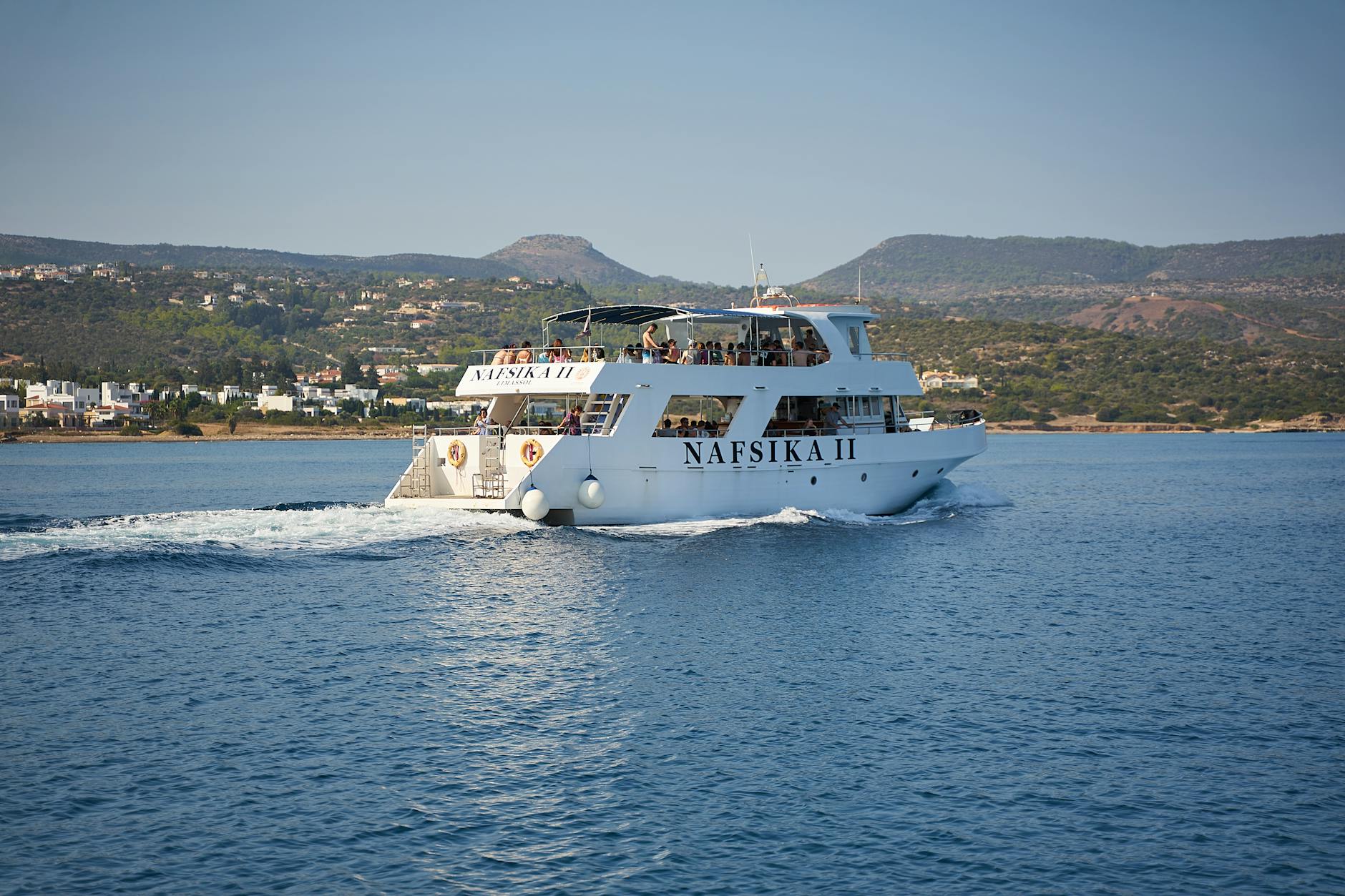
Bareboat and skippered charters are available primarily from Limassol, Larnaca and, increasingly, Ayia Napa; day‑boats and RIBs are common around Protaras and Latchi for local exploration. Fleets are smaller than in Greece or Turkey, so early booking helps for peak dates. Expect modern monohulls and a growing number of catamarans, with typical weekly ranges of 30–120 NM depending on your route and appetite for stops.
Summer pricing peaks in July–August; May–June and September–October provide better value with kinder heat. Cyprus suits families and mixed‑experience crews who prefer predictable day breezes and frequent swim stops over long offshore legs.
Most operators accept an ICC (Sail) or RYA Day Skipper Practical as skipper‑in‑charge, plus a competent co‑skipper. A VHF/SRC certificate is commonly required for at least one person aboard. Expect a security deposit or damage waiver, plus optional extras such as outboard, paddleboard and early check‑in. Handovers are thorough; allow time for systems briefings, local restrictions and a run‑through of safety gear.
Licences and formalities
Cyprus is in the EU. Yachts arriving from abroad should fly the Q flag and proceed directly to a recognised Port of Entry for clearance—commonly Larnaca, Limassol, Paphos or Latchi. You will typically present ship’s registration, proof of insurance, crew list and passports. Call Port Control on VHF when approaching and follow their berthing and paperwork instructions. Expect to be directed first on Channel 16 and transferred to a working channel.
Important: the Republic of Cyprus regards certain northern ports (for example Famagusta and Kyrenia/Girne) as closed. Entering Cyprus via those without prior clearance at an official southern Port of Entry may attract heavy penalties and complications for onward cruising. If you intend to visit the north, seek current advice and ensure your legal entry and exit formalities comply with Republic of Cyprus requirements.
Holding tanks are expected; discharging in harbours, marinas or designated bathing areas is prohibited. Some bays are environmentally sensitive (turtle nesting sites around the Akamas/Chrysochou Bay) and may carry seasonal restrictions on anchoring or night access—observe local notices and buoyed exclusion zones. Keep clear of fish farms and FADs, some of which are poorly lit; night navigation is feasible but warrants extra caution for unlit floats and coastal shoals, especially near Paphos and Cape Greco.
Anchorages and marinas
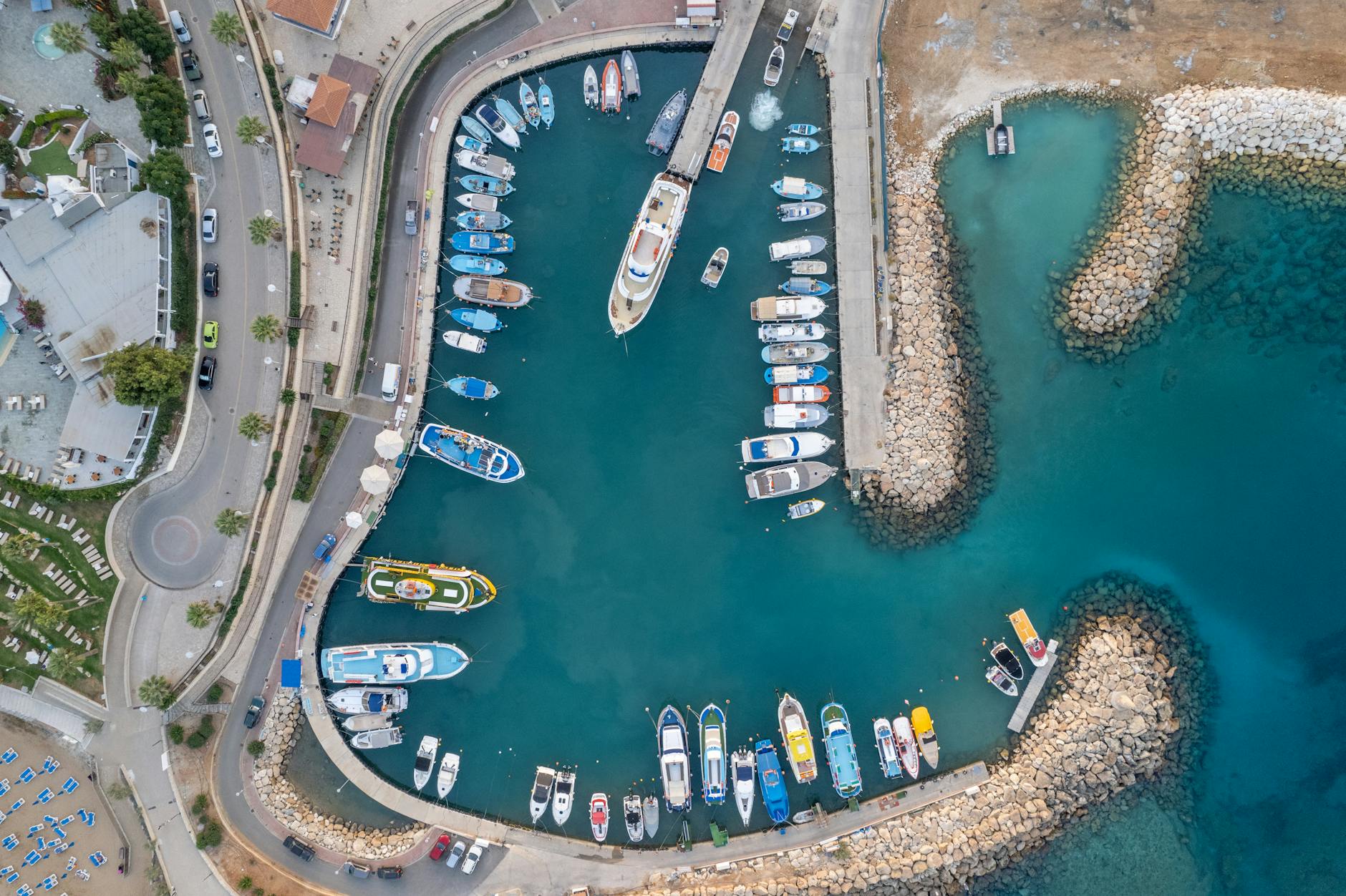
South coast (Larnaca to Paphos): Larnaca Marina is a principal Port of Entry with straightforward approaches and good shelter; there is a roomy roadstead immediately outside in settled weather. Running west, Governor’s Beach and pockets along Akrotiri Bay offer daytime stops but are open to the prevailing wind and may be affected by military restrictions—confirm status locally and keep well offshore if ranges are active. Limassol Marina is a modern, all‑weather base with full services, complemented by St Raphael Marina to the east. Pissouri Bay provides a pleasant fair‑weather stop with sandy holding; in stronger afternoon breezes expect gusts off the heights. Paphos Harbour is characterful but small, with surge in swell and limited depths—contact the harbour for space before committing and approach in good light.
West and north‑west (Akamas and Chrysochou Bay): Latchi Harbour is the natural gateway to the Akamas National Park and a recognised Port of Entry. Just around the corner, the Blue Lagoon/Fontana Amorosa is famed for clear water and a sandy patch amidst rock; it is best in settled conditions and early in the day before trip boats arrive. The coastline north to Pomos offers scenic but exposed reaches; pick weather windows and avoid in strong westerlies.
East and south‑east (Cape Greco and Famagusta Bay): Ayia Napa Marina provides strong shelter and comprehensive facilities. In good weather, Konnos Bay under Cape Greco and Fig Tree Bay at Protaras make rewarding swim‑stops with sand and clear water; both are open to easterly swell and busy with swimmers—anchor well outside buoyed zones and keep a bow lookout for snorkellers. Further north and east the legal and practical situation becomes sensitive near Famagusta; remain within permitted waters and avoid closed ports unless you have clarified formalities.
General notes: Depths shoal near some headlands and reefs, notably off Cape Greco and between Paphos and Coral Bay—give them a margin and use the sun at your back for eyeball navigation in clear water. Holding is usually good in sand, poor in weed. Fuel is available in the main marinas and by truck in several smaller harbours. Water can be at a premium in high summer; conserve where possible.
FAQs
Is Cyprus suitable for a first Mediterranean bareboat?
Yes. Predictable summer sea breezes, short legs between secure stops, minimal tides and clear water make it friendly for competent crews. Plan early starts for upwind legs, keep a close eye on restricted zones and environmental areas, and build in time for midday swim stops.
What are typical summer winds?
Expect a west to south‑west sea breeze building late morning to around 10–20 knots, strongest mid‑afternoon, easing after sunset. Gusts are common off capes such as Akamas, Gata and Greco—allow extra offing and trim for puffs.
Can I anchor overnight at the Blue Lagoon?
You can in settled weather, but it becomes uncomfortable in fresh westerlies and is busy by day with trip boats. Many crews enjoy the day, then return to Latchi for the night for better shelter and shore access.
Are there tides or strong currents to plan for?
Tidal range is small (around 0.2–0.4 m) and tidal streams are negligible. Sea state is driven mainly by wind; allow extra room when rounding headlands in the afternoon and be cautious of lee‑shore anchorages if a gradient wind opposes the sea breeze.
May I visit Northern Cyprus by yacht?
The Republic of Cyprus considers certain northern ports closed. Entering the island via those ports without first clearing at an official southern Port of Entry may lead to penalties. Seek current official guidance before any visit north and plan your paperwork accordingly.
What certifications do I need to charter?
Most companies accept an ICC (Sail) or RYA Day Skipper Practical for the skipper, plus a competent co‑skipper. A VHF/SRC certificate is commonly required for one crew member. Requirements vary by operator—confirm before booking.
Where are the main charter bases?
Limassol and Larnaca are the principal bases with full services. Ayia Napa and Latchi support local cruising and day‑boats, with some yachts available by arrangement.
Are there environmental restrictions I should know about?
Yes. Turtle nesting areas around the Akamas and Chrysochou Bay can have seasonal restrictions on anchoring and night access. Do not discharge black water in harbours or bathing areas, and keep well clear of buoyed swimming zones and any local conservation moorings.
References
- https://www.cruiserswiki.org/wiki/Cyprus
- https://www.cruiserswiki.org/wiki/Larnaca
- https://www.cruiserswiki.org/wiki/Limassol
- https://www.cruiserswiki.org/wiki/Paphos
- https://www.cruiserswiki.org/wiki/Latchi
- https://www.dms.gov.cy/dms/shipping.nsf/index_en/index_en?OpenDocument
- https://www.portauthority.gov.cy/
- https://www.metoffice.gov.cy/
- https://www.limassolmarina.com/
- https://www.ayianapamarina.com/
- https://www.st-raphael.com/marina
- https://cyprusports.org.cy/en/ports/larnaka-port/
Charter a Yacht
Compare crewed & bareboat charters, learn the best months to sail, and get a custom shortlist from 500+ providers.