
Sailing in Croatia: routes, winds, seasons and practicalities
Croatia’s indented Adriatic shoreline and more than a thousand islands create a sailing ground that feels purpose-built for cruisers. Distances are short, shelter is plentiful, and well-run marinas sit alongside clear-water anchorages and buoy fields. Historic stone towns—Split, Dubrovnik, Zadar and Rovinj—offer culture at the quayside, while nature parks like Kornati, Telašćica and Mljet provide quiet, low-stress passages. Summer brings predictable seabreezes and warm seas; shoulder seasons add a little more breeze with fewer crowds. Whether you are planning a week around Split and Hvar, a windward hop through the Kornati, or a culture-led loop in Istria and Kvarner, Croatia rewards straightforward planning with high sailing value. Charter infrastructure is exceptionally mature, and formalities are simple if you hold an ICC (or equivalent) and a VHF operator’s certificate.
Quick links
- Sailing in Croatia overview
- Why Sail in Croatia?
- Itineraries
- When to go
- Wind and weather
- Getting there
- Chartering
- Licences and formalities
- Anchorages and marinas
- FAQs
- References
Why Sail in Croatia?
Croatia combines density of interest with ease of execution. You can leave a UNESCO-listed old town after breakfast and be swimming off an uninhabited islet by lunch, before med-mooring to a quay by an excellent konoba for dinner. The geography naturally breaks passages into bite-sized hops, and there is almost always a lee to be found.
The wind regime suits varied ambitions. In high summer, afternoon maestral breezes get most crews moving without stress, while spring and autumn bring more decisive gradients for sailors who prefer longer, livelier legs. When the bora or jugo pipe up, you are rarely far from secure shelter in a marina, harbour or well-protected inlet.
Infrastructure is a major strength. ACI and other marinas span the coast from Pula to Dubrovnik, charter bases are professional and plentiful, and buoy fields reduce anchoring pressure while protecting posidonia. Add in reliable forecasts, straightforward provisioning, and rich onshore culture—and Croatia becomes a compelling first Mediterranean charter or a repeat favourite for experienced crews.
Finally, variety keeps things fresh. Northern routes through Kvarner and the Velebit channels feel more alpine and exposed, central Dalmatia mixes nightlife with quiet bays, and the south folds in the Elaphiti, Mljet and Korčula—each with a distinct character and microclimate.
Croatia Sailing Itineraries
Below are suggested one-week routes tailored to four classic cruising areas. Treat them as frameworks to be flexed with the forecast, your crew’s pace and interests. In peak season, arriving early to popular harbours pays dividends; in shoulder months, keep a conservative Plan B if gradients build.
Central Dalmatia highlights from Split (7 days)
A 7-day route. Adjust legs to forecast, moorings and crew preferences.
Day 1: Split to Maslinica, Šolta
Cast off from Split and settle into the week with an easy reach across the Brač Channel. Maslinica offers a pretty stone harbour, buoy field and coves nearby for a first swim. It’s a forgiving hop to shake down systems and practise lazy lines before busier ports. If the thermals build, tuck into one of the indented bays west of town for a sheltered lunch stop.
Day 2: Maslinica to Hvar Town via Pakleni
Sail south-east along the north coast of Hvar, stopping in Palmižana on the Pakleni before a late-afternoon hop to Hvar Town for a classic med-moor under the fortress. Palmižana’s moorings and restaurants make a good pause while the maestral peaks; Hvar Town rewards an early arrival in high season to secure space.
Day 3: Hvar to Vis (Vis Town or Komiža)
Choose Vis Town for shelter and restaurants inside a large bay, or Komiža for a more open-roadstead feel and sunset views. Pick based on wind: bora favours Komiža’s lee; jugo favours Vis Town. Either way, plan a relaxed departure to enjoy clear-water swims en route and consider booking a berth if dining ashore.
Day 4: Vis to Stari Grad
A satisfying reach back towards Hvar. Enter the long, fjord-like inlet to Stari Grad for a quieter, historic stop with good all-round shelter. The town’s waterfront is well managed with lazy lines; if you prefer more hush, continue a little farther into side coves for peaceful moorings.
Day 5: Stari Grad to Bol (Brač), then Milna
A beach-and-breeze day. Pause off Zlatni Rat at Bol if settled, then continue to Milna for a well-serviced marina or town quay with excellent shelter. In a fresh maestral, the channel offers lively but manageable conditions; arrive mid-afternoon to avoid queues at the fuel dock.
Day 6: Milna to Trogir
Work up the coast in flat water, then enter the channel towards Trogir. The old town is a short stroll from the pontoons; arrive early in peak season. The approach is well marked yet busy with trip boats—post extra lookouts and keep speeds down near swim zones.
Day 7: Trogir to Split
A short final hop leaves time for fuel, checkout and a last wander on the Riva in Split. Factor in a buffer for Friday afternoon fuel queues and allow time for rig checks and inventory before disembarking.
Southern Dalmatia from Dubrovnik (7 days)
A 7-day route. Adjust legs to forecast, moorings and crew preferences.
Day 1: Dubrovnik to Šipan (Elaphiti)
Clear the bustle of Dubrovnik and settle into Šipanska Luka on Šipan. Good shelter, moorings and a gentle first leg. If embarking from ACI Komolac upriver, mind the bridge clearance and currents; the later afternoon often brings a soft seabreeze for an easy reach out.
Day 2: Šipan to Polače (Mljet NP)
Make for the wooded island of Mljet. Polače offers superb protection deep inside the national park; buy tickets from rangers on arrival. Moorings are typically available along the waterfront restaurants, and the short dinghy ride to the lakes trail makes for a rewarding shore day.
Day 3: Polače to Korčula Town
A rewarding sail to Korčula with its compact walled old town and a choice of ACI marina or town moorings. Tidal ranges are small, but crosswinds can be lively in the approach—rig long stern lines and be ready to spring off with help from marineros.
Day 4: Korčula to Lastovo (Zaklopatica)
Head offshore to the quieter Lastovo archipelago. Zaklopatica provides moorings, a handful of konobas and dark skies. The island’s protected status keeps light pollution low; book dinner ashore to secure your berth and enjoy fresh-caught fish.
Day 5: Lastovo to Pomena (Mljet)
Retrace towards Mljet and pick Pomena for easy shore access to the lakes path network. In a southerly jugo, the lee on Mljet’s northern side is notably comfortable; arrive before evening when tour boats return.
Day 6: Pomena to Lopud
A relaxed reach back into the Elaphiti. Choose a buoy in Lopud Bay for a last swim and an easy hop next morning. The bay is open to southerly swell; in those conditions, consider nearby Koločep for a quieter night.
Day 7: Lopud to Dubrovnik
Short final leg. Refuel at Komolac (ACI Dubrovnik) upriver if returning to base there. Allow time for checkout and a final stroll around the city walls if schedules permit.
Zadar and the Kornati & Telašćica (7 days)
A 7-day route. Adjust legs to forecast, moorings and crew preferences.
Day 1: Zadar to Preko (Ugljan)
Shake down across the short strait to Preko for a gentle start and sunset over Zadar’s skyline. Use the day to calibrate instruments and rehearse med-mooring before heading into the parks.
Day 2: Preko to Sali (Dugi Otok)
Hop down the channel with flat water and easy pilotage. Sali is a friendly harbour with supplies and dining. It’s a convenient springboard for the nature parks—top up water and provisions here.
Day 3: Sali to Telašćica Nature Park
A very short leg into one of the Adriatic’s safest natural harbours. Pick up a park mooring and explore the cliffs and salt lake. The protection is near total; it’s an excellent hideaway if gradients increase.
Day 4: Telašćica to Vrulje (Kornati NP)
Enter the moonscape of the Kornati. Vrulje offers moorings and a couple of konobas; fees apply inside the park. Navigation is straightforward but keep a close eye for isolated rocks and fishermen’s gear.
Day 5: Vrulje to Žut
Thread the inside channels to Žut for ACI facilities or moorings in nearby coves. With the maestral abaft the beam, this is often a relaxed, photogenic day among bare, honey-coloured islands.
Day 6: Žut to Jezera (Murter)
Continue towards Murter for marina services and a protected night. Jezera and Betina both work well. If you prefer a quieter finish, detour for a lunch swim off the islet of Vrgada in settled weather.
Day 7: Jezera to Zadar via Pašman Channel
Flat-water pilotage back to base with optional lunch stop off Vrgada if settled. Expect traffic near Zadar’s approaches; keep a listening watch on VHF for local notices.
Istria and Kvarner from Pula (7 days)
A 7-day route. Adjust legs to forecast, moorings and crew preferences.
Day 1: Pula to Brijuni
A short first hop to the Brijuni islands for calm anchorages and park walks. Reserve a berth if you want shore power. The islands’ museum and safari park are easy family pleasers and make for a gentle first afternoon.
Day 2: Brijuni to Rovinj
Glide down the Istrian coast to postcard-pretty Rovinj. Expect popularity; arrive early for a spot. If the outer berths are rolly, consider nearby anchorages and shuttle ashore by dinghy.
Day 3: Rovinj to Cres Town
A longer day across Kvarner towards Cres. Check forecasts: the bora accelerates under the Velebit and along channel edges. Reef early if the gradient builds and aim for the well-sheltered town quay or marina.
Day 4: Cres to Osor
Short hop to the historic canal at Osor, timing for bridge openings if transiting between Cres and Lošinj. Phone ahead on the day to confirm operating hours, and be ready to loiter in the eddies if you arrive early.
Day 5: Osor to Mali Lošinj
Enjoy protected waters down to Mali Lošinj for full-service marina options and a lively waterfront. The approach is straightforward; in strong northerlies, expect gusts in the narrows—handy to have fenders rigged early.
Day 6: Mali Lošinj to Unije or Susak
Pick an off-lying island for clear-water swimming and moorings. Susak’s sandy shores are unusual in the Adriatic. In settled weather, both offer tranquil nights; if the bora returns, tuck back behind Lošinj for better shelter.
Day 7: Return to Pula
Plan an early start across Kvarner for check-in and refuelling. In bora conditions, hug the lees where possible and reduce sail early. Allow for a final fuel stop at Pula and time to debrief with the base team.
When to go
The sailing season runs April to October, with a distinct character to each phase. May and June bring comfortable temperatures, long daylight and blossoming maestral seabreezes, with quieter harbours and fair pricing. July and August are hot and busy, but sea temperatures peak and winds are generally gentle to moderate, ideal for relaxed family cruising. September and early October offer warm seas, fewer crowds and more decisive winds for sailors who prefer livelier passages.
Air temperatures range from around 18–25°C in May/June, 28–34°C in July/August, and 20–26°C in September. Sea temperatures typically reach 22–26°C in high summer. Shoulder months can deliver superb sailing days but are more prone to frontal systems; planning flexible routes and watching forecasts closely are rewarded. Many marinas and restaurants operate year-round in larger centres, but some seasonal facilities in smaller anchorages scale back outside peak months.
Event calendars and holidays can influence availability and ambience. Local regattas, national holidays and school breaks compress demand, particularly around Split, Šibenik and Zadar. Booking berths and buoy fields ahead during these periods helps, as does aiming to arrive before mid-afternoon in the most popular ports.
Wind and weather
Croatia’s wind picture is dominated by three protagonists and a couple of supporting actors. Understanding their cues will shape your daily plans and choice of shelter.
Bora (NE): A cold, dry, often gusty flow spilling off the Dinaric mountains. It accelerates in channels, notably under the Velebit range (Kvarner, Velebitski Kanal) and can arrive suddenly after a frontal passage or with pressure north-east of the Adriatic. Expect short, steep chop and violent katabatic bullets near gaps. In summer it is often brief and moderate; in winter it can be severe. Choose anchorages with protection from the NE and allow generous margins when berthing.
Jugo/Scirocco (SE to S): A warm, moist wind building ahead of lows moving across the central Mediterranean. It lifts a longer swell and persists for longer periods than the bora, especially in the south around Dubrovnik and Korčula. Plan for lee shores on south- and east-facing anchorages and consider marinas or deep inlets (e.g., Polače, Stari Grad) when a long jugo is forecast.
Maestral (NW seabreeze): The sailor’s friend in summer. It develops late morning, peaks mid-afternoon at 10–20 knots and eases by evening, particularly reliable in central Dalmatia. Overnight, a weak land breeze (burin) often sets in from the NE.
Other winds: Tramontana (N) and Levant (E) appear around frontal activity; both can be brisk. Local topography bends and funnels winds in channels between islands—watch for acceleration zones and pronounced wind shadows.
Weather services: Forecasts are robust and accessible. DHMZ issues coastal forecasts and marine bulletins, broadcast on VHF and available online. Harbourmasters and marinas post updates, and many skippers use app-based GRIBs alongside local VHF. In unsettled periods, check the synoptic picture daily and keep a conservative plan B.
Sea state and tides: Adriatic tides are microtidal (often less than 0.5 m), but short, steep seas can build quickly in bora. Swell from jugo wraps into open anchorages. Currents are generally weak and localised around channel constrictions. Thunderstorms are most common in late summer afternoons—reef early and avoid exposed lee shores if cumulonimbus build over the mainland.
Getting there
Croatia is well connected for sailing starts. Major airports near charter hubs include Split (SPU) for Split/Trogir/Šolta/Brač, Zadar (ZAD) for Kornati/Telašćica, Dubrovnik (DBV) for the southern routes, and Pula (PUY) for Istria and Kvarner. Rijeka (RJK, on Krk) also serves the north, while Zagreb (ZAG) connects widely with onward road or domestic flights.
Ferries are frequent: Jadrolinija and other operators link coastal cities and islands domestically, and run international routes to Ancona and Bari. The motorway network is efficient—A1 from Zagreb to Dalmatia, A6 to Kvarner—with straightforward access to marinas. Croatia is in the Schengen Area and uses the euro, simplifying travel for EU citizens. Non-EU yachts entering by sea should make for designated ports of entry to complete CIQ formalities before cruising domestically.
Transfer times from airports to bases are typically 10–30 minutes around Split/Trogir and 20–35 minutes for Zadar, Dubrovnik and Pula. Taxis and ride-hailing apps are widely available; many bases can arrange minibus transfers for crews and baggage. If arriving early, most marinas offer luggage storage and cafés to wait out the changeover window.
Chartering
Croatia’s charter scene is exceptionally mature, with large, well-maintained fleets and professional bases. Core hubs are Split/Trogir, Šibenik, Zadar, Dubrovnik and Pula, with additional options in Biograd, Rogoznica, Kaštela and Marina Dalmacija (Sukošan). You will find everything from recent 34–45 ft monohulls through popular family catamarans to performance cruisers; crewed and skippered yachts are widely available. Saturday–Saturday weeks are the norm in peak months, with more flexible periods in shoulder seasons.
What to expect at the base: Check-in typically begins early afternoon, with technical briefings and paperwork handled efficiently. A refundable security deposit or a damage waiver is required. Extras such as outboard engines, gennakers, stand-up paddleboards and early check-in can be pre-booked. Base staff will register your crew list, arrange the local tourist tax, and provide the transit log and boat papers.
Route planning and costs: Mooring fees vary by location and season. ACI and private marinas are priced similarly to the wider Mediterranean. Many bays have organised mooring buoys run by konobas or municipalities; fees are collected afloat and sometimes include a shore-power dinghy ride and dinner reservations. National and nature parks (Kornati, Telašćica, Mljet, Lastovo) require tickets—cheaper if purchased in advance or via authorised outlets.
One-way charters between, for example, Split and Dubrovnik or Zadar and Split are possible with repositioning fees and early booking. Provisioning is simple near all bases, with large supermarkets and delivery services. Fuel docks are widespread; plan to top up before returning to base, allowing for potential queues on Friday afternoons. Most operators include bed linen and a starter pack; check-out typically involves a diver’s inspection and a brief sea trial if anything significant was reported.
Licences and formalities
Skipper certification: To bareboat in Croatia, the skipper must hold a certificate of competence recognised by the Croatian Ministry of the Sea plus a Short Range Certificate (VHF). Commonly accepted qualifications include the ICC (sail) with coastal endorsement, RYA Day Skipper (Practical), RYA Coastal Skipper or Yachtmaster (Coastal/Offshore), and ASA 104 Bareboat (often paired with ASA 114 for multihulls). Carry originals. Some operators ask for evidence of experience and may restrict night sailing unless your licence explicitly permits it.
Crew documentation and taxes: Charter companies submit the crew list electronically and provide the transit log and vessel papers. The sojourn (tourist) tax is payable per person; bases usually collect it on arrival. Keep passports and the charter contract accessible for harbour authorities. If you plan to visit national or nature parks, purchase valid tickets for your yacht’s length.
Operating rules and etiquette: Croatia is med-mooring country—stern-to or bows-to with lazy lines in harbours and marinas. Speed limits apply near shore and in channels; holding tanks must not be discharged in ports, marinas or protected areas. In bora or jugo, choose shelter with ample margins and avoid exposed lee shores. If cruising in shoulder seasons, confirm the operating hours of bridges (e.g., Osor) and fuel docks. Drones have local restrictions near parks and towns; check current notices before flying.
Private yachts arriving from abroad: Non-EU private vessels should clear in at a port of entry before domestic cruising, paying any applicable navigation and sojourn fees. Since Croatia’s Schengen entry, immigration procedures align with wider EU norms; always verify current requirements before passage.
Anchorages and marinas
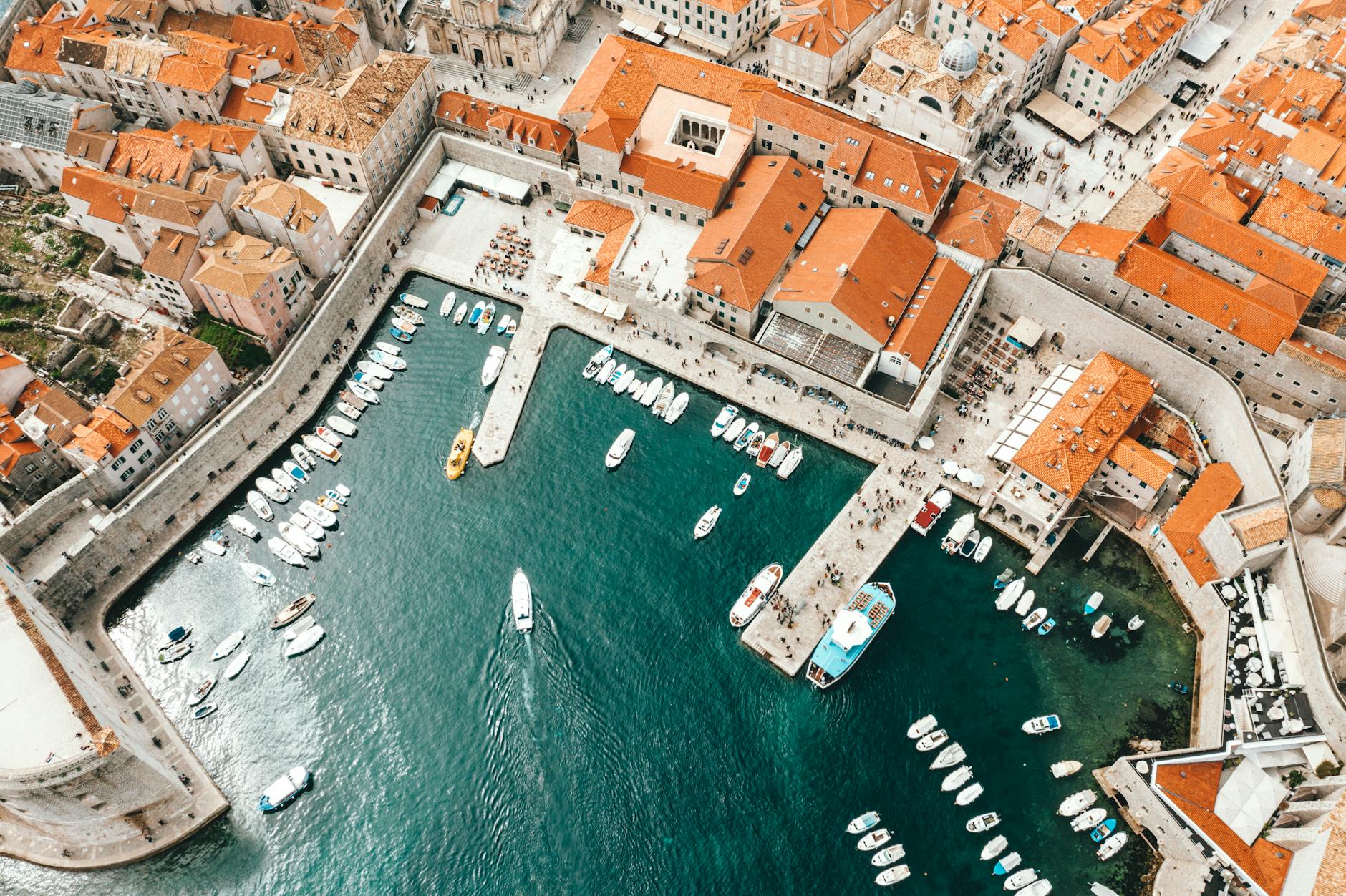
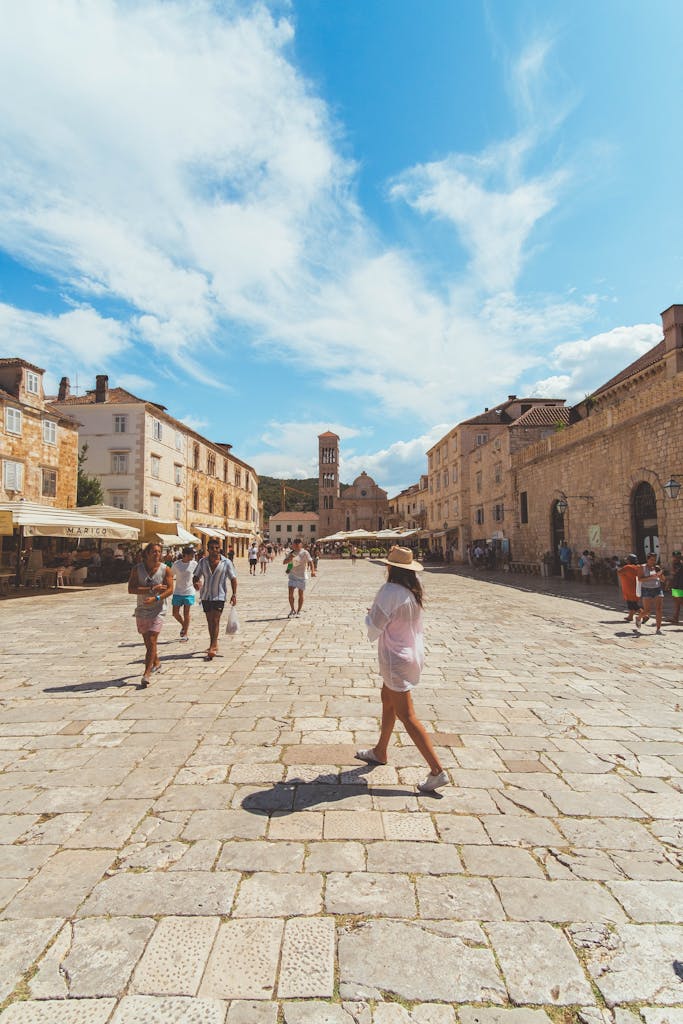
Harbours and marinas are frequent and well maintained. The ACI network spans the coast (e.g., Split, Trogir, Korčula, Palmižana, Skradin, Cres, Pula, Dubrovnik), complemented by D-Marin (e.g., Mandalina Šibenik), Marina Frapa (Rogoznica), and numerous municipal quays. Expect lazy lines, shore power, water and Wi‑Fi in most marinas, with fuel available in major hubs. In high season, arrive by mid-afternoon to secure space.
Mooring buoys are common in attractive bays and are often managed by nearby konobas or municipalities. Fees are collected in the evening and may include waste disposal. Buoy fields help protect seagrass; if anchoring, favour sand patches and avoid posidonia. Holding is generally good in sand and mud; thin weed and rock shelves occur around some islands—set and back down thoroughly.
Shelter choices follow the wind. For bora (NE), prefer south- and west-facing coves with high ground upwind; for jugo (SE), seek northern and western inlets. Deep, fjord-like harbours—Stari Grad (Hvar), Polače (Mljet), Telašćica—are famously secure. Open roadsteads in the outer islands can be rolly in jugo swell even in light winds.
Local practice is friendly and pragmatic. Berthing staff routinely take lines; keep long stern lines ready, fenders low, and have a bowline for the lazy. Fuel docks can see queues on Fridays; consider topping up a day earlier. In narrow coves, lines ashore are common—run a stern line to a rock or ring to limit swinging. Water availability can be managed carefully in late summer—fill tanks when you can and avoid running generators at night in quiet anchorages.
FAQs
When is the best time to sail in Croatia?
June and September strike the best balance of warm weather, reliable maestral breezes and lighter crowds. July and August offer the warmest seas and gentlest winds but are busiest. May and October can be superb for sailing with more variable weather.
Is Croatia suitable for first-time charter skippers?
Yes. Distances are short, shelter is plentiful and charts and marks are clear. In summer the maestral provides predictable afternoon breezes. Respect bora and jugo forecasts, plan conservative daily hops, and you will find it a forgiving cruising ground.
What wind strengths should I expect?
Summer maestrals are commonly 10–20 knots. Bora and jugo events vary from moderate to strong; gusts can be much higher in bora acceleration zones, especially in Kvarner. Always check daily forecasts and choose shelter accordingly.
Do I need cash for mooring fees and buoys?
Marinas accept cards. Mooring buoys and small municipal quays often prefer cash, though more now accept cards or QR payments. Carry some euros for buoys, park tickets and smaller harbours.
Can I anchor anywhere?
You can anchor in many bays outside restricted zones, but expect buoy fields in popular spots and restrictions inside national and nature parks. Use sand patches where possible and avoid posidonia. Local authorities may restrict overnighting in certain exposed anchorages during strong winds.
Is night sailing allowed?
Yes, but your skipper’s licence should cover night navigation and the charter company may limit it. Given traffic and hazards nearshore, most crews plan to arrive before dusk.
Are tides and currents significant?
No. The Adriatic is microtidal and currents are generally weak, though wind-driven set can be noticeable in narrow channels. Short, steep seas in bora are a bigger consideration than tide.
What documents do I need to charter?
Bring your recognised skipper’s certificate (e.g., ICC or RYA/ASA equivalent), a VHF/SRC certificate, passports for all crew, and any pre-booked park passes. The base issues the transit log and submits the crew list.
References
- https://www.cruiserswiki.org/wiki/Croatia
- https://meteo.hr/
- https://mmpi.gov.hr/sea/19908
- https://aci-marinas.com/
- https://np-kornati.hr/en/
- https://www.pp-telascica.hr/en/
- https://np-mljet.hr/en/
- https://pp-lastovo.hr/en/
- https://www.jadrolinija.hr/en
- https://www.croatia.hr/en-GB
- https://enautika.portauthority.hr/
- https://www.noonsite.com/croatia-formalities-guide/
Charter a Yacht
Compare crewed & bareboat charters, learn the best months to sail, and get a custom shortlist from 500+ providers.