
Sailing in Corsica: routes, winds and harbour know‑how
Corsica, a French island in the Mediterranean rewards skippers with a rare blend of big‑sky scenery and short‑hop sailing. Granite headlands, limestone fjords and long, pale‑sand bays frame waters that turn lapis by mid‑morning and glassy at dusk. Summer brings dependable breezes, a network of welcoming marinas, and a clutch of protected anchorages that feel far from the mainland rush.
Well‑spaced harbours on all coasts make it easy to match the challenge to your crew. The north‑west offers wild capes and national‑park drama; the south delivers the white cliffs of Bonifacio and the Lavezzi islands; the east side runs gentle and sandy with family‑friendly stops. With airports across the island and frequent ferries, Corsica is straightforward to reach—and even more straightforward to love.
Quick links
Jump to the sections below to plan your Corsica voyage.
- Why Sail in Corsica?
- Itineraries
- When to go
- Wind and weather
- Getting there
- Chartering
- Licences and formalities
- Anchorages and marinas
- FAQs
Why Sail in Corsica?
Corsica stands out because its coastline changes character every few miles. To the west, volcanic cliffs and UNESCO‑listed reserves carve out deep, bold anchorages where the Mistral blows clean and visibility seems infinite. To the south, the Bouches de Bonifacio funnels the wind between Corsica and Sardinia, creating fast reaches and cinematic entries into Bonifacio’s limestone ravine. The east coast softens to low dunes and long beaches, offering kinder seas when the western swell is up.
For navigators, variety is the point. Cap effects around Cap Corse and the Strait of Bonifacio keep passages engaging; thermal breezes build reliably on settled summer days; and distances between safe harbours are compact, so you can stretch or shorten each leg without stress. Overnighting swings from back‑to‑nature moorings in the Lavezzi islands to stroll‑ashore evenings in Ajaccio, Calvi or Saint‑Florent.
Off the water, Corsica’s culture adds ballast. Genoese citadels, village charcuterie, chestnut honey and clear‑as‑spring rivers encourage unhurried lay days. Protected seagrass meadows and marine parks are carefully managed, so the snorkelling is rewarding and the anchor etiquette, crystal clear.
Itineraries
These suggested routes balance confident day sails with time to explore ashore. Adjust for wind, swell and crew energy levels, and reserve regulated moorings and marinas in high season. Distances are compact, so you can shorten or extend most legs without fuss.
Southern Corsica Highlights (7 days, Ajaccio round‑trip)
A 7-day route. Adjust legs to forecast, moorings and crew preferences.
A south‑coast sampler with cinematic Bonifacio, translucent Lavezzi moorings and sandy bays made for swims and easy nights. Ideal for mixed‑experience crews who want short legs and varied scenery.
Day 1 — Ajaccio to Campomoro
Ease out of Ajaccio and round the Sanguinaires for a first taste of west‑coast colour. Settle into the broad, well‑sheltered bay of Campomoro for a swim beneath the Genoese tower. Provision at Port Tino Rossi before departure and expect a lively afternoon sea breeze off Pointe de la Parata.
Day 2 — Campomoro to Propriano
A short hop into the Golfe de Valinco. Propriano offers full‑service berths, easy provisioning and relaxed waterfront dining. Arrive early to secure a stern‑to berth and top up water and ice before the longer coastal leg tomorrow.
Day 3 — Propriano to Bonifacio
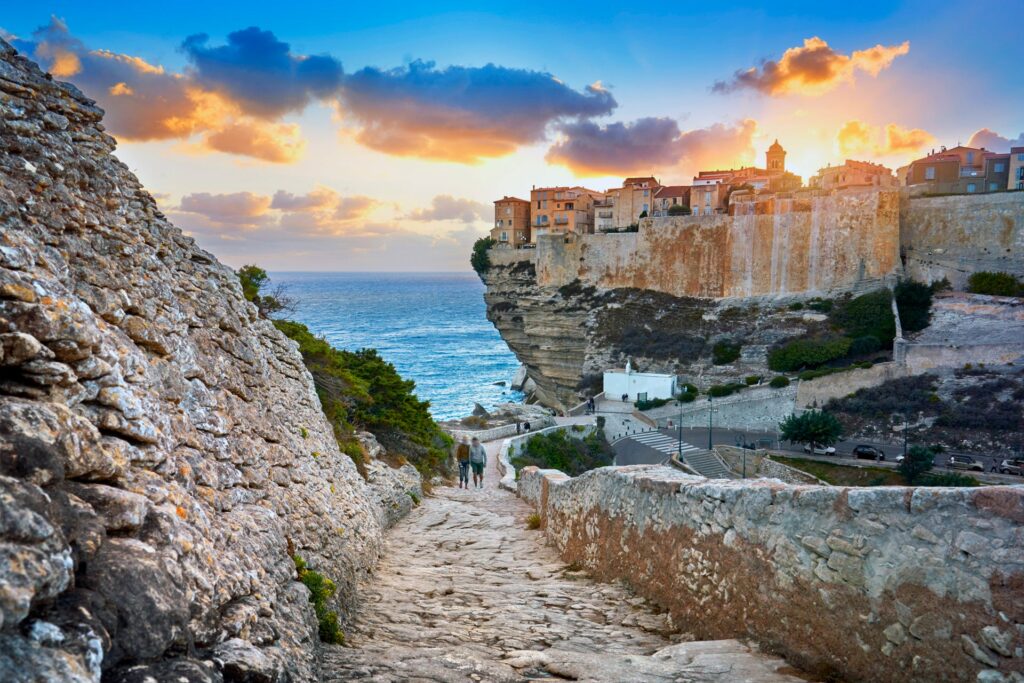
Follow the sculpted south‑west coast. Time your arrival for a daylight entry into Bonifacio’s limestone fjord—one of the Mediterranean’s great harbour approaches. Gusts can pipe up in the narrows; call the capitainerie on VHF for berth guidance.
Day 4 — Bonifacio to Lavezzi/Cavallo moorings
Pick up a park mooring in the Lavezzi archipelago for translucent water and world‑class snorkelling. Respect buoyage and no‑anchor zones over seagrass. Aim for midday arrival as spaces fill quickly; services are minimal so go self‑sufficient.
Day 5 — Lavezzi to Rondinara and Porto‑Vecchio
Drift north for lunch in perfect horseshoe‑shaped Rondinara, then continue into Porto‑Vecchio’s deep, protected gulf for the night. Book ahead in peak months and expect a gentle thermal breeze to back off after sunset.
Day 6 — Porto‑Vecchio to Tizzano or Campomoro
Choose a blue‑water stretch back along the south‑west, rewarding you with quiet granite coves at Tizzano or the broad shelter of Campomoro. Pick based on swell direction: Tizzano is intimate but limited in space; Campomoro is forgiving and sandy.
Day 7 — Campomoro to Ajaccio via Isolella
A final swim‑stop off the Isolella peninsula before returning to Ajaccio for fuel and check‑out. Allow time for the Saturday fuel‑dock queue and a leisurely de‑rig.
North‑West Wild Coast (7 days, Calvi round‑trip)
A 7-day route. Adjust legs to forecast, moorings and crew preferences.
For crews who relish scenery and a touch of adventure. Expect dramatic porphyry cliffs, park moorings and the headland effects of Cap Corse—best tackled with early starts.
Day 1 — Calvi to Girolata
Track the dramatic cliffs past Punta di Revellata to the village‑in‑a‑cove at Girolata, on park moorings beside the Scandola Reserve. No anchoring in core zones; book a buoy and take the dinghy ashore for a sunset walk.
Day 2 — Girolata to Porto
Short but scenic hop into the Golfe de Porto. Anchor beneath red porphyry cliffs and explore ashore. Tour boats create wake at times; rig a snubber and choose a settled‑weather window.
Day 3 — Porto to Saint‑Florent (lunch at L’Île‑Rousse)
A longer coastal run with an easy lunchtime stop at L’Île‑Rousse before bending into Saint‑Florent’s sheltered gulf. Plan the day to keep clear of afternoon sea‑breeze acceleration and arrive with light for a smooth berth.
Day 4 — Saint‑Florent to Agriates beaches
Sandy‑bottom anchorages at Plage du Lotu and Saleccia offer relaxed days in clear, shallow water. Open to swell—pick settled weather and keep clear of the swim zones close to shore.
Day 5 — Agriates to Macinaggio (round Cap Corse)
Round Cap Corse with an early start to avoid afternoon acceleration. Macinaggio gives good shelter and supplies on the NE corner. Give the cape a wide berth to dodge overfalls in strong wind.
Day 6 — Macinaggio to Saint‑Florent
Slide back down the east of Cap Corse, detouring for a swim off Barcaggio if conditions allow, and return to Saint‑Florent. Watch for pot markers and fishing traffic on the approach.
Day 7 — Saint‑Florent to Calvi (Revellata stop)
A final reach along the Balagne coast with an afternoon pause at Revellata before entering Calvi beneath its citadel. Top up fuel and celebrate with a waterfront dinner.
Corsica Anti‑Clockwise (10 days, Ajaccio to Ajaccio)
A 10-day route. Adjust legs to forecast, moorings and crew preferences.
A full‑island loop for crews with 10 days. It stitches together the wild west, cap effects in the north and the forgiving east coast before a southern flourish around Bonifacio.
Day 1 — Ajaccio to Girolata
Shake down to Girolata; pick up a mooring inside the park limits. Hail the mooring team on VHF, check all systems and enjoy a quiet first evening.
Day 2 — Girolata to Calvi
Coastal sail past Revellata into Calvi’s busy but well‑run marina. Book ahead in season and take a stroll up to the citadel at dusk.
Day 3 — Calvi to Saint‑Florent
Round La Pietra at L’Île‑Rousse and shape your course into Saint‑Florent for supplies and dinner ashore. Expect a friendly reception and good chandleries.
Day 4 — Saint‑Florent to Macinaggio (via Cap Corse)
Early start for Cap Corse. Expect acceleration and overfalls off the cap in strong wind. Reef early, give the tip a generous offing and enjoy an easier final hour into Macinaggio.
Day 5 — Macinaggio to Bastia
Short leg to Bastia’s Vieux Port for a citadel walk and easy crew change if needed. A relaxed day to reset, reprovision and sample the cafés.
Day 6 — Bastia to Solenzara
Gentle miles down the lee of the east coast to Solenzara’s friendly marina at the mouth of the river. Swim‑stop options abound along the sandy shoreline.
Day 7 — Solenzara to Porto‑Vecchio
Hop between sandy anchorages and ease into Porto‑Vecchio’s deep gulf. Reserve berths early; evenings can be lively in peak months.
Day 8 — Porto‑Vecchio to Bonifacio/Lavezzi
Short day: explore Bonifacio’s citadel, then, weather allowing, pick up a mooring in the Lavezzi islands. Mind protected‑area rules and plan for a swim‑heavy afternoon.
Day 9 — Bonifacio to Propriano
A satisfying reach along the sculpted south‑west to Propriano for a last dinner ashore. Consider a lunch stop at Tizzano if conditions are kind.
Day 10 — Propriano to Ajaccio
Return up the Valinco and around Pointe de la Parata to Ajaccio for fuel and handover. Allow buffer time for formalities and final checks.
When to go
May to June
Air and sea settle into summer patterns. Expect daytime highs of 22–27 °C, sea temperatures of 18–22 °C, and reliable afternoon sea breezes that build to Force 3–4. Marinas and mooring fields have space, restaurants are open, and the anchorages feel unhurried.
July to August
High summer is hot, busy and buoyant. Air temperatures reach 28–32 °C (higher inland). Seas warm to 24–26 °C. Afternoon thermals peak, but the west coast can see residual swell from the Golfe du Lion. Book marinas and regulated moorings (Girolata, Lavezzi, Bonifacio) in advance.
September to early October
Often the sweet spot for sailors. Water remains warm, crowds thin, and winds moderate. Occasional thunderstorms and Tramontane/Libeccio pulses can sweep through; plan lay days or short hops when fronts are due.
Late October to April
Winter brings more frequent strong wind events, cool water and partial closures. Many charter fleets pause; those operating may run reduced schedules. Experienced crews can still enjoy crisp days between systems, but daylight and services are limited.
Wind and weather
The prevailing picture
Summer brings a reliable diurnal cycle: light mornings freshening to W–NW sea breezes of 10–18 knots by early afternoon, easing after sunset. Overlying synoptic winds are typically from the W/NW quadrant (Mistral/Libeccio) or the N (Tramontane). Easterly episodes (Levante/Scirocco) occur less often but can raise a short, awkward chop on the east side and push swell into normally calm anchorages.
Acceleration zones
- Cap Corse (north): wind accelerates around the cape; overfalls and confused seas form off the tip in strong conditions. Give it a wide berth and round early in the day.
- Strait of Bonifacio (south): a funnelling effect between Corsica and Sardinia amplifies W–E flows, often 5–15 knots above the general forecast. Entry into Bonifacio can be windy but is well marked and straightforward in daylight.
Plan departures to meet these zones in the morning, reef pre‑emptively, and keep generous offing where overfalls are charted. Conditions usually moderate quickly once clear of the headlands.
Local effects
High terrain drives katabatic night breezes off the west coast. Thermal enhancement is common along the east where land heats quickly. The Scandola/Golfe de Porto area channels gusts off the cliffs. After Mistral events, swell lingers on the west and north‑west coasts; the east coast is the lee side and usually flatter.
Tides, currents and visibility
Tidal range is small (typically 0.2–0.3 m), but set and drift can be noticeable around Cap Corse and in the Bonifacio narrows. Visibility is generally excellent; fog is rare in summer. Monitor Météo‑France marine bulletins and local harbour broadcasts for updates.
Getting there
Airports
Corsica has four well‑placed airports, each serving the main cruising hubs. Most are within an hour of their nearest marinas, making same‑day embarkation straightforward.
- Ajaccio–Napoléon Bonaparte (AJA): best for Ajaccio and south‑west bases (Propriano ~1 h by road).
- Figari Sud‑Corse (FSC): closest to Bonifacio (25–30 min) and Porto‑Vecchio (30–40 min).
- Bastia–Poretta (BIA): convenient for Bastia, Macinaggio and the east coast.
- Calvi–Sainte‑Catherine (CLY): for Calvi, Île‑Rousse and Saint‑Florent.
Ferries
Year‑round car ferries link Marseille, Toulon and Nice (France) and Genoa, Savona and Livorno (Italy) to Ajaccio, Bastia, Île‑Rousse and Porto‑Vecchio. Ferries are ideal for bringing specialist kit, SUPs or when provisioning heavily with hard‑to‑find items.
Transfers and provisioning
Most marinas sit 10–40 minutes from their closest airport, with taxis and pre‑booked shuttles readily available. Supermarkets are a short taxi ride from Ajaccio, Calvi, Bastia, Porto‑Vecchio and Propriano marinas, and many offer delivery direct to the pontoon in high season—book a slot before you fly.
Chartering
Where fleets are based
Bareboat and skippered options cluster around Ajaccio (largest base), Propriano, Bonifacio, Porto‑Vecchio, Calvi and Bastia/Macinaggio. Catamarans are common on southern routes for the Lavezzi/Bonifacio area; monohulls remain popular for the west and north.
Booking pattern
Most contracts run Saturday–Saturday with embarkation late afternoon and return Friday evening for a Saturday morning check‑out. One‑way trips (e.g., Ajaccio–Bonifacio or Calvi–Ajaccio) exist but are limited and attract relocation fees. Ask about early boarding, late return and bed‑linen/towel packs to streamline crew logistics.
What to expect aboard
Mediterranean mooring (stern‑to on laid lines) is standard. Fuel is taken at base on return; avoid the mid‑afternoon rush on Saturdays. Berth reservations are strongly advised in July–August—use marina apps or call ahead. In protected areas (Girolata, Lavezzi, parts of Bonifacio) pick up authorised moorings; anchoring may be restricted to protect seagrass.
Skippers and support
If taking a skipper, clarify cabin allocation and provisioning. For bareboats, operators will expect you to demonstrate boat handling in crosswinds typical of Bonifacio and confidence with Med‑mooring. Consider damage‑waiver insurance, and confirm support hours and spare‑parts availability for peace of mind.
Licences and formalities
Bareboat certifications
France does not universally require a sailing licence for coastal waters, but charter companies in Corsica typically insist on:
- ICC (International Certificate of Competence, Coastal) or national equivalent (e.g., RYA Day Skipper Practical plus ICC).
- VHF radio licence (operator’s SRC/Short Range Certificate).
A concise sailing CV/log of recent experience and a competent co‑skipper are often requested.
Documents and deposits
Bring passports/ID for all crew, skipper’s certificates, VHF operator card, and a credit card for the security deposit. Check inclusions (end‑cleaning, outboard, bed linen) and local tourist taxes. Schengen rules apply for non‑EU arrivals; if arriving from outside Schengen, use a port of entry such as Ajaccio, Bastia or Bonifacio.
Environmental and safety rules
- Anchoring over Posidonia seagrass is restricted; use sand patches or authorised moorings. Fines apply in protected zones.
- In the Bouches de Bonifacio and Scandola reserves, follow buoyage, speed limits and no‑access areas.
- Maintain 300 m off bathing beaches (5‑knot limits near shore). Carry required safety gear; holding tanks must not be discharged in port or protected waters.
Compliance protects Corsica’s clear waters and makes inspections routine and swift. If in doubt, ask the harbour office for the latest local guidance.
Anchorages and marinas
West and north‑west (Ajaccio–Calvi–Saint‑Florent)
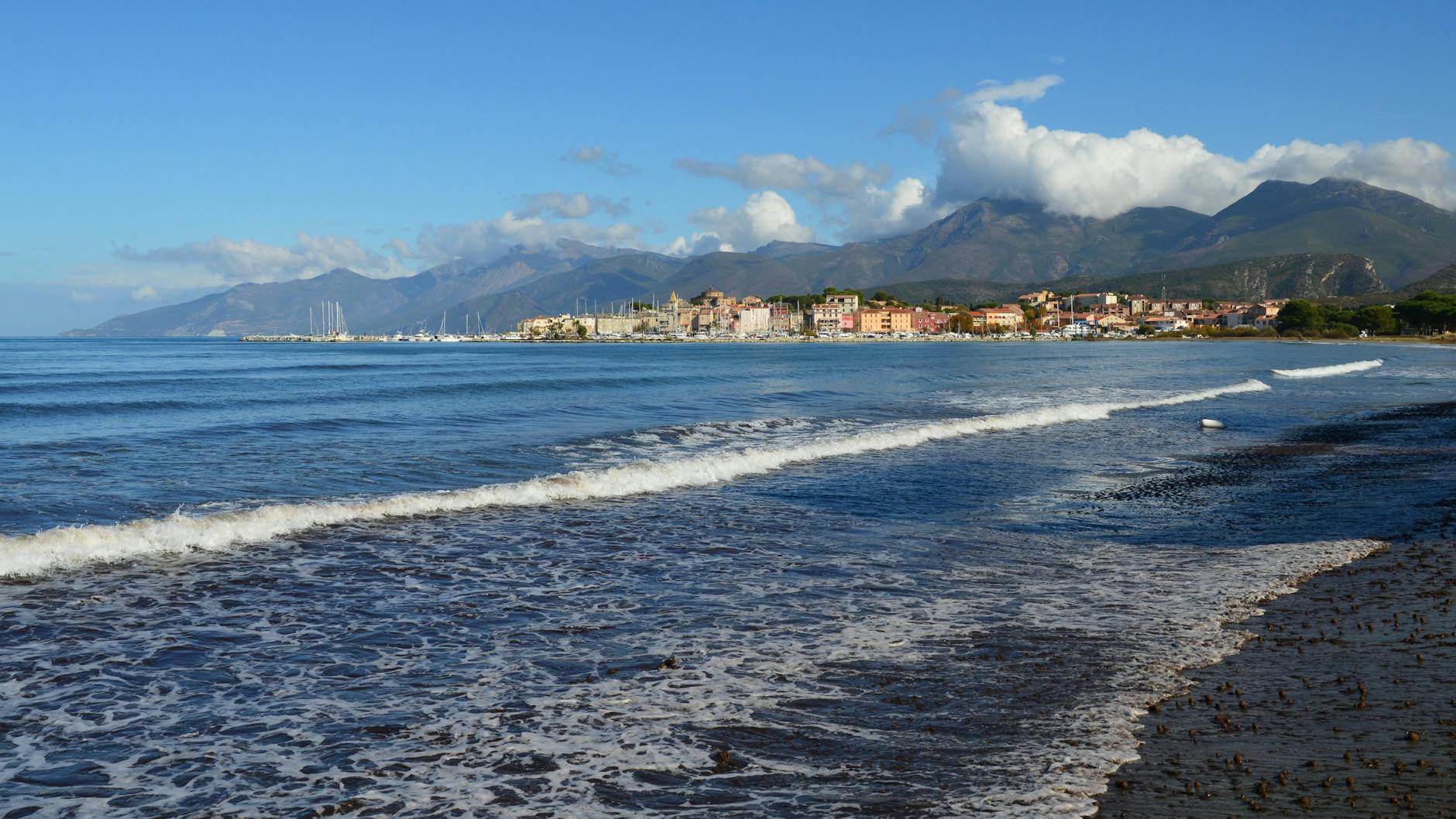
Epic scenery and deep coves define this stretch. Girolata operates park moorings in season; Scandola itself is highly regulated with no anchoring in core areas. Porto is a spectacular roadstead but open to westerly swell—choose settled weather. Calvi and Saint‑Florent are well‑run marinas with fuel, water and repair services. Expect gusts off high terrain and swell wrap after Mistral.
Cap Corse and the north‑east
Around Cap Corse, seas can be short and confused in strong winds; round early and give the tip a generous offing. Macinaggio is the go‑to refuge on the NE corner with good shelter and supplies. Saint‑Florent gives access to the Agriates beaches (Lotu, Saleccia), which are glorious in calm conditions but untenable with any north‑west swell.
East coast
From Bastia down past Campoloro/Taverna and Solenzara to Porto‑Vecchio, the shoreline is lower and the sea state generally easier. Anchorages are sandy with excellent holding; facilities are spaced every 20–30 miles. Porto‑Vecchio’s deep gulf provides near‑all‑weather protection, though summer evenings can be busy.
South coast and the Strait of Bonifacio
Bonifacio’s entrance is well buoyed; inside, strong crosswinds are common on approach to the pontoons. The Lavezzi and Cavallo islands have seasonal moorings; anchoring is limited to protect Posidonia. Bays such as Rondinara, Santa Giulia and Palombaggia offer clear water and sand—watch for afternoon sea‑breeze gusts and occasional surge. Propriano and Campomoro give solid shelter for staging north or south.
Practical tips
- Lay extra scope in open roadsteads and snub chain to reduce snatching in residual swell.
- In peak months, arrive by early afternoon to secure buoy/berth, especially at Girolata, Bonifacio and Porto‑Vecchio.
- Depths drop off quickly on the west coast; identify sand patches before committing the hook.
Carry a stern anchor or long shorelines if you plan tight coves, keep a light on deck for late returns, and brief the crew on swim‑zones and park rules before you launch the dinghy.
FAQs
Is Corsica suitable for a first Mediterranean charter?
Yes—choose the east and south‑east coasts (Solenzara to Porto‑Vecchio) for kinder seas and plentiful sandy anchorages. The west and the Bonifacio Strait are superb but demand confidence in stronger breezes and swell.
How strong does the wind get in the Strait of Bonifacio?
In W–E patterns, expect 5–15 knots above the general forecast due to funnelling. Reef early and plan entries to Bonifacio in daylight. Conditions ease quickly once you are inside the harbour.
Can I circumnavigate Corsica in a week?
It is ambitious. Most crews need 9–10 days to make a comfortable loop with time for anchorages. In a week, focus on either the south (Ajaccio–Bonifacio–Porto‑Vecchio) or the north‑west (Calvi–Girolata–Saint‑Florent).
Do I need to book marinas in advance?
In July–August, yes—especially Bonifacio, Porto‑Vecchio, Calvi and Ajaccio. Use marina booking apps or call early afternoon. In shoulder seasons, same‑day requests usually work.
Where are the best family‑friendly anchorages?
Rondinara, Santa Giulia and Palombaggia in the south‑east, and the long sandy bights along the east coast. In the north, Lotu and Saleccia are stunning in calm weather.
Are there mooring buoys in protected areas?
Yes. Seasonal moorings operate at Girolata (Scandola area) and in the Lavezzi/Cavallo archipelago. Use them where provided; anchoring may be limited or prohibited to protect seagrass.
What charts and forecasts should I use?
Carry official charts and an updated pilot. For weather, use Météo‑France marine bulletins and corroborate with reputable apps. Local harbour offices broadcast updates and notices in season.
Are jellyfish common?
They can appear after onshore winds or following weather changes, but most days are clear. A light rash vest and vinegar in the onboard kit are sensible precautions.
References
- https://www.cruiserswiki.org/wiki/Corsica
- https://marine.meteofrance.com
- https://www.reserve-lavezzi.fr/
- https://www.parc-naturel-corse.corsica/Decouvrir/Les-Espaces-proteges/La-Reserve-Naturelle-de-Scandola
- https://www.napoleonbonaparte.aeroport.fr/en
- https://www.bastia.aeroport.fr/en
- https://www.caly.airport-authority.com/en
- https://www.port-bonifacio.corsica/en/
- https://www.corsicaferries.co.uk/
- https://mer.gouv.fr/posidonie
Charter a Yacht
Compare crewed & bareboat charters, learn the best months to sail, and get a custom shortlist from 500+ providers.